Loading…
Loading video…

6,069 views
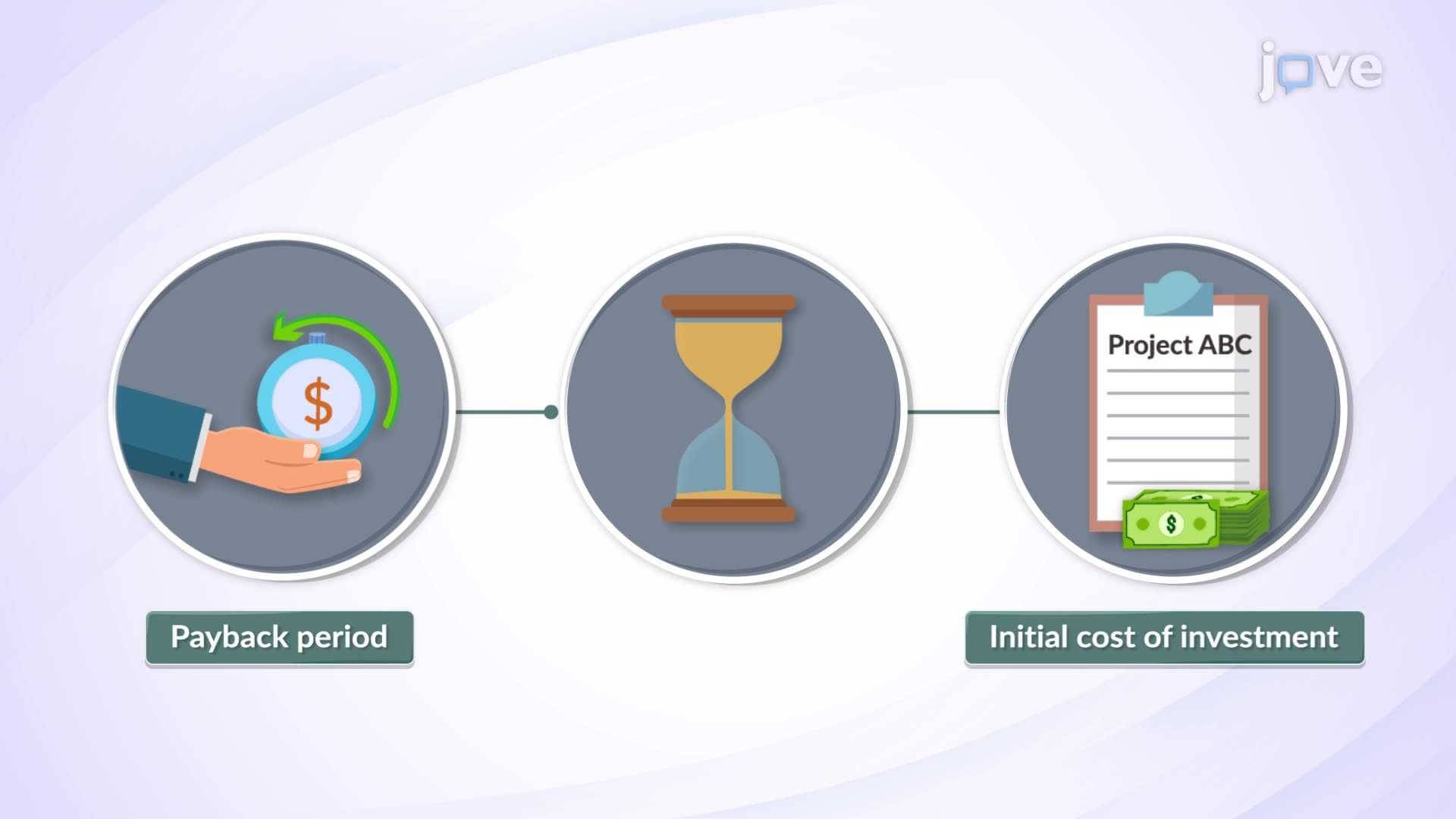
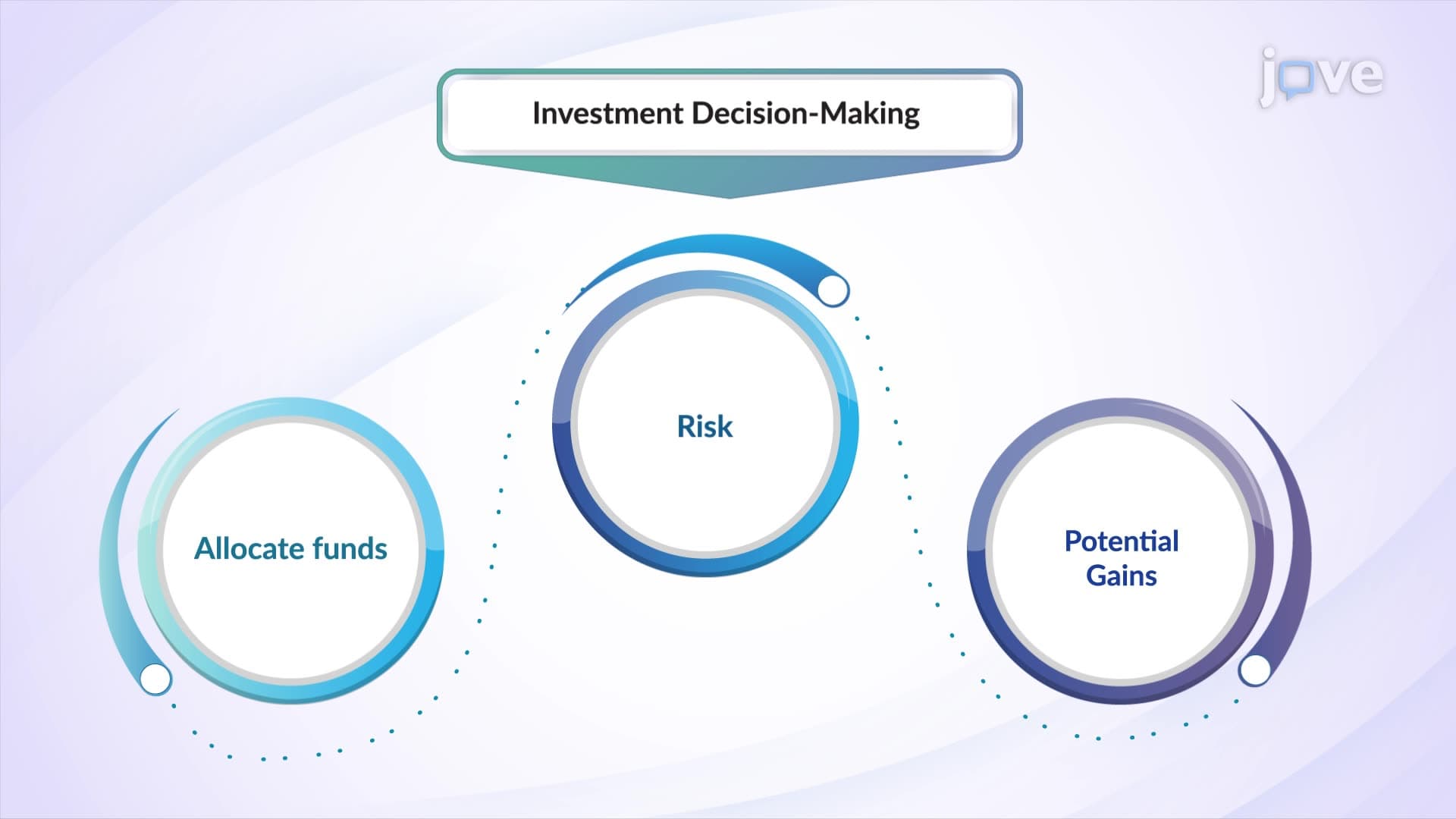
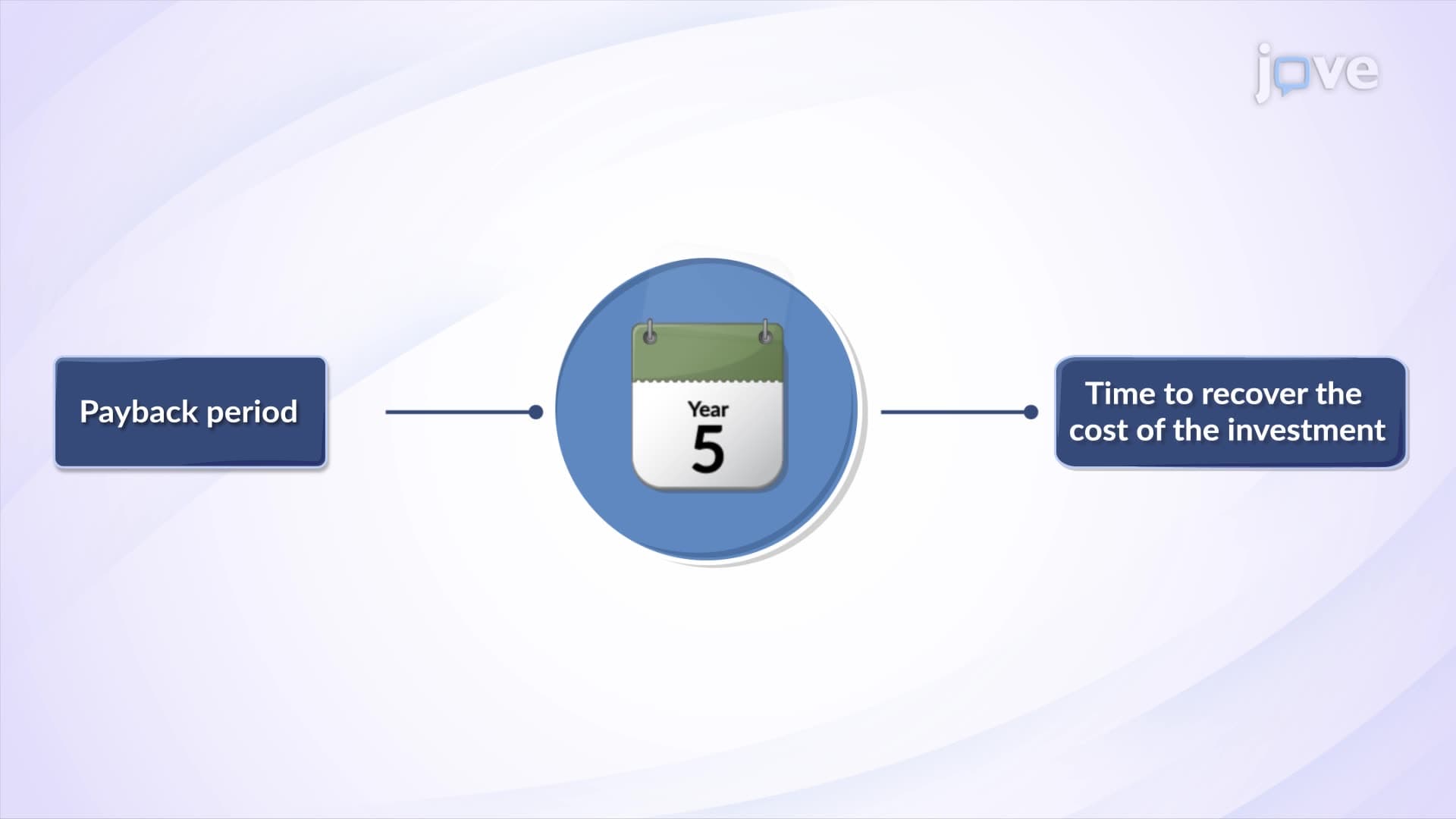
Capital allocation decisions make or break quarterly performance, yet many managers rely on overly complex metrics when simpler tools suffice. Payback analysis remains the most straightforward method for evaluating investment recovery timeframes, helping executives like those at General Electric quickly screen equipment purchases and operational improvements. The payback concept measures how long it takes to recover initial investment costs through generated cash flows, making it invaluable for budget-conscious managers prioritizing liquidity. Watch the full video on JoVE Coach to master this concept with expert-led visuals and step-by-step explanations.
When Walmart evaluates new store locations or distribution centers, executives need a quick way to assess how long it takes to recover their multi-million dollar investments. This is where payback analysis becomes essential – it provides an immediate snapshot of investment recovery speed without complex calculations.
Payback represents the time required for cumulative cash inflows to equal the initial investment outlay. The formula is elegantly simple: Initial Investment ÷ Annual Cash Flow = Payback Period (assuming even cash flows). For uneven cash flows, managers sum annual cash flows until they equal the initial investment.
Manufacturing giants like Ford use payback analysis to evaluate assembly line automation projects. When considering a $2 million robotic system that saves $500,000 annually in labor costs, the four-year payback period helps executives quickly assess whether this aligns with their capital recovery targets.
Technology companies particularly value payback speed due to rapid innovation cycles. Microsoft might prioritize cloud infrastructure investments with two-year paybacks over longer-term research projects, ensuring capital remains available for emerging opportunities.
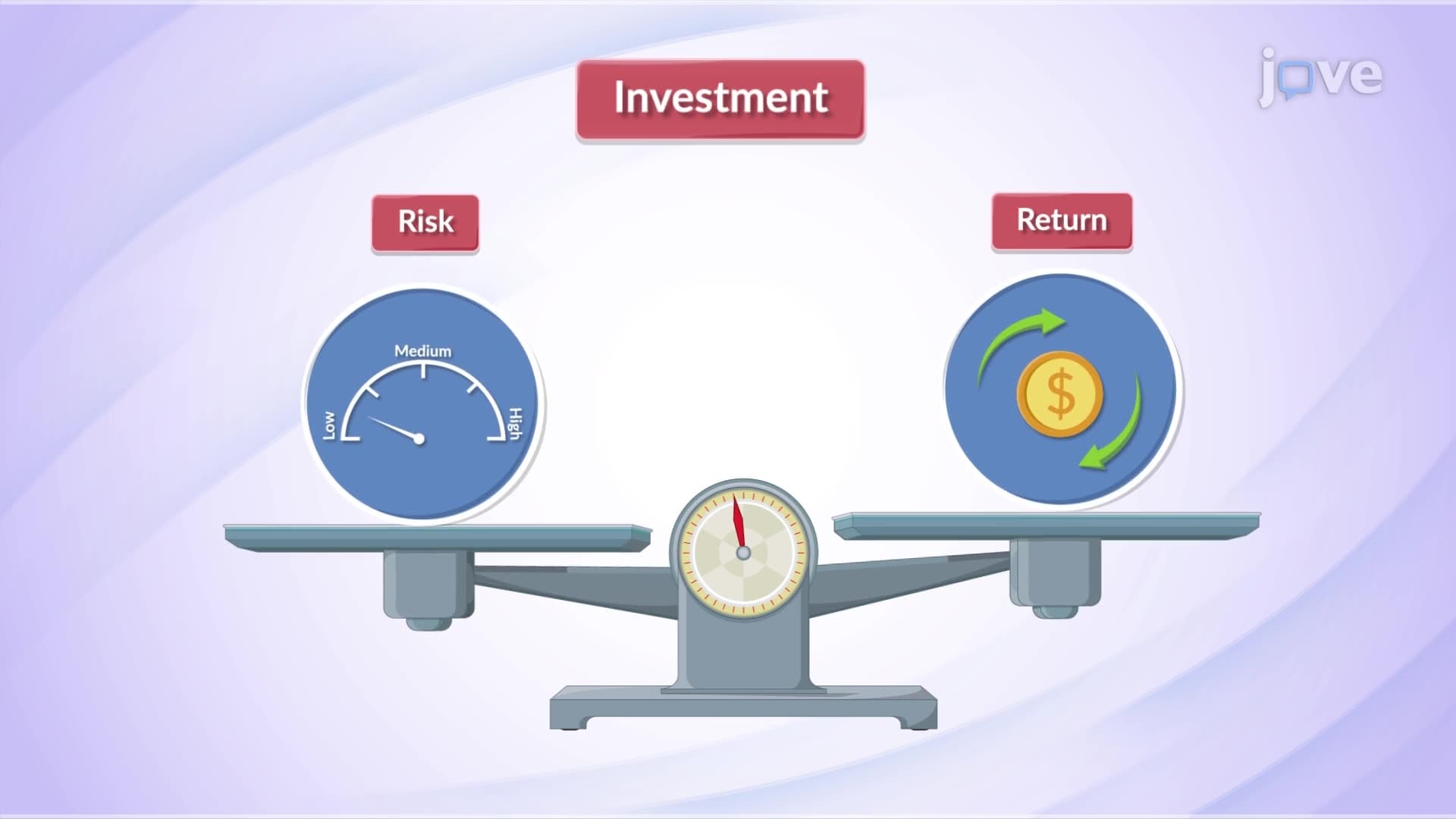
Payback analysis excels in cash-constrained environments and volatile industries where quick capital recovery reduces risk exposure. Private equity firms often use three-year payback thresholds when evaluating portfolio company improvements, knowing that shorter recovery periods enhance overall fund returns.
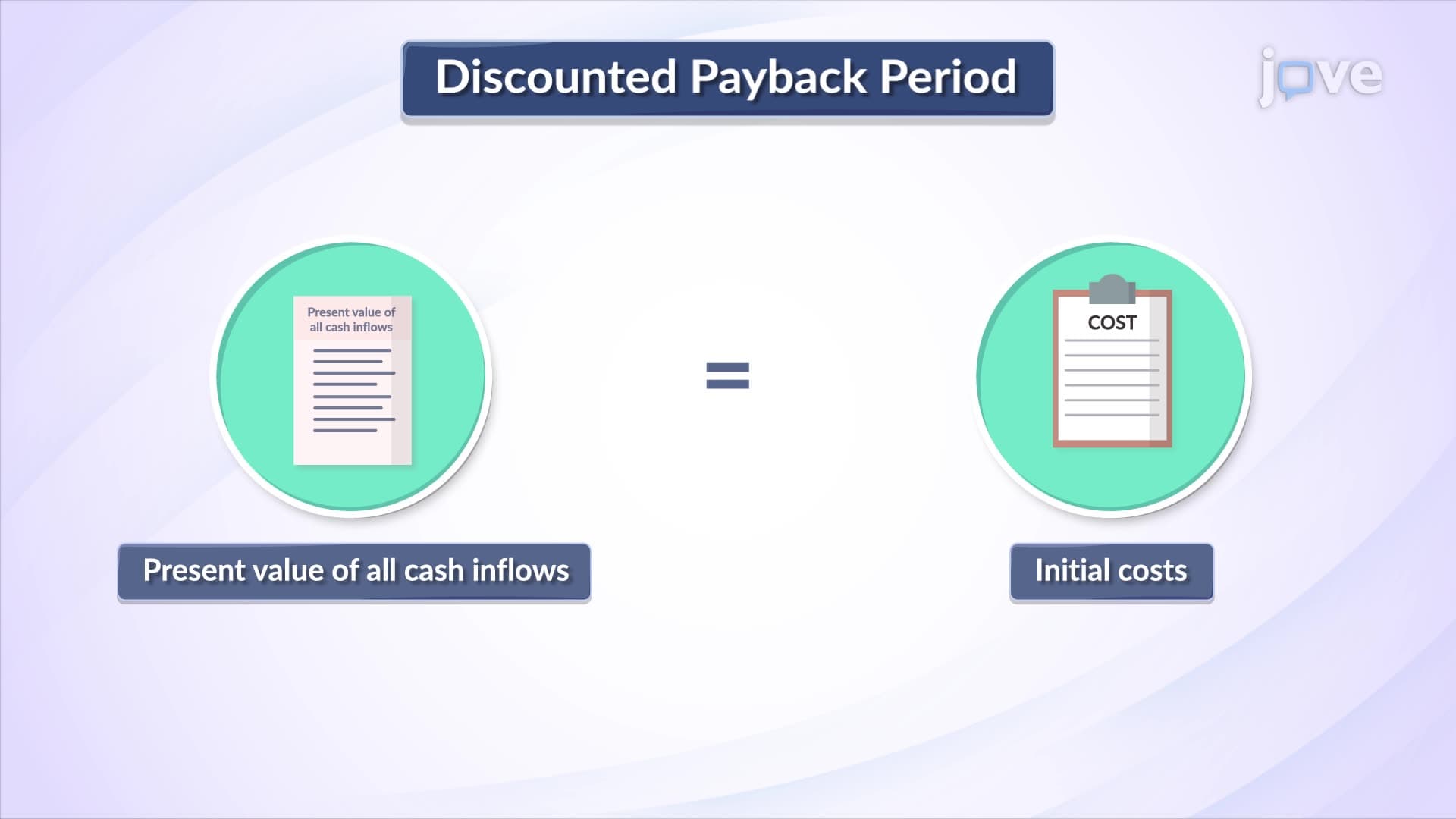
However, smart managers recognize payback's limitations. It ignores the time value of money, potentially misleading decisions when comparing projects with different risk profiles. Amazon's long-term infrastructure investments might show extended payback periods but generate substantial value beyond the recovery timeframe.
Leading CFOs integrate payback analysis into broader financial frameworks. They establish payback thresholds based on industry standards – typically 2-4 years for equipment purchases, 3-5 years for market expansion, and 1-2 years for cost-reduction initiatives. This creates consistent evaluation criteria while maintaining strategic flexibility for exceptional opportunities.
Frequently Asked Questions
Payback measures how quickly an investment recovers its initial cost through generated cash flows. It's crucial because it provides immediate insight into investment liquidity and risk, helping managers make faster capital allocation decisions without complex financial modeling. Most executives use it as a screening tool before deeper analysis.
Focus on risk mitigation and cash flow certainty rather than just the calculation. Emphasize how shorter payback periods reduce exposure to market volatility and preserve capital flexibility for future opportunities. Always pair payback with qualitative factors like strategic alignment and competitive positioning.
Use payback for initial project screening, cash-constrained situations, or highly uncertain environments where quick capital recovery is paramount. It's particularly valuable for operational improvements and equipment replacements where cash flow patterns are predictable. Save NPV for final investment decisions requiring comprehensive profitability analysis.
Amazon initially focused on warehouse technologies with 18-month paybacks, prioritizing robotics that quickly reduced labor costs and improved accuracy. This approach allowed rapid scaling across hundreds of facilities while maintaining cash flow for continued innovation. Their payback discipline enabled aggressive expansion without compromising financial flexibility.
No, payback's simplicity is its greatest strength for non-finance managers. Basic division skills and cash flow understanding suffice for most applications. However, recognizing when payback analysis is insufficient – such as with uneven cash flows or strategic investments – requires business judgment that develops through experience.
Payback fluency demonstrates practical financial acumen that executives value in promotion decisions. It enables you to quickly evaluate opportunities, communicate investment logic clearly, and contribute meaningfully to strategic discussions. This skill is particularly valuable for operations managers transitioning into broader leadership roles.
Net Present Value (NPV) naturally follows payback, as it addresses payback's time value limitation while building on the same cash flow concepts. NPV analysis will enhance your ability to evaluate complex, long-term investments where payback alone provides insufficient guidance.
Related Micro-courses



Related Subjects