Loading subject page…


6,069 views


Video Summary: What Is Importance of Capital Budgeting
The importance of capital budgeting becomes critical when companies face competing investment opportunities with limited resources. Fortune 500 manufacturers like Mattel must strategically evaluate whether to upgrade production facilities or expand into emerging markets-decisions that can impact profitability for years. Capital budgeting provides the analytical framework executives need to assess long-term investment viability, compare project returns, and align spending with strategic objectives in competitive markets. Watch the full video on JoVE Coach to master this concept with expert-led visuals and step-by-step explanations.
When Amazon's leadership decides between investing billions in new fulfillment centers versus expanding AWS infrastructure, they're engaging in capital budgeting-a process that determines which long-term investments will drive sustainable competitive advantage. The importance of capital budgeting extends far beyond simple cost-benefit analysis; it shapes corporate strategy, influences market positioning, and determines organizational survival in competitive landscapes.
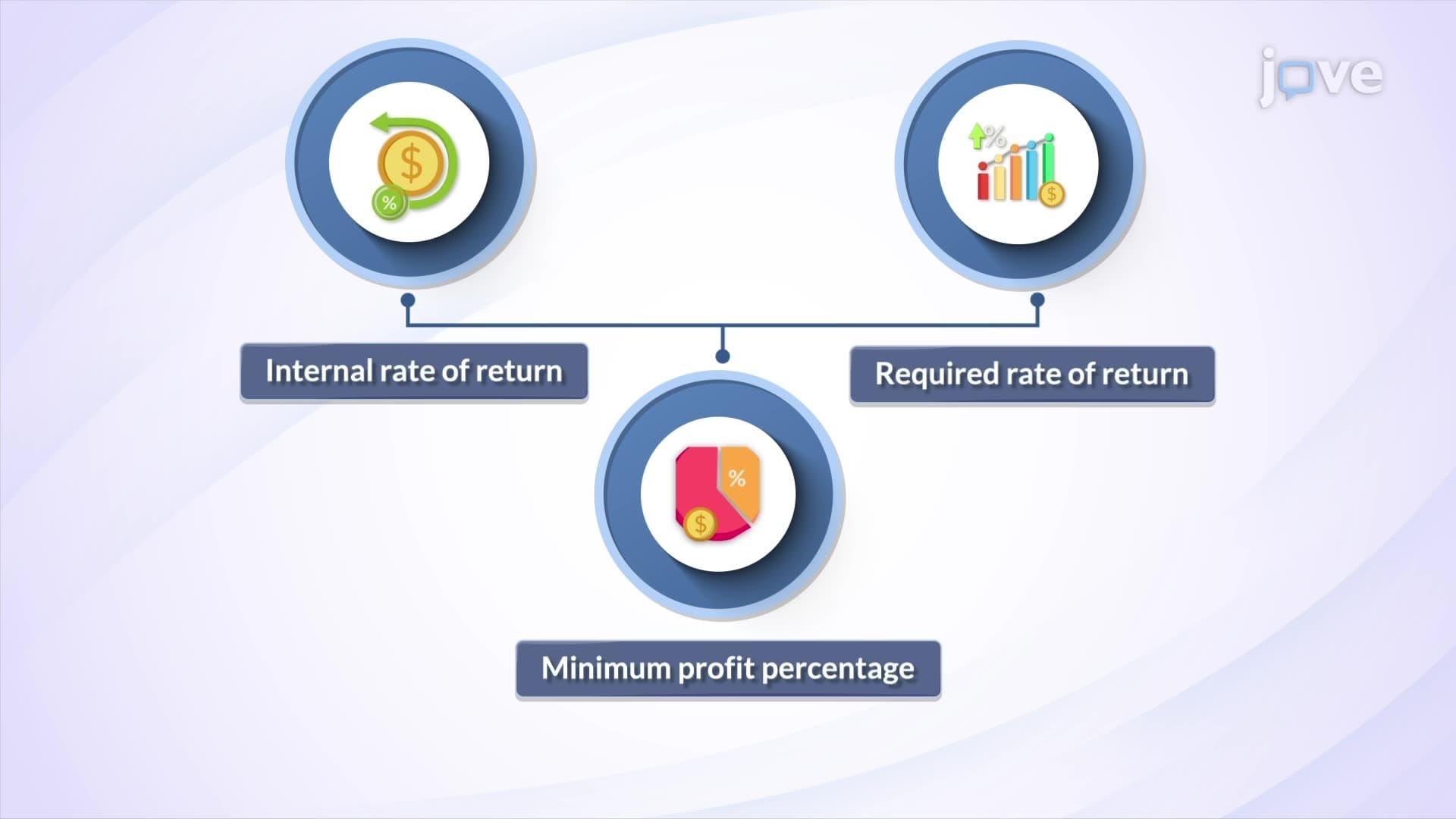
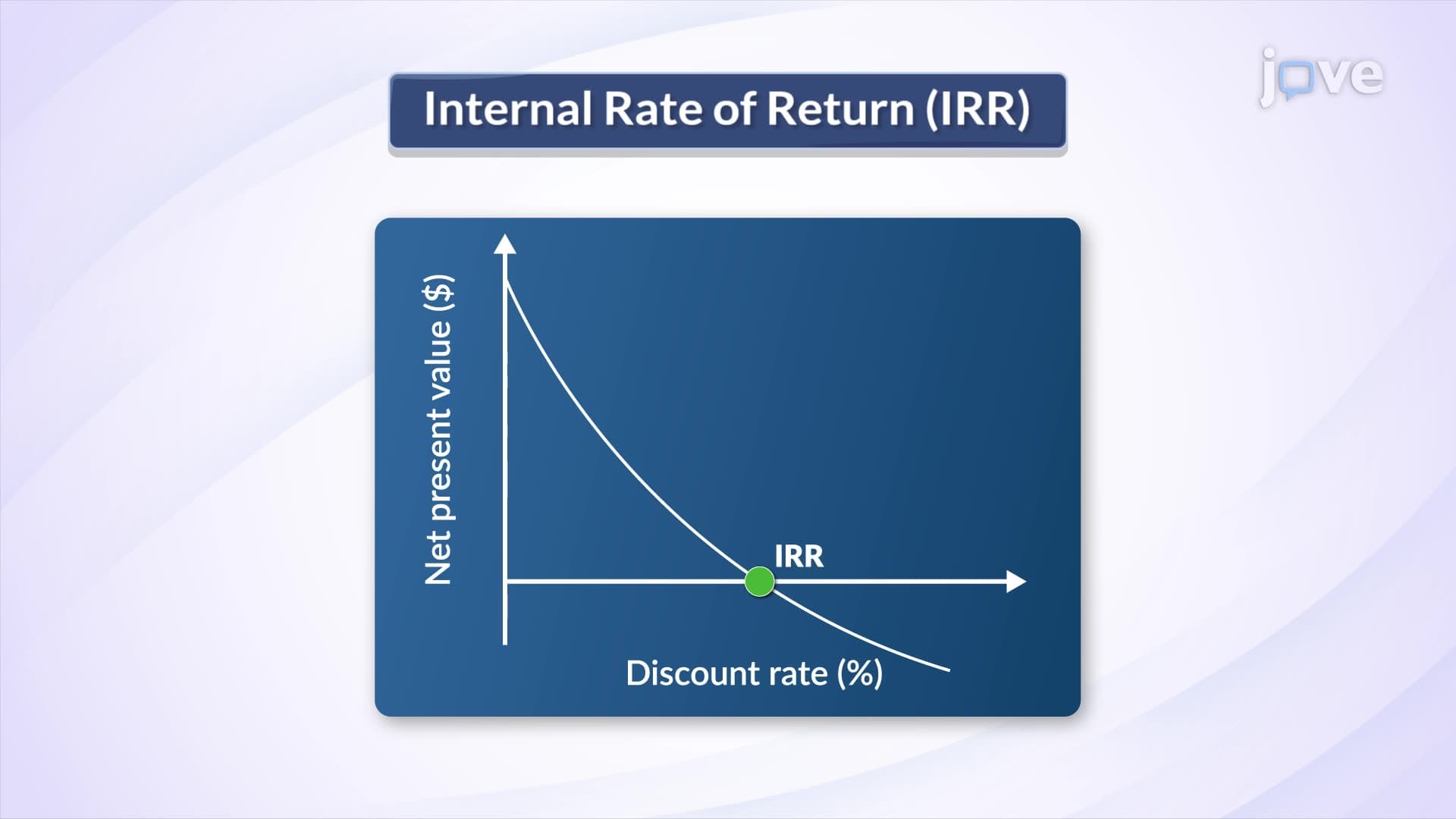
Capital budgeting provides executives with systematic methodologies to evaluate competing investment opportunities. Unlike operational spending, capital investments involve substantial upfront costs with returns spanning multiple years. Companies like General Electric use sophisticated capital budgeting techniques including Net Present Value (NPV), Internal Rate of Return (IRR), and Payback Period analysis to assess project viability. These frameworks enable decision-makers to quantify investment attractiveness while considering time value of money, risk profiles, and strategic alignment.
The importance of capital budgeting intensifies when organizations face resource constraints. Consider how Apple strategically allocates R&D investments between product categories-iPhone innovation, services expansion, or emerging technologies like autonomous vehicles. Effective capital budgeting ensures optimal resource deployment, preventing value-destroying investments while maximizing shareholder returns. This systematic approach helps companies maintain competitive positioning by focusing capital on initiatives that strengthen market leadership and create sustainable moats.
Modern capital budgeting encompasses comprehensive risk evaluation, particularly crucial for industries facing technological disruption. Energy companies like ExxonMobil must weigh traditional oil exploration investments against renewable energy ventures, considering regulatory changes, market volatility, and environmental factors. Advanced capital budgeting techniques incorporate scenario planning, sensitivity analysis, and real options valuation to address uncertainty. This sophisticated approach enables executives to build resilient investment portfolios that perform across various economic conditions while supporting long-term strategic objectives.
Related Micro-courses