Loading subject page…

- Finance
- Financial Ethics
- Psychological and Descriptive Understanding of Ethical Decision Making
Micro-course: Financial Ethics
3,390 views
Learn key concepts and earn your certificate.




Psychological and Descriptive Understanding of Ethical Decision Making

00:00
01:29
Video Summary: Psychological and Descriptive Understanding of Explained
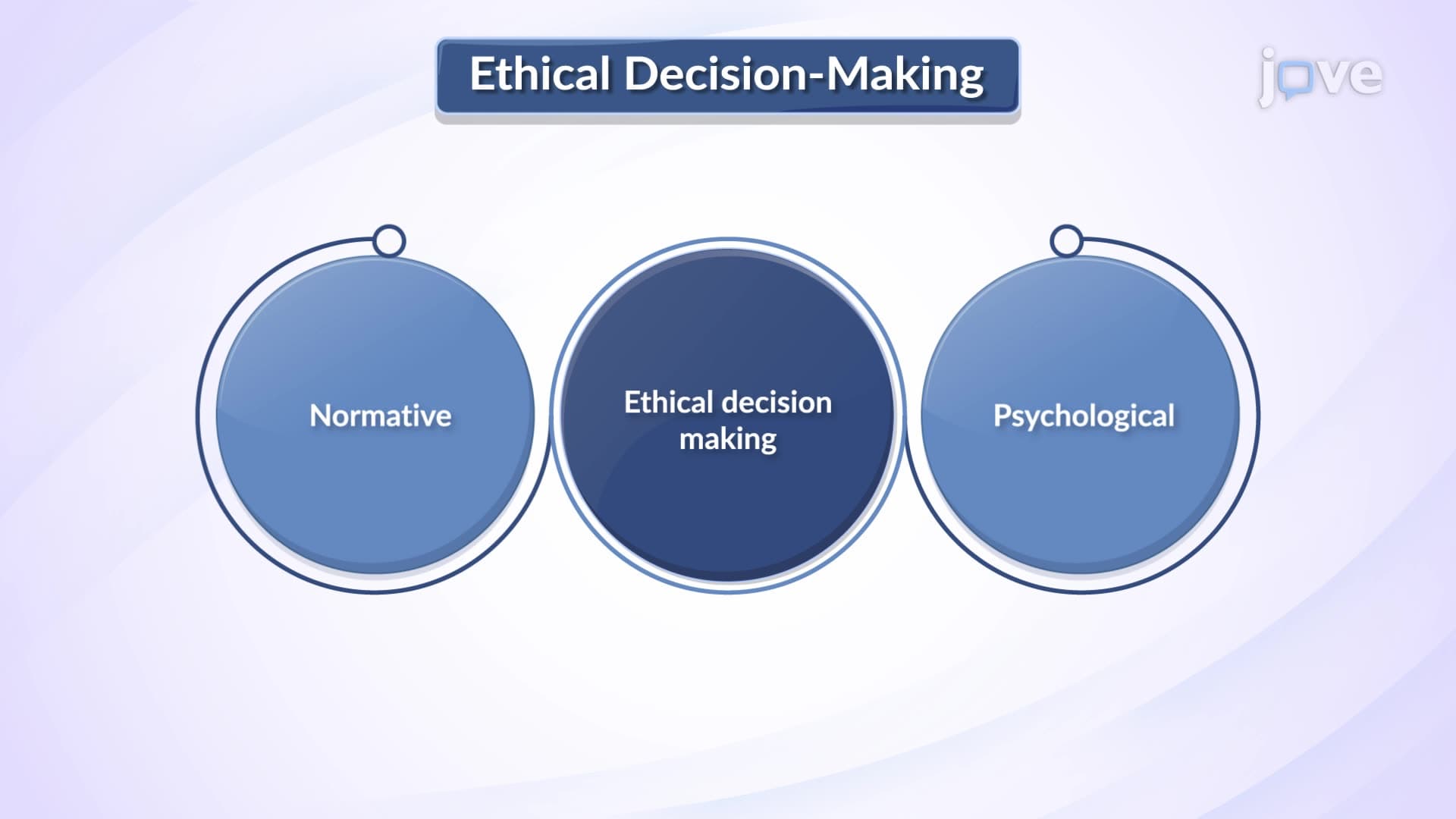
When JPMorgan Chase executives face complex ethical dilemmas-like financing projects with environmental implications-understanding psychological descriptive understanding becomes critical for sound decision-making. This framework examines how professionals actually make ethical choices versus how they theoretically should, revealing the gap between normative standards and real-world behavioral patterns. The psychological and descriptive understanding of explained decision-making processes helps leaders navigate competing interests while maintaining integrity. Watch the full video on JoVE Coach to master this concept with expert-led visuals and step-by-step explanations.
- Apply normative ethical frameworks to distinguish right from wrong in high-stakes business decisions involving profit versus principle trade-offs
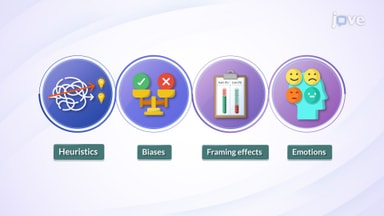
- Evaluate the psychological factors that influence real-world decision-making, including personal motivations, career advancement pressures, and cognitive biases
- Analyze the tension between theoretical ethical standards and practical business constraints that professionals face daily
- Implement balanced decision-making processes that account for both principled ideals and human psychological realities
- Compare normative approaches with descriptive behavioral patterns to predict and improve organizational ethical outcomes
- Leverage understanding of internal ethical conflicts to develop more effective corporate governance and compliance strategies
- Identify situations where personal career interests may compromise ethical judgment and develop mitigation strategies
- Assess organizational cultures that either support or undermine ethical decision-making in complex business scenarios
Understanding Psychological Descriptive Understanding in Business Ethics
Corporate executives at companies like Wells Fargo and Boeing have faced intense scrutiny for ethical failures that demonstrate the critical importance of understanding how professionals actually make moral decisions under pressure. The psychological descriptive understanding framework provides essential insight into this decision-making process by examining both the theoretical standards we should follow and the real-world factors that influence our choices.
The Normative Foundation: Setting Ethical Standards
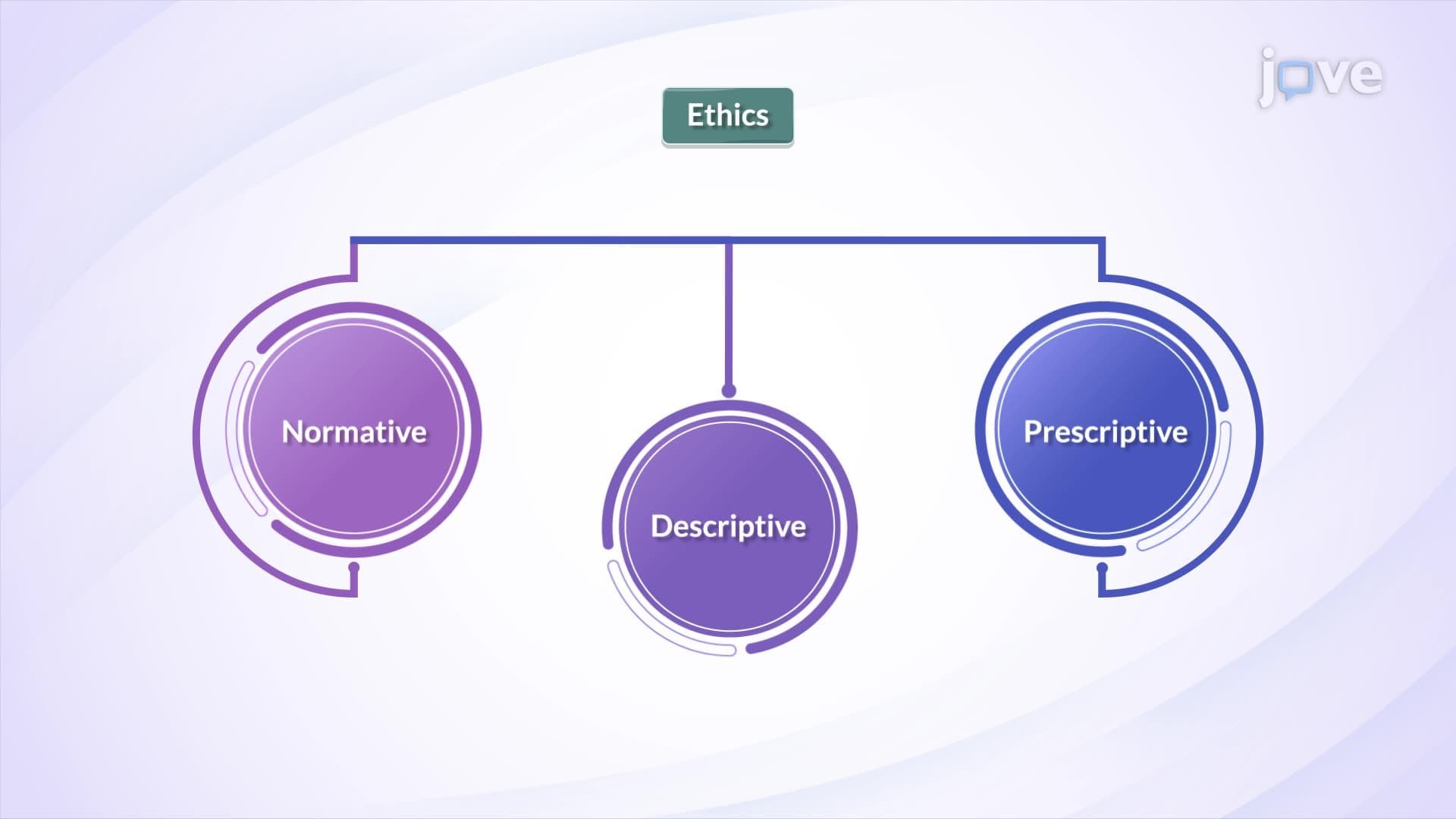
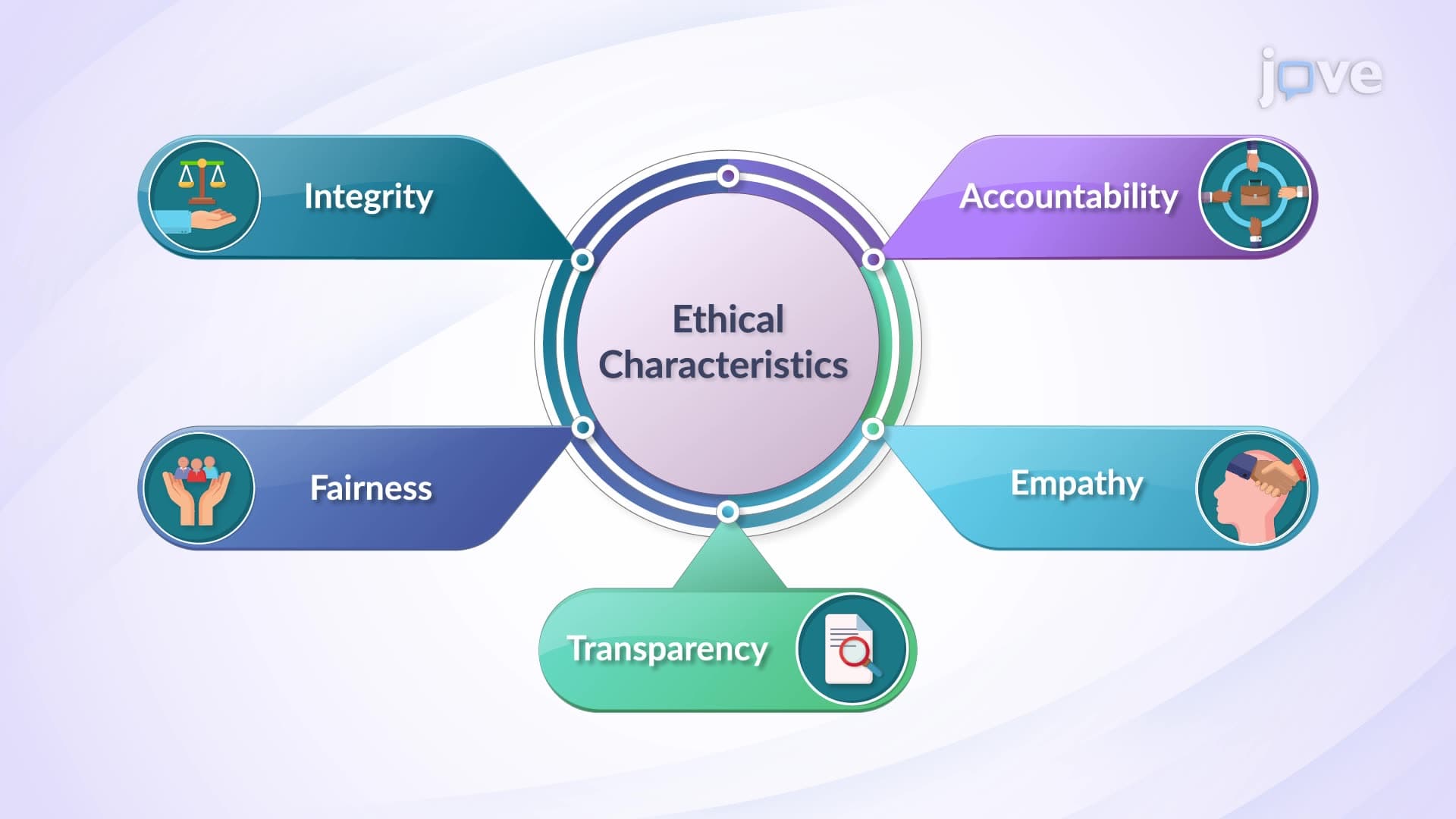
The normative approach establishes clear, explicit standards for ethical behavior based on principles like honesty, fairness, and accountability. For investment professionals at Goldman Sachs or Morgan Stanley, these standards might dictate declining profitable but environmentally harmful projects to maintain fiduciary responsibility. Normative ethics provides the "should" framework-the objective standards that differentiate right from wrong regardless of personal consequences or motivations.
This approach proves particularly valuable in structured decision-making environments like corporate boards, compliance committees, and strategic planning sessions where clear ethical guidelines can be systematically applied. Companies like Johnson & Johnson have built their reputation on normative ethical frameworks embedded in their corporate credo, demonstrating how principle-based decision-making can drive long-term business success.
The Psychological Reality: How Decisions Actually Happen
While normative approaches provide the ethical framework, psychological descriptive understanding examines how professionals actually make decisions when facing competing pressures. Consider a scenario where a Citibank analyst must evaluate a lucrative but questionable investment opportunity. The psychological approach recognizes that this professional experiences internal conflict between career advancement opportunities and ethical principles.
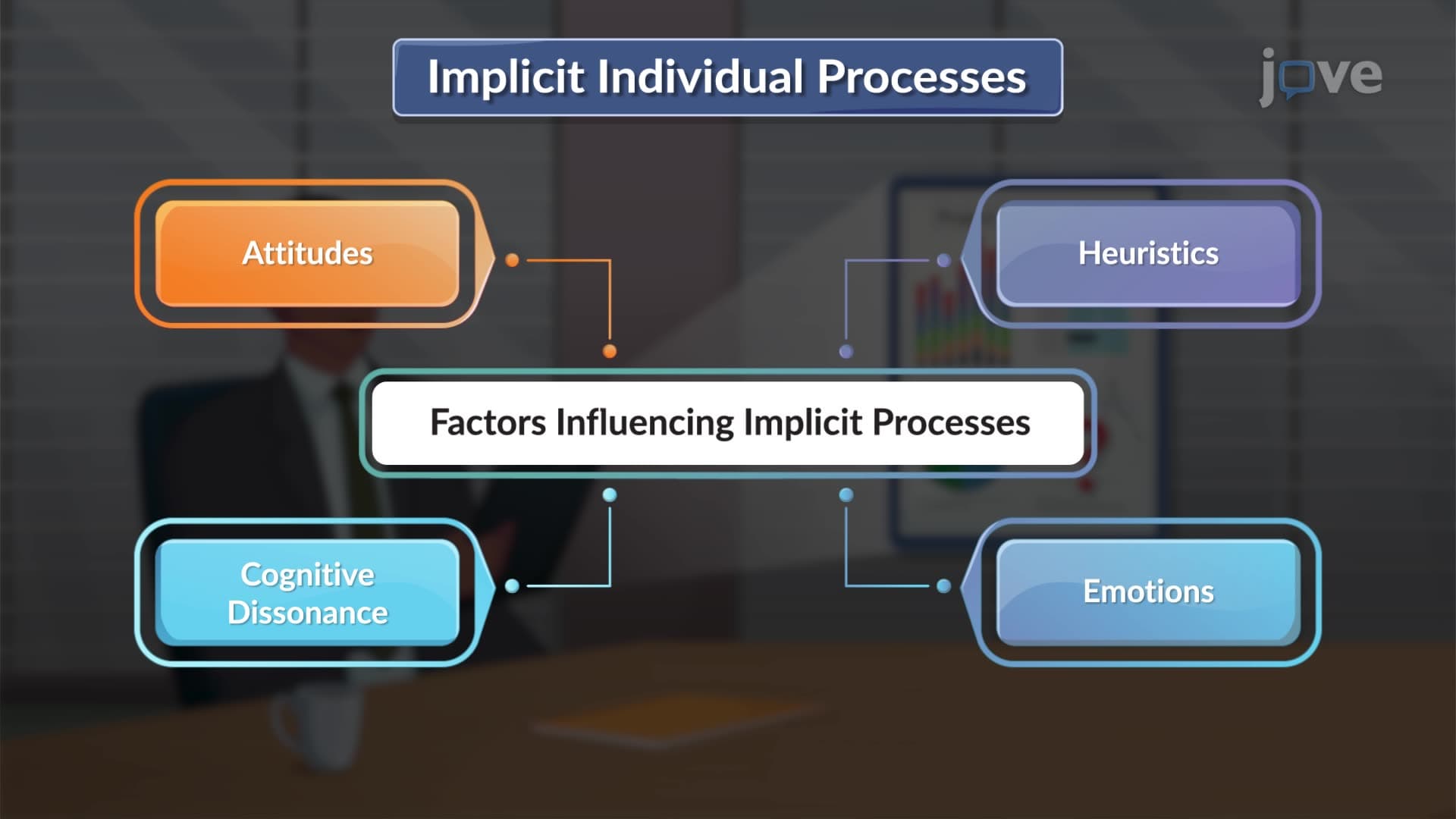
This perspective acknowledges cognitive biases, personal motivations, organizational pressures, and situational factors that influence real-world decision-making. Research shows that even well-intentioned professionals can rationalize questionable decisions when facing promotion opportunities, bonus incentives, or peer pressure. Understanding these psychological dynamics helps organizations design better systems, incentives, and cultural frameworks that support ethical behavior rather than merely mandating it.
Integrating Both Approaches for Better Business Outcomes
The most effective business leaders integrate both normative standards and psychological insights to create robust ethical decision-making processes. Companies like Patagonia have successfully balanced profit motives with environmental responsibility by acknowledging the psychological challenges their employees face and creating systems that support principled decisions even when they conflict with short-term financial interests.
Frequently Asked Questions
It's a framework that examines how professionals actually make ethical decisions in real-world situations, considering psychological factors like personal motivations, biases, and career pressures. This approach complements normative ethical standards by providing insight into why people sometimes act differently than theoretical principles would suggest. It helps organizations design more effective ethical frameworks that account for human psychology.
This framework helps executives anticipate and address the gap between intended ethical behavior and actual decision-making under pressure. For example, when evaluating acquisition targets or partnership opportunities, leaders can use this understanding to identify where personal or organizational biases might compromise ethical judgment. It enables more realistic planning for ethical challenges in competitive business environments.
Consider Facebook's (Meta's) handling of data privacy issues-executives likely understood normative ethical standards around user privacy but faced psychological pressures from growth targets and competitive threats. The psychological descriptive approach would examine how these competing pressures influenced actual decision-making, helping other companies design better systems to support ethical choices when facing similar conflicts between principles and business objectives.
Investment advisors, loan officers, and portfolio managers regularly face situations where personal financial incentives might conflict with client best interests. Understanding the psychological factors that influence ethical decision-making helps these professionals recognize potential bias patterns and implement safeguards. This framework is particularly valuable for compliance officers and risk managers who need to predict and prevent ethical lapses before they occur.
When presenting recommendations to clients or boards, understanding both normative standards and psychological realities helps professionals frame ethical considerations more persuasively. Rather than simply stating what should be done, you can address likely psychological resistance or conflicting motivations, making your ethical arguments more compelling and actionable for decision-makers who face similar internal conflicts.
No specialized psychology training is required-this concept focuses on practical business applications rather than academic theory. Most working professionals already recognize the tension between ideal ethical standards and real-world pressures. The framework simply provides structure for analyzing and addressing these dynamics more systematically in business decision-making processes.
Professionals who understand both normative ethics and psychological decision-making patterns become more effective leaders, advisors, and strategic thinkers. This skill set is particularly valuable for roles in compliance, risk management, executive leadership, and client advisory services where ethical decision-making directly impacts business outcomes and stakeholder trust.
Consider studying behavioral economics and cognitive bias frameworks, which provide additional tools for understanding how psychological factors influence business decision-making. These concepts complement psychological descriptive understanding by offering specific techniques for recognizing and mitigating bias patterns in strategic planning, investment decisions, and organizational management.
Related Micro-courses