Loading subject page…

- Finance
- Financial Ethics
- Social Influences on Ethics
Micro-course: Financial Ethics
3,390 views
Learn key concepts and earn your certificate.




Social Influences on Ethics

00:00
01:29
Video Summary: What Is Social Influences on Ethics
Corporate scandals like Wells Fargo's account fraud scheme demonstrate how social influences ethics dynamics shape organizational behavior and business outcomes. Understanding what is social influences on ethics becomes critical when leaders must navigate complex workplace pressures that can drive teams toward questionable decisions. Companies like Enron collapsed partly due to toxic influence patterns that normalized unethical practices across entire divisions. Watch the full video on JoVE Coach to master this concept with expert-led visuals and step-by-step explanations.
- Apply ethical influence frameworks to distinguish between manipulation and legitimate persuasion in client negotiations and team management
- Evaluate coercive tactics in workplace environments to protect your team from pressure-driven compliance that compromises integrity
- Analyze facilitation strategies that empower employee decision-making while maintaining ethical standards and business objectives
- Implement persuasion techniques that build genuine buy-in rather than forced compliance in strategic initiatives
- Assess the ethical implications of information control and selective disclosure in investor relations and stakeholder communications
- Identify warning signs of manipulative influence patterns that can expose organizations to regulatory and reputational risks
- Leverage facilitation-based leadership approaches that maximize team autonomy while achieving business outcomes
- Compare different influence methodologies to select the most ethically appropriate approach for specific business contexts
Understanding Social Influences On Ethics in Business Context
When JPMorgan Chase faced the "London Whale" trading scandal in 2012, investigators revealed how social influence dynamics contributed to risk management failures. Traders used selective information sharing and peer pressure to normalize increasingly risky positions, demonstrating how social influences ethics principles directly impact financial performance and regulatory compliance.
The Four Pillars of Workplace Influence
Coercion represents the most problematic influence method, using threats to control behavior. In corporate environments, this manifests as implicit job security threats that pressure employees to overlook compliance violations. Wells Fargo's sales culture exemplified coercive influence, where employees faced termination threats for not meeting unrealistic cross-selling targets, ultimately leading to millions of unauthorized accounts.
Manipulation involves controlling information flow or limiting options to guide decisions. Investment advisors who present only favorable market data while concealing risks engage in manipulative practices that can trigger SEC enforcement actions and destroy client relationships.
Persuasion leverages reasoned arguments and transparent communication to influence outcomes. Successful executives like Warren Buffett demonstrate ethical persuasion by presenting comprehensive analyses that acknowledge both opportunities and risks, enabling stakeholders to make informed decisions.
Facilitation maximizes individual autonomy by providing resources and opportunities. Companies like Google and Microsoft invest heavily in employee development programs that enhance decision-making capabilities rather than constraining choices, creating sustainable competitive advantages through empowered workforces.
Strategic Implementation Framework
Ethical influence strategies require contextual assessment. In merger negotiations, persuasion-based approaches that present comprehensive due diligence findings typically generate better long-term outcomes than manipulation tactics that conceal integration challenges. Similarly, facilitation-oriented management styles that provide teams with analytical tools and market intelligence enable more innovative solutions than coercive micromanagement approaches.
Frequently Asked Questions
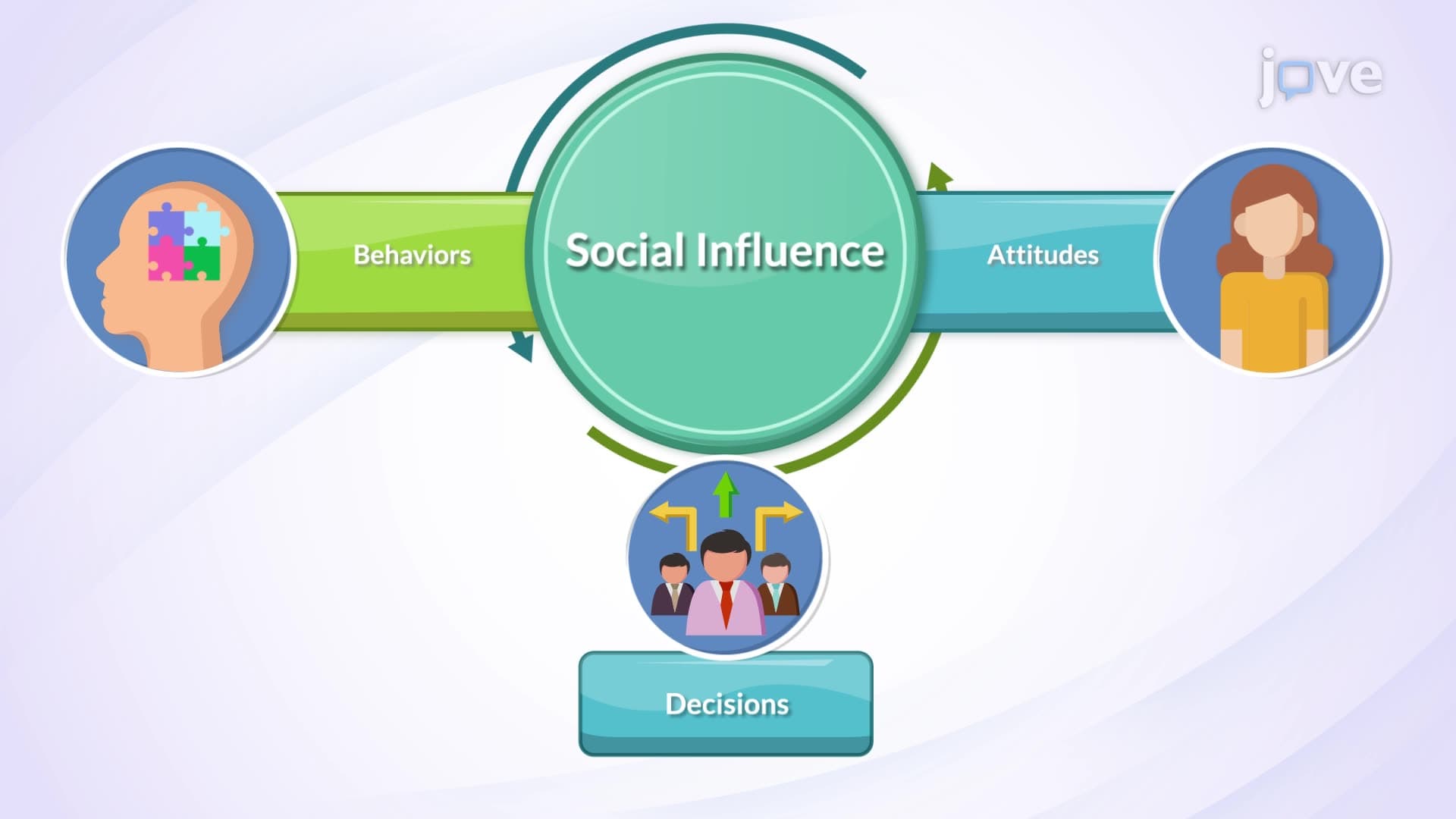
Social influences on ethics examines how workplace dynamics shape moral decision-making through communication and behavioral pressure. It matters because understanding these patterns helps leaders create cultures that drive sustainable business performance while avoiding compliance violations and reputational damage that can destroy shareholder value.
Watch for selective information disclosure, artificial urgency creation, or limiting client access to alternative options without legitimate business justification. Manipulative advisors often emphasize potential gains while downplaying risks, similar to tactics used in the subprime mortgage crisis that damaged major financial institutions.
Persuasion presents comprehensive information and respects team members' autonomy to make informed decisions, while coercion uses explicit or implicit threats to force compliance. Effective leaders use data-driven arguments and acknowledge trade-offs rather than demanding blind obedience through job security threats.
Amazon's "two-pizza team" structure exemplifies facilitation by giving small teams resources, clear objectives, and decision-making authority without prescriptive processes. This approach enables innovation and rapid market response while maintaining ethical standards through transparent accountability mechanisms.
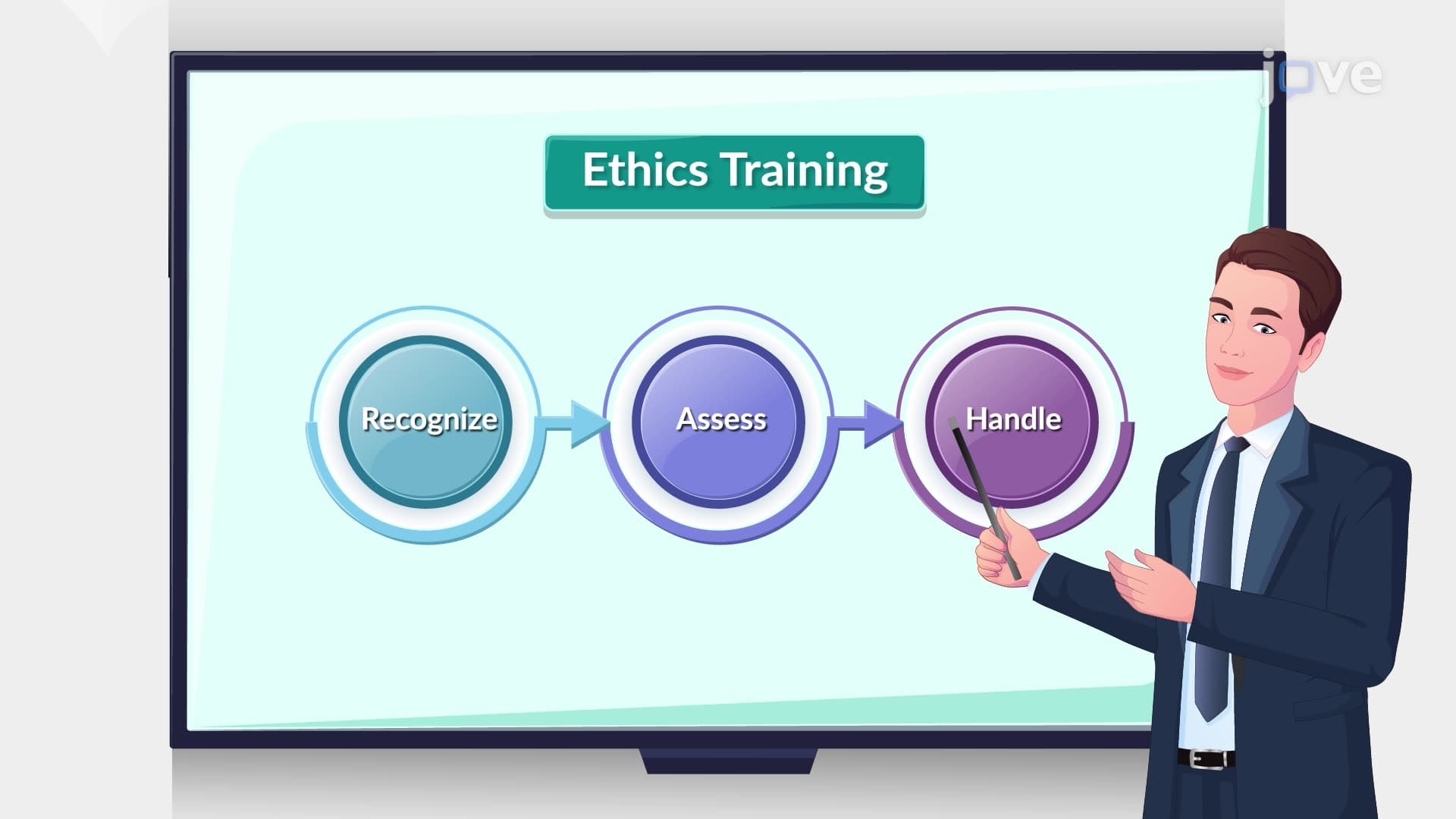
No specialized ethics training is required, but successful application demands strong analytical skills and emotional intelligence. Most effective business leaders develop these capabilities through practical experience in client management, team leadership, and stakeholder communications rather than formal academic study.
Leaders who demonstrate ethical influence capabilities typically earn higher stakeholder trust, reduce regulatory risks, and create sustainable business results. These competencies become increasingly valuable in senior roles where decision-making affects multiple constituencies and long-term organizational reputation.
Consider studying organizational behavior patterns, stakeholder management frameworks, and behavioral economics principles. Understanding how cognitive biases affect group decision-making and learning negotiation strategies that create mutual value represent natural next steps for business professionals.
Related Micro-courses