Loading subject page…

- Finance
- Financial Ethics
- Ethics-Related Individual Characteristics
Micro-course: Financial Ethics
3,390 views
Learn key concepts and earn your certificate.


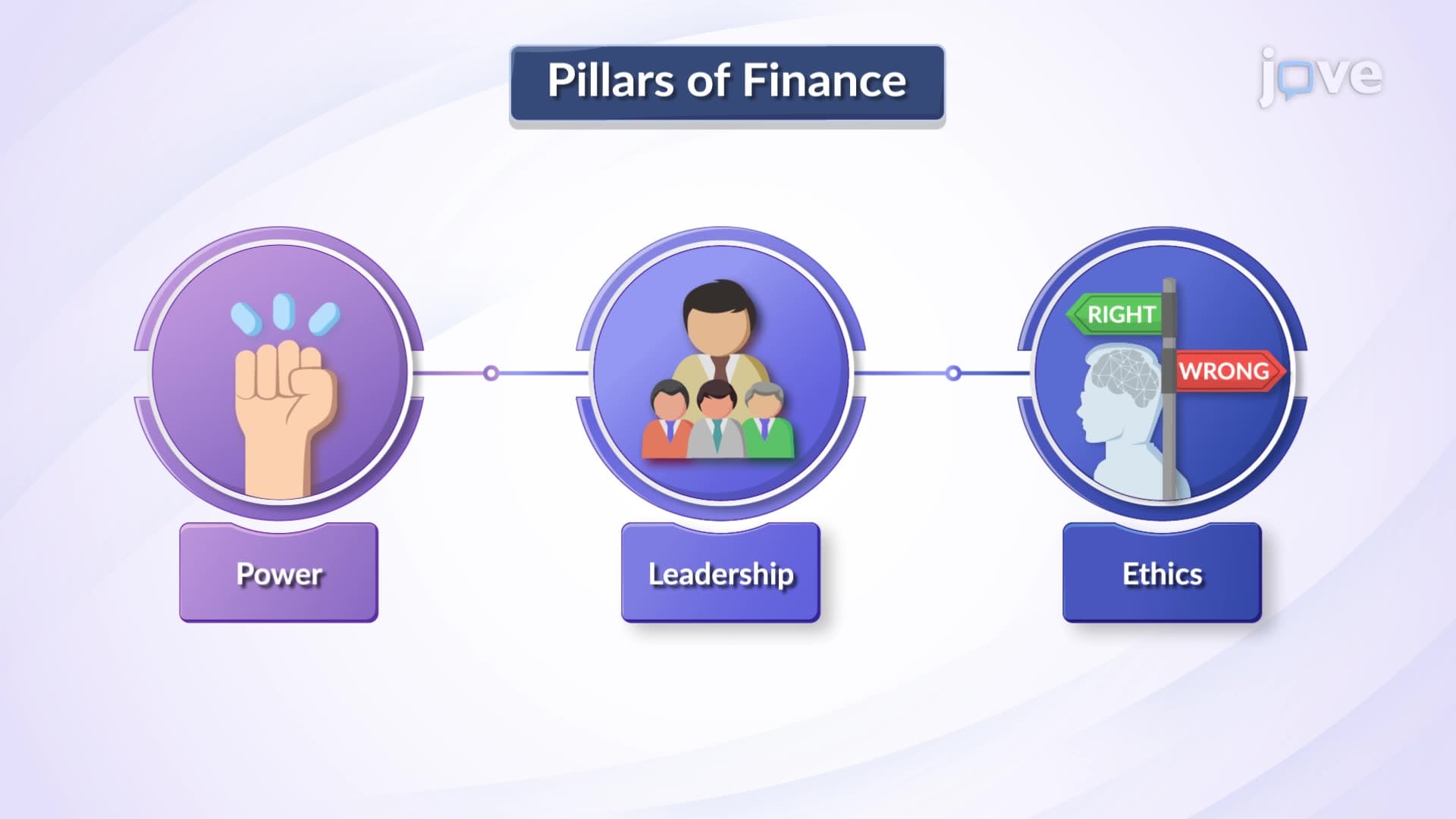
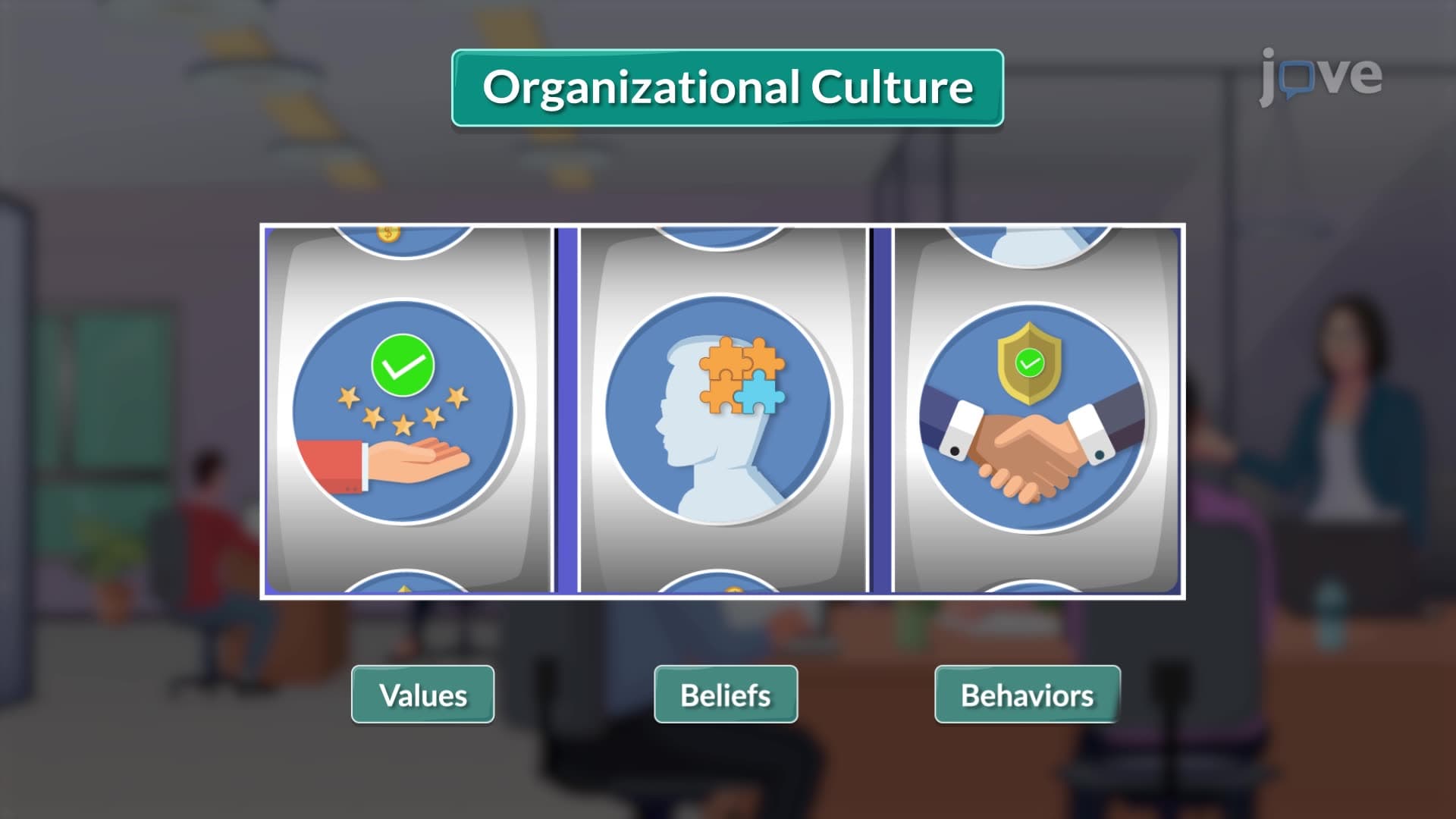
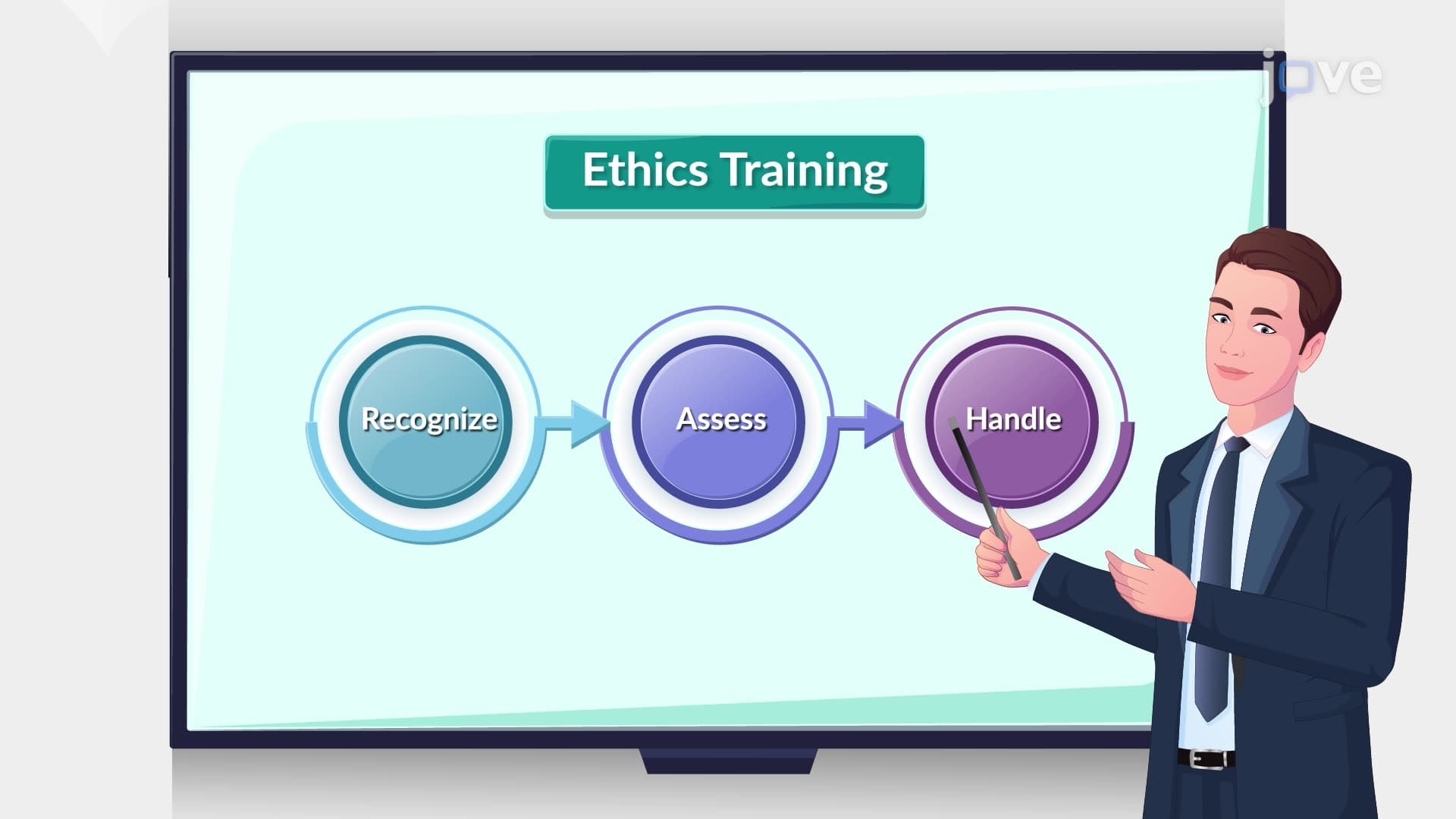
Ethics-Related Individual Characteristics

00:00
01:18
Video Summary: What Is Ethics Related Individual Characteristics
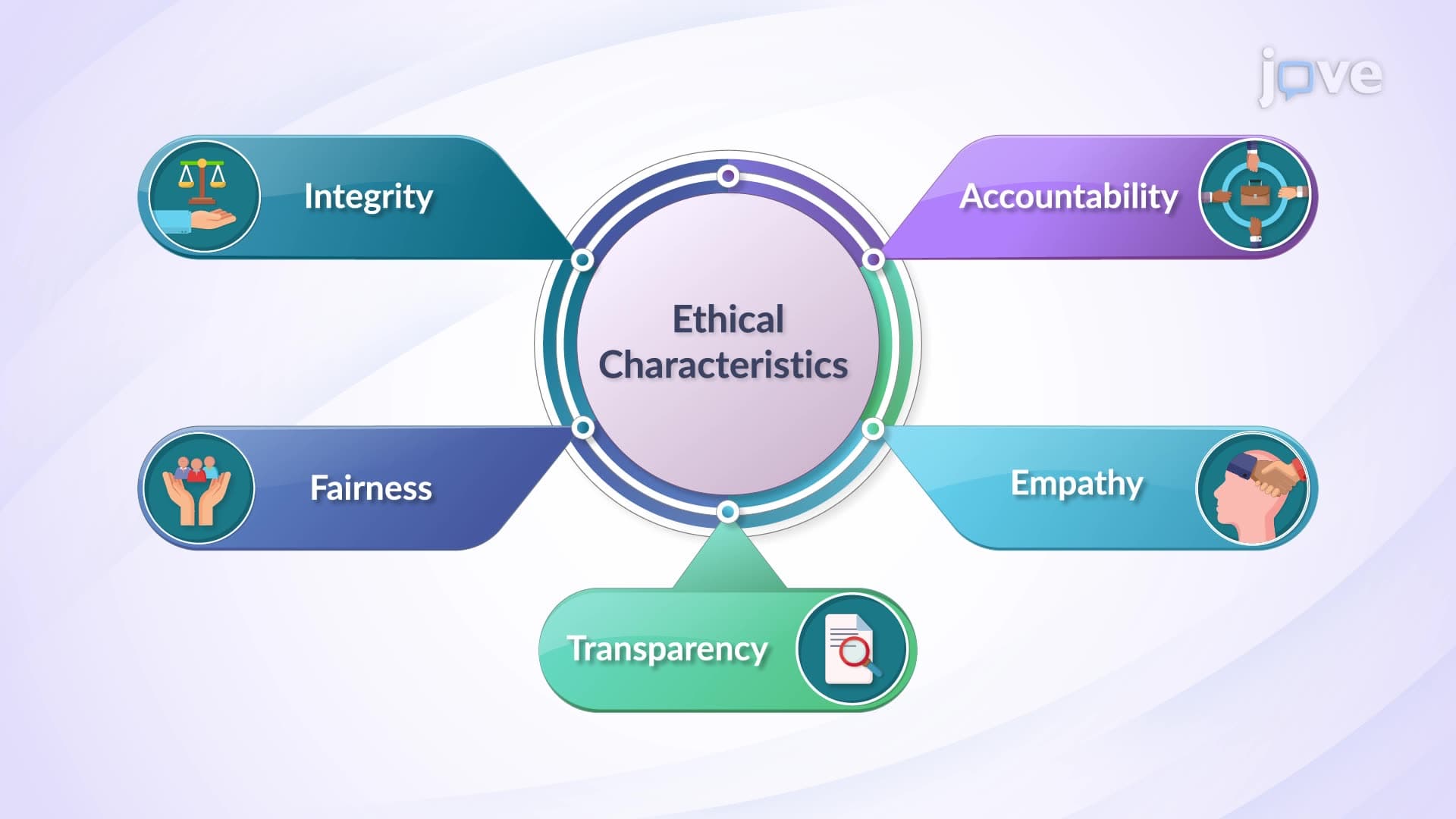
Modern business leaders face mounting pressure to navigate complex ethical dilemmas while maintaining competitive advantage. Ethics related individual characteristics serve as the cornerstone of responsible decision-making in today's corporate environment. Consider how leaders at companies like Johnson & Johnson have leveraged integrity and transparency to rebuild trust after product recalls. What is Ethics Related Individual Characteristics encompasses five core traits-integrity, accountability, fairness, empathy, and transparency-that enable professionals to make principled decisions under pressure. Watch the full video on JoVE Coach to master this concept with expert-led visuals and step-by-step explanations.
- Apply integrity-based decision frameworks when facing conflicts between profit margins and stakeholder welfare
- Evaluate organizational policies through the lens of transparency and accountability to identify potential ethical blind spots
- Implement empathy-driven leadership strategies that consider diverse stakeholder perspectives in strategic planning
- Analyze ethical dilemmas using structured approaches that balance personal values with business objectives
- Assess the long-term reputational and financial impact of ethical choices on organizational performance
- Leverage fairness principles to create equitable team dynamics and customer relationship management
- Identify early warning signs of ethical lapses within organizational processes and supply chains
- Apply ethical characteristic frameworks to enhance personal brand and leadership credibility in competitive markets
Understanding Ethics Related Individual Characteristics in Business Leadership
Corporate America has witnessed numerous high-profile ethical failures that destroyed billions in shareholder value-from Wells Fargo's fake account scandal to Boeing's 737 MAX crisis. These cases underscore why ethics related individual characteristics have become critical competencies for business professionals at every level.
The Five Pillars of Ethical Business Character
Integrity forms the foundation of sustainable business relationships. It means aligning actions with stated values, even when no one is watching. Microsoft's transformation under Satya Nadella exemplifies this principle-the company shifted from a cutthroat competitive culture to one emphasizing collaboration and ethical AI development.
Accountability extends beyond taking responsibility for mistakes to proactively owning outcomes and their broader implications. When Amazon faced criticism over warehouse working conditions, leaders who demonstrated accountability didn't just issue statements-they invested billions in safety improvements and wage increases.
Fairness in business contexts involves equitable treatment of employees, customers, and partners while maintaining competitive advantage. This includes fair pricing strategies, unbiased hiring practices, and transparent performance evaluations that build trust across stakeholder groups.
Empathy has evolved from a "soft skill" to a strategic capability. Leaders at companies like Salesforce leverage empathy to understand customer pain points, anticipate market needs, and create inclusive workplace cultures that drive innovation and retention.
Implementing Ethical Characteristics in Strategic Decision-Making
Transparency serves as both an operational principle and a competitive differentiator. Companies like Patagonia have built entire business models around radical transparency, from supply chain disclosure to environmental impact reporting, creating customer loyalty and premium pricing power.
The integration of these characteristics creates what business researchers call "ethical resilience"-the ability to maintain principled decision-making under pressure while achieving business objectives. This resilience becomes particularly valuable during crisis management, merger negotiations, and market downturns when stakeholder trust directly impacts business continuity.
Smart professionals recognize that ethics related individual characteristics aren't constraints on business success-they're enablers of sustainable competitive advantage in an increasingly interconnected and transparent marketplace.
Frequently Asked Questions
Ethics related individual characteristics are five core personal qualities-integrity, accountability, fairness, empathy, and transparency-that guide professional decision-making in complex business situations. These traits help leaders balance stakeholder interests while achieving organizational objectives. They serve as internal compasses for navigating moral challenges in competitive markets.
Start by conducting a stakeholder impact analysis to understand long-term consequences versus short-term gains. Use transparency to communicate trade-offs honestly with your team and leadership. Document your decision-making process to demonstrate accountability, and consider how empathy for affected parties might reveal alternative solutions that satisfy both ethical standards and business needs.
Teams led by ethically-grounded managers consistently outperform in trust metrics, retention rates, and innovative problem-solving. When you demonstrate integrity and fairness, team members feel psychologically safe to raise concerns and suggest creative solutions. This transparency reduces costly errors and rework while building the collaborative culture that drives sustainable high performance.
After the 2008 financial crisis, JPMorgan Chase CEO Jamie Dimon exemplified these characteristics by accepting accountability for the bank's role while implementing transparent reporting practices and fair lending reforms. His emphasis on integrity in stakeholder communications and empathy for affected customers helped rebuild trust and positioned the bank as a industry leader in corporate governance.
No specialized background is required-these are learnable professional competencies that strengthen with practice and reflection. Most successful business leaders develop these characteristics through experience, mentorship, and intentional application in daily decision-making. The key is consistent practice and willingness to learn from both successes and ethical challenges.
Professionals known for strong ethical characteristics consistently earn higher trust ratings from colleagues and superiors, leading to increased responsibility and advancement opportunities. In today's business environment, boards and executive teams actively seek leaders who can navigate complex stakeholder relationships while maintaining organizational integrity. These skills become increasingly valuable as you advance to roles involving greater decision-making authority and public visibility.
Consider studying stakeholder capitalism and ESG (Environmental, Social, Governance) frameworks, which provide systematic approaches for applying ethical characteristics to strategic business decisions. Understanding how these characteristics translate into measurable business outcomes will enhance your ability to advocate for ethical practices while demonstrating clear value to organizational leadership.
Related Micro-courses