Loading subject page…


3,391 views

Video Summary: What Is Organizational Culture and Ethics
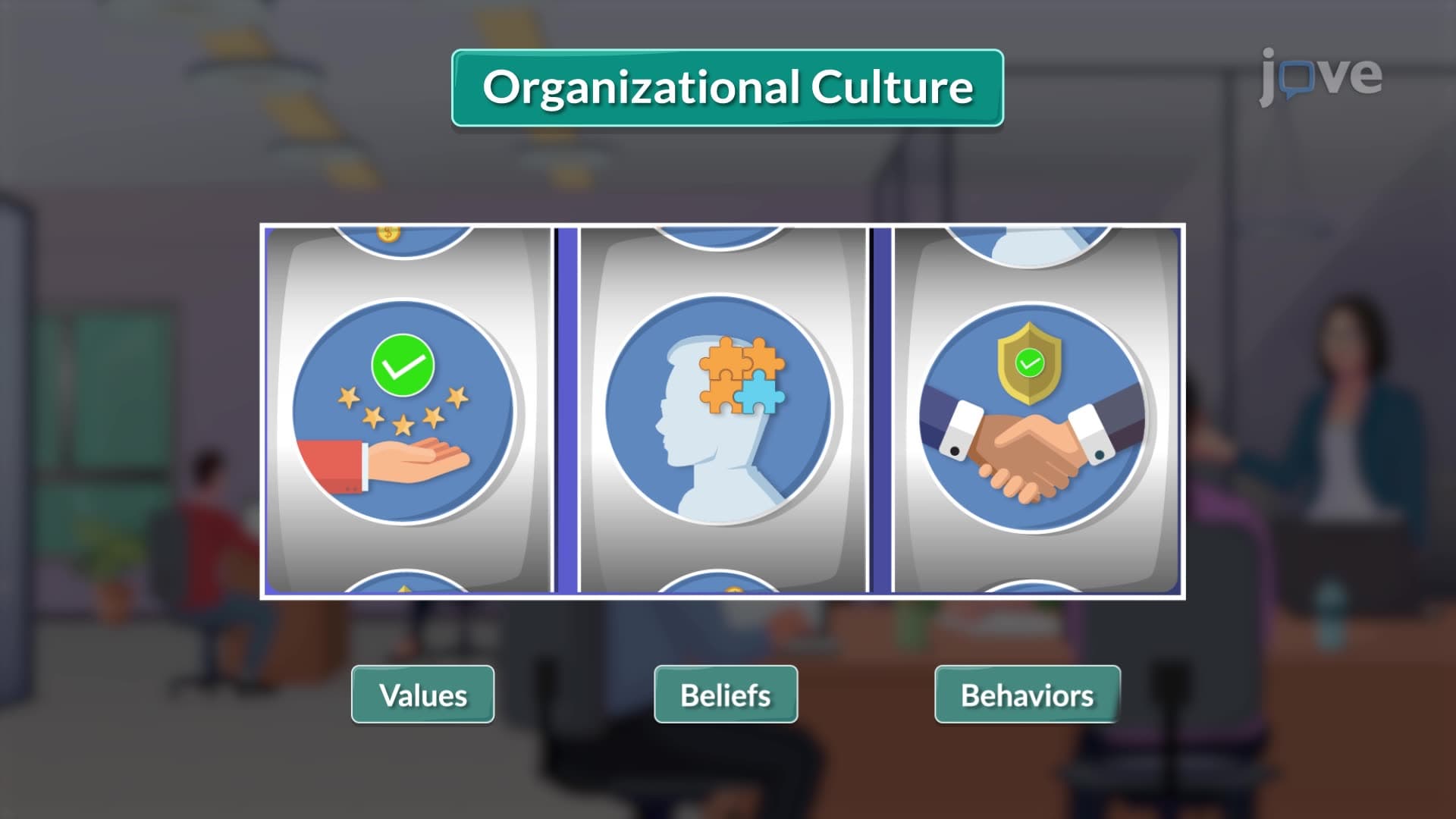
Modern organizations face mounting pressure to balance profitability with ethical standards, making organizational culture ethics a critical leadership competency. Organizational culture ethics encompasses the values, beliefs, and behavioral norms that guide moral decision-making across all levels of an enterprise. Financial services firms like Wells Fargo have demonstrated how misaligned incentive structures can lead to widespread ethical breaches, while companies like Patagonia showcase how embedded ethical frameworks drive both performance and reputation. Watch the full video on JoVE Coach to master this concept with expert-led visuals and step-by-step explanations.
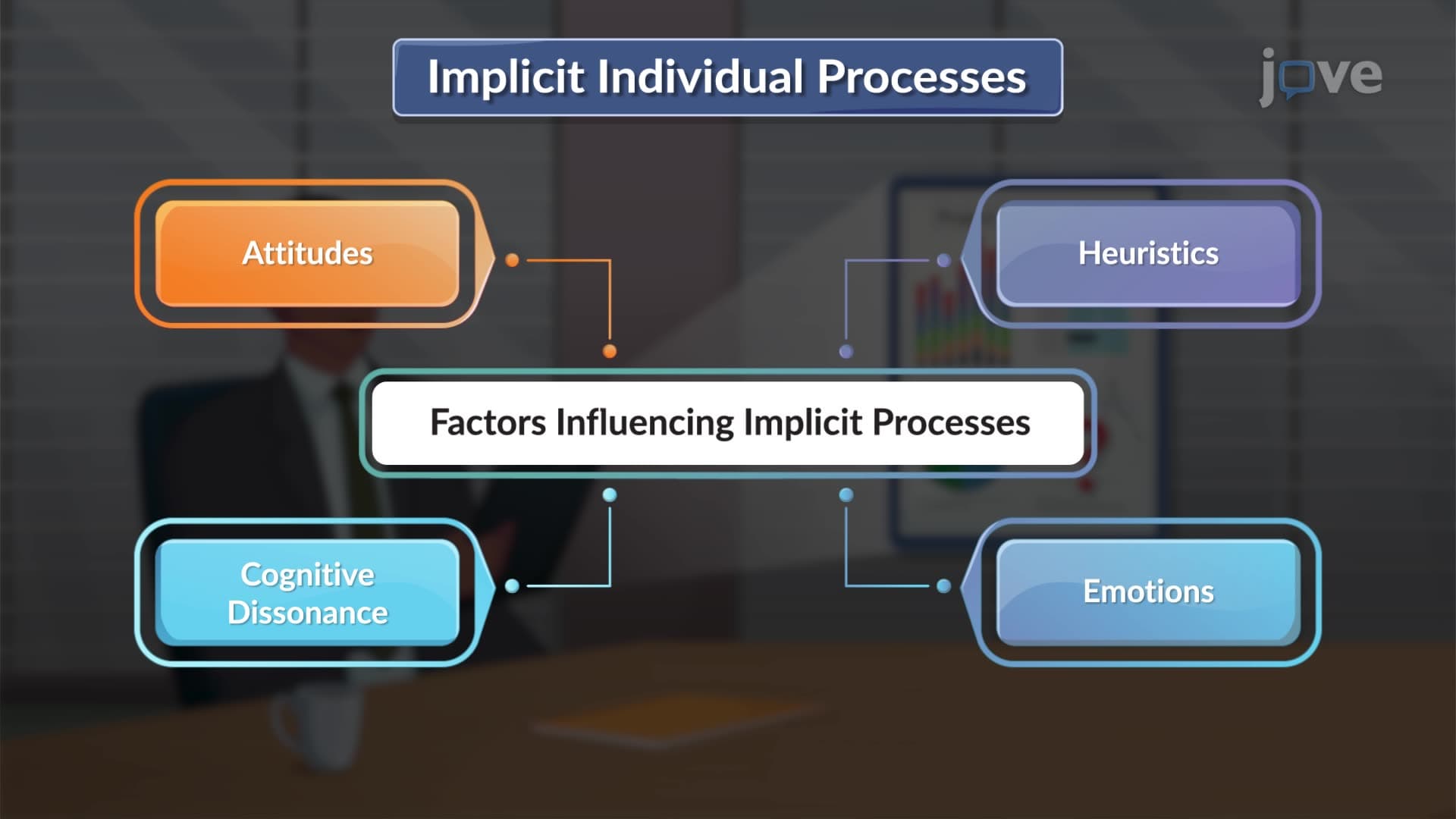
The intersection of organizational culture and ethics represents one of the most critical management challenges facing today's business leaders. When JPMorgan Chase faced the "London Whale" trading scandal in 2012, the incident highlighted how even well-established firms can experience ethical breakdowns when cultural pressures override risk management principles. Organizational culture ethics encompasses the embedded systems, values, and behavioral norms that either support or undermine ethical decision-making throughout an enterprise.
Strong ethical cultures don't emerge accidentally-they require deliberate architecture and continuous reinforcement. Companies like Johnson & Johnson have built their reputation on the foundation of their Credo, which explicitly prioritizes stakeholder responsibilities in order: customers, employees, communities, and shareholders. This hierarchical framework provides clear guidance during ethical dilemmas and has guided the company through numerous crises, including the Tylenol poisoning incidents of the 1980s.
The business case for ethical culture extends beyond compliance. Research consistently demonstrates that organizations with strong ethical cultures experience lower employee turnover, reduced regulatory penalties, enhanced customer loyalty, and improved financial performance over time. These outcomes stem from increased trust-both internally among employees and externally with stakeholders.
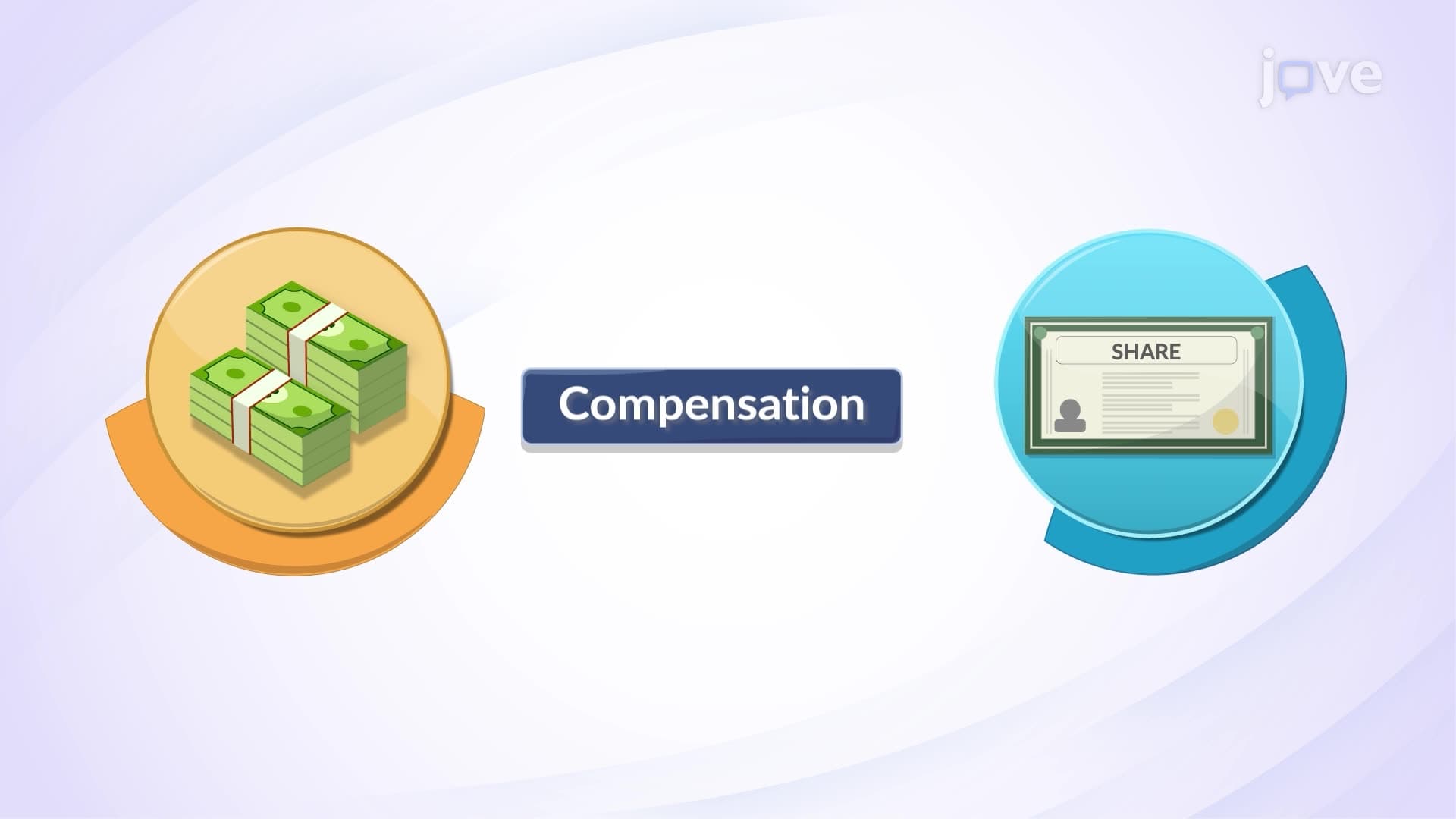
Creating sustainable ethical culture requires systematic intervention across multiple organizational levels. Compensation structures must align with ethical outcomes, not just financial metrics. After the 2008 financial crisis, many major banks restructured executive compensation to include long-term performance measures and clawback provisions that hold leaders accountable for ethical lapses.
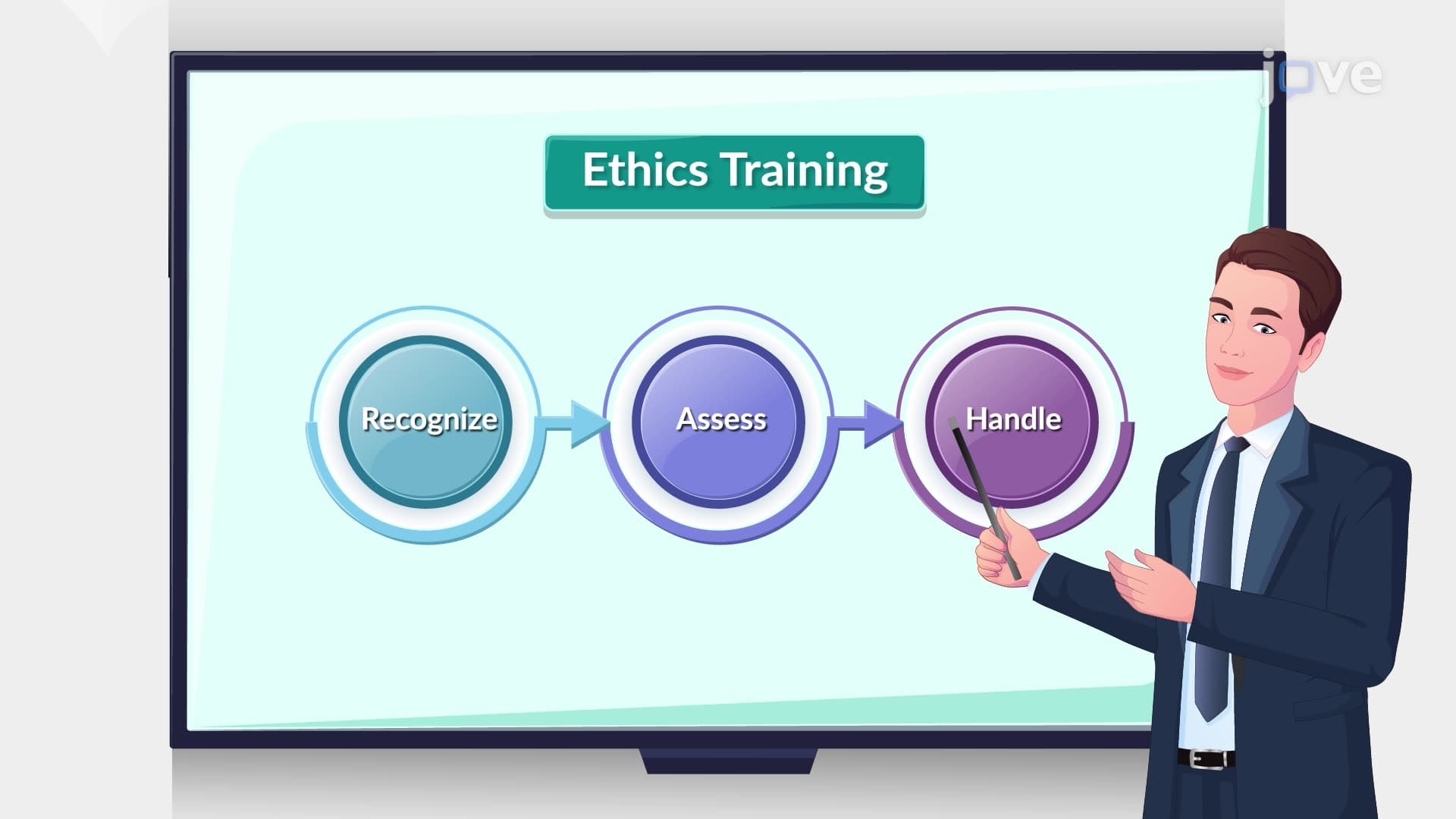
Training programs must move beyond compliance checklists to address real workplace scenarios. Effective programs use case studies, role-playing, and decision trees that help employees navigate gray areas. Microsoft's approach includes regular "culture conversations" where teams discuss ethical dilemmas specific to their work context, creating ongoing dialogue rather than one-time events.
Leading organizations implement comprehensive measurement systems that track both leading and lagging indicators of ethical culture. Employee survey data, ethics hotline usage patterns, and behavioral observation metrics provide early warning signals of cultural drift. Companies like Salesforce conduct regular "Ohana Culture Surveys" that specifically measure trust, equality, and ethical climate alongside traditional engagement metrics.
Related Micro-courses