Loading subject page…

- Introduction to Psychology
- Sensation and Perception
- Depth Perception and Spatial Vision
Micro-course: Sensation and Perception
14,522 views
Learn key concepts and earn your certificate.













Depth Perception and Spatial Vision


00:00
01:15
Video Summary: Depth Perception and Spatial Vision Explained
Ever wonder how Major League Baseball players can hit a 95-mph fastball with pinpoint accuracy? The visual system's remarkable depth perception abilities allow us to judge distances and navigate three-dimensional space with incredible precision. This complex neurological process combines binocular cues like convergence and disparity with monocular cues such as linear perspective to create our spatial awareness. From catching a football to parallel parking, depth perception and spatial vision explained reveals how our brains transform flat retinal images into rich 3D experiences. Watch the full video on JoVE Coach to master this concept with expert-led visuals and step-by-step explanations.
- Understand how depth perception and spatial vision explained encompasses both binocular and monocular visual processing mechanisms
- Identify the key differences between convergence and binocular disparity in three-dimensional object perception
- Analyze how monocular cues like linear perspective and texture gradients create depth illusions in two-dimensional images
- Compare the relative contributions of binocular versus monocular depth cues in various visual scenarios
- Evaluate the role of eye positioning and neural processing in creating accurate spatial representations
- Apply knowledge of depth perception principles to understand common visual illusions and artistic techniques
- Recognize how depth perception deficits can impact daily activities like driving and sports performance
- Explore the evolutionary advantages of sophisticated depth perception in human survival and navigation
Understanding Depth Perception And Spatial Vision Fundamentals
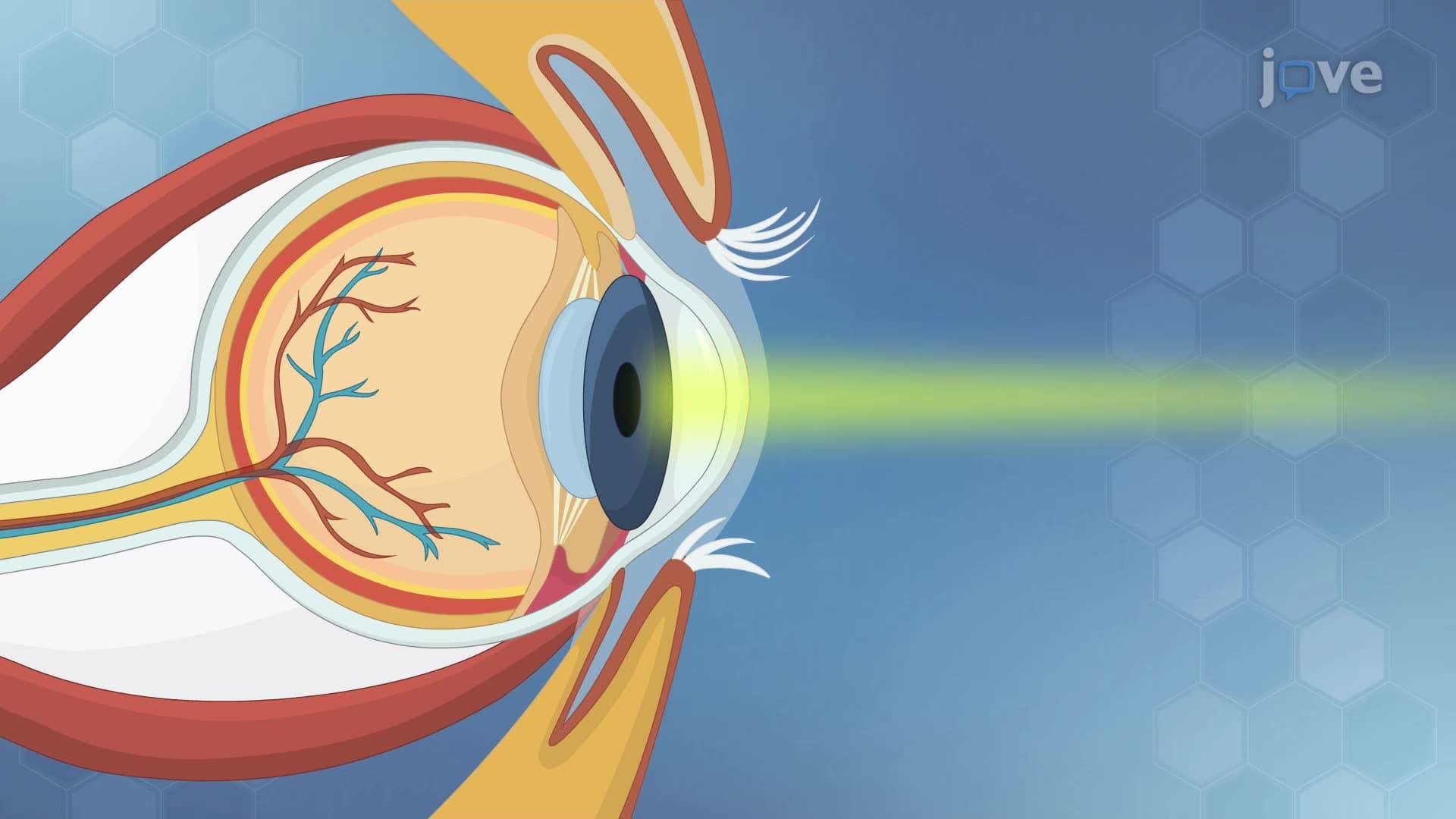
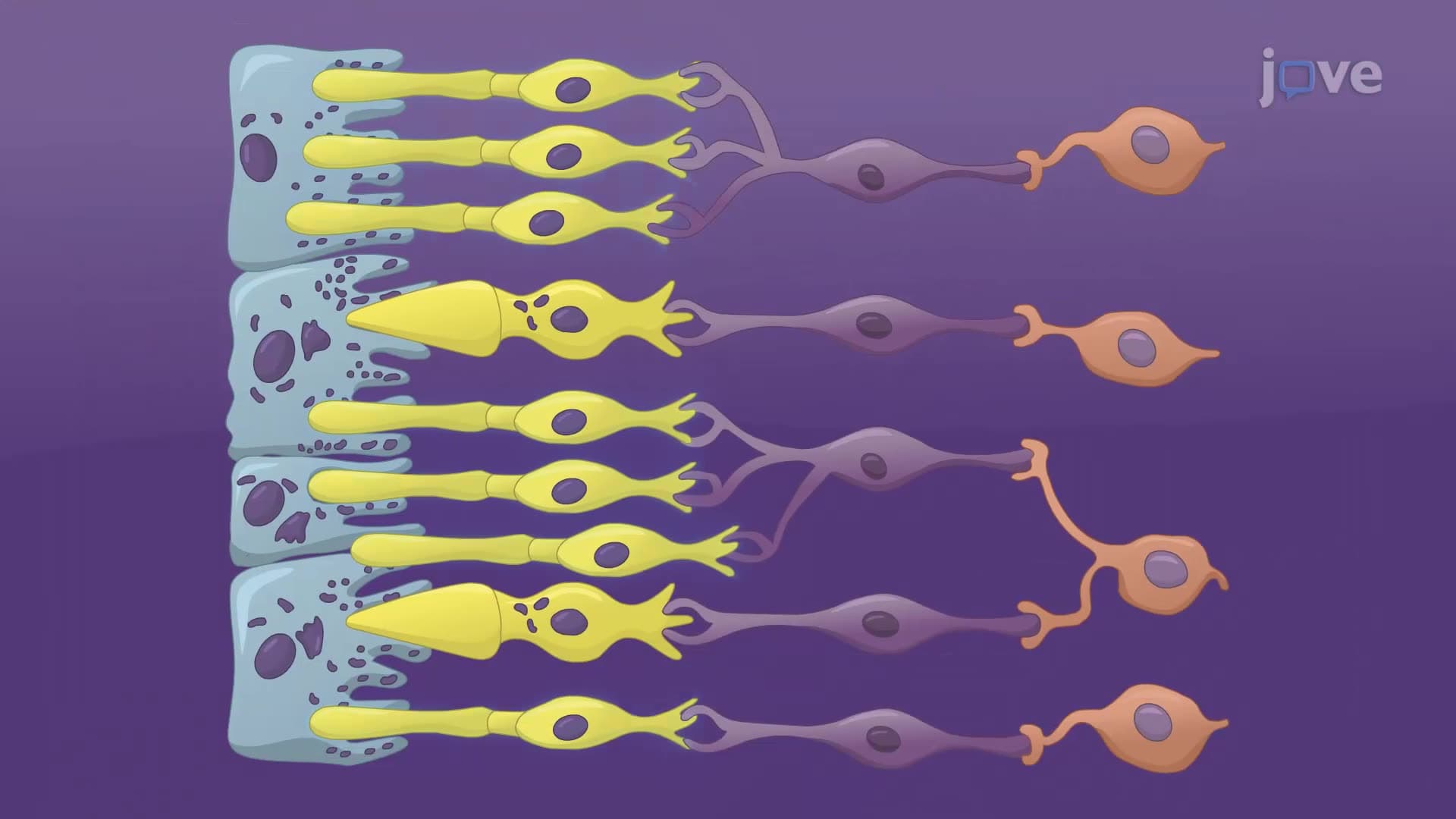
The visual system represents one of our most sophisticated sensory mechanisms, transforming two-dimensional retinal images into rich three-dimensional perceptions of our environment. This remarkable process involves complex neural computations that integrate multiple visual cues to create accurate spatial representations essential for survival and daily functioning.
Binocular Depth Cues: The Power of Two Eyes
Binocular depth perception relies on the slightly different perspectives provided by our two eyes, positioned approximately 6.5 centimeters apart. Convergence occurs when both eyes rotate inward to focus on nearby objects-imagine watching a pencil approach your nose and feeling your eyes strain as they turn inward. This muscular feedback provides the brain with distance information.
Binocular disparity, meanwhile, exploits the different images each eye receives. When viewing objects at varying distances, the brain compares these slightly offset images to calculate depth. This principle underlies 3D movie technology and virtual reality systems used in medical training at institutions like Johns Hopkins University. Students studying for the MCAT frequently encounter questions about how binocular disparity contributes to stereoscopic vision and depth judgment.
Monocular Depth Cues: Creating 3D from 2D
Even with one eye closed, we can perceive depth through monocular or pictorial cues. Linear perspective, famously employed by Renaissance artists and evident in photographs of long highways stretching toward the horizon, makes distant objects appear smaller and converging lines suggest depth. Texture gradients provide another powerful cue-notice how individual blades of grass appear distinct nearby but merge into uniform patches at distance.
These principles prove crucial for understanding visual perception questions on AP Psychology exams and college-level cognitive science courses. Students at universities like Stanford and MIT study how artists manipulate these cues to create convincing depth illusions in paintings and digital media.
Clinical and Real-World Applications
Depth perception assessment plays vital roles in various professional fields. Pilots undergo rigorous visual testing to ensure accurate distance judgment during landings at airports like LAX or JFK. Similarly, surgeons rely on precise depth perception during delicate procedures, with medical schools like Harvard incorporating stereoscopic training into their curricula.
Understanding these concepts helps students excel in courses ranging from introductory psychology to advanced neuroscience, providing foundational knowledge for careers in optometry, aviation, sports science, and computer graphics design.
Frequently Asked Questions
Depth perception is your brain's ability to judge distances and see the world in three dimensions using visual cues from both eyes. It combines binocular cues (using both eyes together) and monocular cues (single-eye information) to create your spatial awareness. This system allows you to catch a ball, navigate stairs safely, or judge whether you can fit into a parking space.
The MCAT Psychology section frequently includes questions about binocular disparity, convergence, and monocular cues as part of sensation and perception topics. AP Psychology exams test understanding of how depth cues work together and their role in visual illusions. Students should know specific examples like linear perspective in art and how stereoscopic vision functions.
MCAT questions often link depth perception to neuroanatomy (visual cortex processing), evolutionary psychology (survival advantages), and cognitive psychology (attention and perception). You'll see connections to visual pathway anatomy, binocular rivalry, and how depth perception develops in infants. Practice identifying which brain regions process different types of visual information.
Commercial pilots at American Airlines and Delta must pass strict depth perception tests to safely judge runway distances and aircraft spacing during landing approaches. NBA players rely on precise depth judgment to shoot three-pointers accurately, while NFL quarterbacks need excellent spatial vision to thread passes between defenders. These professionals undergo specialized vision training to maintain peak performance.
Not at all! Depth perception builds on everyday experiences you already have, like catching objects or walking downstairs. The key is connecting familiar activities to the underlying biological mechanisms. Start with simple examples like how your eyes work together, then gradually explore more complex concepts like neural processing and visual illusions.
Create visual study aids showing different depth cues in action-photograph examples of linear perspective, texture gradients, and size constancy around your school or neighborhood. Practice identifying binocular versus monocular cues in artwork and photographs. Use mnemonic devices to remember the different types of depth cues and their specific functions in spatial perception.
VR headsets like those used in medical training programs at UCLA exploit binocular disparity by presenting slightly different images to each eye, mimicking natural depth perception. 3D movies use similar principles to create the illusion of objects jumping off the screen. Understanding these concepts helps explain why some people experience motion sickness with VR technology.
Explore related topics like color vision, visual attention, and perceptual constancies to build comprehensive understanding of the visual system. Advanced students might investigate visual processing disorders, computational models of vision, or how depth perception research influences robotics and artificial intelligence development at institutions like MIT and Stanford.
Related Micro-courses