Loading subject page…


10 Concepts
26 Concepts
24 Concepts
22 Concepts
16 Concepts
20 Concepts
17 Concepts
 22 Concepts
 3.2K Views
 Popular topics











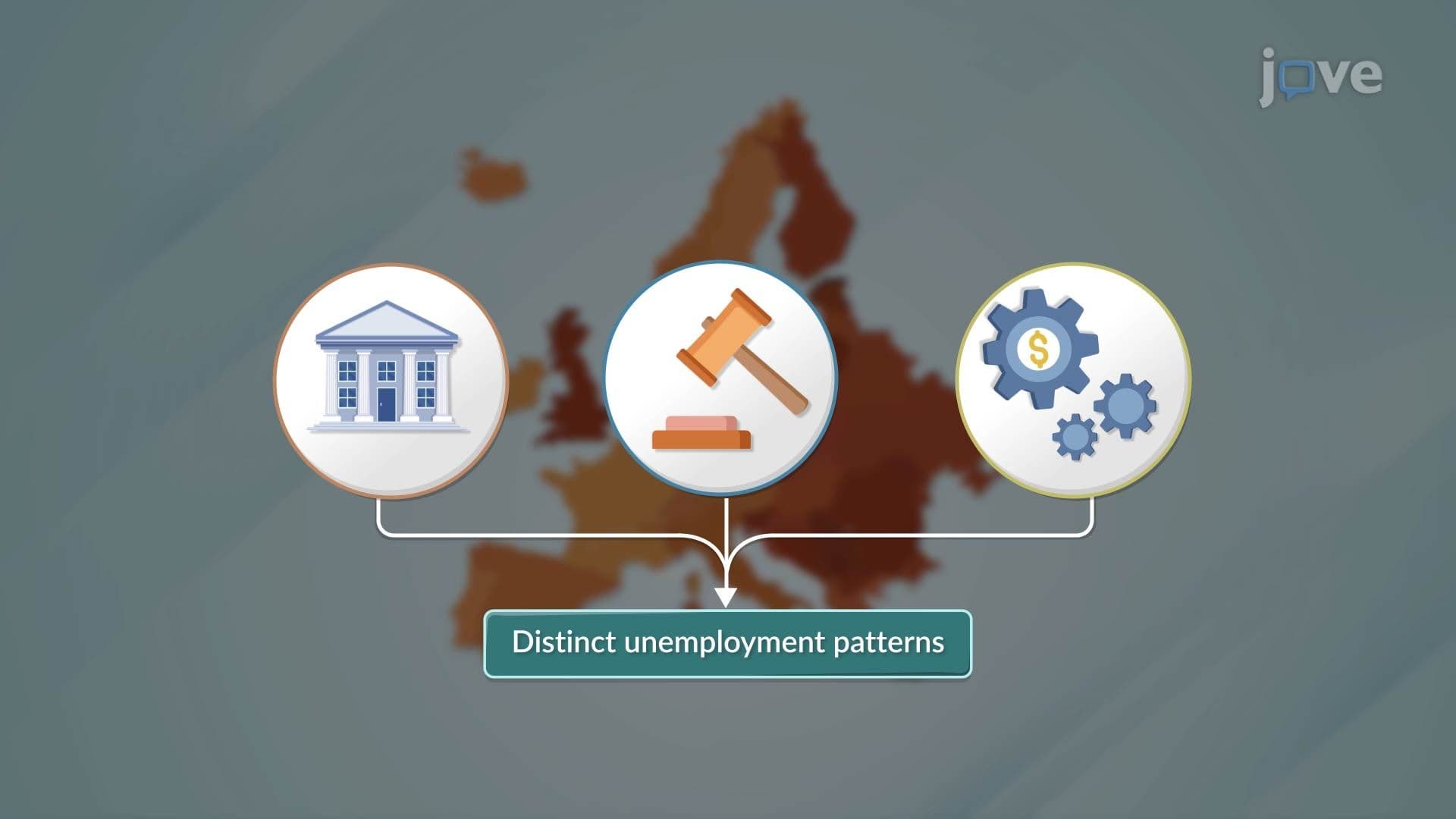

Understanding unemployment: measurement, causes, and policy implications is fundamental to economics education. This comprehensive course examines how the U.S. measures unemployment through household and establishment surveys, explores frictional and structural unemployment types, and analyzes government policies including unemployment insurance and job training programs. Master these concepts with JoVE Coach's expert-designed content.
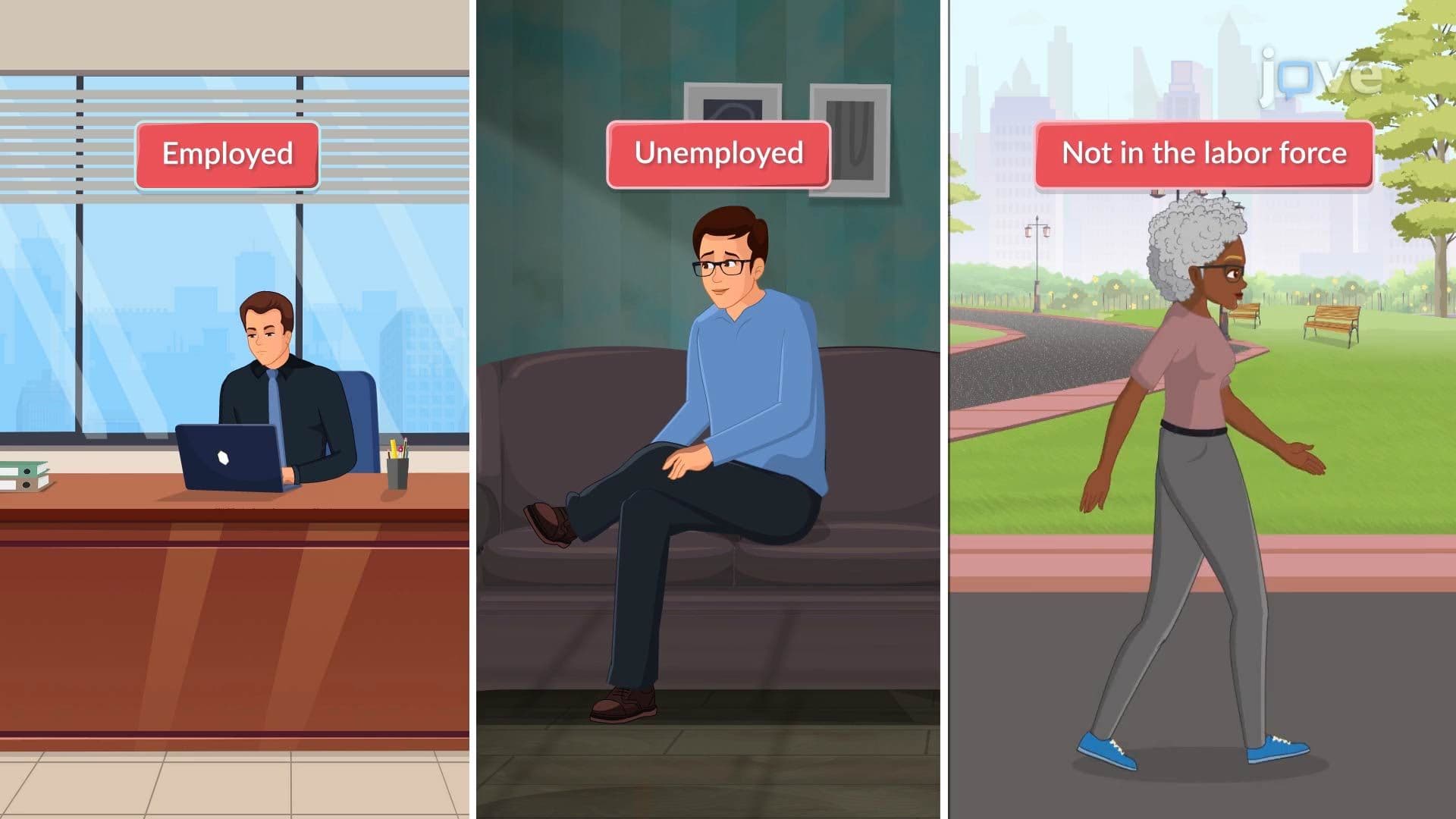
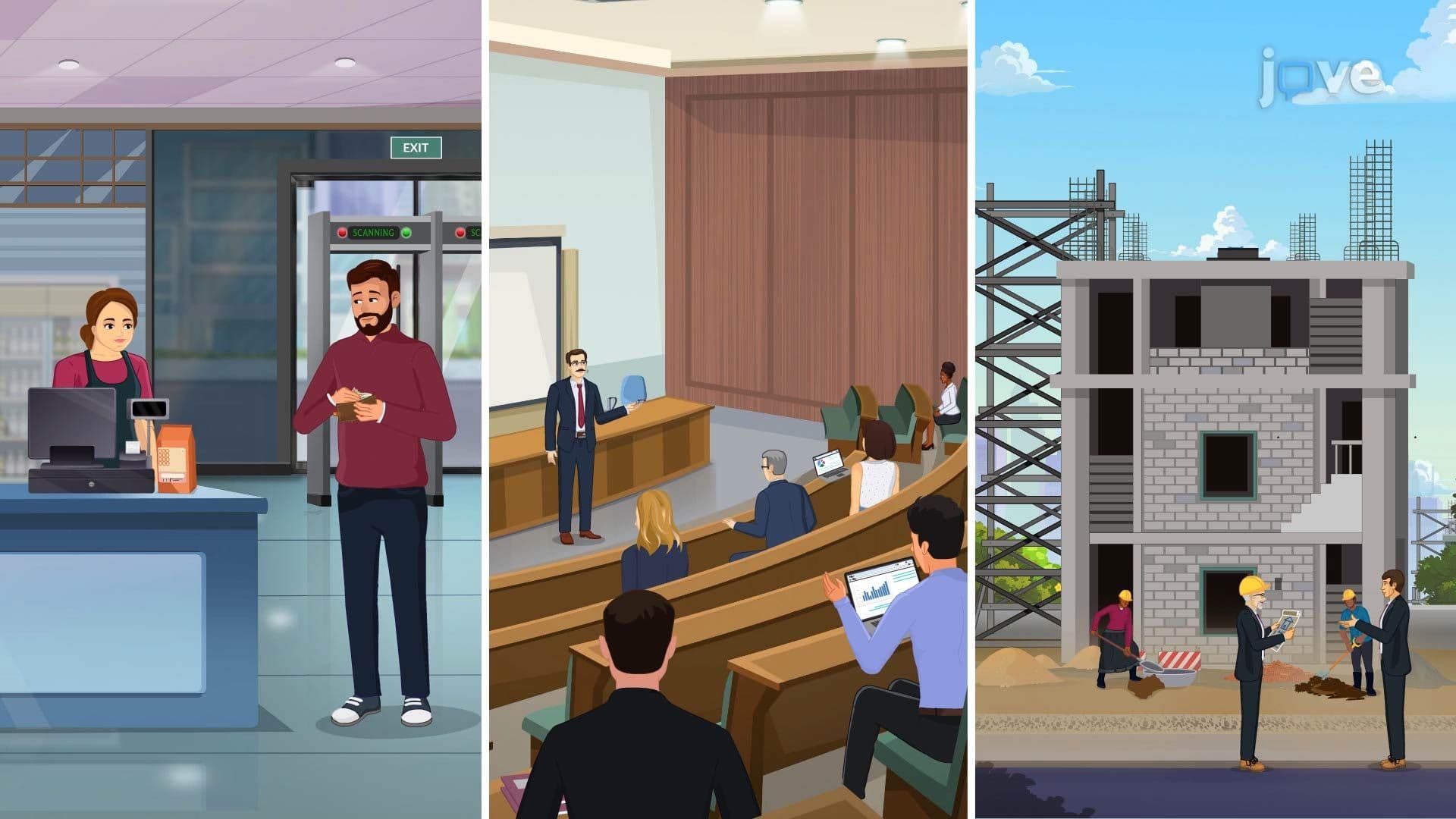
1. Labor Force Measurement and Survey Methods The U.S. Census Bureau conducts the Current Population Survey (CPS) monthly, sampling approximately 60,000 households to measure employment status. This household survey classifies civilians aged 16 and older into three categories: employed (working for pay or temporarily away from jobs), unemployed (actively seeking work), and not in the labor force (retirees, students, discouraged workers). The Bureau of Labor Statistics also uses the Current Employment Statistics (CES) survey of over 100,000 businesses to track payroll employment by industry, providing complementary data that captures different aspects of the labor market.
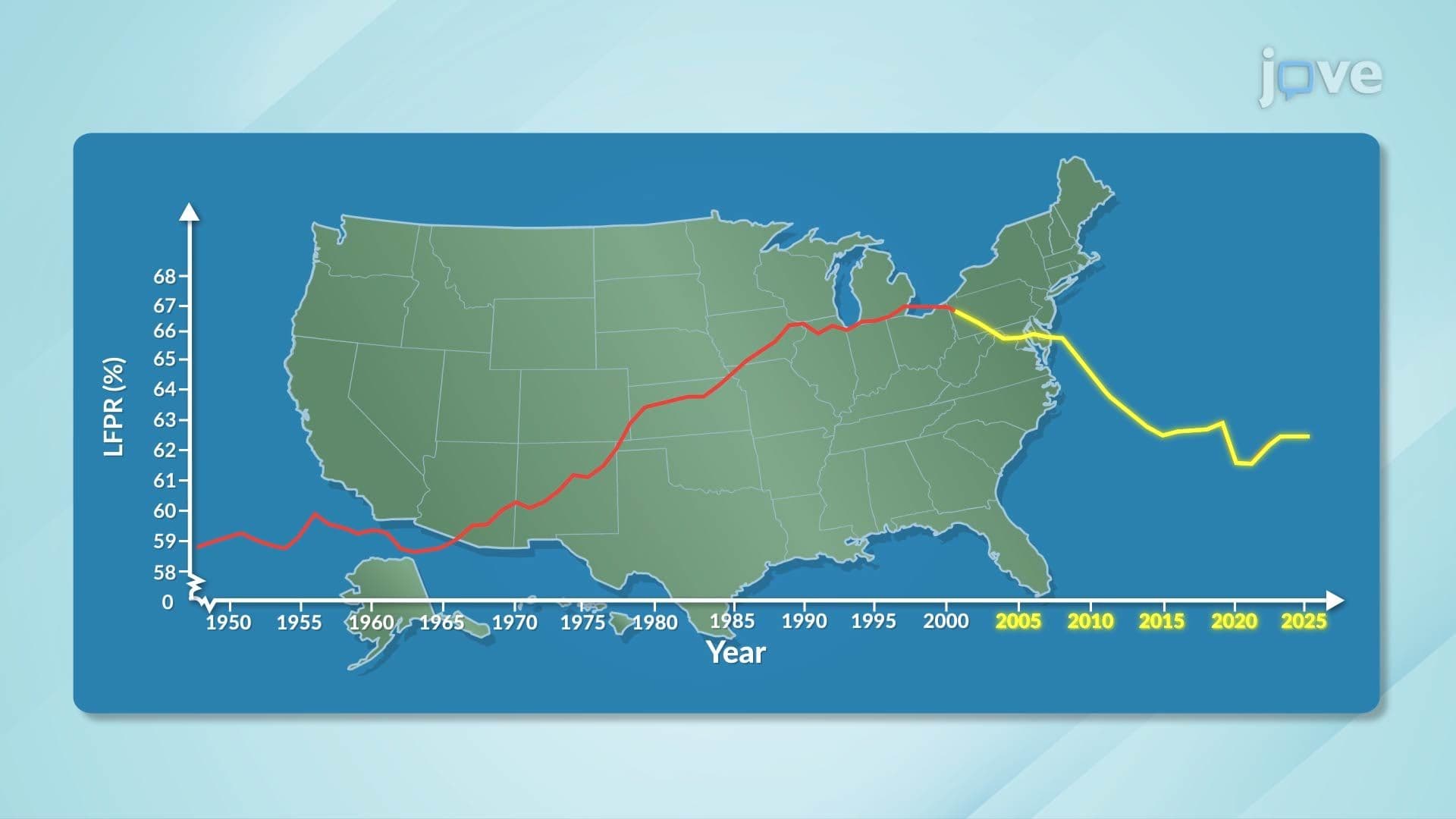
2. Unemployment Rate Calculations and Labor Statistics Key labor market statistics derive from survey data through specific formulas. The labor force equals employed plus unemployed individuals. The unemployment rate equals (unemployed ÷ labor force) × 100. The labor force participation rate equals (labor force ÷ civilian population 16+) × 100. These statistics help economists and policymakers monitor economic health. For example, if 10 million people are unemployed and 160 million are in the labor force, the unemployment rate is 6.25%. Understanding these calculations helps interpret economic reports and policy effectiveness.
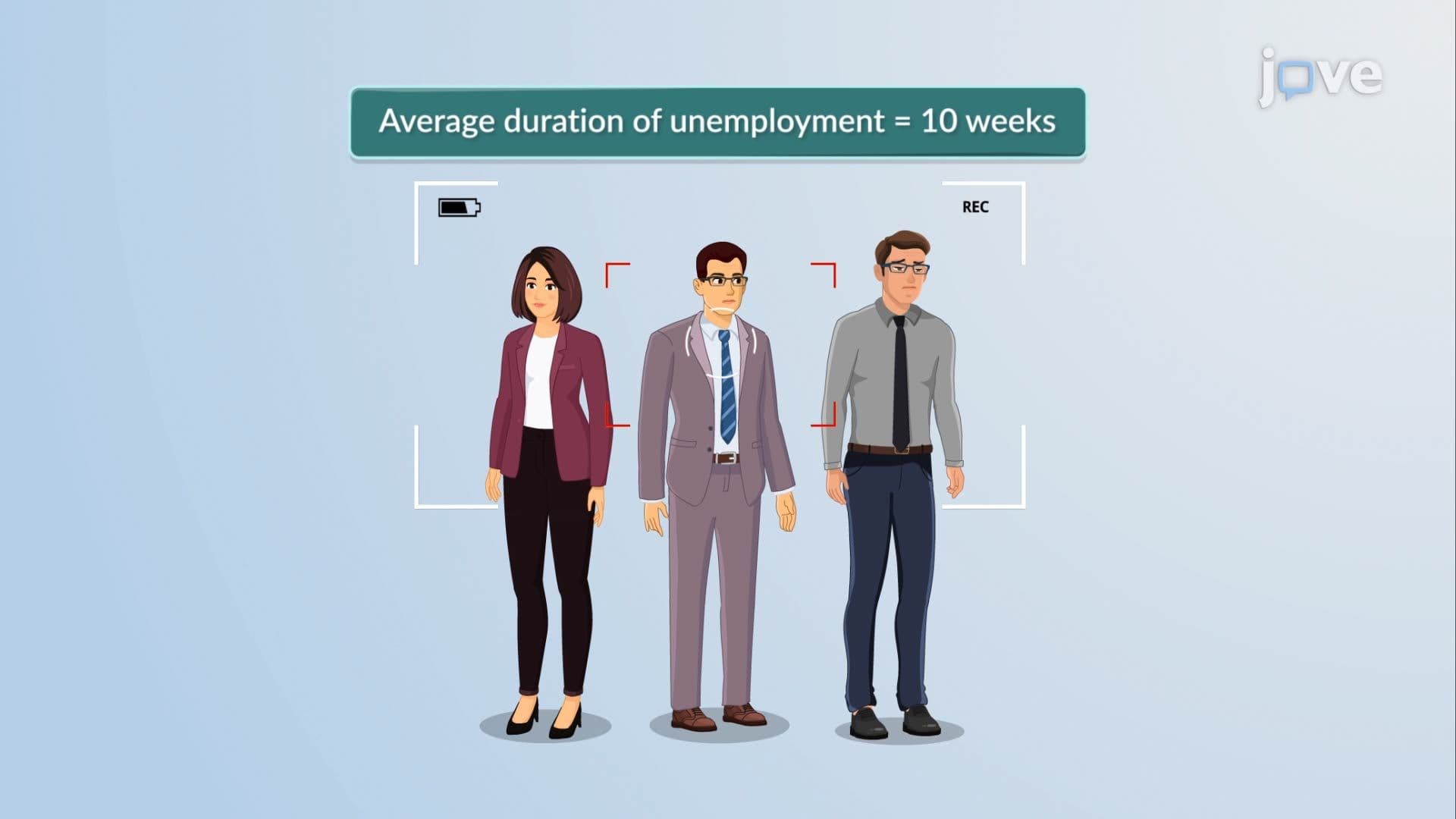
3. Frictional Unemployment: Natural Job Transitions Frictional unemployment occurs during normal job transitions when workers change jobs, enter the workforce, or re-enter after breaks. This temporary unemployment is unavoidable in dynamic economies. Examples include recent college graduates like Emma searching for first jobs, experienced workers like James leaving unsatisfactory positions to find better opportunities, or workers like Alex relocating for family reasons. Even when job openings exist, matching workers to suitable positions takes time for applications, interviews, and decision-making, making frictional unemployment a permanent feature of healthy labor markets.
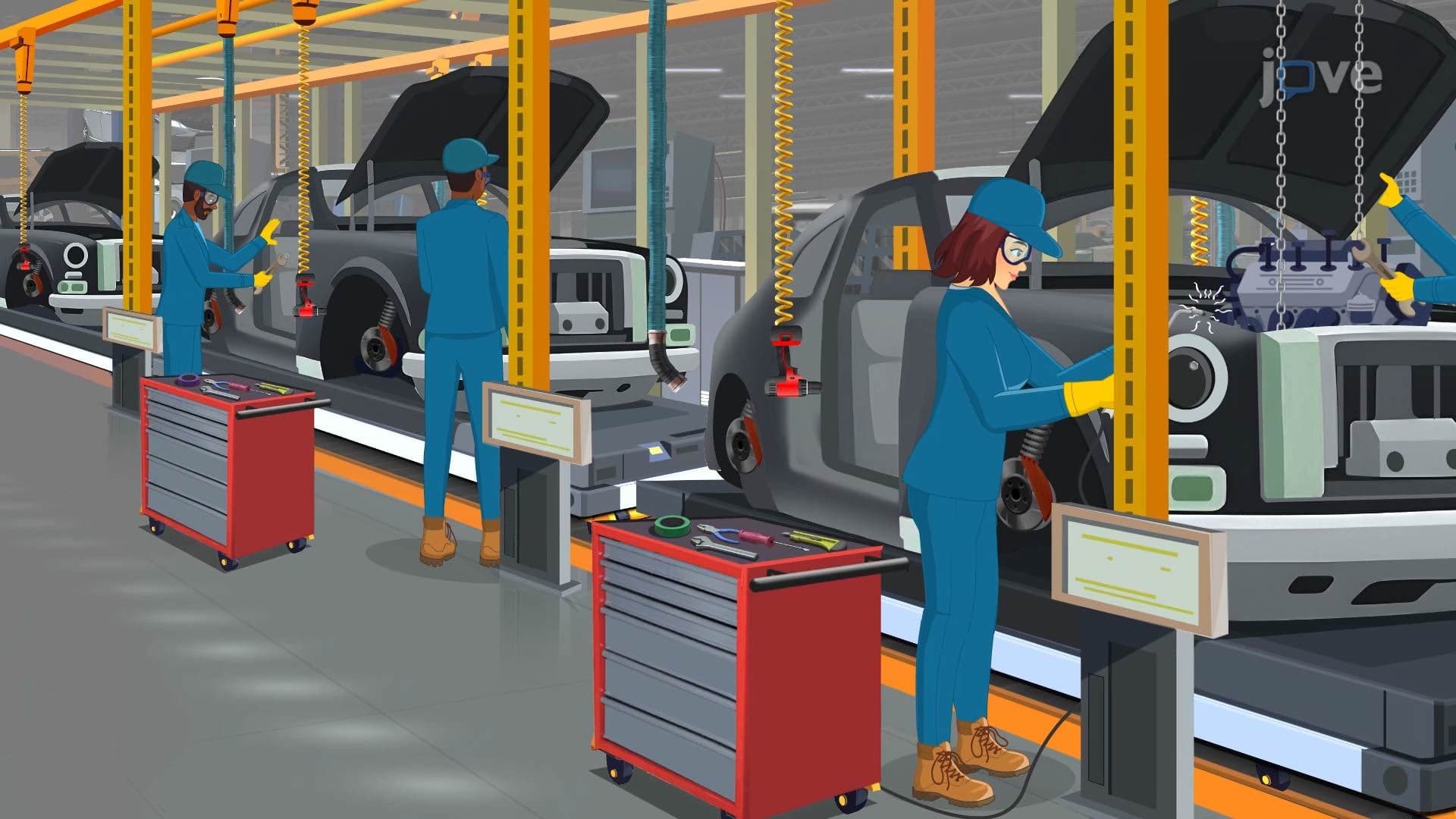
4. Structural Unemployment: Economic Shifts and Skills Mismatches Structural unemployment results from fundamental economic changes that make certain skills obsolete or reduce demand for specific industries. Daniel's experience as a camera sales manager illustrates this concept-smartphone technology eliminated demand for point-and-shoot cameras, creating long-term unemployment for workers whose skills became irrelevant. Unlike frictional unemployment, structural unemployment requires retraining or skill development. Technological advances, changing consumer preferences, and industry shifts create structural unemployment that persists until workers acquire new relevant skills or find employment in growing sectors.
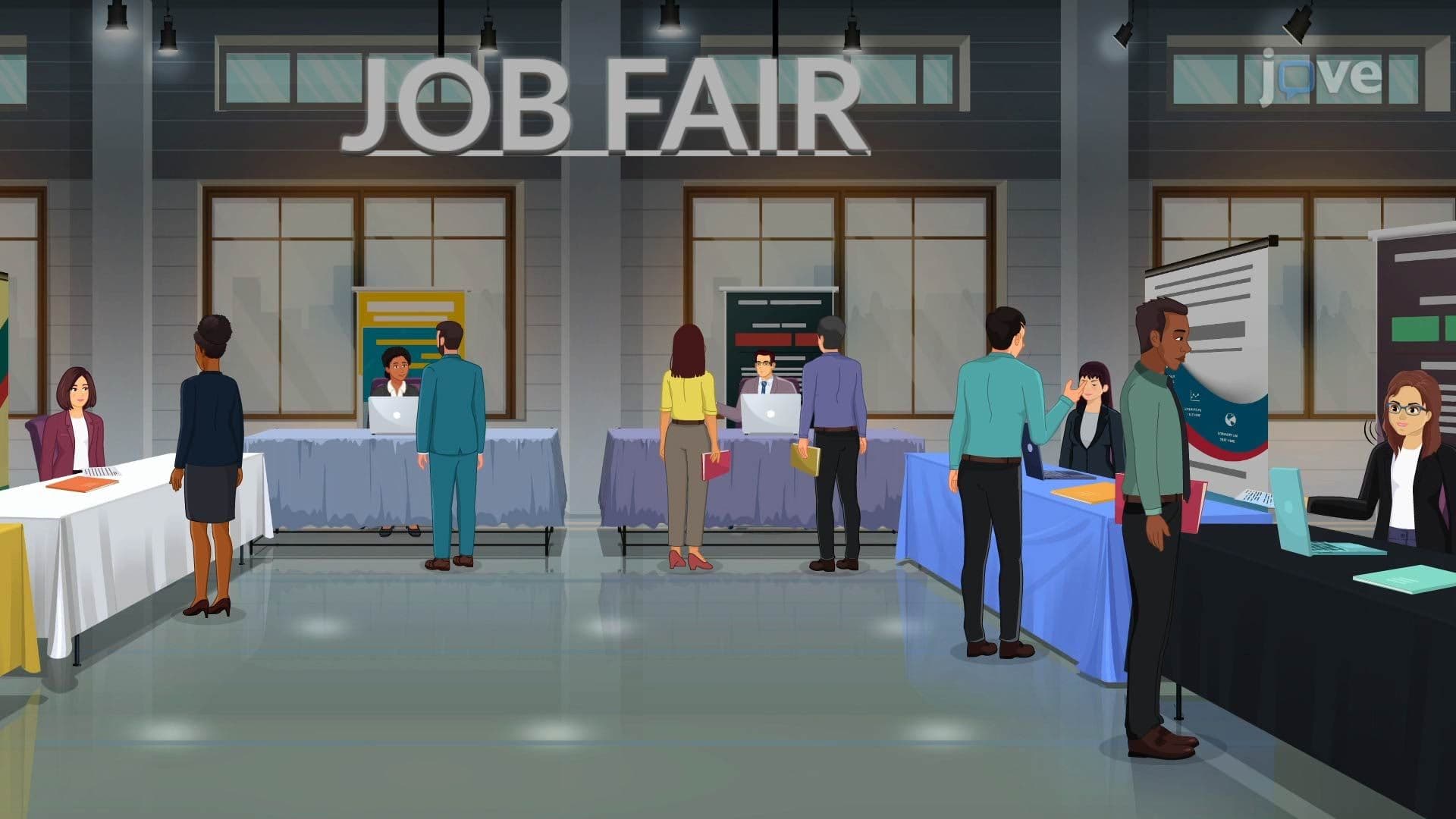
5. Government Employment Policies and Services Federal and state governments implement various programs to reduce unemployment and assist job seekers. CareerOneStop provides online job search tools, career exploration resources, and résumé builders. American Job Centers offer in-person career counseling and job placement services through federal-state partnerships. Job Corps provides residential training for young adults aged 16-24. Government-sponsored job fairs connect employers with job seekers. These services reduce search time, improve job matching, and help workers develop marketable skills, addressing both frictional and structural unemployment through comprehensive workforce development approaches.
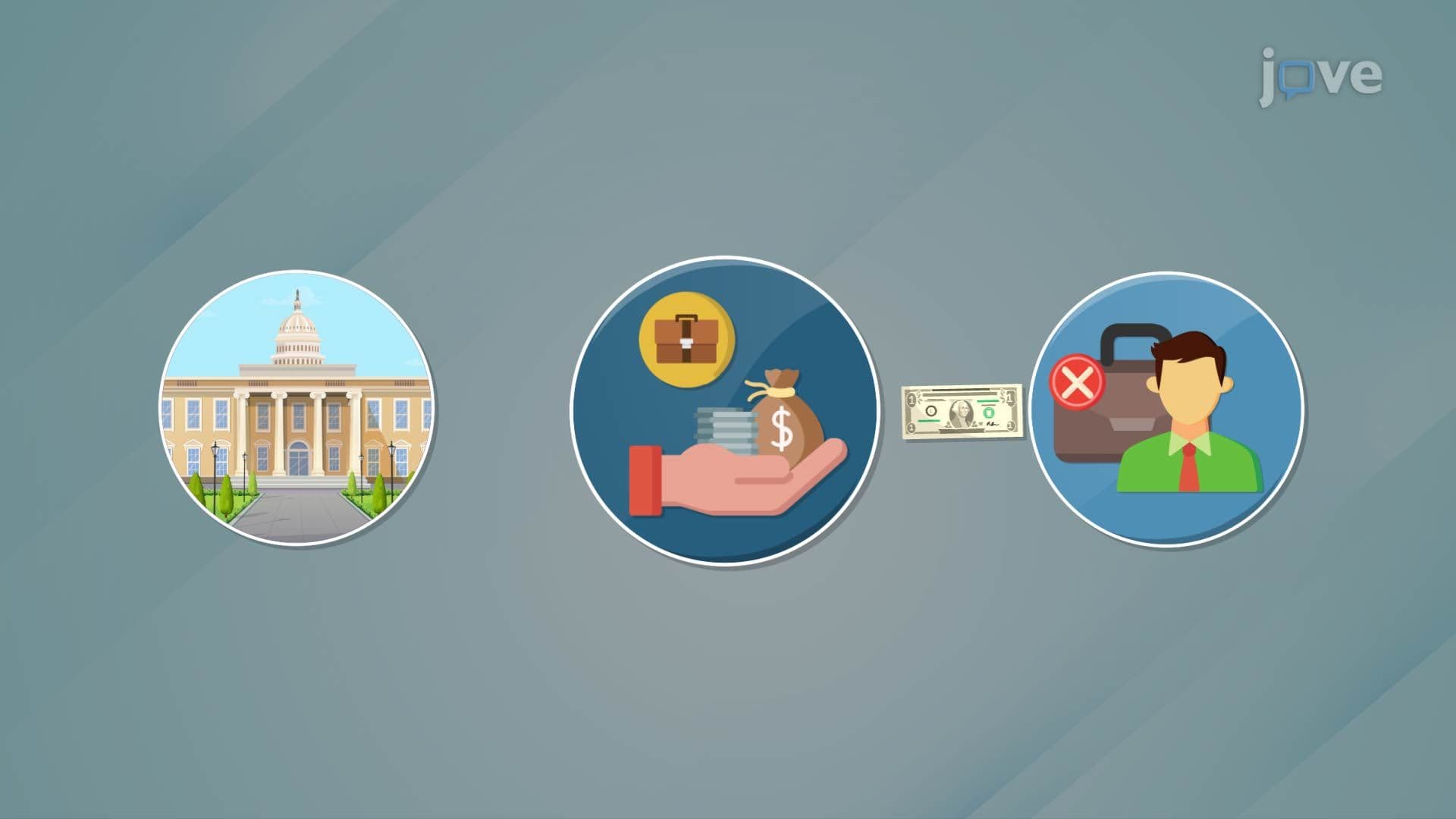
6. Unemployment Insurance: Economic Safety Net and Stabilizer Unemployment insurance provides temporary financial support to eligible workers who lose jobs through no fault of their own, typically offering about half of previous wages for up to 26 weeks. Funded by employer taxes and administered jointly by federal and state governments, benefits vary significantly across states in amount, duration, and eligibility requirements. This system serves dual purposes: helping individuals maintain living standards during job searches and acting as an automatic economic stabilizer during recessions by maintaining consumer spending. However, generous benefits may extend unemployment duration if recipients become selective about job offers.