Loading video…


 22 Concepts
 3.2K views

Video Summary: What Is Structural Unemployment
When Kodak laid off 47,000 employees as digital photography replaced film, it wasn't just a recession-it was structural unemployment reshaping entire industries. Structural unemployment occurs when technological advances or shifting consumer preferences permanently eliminate certain jobs, like how smartphones made point-and-shoot cameras obsolete and left workers like sales manager Daniel seeking entirely new career paths. This fundamental economic concept explains why some unemployment persists even during economic growth. Watch the full video on JoVE Coach to master this concept with expert-led visuals and step-by-step explanations.
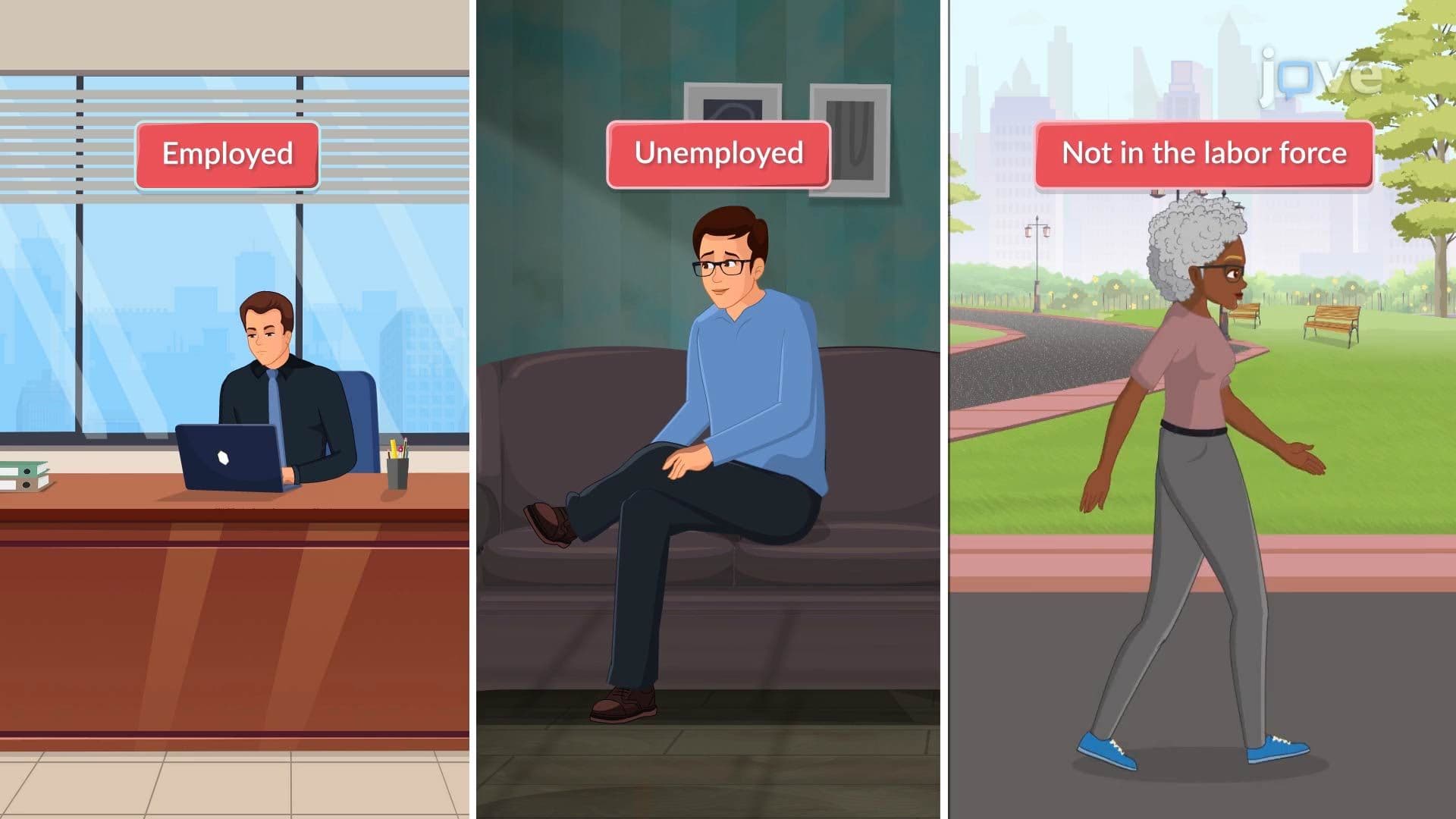
Structural unemployment represents one of the most persistent challenges in modern economics, occurring when fundamental changes in the economy create a permanent mismatch between available jobs and worker skills. Unlike cyclical unemployment that fluctuates with business cycles, structural unemployment stems from deep-rooted shifts in how industries operate, what consumers demand, and which technologies drive productivity.
The structural unemployment definition encompasses situations where entire job categories become obsolete or relocate permanently. Consider the US coal mining industry: between 2010 and 2020, over 50,000 mining jobs disappeared as natural gas and renewable energy sources gained market share. These weren't temporary layoffs-these positions vanished permanently, requiring workers to completely retrain for different careers.
Structural unemployment overview reveals four primary drivers. Technological advancement leads the list, exemplified by how self-checkout systems eliminated thousands of cashier positions nationwide. Globalization represents another major factor, as manufacturing jobs moved overseas to countries with lower labor costs. The decline of US textile manufacturing from 1.2 million jobs in 1990 to fewer than 300,000 today illustrates this trend.
Consumer preference shifts create additional structural unemployment. The structural unemployment concept becomes clear when examining how streaming services like Netflix eliminated video rental stores, permanently displacing thousands of retail workers. Geographic factors also contribute, as industries concentrate in specific regions while workers remain immobile due to housing costs or family obligations.
Understanding structural unemployment requires recognizing its resistance to traditional monetary policy solutions. While interest rate cuts might stimulate cyclical unemployment recovery, structurally unemployed workers need different interventions. The US Department of Labor's Trade Adjustment Assistance program exemplifies targeted responses, providing retraining funds for workers displaced by international trade.
This structural unemployment study guide perspective highlights why economists distinguish it from other unemployment types. Structural unemployment typically lasts longer, requires more intensive intervention, and often concentrates in specific demographics or regions. The "Rust Belt" phenomenon demonstrates how structural changes can devastate entire metropolitan areas when dominant industries decline.
For students preparing for AP Economics or college macroeconomics courses, structural unemployment basics include recognizing its measurement challenges. The Bureau of Labor Statistics tracks overall unemployment but identifying structural versus cyclical components requires deeper analysis of job vacancy patterns and skill requirements.
Related Micro-courses