Loading video…

 22 Concepts
 3.2K views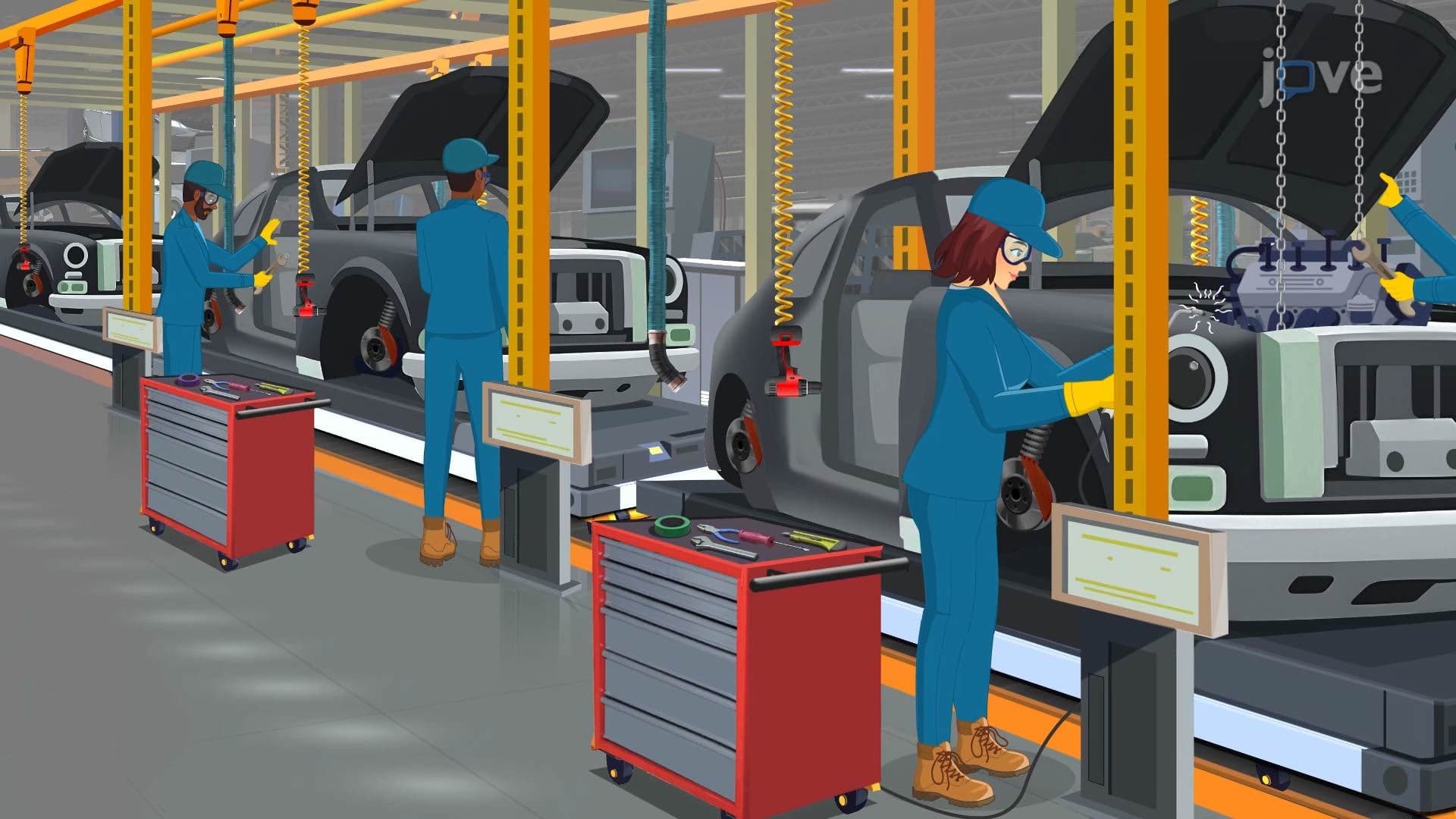

Video Summary: Wage Rigidity and Unemployment Ii Explained
Why do companies lay off workers instead of simply cutting pay during a slowdown? Wage Rigidity and Unemployment II reveals a key paradox in labor economics: when wages are locked in, often by union contracts, firms respond to falling demand by eliminating jobs rather than reducing salaries. A classic US example is the auto industry in Michigan, where union agreements protect worker pay but can't prevent layoffs. Watch the full video on JoVE Coach to master this concept with expert-led visuals and step-by-step explanations.
In a perfectly flexible labor market, wages would rise and fall with supply and demand, like prices at an auction. But real labor markets don't work that way. Wage Rigidity and Unemployment II addresses the critical scenario where wages resist downward movement, particularly because of institutional forces like union contracts, and examines the direct consequences for employment levels. This concept is central to understanding structural and cyclical unemployment in any introductory macroeconomics course.
Wage rigidity occurs when wages fail to adjust downward even when economic conditions would otherwise push them lower. In the United States, the most prominent source of formal wage rigidity is collective bargaining agreements negotiated by labor unions. Unions such as the United Auto Workers (UAW) or the American Federation of Teachers (AFT) negotiate multi-year contracts that specify minimum pay rates. These contracts are legally binding, meaning employers cannot unilaterally reduce pay to cut costs during a slowdown. Beyond unions, efficiency wage theory also contributes: firms voluntarily keep wages above market-clearing levels to boost worker morale, productivity, and retention, creating rigidity even without a union.
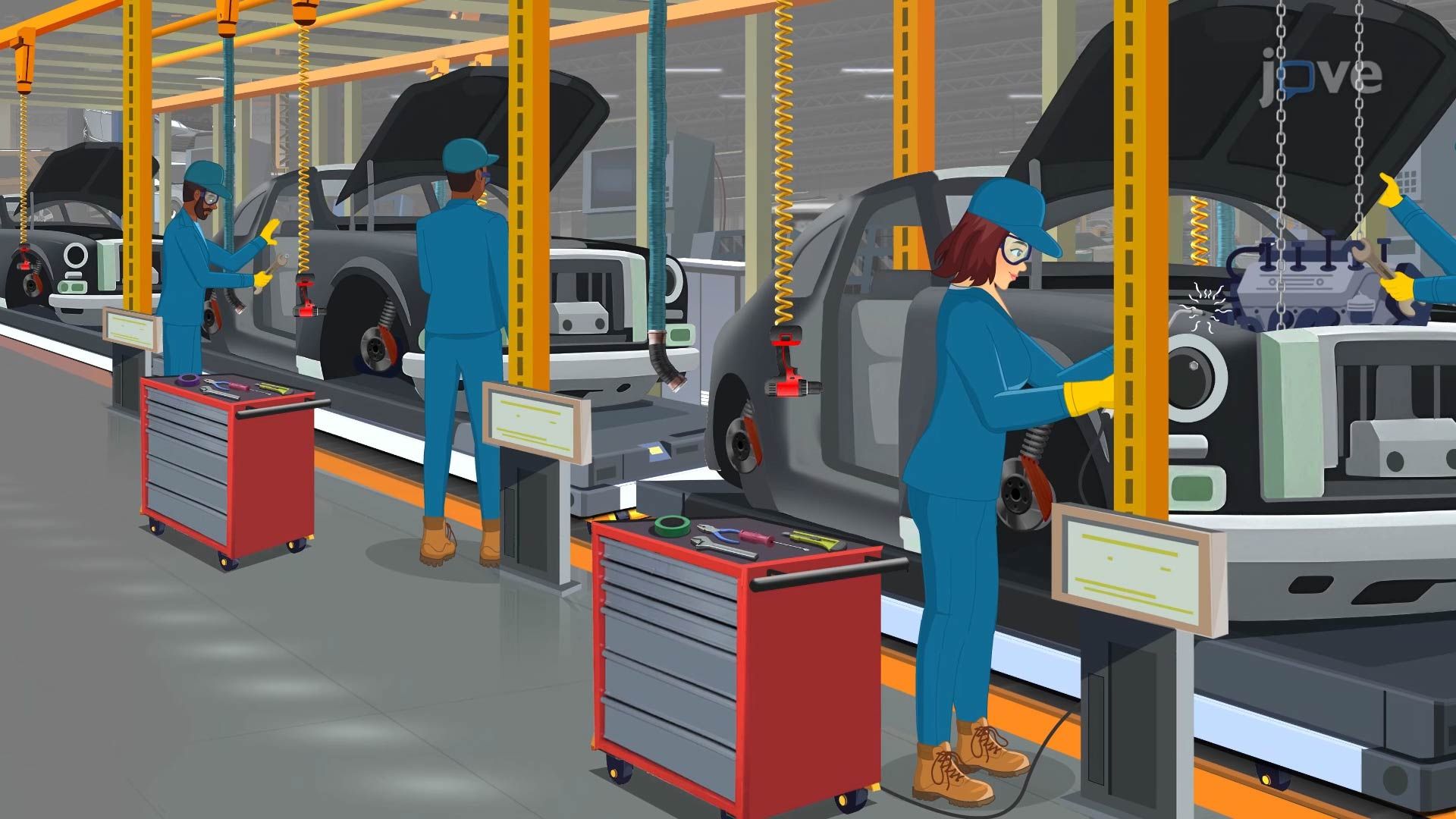
When demand for a firm's product falls, management must find a way to reduce total labor costs. If wages are fixed by contract, the only lever available is workforce size. Rather than spreading a smaller wage budget across all employees, the firm lays off a portion of its workforce entirely. This creates a sharp divide: workers who keep their jobs maintain their full wage, while displaced workers face unemployment. In US manufacturing towns like Detroit or Youngstown, Ohio, this dynamic has played out repeatedly, union workers who kept their jobs earned strong wages, while tens of thousands of their colleagues entered the unemployment rolls during downturns.
It would be a mistake to view wage rigidity as purely harmful. Union contracts that create wage rigidity also deliver substantial benefits: safer working conditions, health insurance, retirement pensions, paid leave, and protection from arbitrary dismissal. The United Steelworkers and the International Brotherhood of Teamsters have historically secured compensation packages that far exceed non-union equivalents. The trade-off is real and studied carefully in labor economics: greater wage protection for employed workers may come at the cost of higher unemployment rates in the broader sector. Economists refer to the workers who benefit as "insiders" and those who bear the employment risk as "outsiders", a framework called the insider-outsider model.
This concept appears frequently on the AP Macroeconomics exam, particularly in free-response questions about the causes of unemployment or shifts in the aggregate supply curve. College students studying intermediate macroeconomics or labor economics at US universities encounter wage rigidity in discussions of the New Keynesian model, which uses sticky wages to explain why recessions cause unemployment rather than just wage reductions. Understanding unemployment causes and policy concepts, including wage rigidity, efficiency wages, and search frictions, is essential for performing well on college midterms and final exams. Connecting this concept to real industries strengthens both analytical writing and multiple-choice reasoning.
Related Micro-courses