Loading video…


 22 Concepts
 3.2K views

Video Summary: What Is Long Term Unemployed
Did you know that losing a job for just six months can make it *harder* to get hired again, even when the economy recovers? That's the paradox at the heart of what is long-term unemployed. In the US, workers unemployed for 27 or more continuous weeks qualify as long-term unemployed, a threshold that carries serious financial and social consequences. Watch the full video on JoVE Coach to master this concept with expert-led visuals and step-by-step explanations.
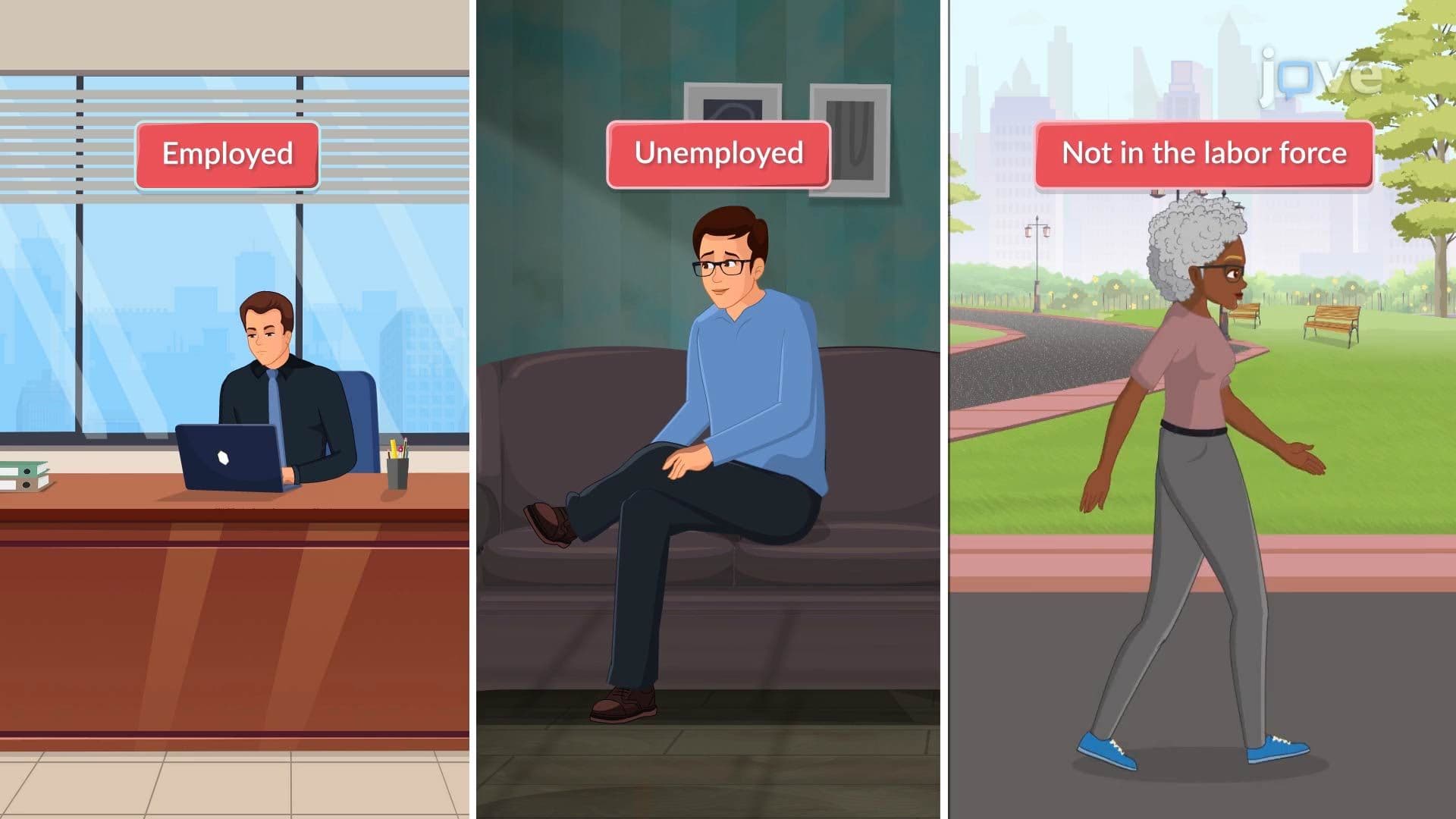
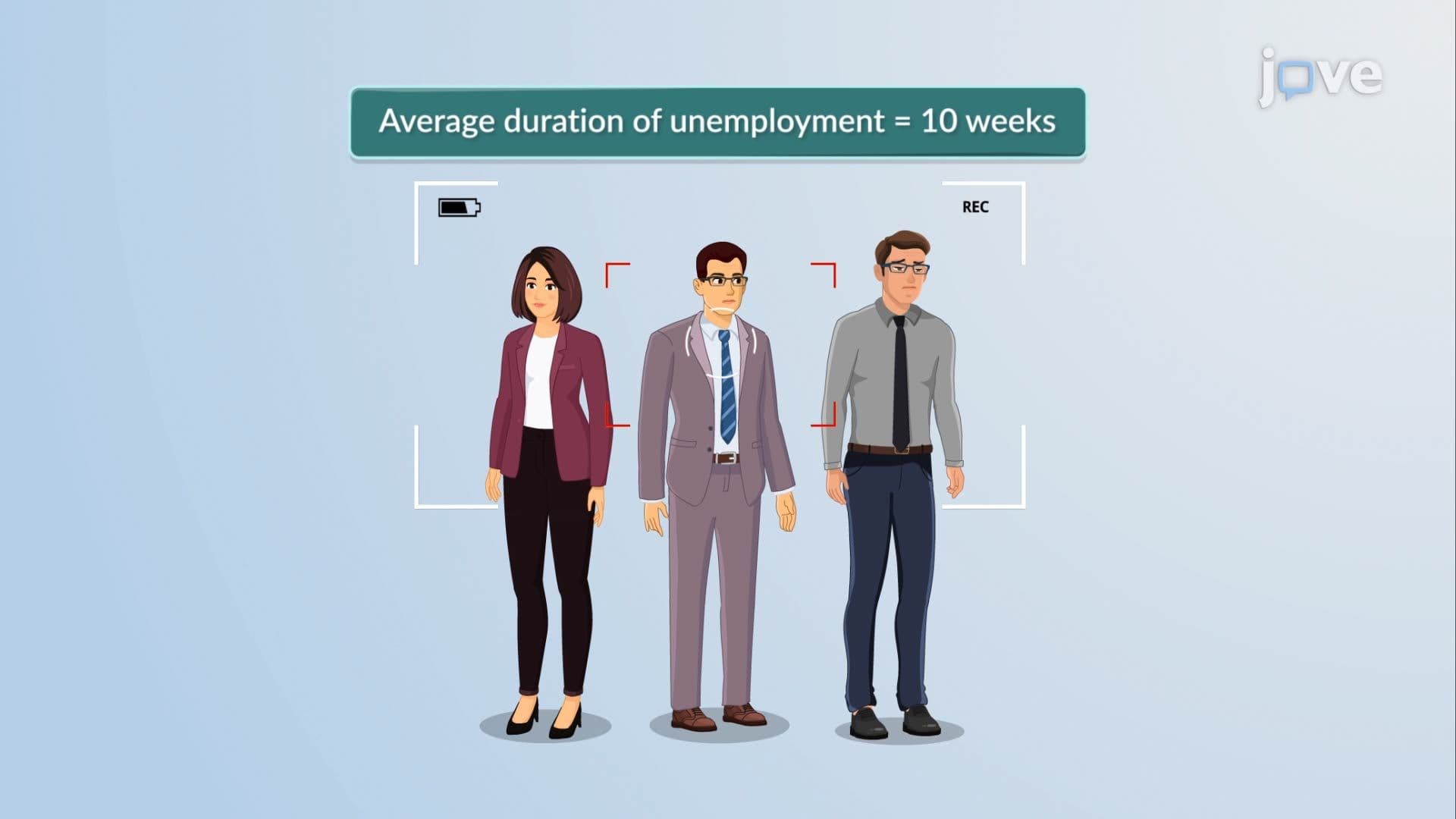
Long-term unemployment is one of the most consequential and persistent challenges in any economy. In the United States, a person is officially classified as long-term unemployed when they have been without a job for 27 or more continuous weeks, roughly six months, while actively looking for work. This definition comes from the Current Population Survey (CPS), a monthly household survey conducted jointly by the US Census Bureau and the Bureau of Labor Statistics (BLS). It's important to note that just being out of work isn't enough, the individual must be *actively seeking employment* to be counted.
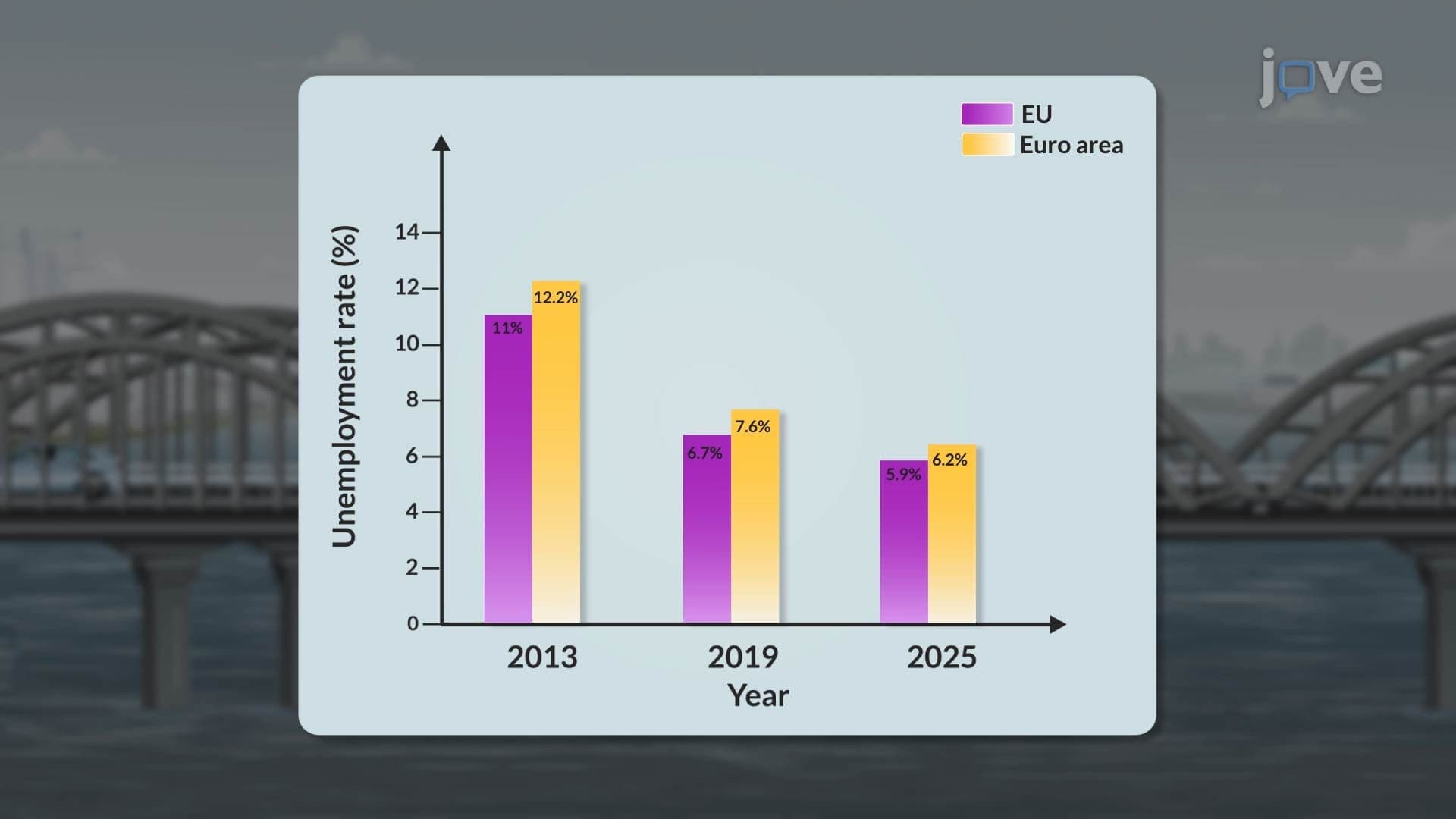
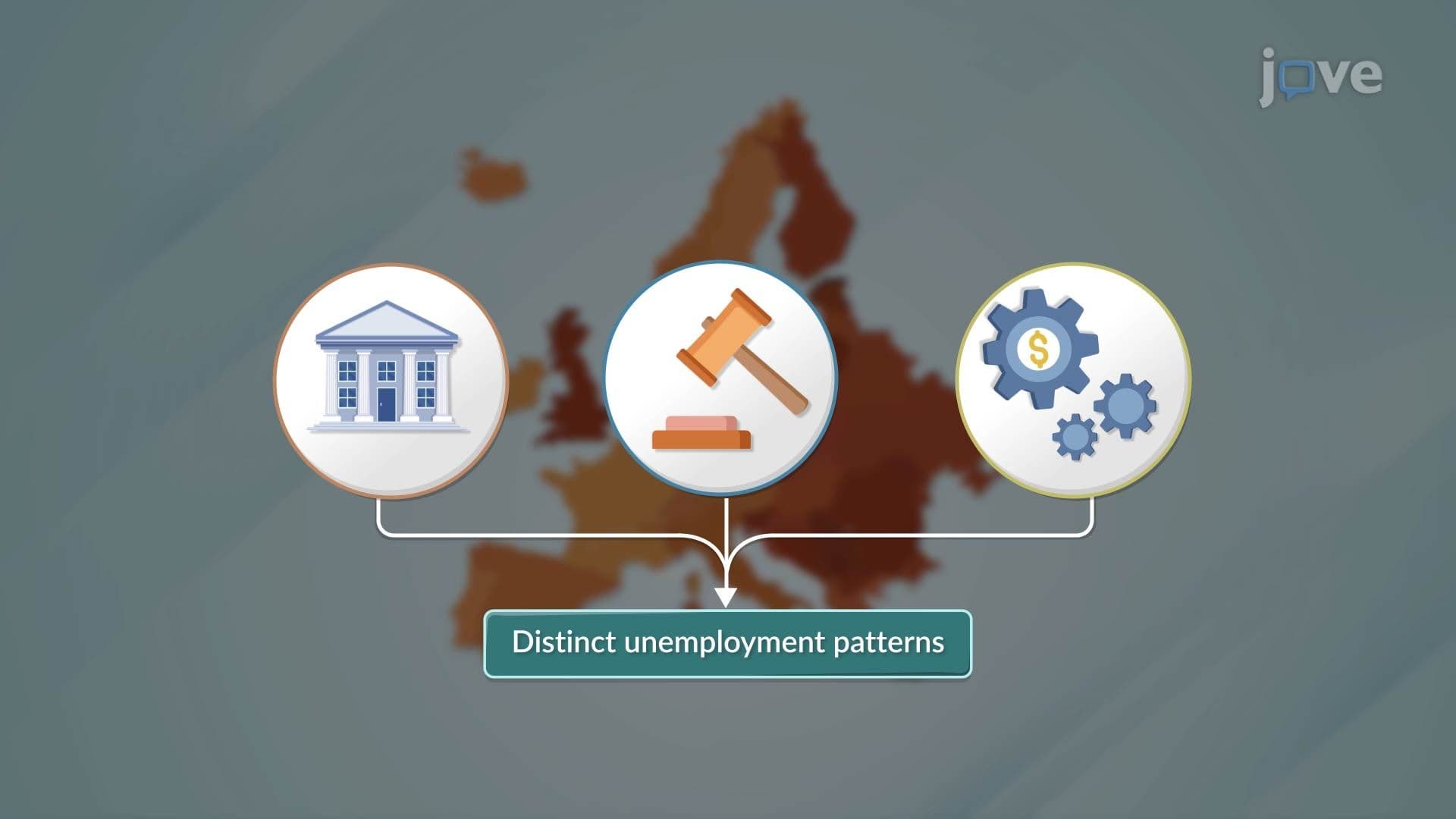
Definitions of long-term unemployment vary significantly by country, which matters when analyzing global labor data. While the US sets its threshold at 27 weeks, countries like Germany define long-term unemployment as lasting 12 months or longer. The International Labour Organization (ILO) also commonly uses the 12-month benchmark. These differences mean that cross-country comparisons require careful attention, a worker classified as long-term unemployed in the US might not meet that threshold in another country's reporting system. For students studying AP Macroeconomics or introductory college economics, understanding these definitional nuances is key to interpreting labor statistics accurately.
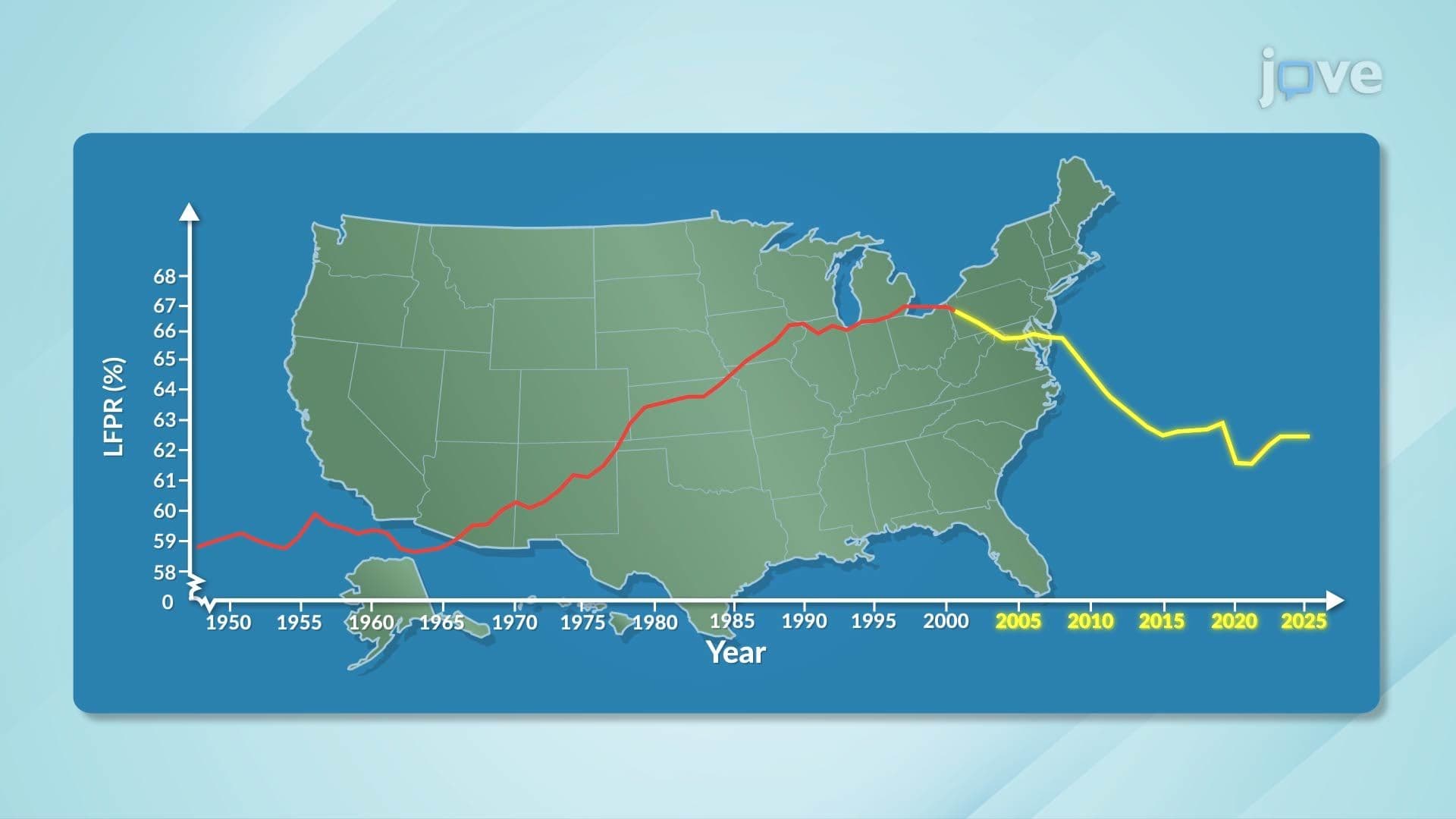
One of the most important theoretical concepts tied to long-term unemployment is hysteresis, the idea that high unemployment can *persist* in an economy long after the original cause (such as a recession) has passed. Think of it like a scar: the injury heals, but the mark remains. During the Great Recession (2007-2009), US unemployment peaked at 10% in October 2009, but long-term unemployment remained elevated well into the recovery years. Employers may begin to view long gaps in a résumé as a red flag, making it progressively harder for long-term unemployed workers to get interviews, regardless of their skills. This cycle becomes self-reinforcing: the longer someone is unemployed, the less likely they are to find new work, even when jobs are available.
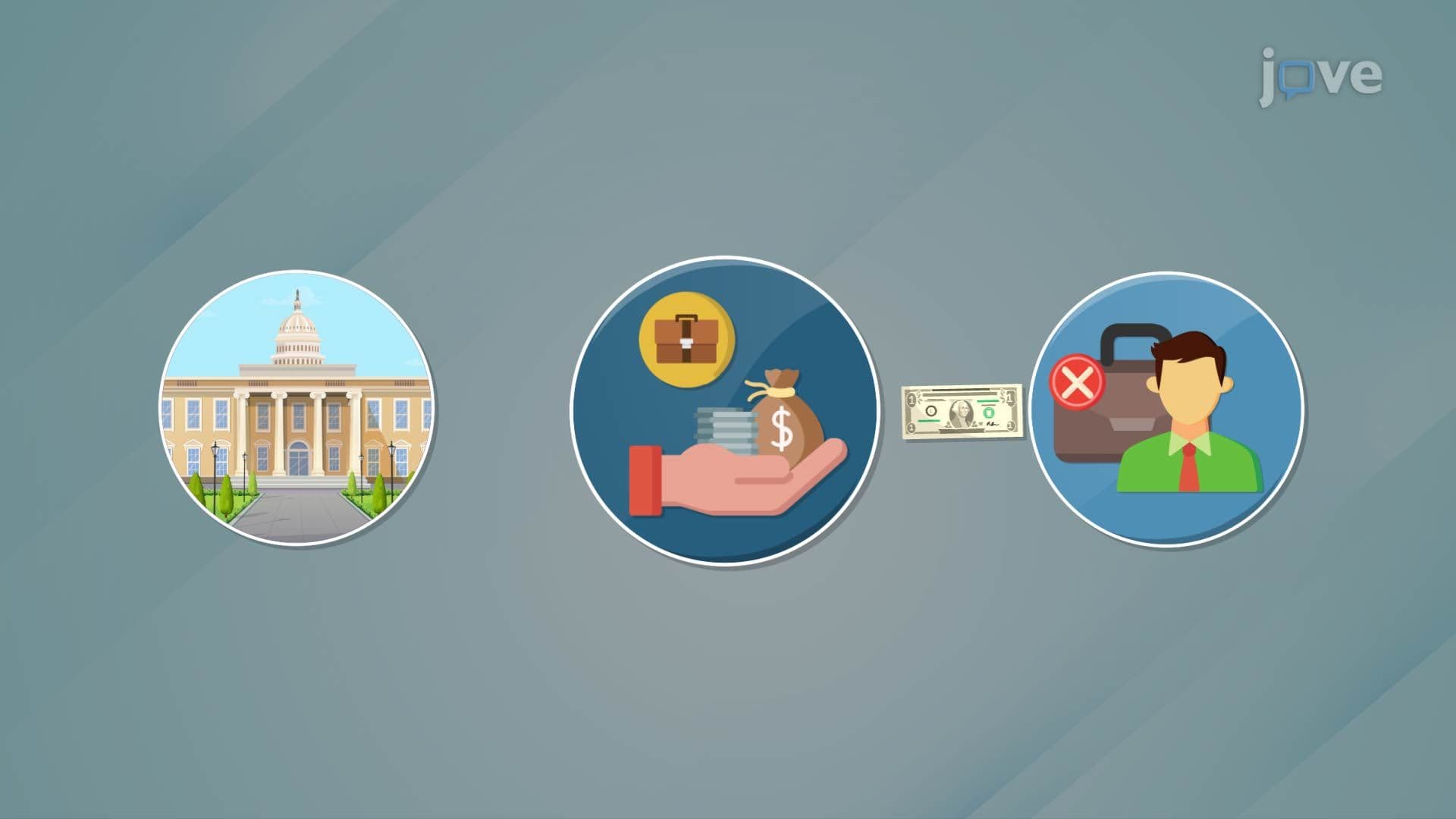
The effects of long-term unemployment extend well beyond a missing paycheck. Financially, prolonged joblessness drains savings accounts, forces families to defer major expenses, and in many cases leads to debt accumulation or home foreclosure. Emotionally, the stress of unemployment is well-documented, with research linking it to higher rates of anxiety, depression, and reduced self-worth.
Perhaps most overlooked are the intergenerational consequences. When a long-term unemployed individual is the sole breadwinner, the entire household absorbs the shock. Children in these families may experience school disruptions, reduced access to educational resources, or the need to contribute financially at a young age. Research published by economists at the Federal Reserve Bank of Chicago and other institutions has shown that children who grow up in households affected by long-term parental unemployment tend to have lower lifetime earnings themselves, demonstrating just how far-reaching this issue truly is.
For students taking AP Economics, college Intro to Macroeconomics, or preparing for exams that cover labor markets, understanding long-term unemployment, its definition, causes, and effects, is essential. Exam questions frequently ask students to distinguish between types of unemployment (frictional, structural, cyclical) and to explain why unemployment can remain high even during economic growth, making hysteresis a high-yield concept to master.
Related Micro-courses