Loading video…


 22 Concepts
 3.2K views

Video Summary: Wage Rigidity and Unemployment I Explained
Why do wages sometimes stay stubbornly high even when millions of Americans are out of work? Understanding wage rigidity and unemployment I helps explain this real-world paradox. When the U.S. federal minimum wage sits above a market's natural equilibrium wage, employers hire fewer workers, driving up unemployment. This is a core idea in Wage Rigidity and Unemployment I Explained. Watch the full video on JoVE Coach to master this concept with expert-led visuals and step-by-step explanations.
Wage rigidity refers to the tendency of wages to resist downward movement even when economic conditions would normally push them lower. Unlike prices for goods, which can fall quickly in response to reduced demand, wages are sticky, especially in the downward direction. This concept is foundational in macroeconomics and appears regularly in AP Macroeconomics courses, college-level Econ 101, and introductory labor economics. Understanding it helps students connect abstract supply-and-demand models to real-world unemployment figures reported by the U.S. Bureau of Labor Statistics every month.
To understand wage rigidity, start with the baseline: a competitive labor market in equilibrium. At the equilibrium wage (W*), the quantity of labor supplied by workers exactly matches the quantity of labor demanded by employers. Everyone willing to work at that wage finds a job. Output is maximized, and resources are allocated efficiently. This is the textbook "ideal", but real-world labor markets rarely stay there, largely because wages don't move as freely as prices in other markets.
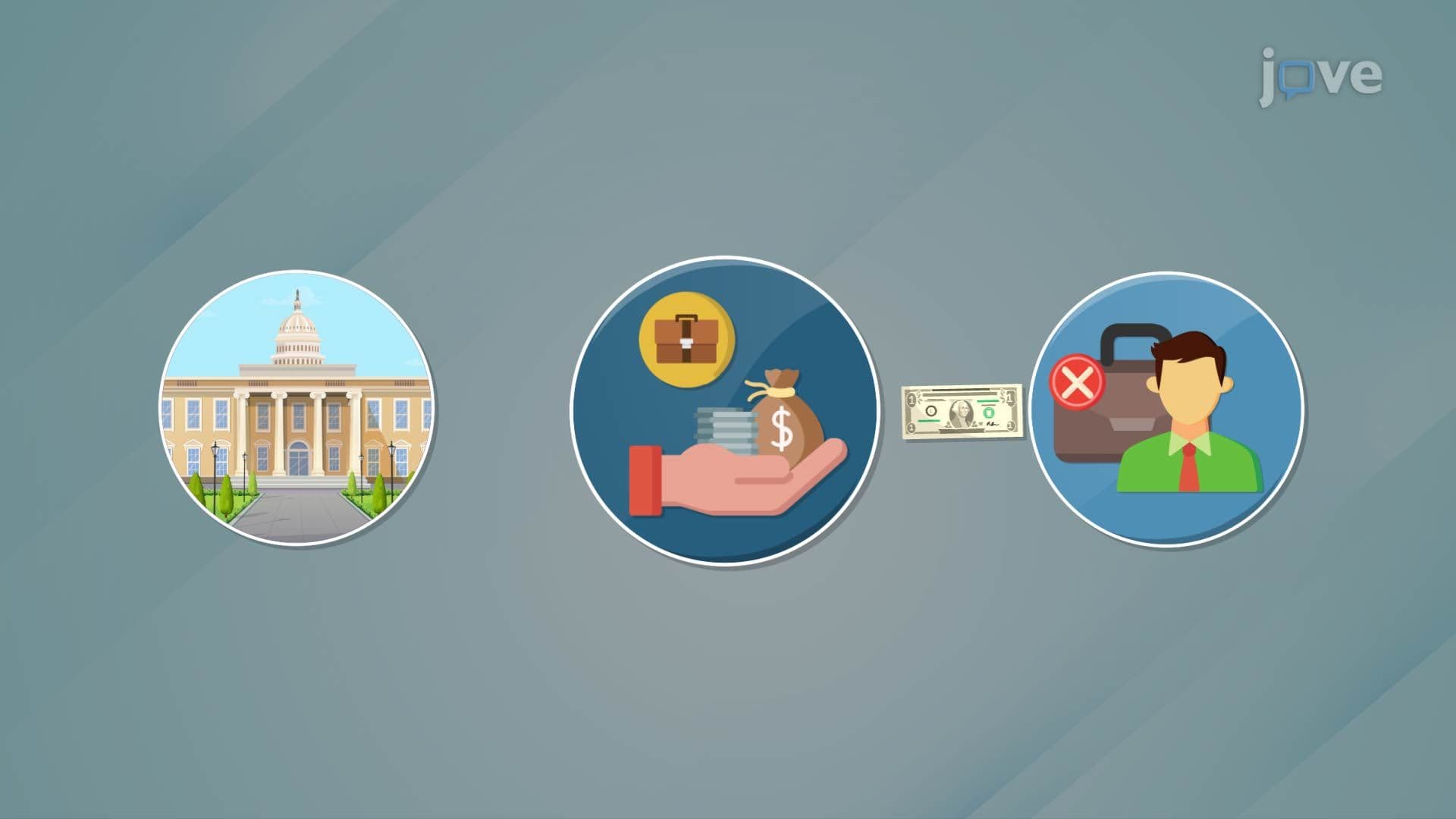
The clearest example of downward wage rigidity is the minimum wage. In the United States, the federal minimum wage is currently $7.25 per hour, though many states, like California and New York, set theirs significantly higher. When the minimum wage (Wm) is set *above* the equilibrium wage (W*), two things happen simultaneously: more workers enter the labor force seeking those higher wages, and employers reduce the number of positions they're willing to offer. The result is a labor surplus, more people looking for jobs than there are jobs available. This gap between labor supplied and labor demanded is, by definition, unemployment. Employers cannot legally pay below the minimum wage, and they cannot be compelled to hire workers they don't want at that price. Total output in the market falls as fewer workers are employed.
This supply-and-demand analysis is exactly the kind of graph-based reasoning you'll need to master for AP Macroeconomics free-response questions and college midterms.
Minimum wage laws are the most direct cause of downward wage rigidity, but economists identify others as well. Labor contracts, such as those negotiated by unions like the United Auto Workers (UAW) or the American Federation of Teachers (AFT), legally lock in wage rates for the duration of an agreement, preventing employers from cutting pay even during recessions. Efficiency wage theory suggests employers *voluntarily* pay above-market wages to boost worker productivity, reduce turnover, and attract higher-quality talent, meaning they won't cut wages even if they could. Worker morale and fairness norms also matter: research by economists like George Akerlof has shown that workers who perceive a wage cut as unfair respond with lower effort, making cuts costly for firms even when legally permitted.
Wage rigidity is not just a theoretical concept, it shapes U.S. labor policy debates every year. When Congress debates raising the federal minimum wage, economists analyze precisely these trade-offs: higher wages for employed workers versus potential job losses for low-skill workers. The Congressional Budget Office (CBO) regularly publishes reports estimating both the wage gains and the employment losses from proposed minimum wage increases, applying exactly this kind of labor-market framework. For students studying economics, mastering wage rigidity builds the analytical foundation needed for understanding recessions, fiscal policy, and why unemployment doesn't simply disappear when wages are "flexible" in theory.
Related Micro-courses