Loading subject page…

- Marketing
- Capturing Customer Value: Price to Exchange
- Pricing Methods
Micro-course: Capturing Customer Value: Price to Exchange
7,907 views
Learn key concepts and earn your certificate.


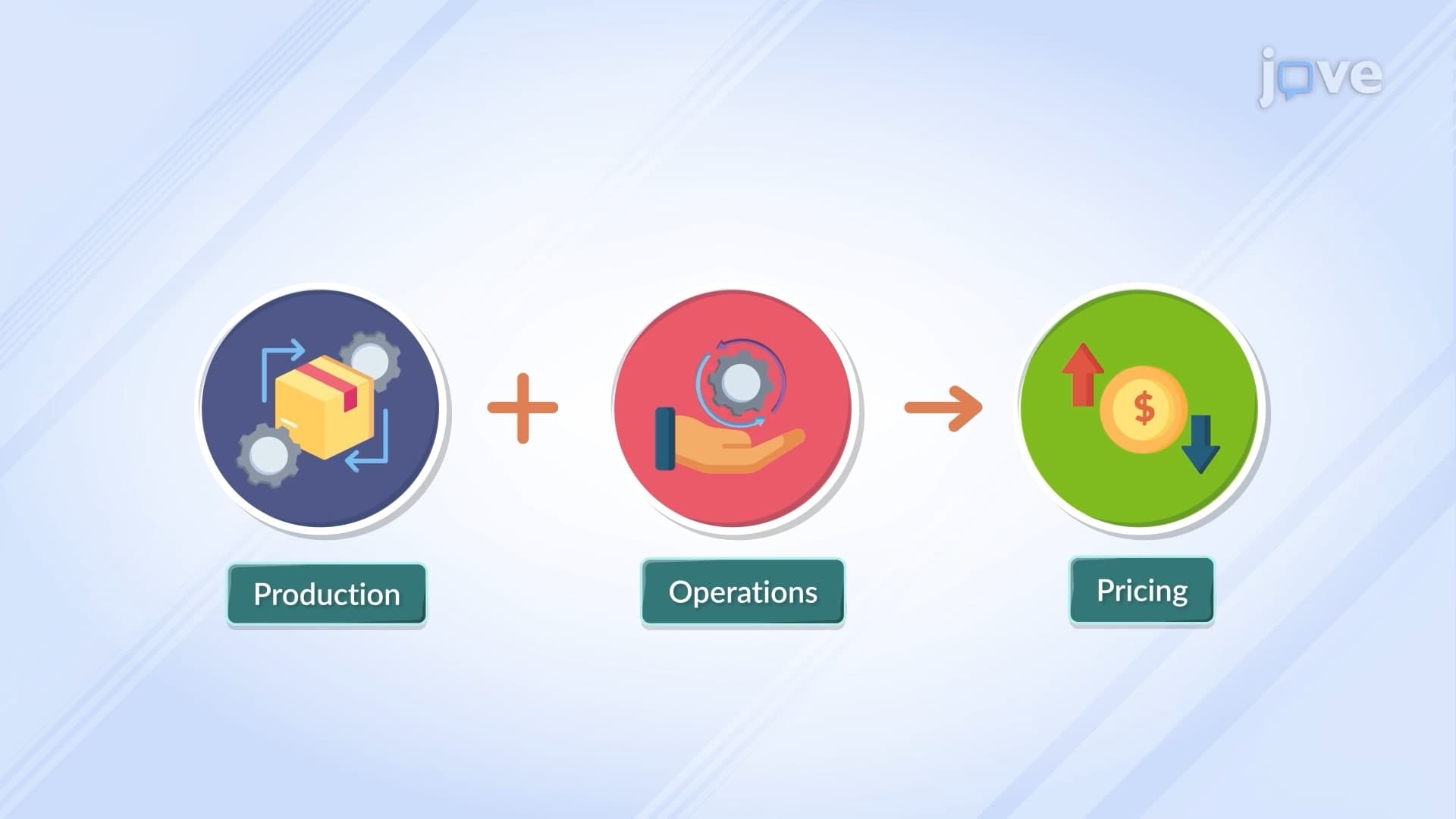
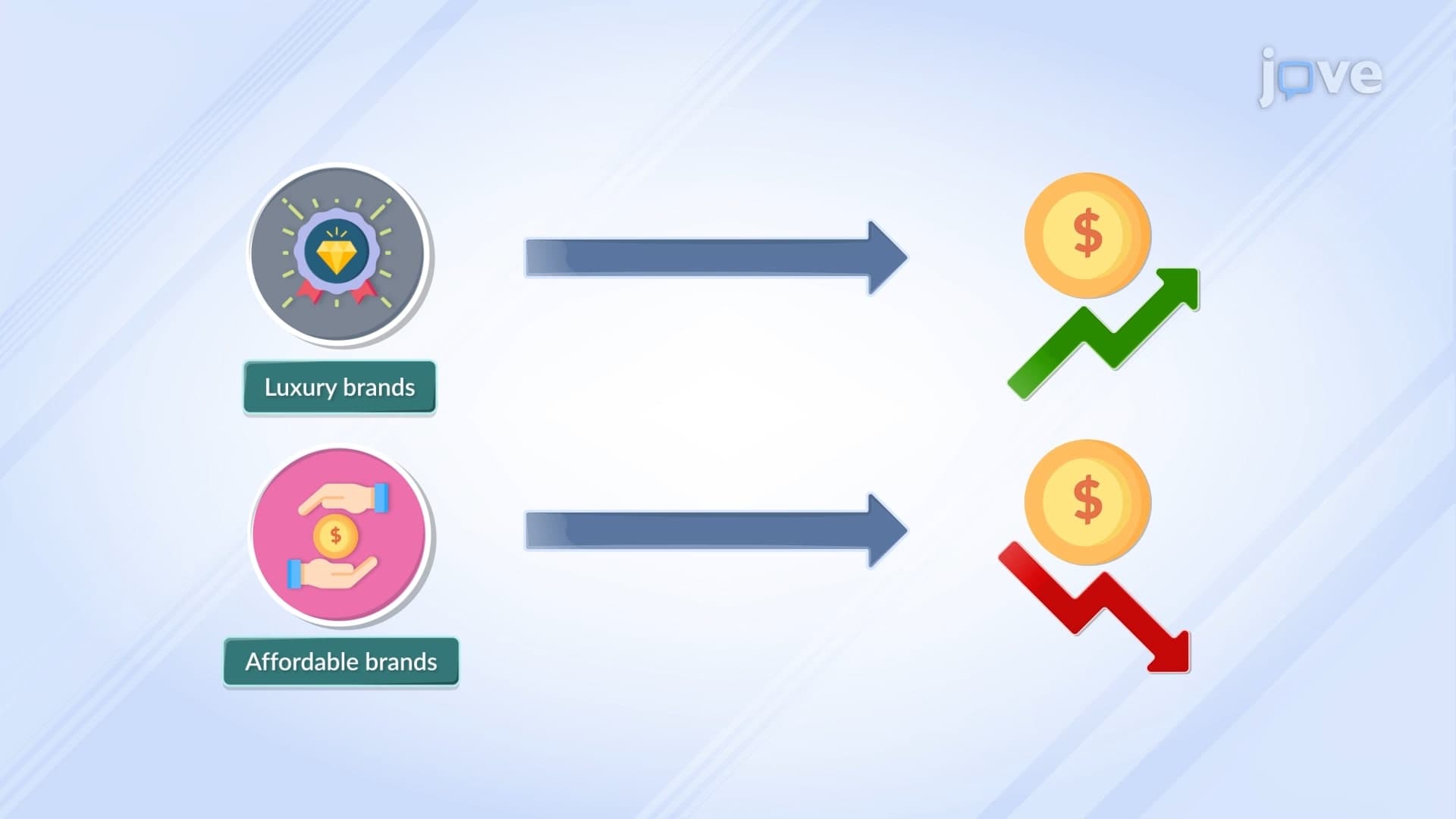

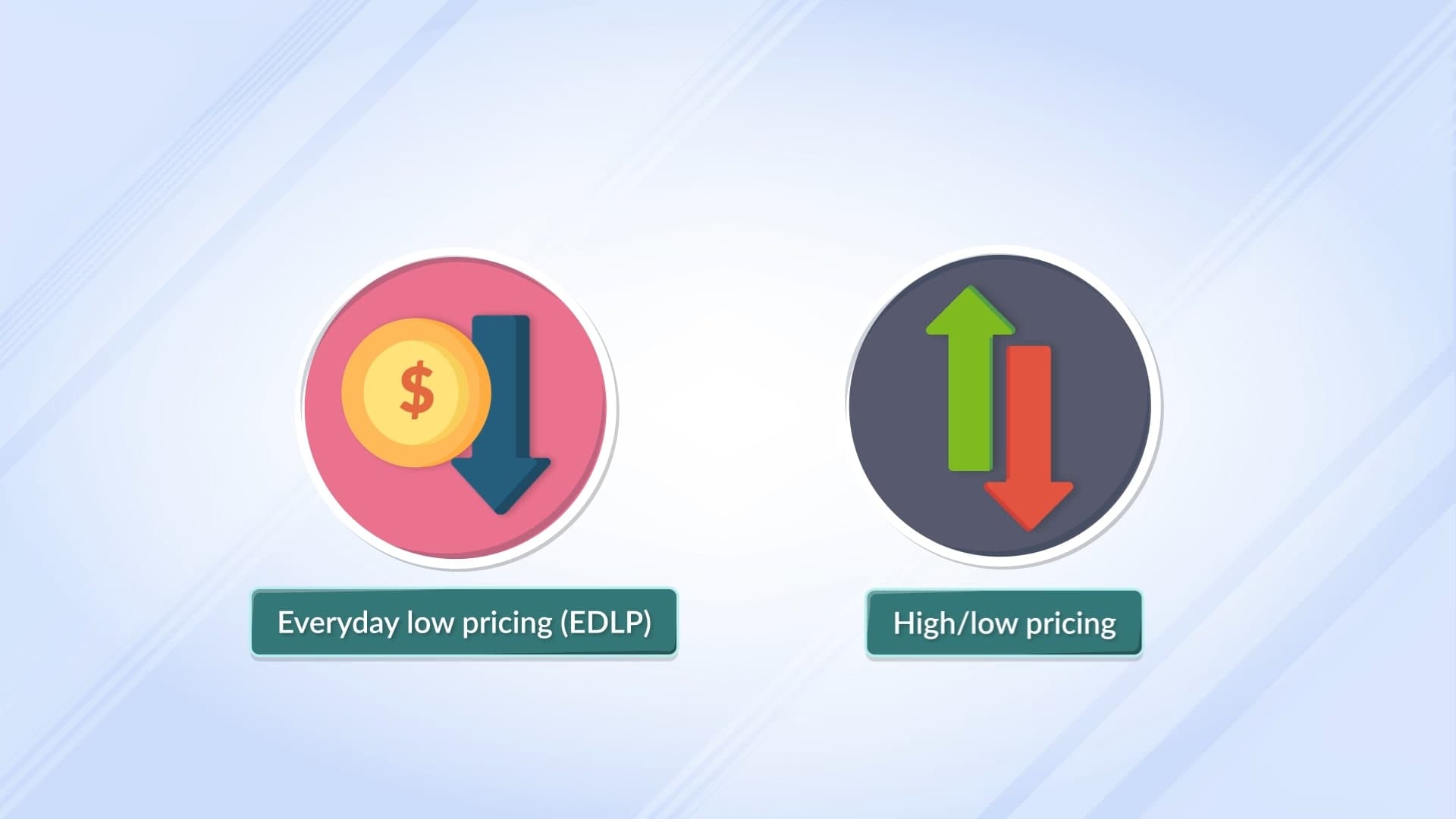


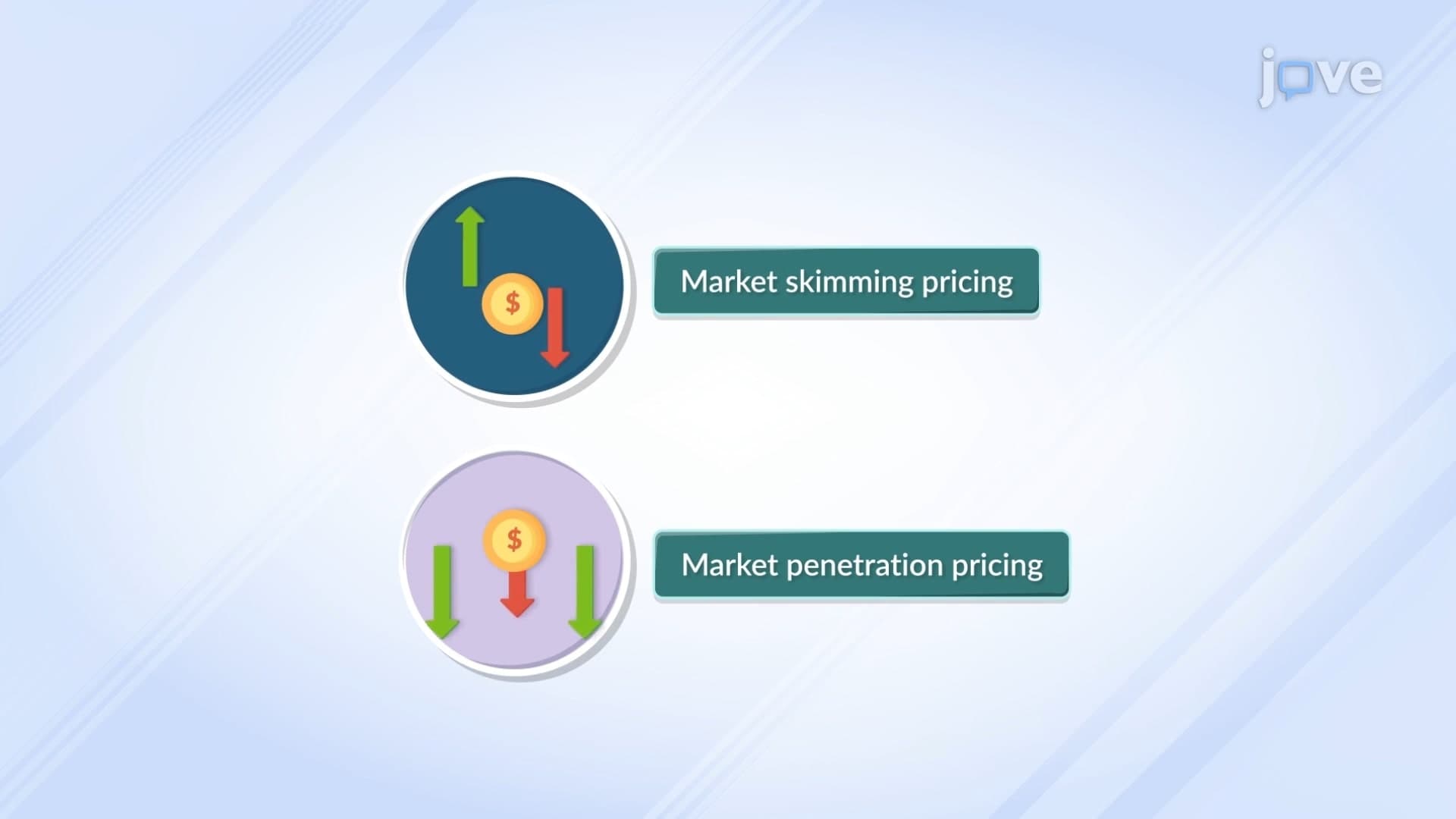





Pricing Methods

00:00
01:20
Video Summary: What are Pricing Methods
Revenue optimization remains the top priority for 78% of Fortune 500 CFOs, making pricing methods selection critical for competitive advantage. Understanding pricing methods enables executives to balance profitability with market positioning across diverse business scenarios. Netflix demonstrates sophisticated pricing methods through its tiered subscription model, combining value-based pricing for premium features with competition-based adjustments against Disney+ and HBO Max. Watch the full video on JoVE Coach to master this concept with expert-led visuals and step-by-step explanations.
- Apply cost-based pricing calculations to establish baseline profit margins while maintaining competitive positioning in your industry
- Evaluate customer willingness-to-pay through value-based pricing frameworks for premium product launches and service differentiation
- Analyze competitor pricing intelligence to implement dynamic pricing strategies that capture market share without triggering price wars
- Implement hybrid pricing models that combine multiple pricing methods to optimize revenue across different customer segments
- Compare pricing method effectiveness across various market conditions, from growth phases to economic downturns
- Leverage pricing psychology principles to maximize perceived value while maintaining healthy gross margins
- Identify optimal pricing method selection based on your company's cost structure, competitive landscape, and customer base
- Assess pricing strategy impact on long-term brand positioning and customer lifetime value metrics
Understanding Pricing Methods in Strategic Context
Modern pricing decisions directly impact quarterly earnings, competitive positioning, and long-term market share. Senior executives face increasing pressure to optimize pricing strategies that balance profitability with customer acquisition, making pricing methods mastery essential for business leadership roles.
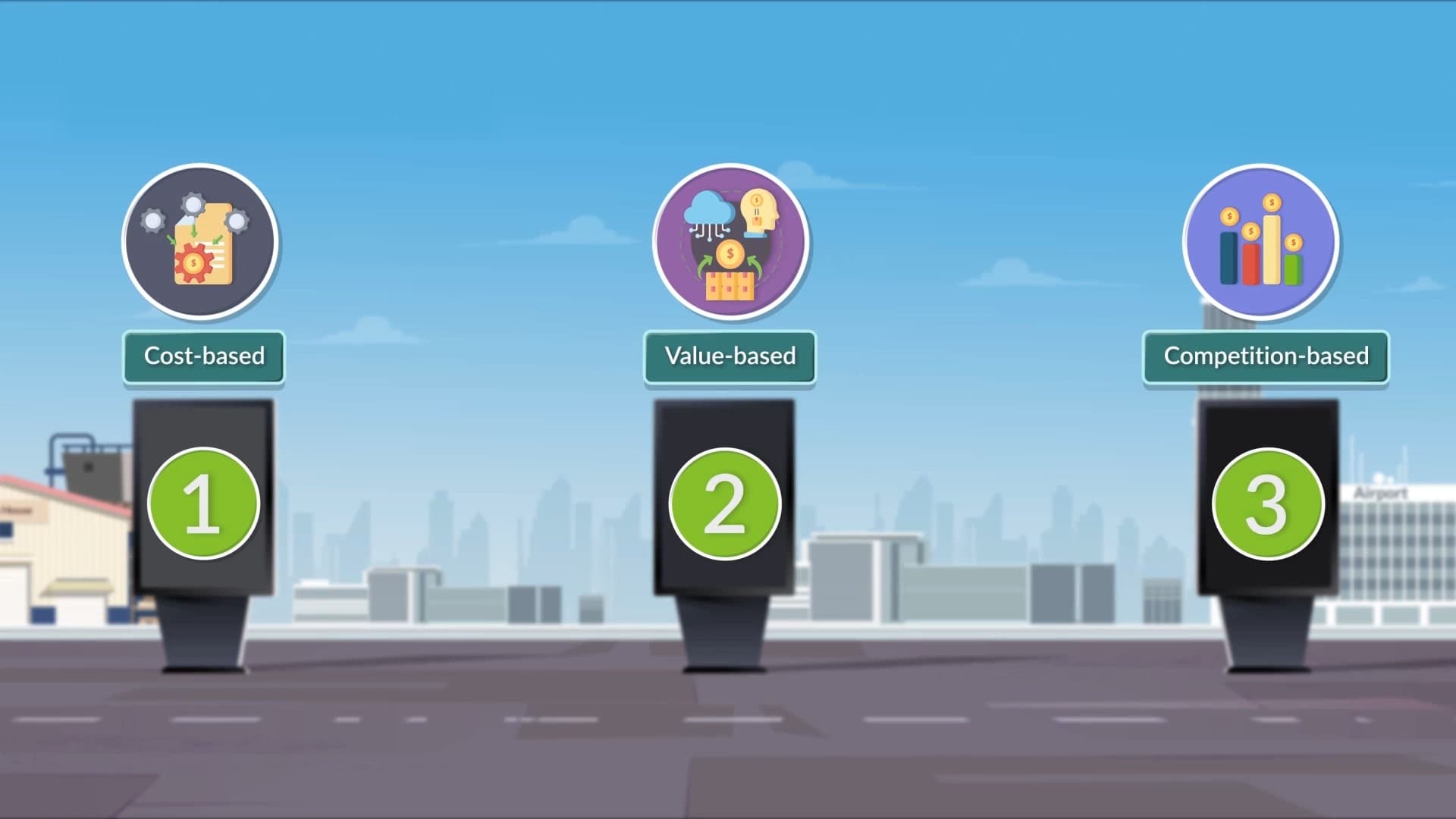
Cost-Based Pricing: Foundation for Financial Stability
Cost-based pricing provides the fundamental profit floor for sustainable business operations. This method calculates total production costs-including manufacturing, overhead, and distribution-then adds predetermined profit margins. Tesla initially used cost-based pricing for Model S production, establishing $80,000 base pricing by calculating battery costs, manufacturing expenses, and target margins. While this approach guarantees profitability and simplifies internal decision-making, it often undervalues premium positioning opportunities and ignores competitive dynamics that could justify higher pricing.
Value-Based Pricing: Capturing Customer Willingness-to-Pay
Value-based pricing maximizes revenue by aligning prices with customer perceived value rather than internal costs. Apple exemplifies this strategy with iPhone pricing, where premium features like advanced cameras and ecosystem integration command $300-500 price premiums over comparable Android devices. This method requires deep customer research, competitive differentiation analysis, and strong brand positioning. While value-based pricing generates superior margins, it demands continuous market research and brand investment to sustain premium positioning.
Competition-Based Pricing: Market-Responsive Strategy
Competition-based pricing enables rapid market response and competitive positioning flexibility. Southwest Airlines pioneered this approach in commercial aviation, continuously adjusting fares based on American Airlines and Delta pricing while maintaining cost leadership positioning. This method ensures market competitiveness and prevents price disadvantage but may ignore internal cost structures or unique value propositions that justify premium pricing.
Strategic Pricing Method Selection
Successful pricing strategies often combine multiple methods across different product lines or market segments. Amazon uses cost-based pricing for basic products, value-based pricing for Prime membership benefits, and competition-based pricing for marketplace items. This hybrid approach maximizes revenue opportunities while maintaining competitive flexibility across diverse business units.
Frequently Asked Questions
Pricing methods are systematic approaches for determining product and service prices that directly impact profit margins, market share, and competitive positioning. They provide frameworks for making data-driven pricing decisions rather than intuitive guesses. Effective pricing method selection can increase gross margins by 15-25% while maintaining customer acquisition rates.
Evaluate your cost structure transparency, competitive landscape intensity, and customer value perception strength. Use cost-based pricing for commodity products with clear cost drivers, value-based pricing for differentiated offerings with strong brand equity, and competition-based pricing in highly competitive markets. Consider hybrid approaches for diversified product portfolios.
Switch pricing methods when market conditions change significantly, such as new competitor entry, cost structure shifts, or customer preference evolution. Monitor key metrics like price elasticity, competitive price gaps, and customer satisfaction scores. If current pricing method fails to optimize these metrics, present alternative pricing frameworks to leadership.
Microsoft demonstrates sophisticated pricing method integration across its portfolio. Office 365 uses value-based pricing for enterprise features, Xbox consoles employ competition-based pricing against Sony PlayStation, and Azure cloud services combine cost-plus margins with competitive positioning. This diversified approach maximizes revenue across different market dynamics.
Basic financial literacy and spreadsheet proficiency enable most pricing method implementation. Focus on understanding contribution margins, competitive analysis frameworks, and customer research interpretation. Advanced pricing optimization requires deeper analytics skills, but fundamental pricing method selection relies more on strategic thinking than complex calculations.
Pricing expertise positions you as a revenue optimization specialist, valuable for promotion to general management, product management, or strategic planning roles. CFOs and CEOs consistently rank pricing acumen among top leadership competencies. This knowledge directly contributes to P&L responsibility and board-level strategic discussions.
Study dynamic pricing algorithms, behavioral economics applications, and subscription model optimization. Revenue management systems, price bundling strategies, and international pricing complexities represent natural progression areas. These advanced concepts become critical for senior management roles in pricing-sensitive industries.
Related Micro-courses