Loading…
Loading video…
720 views
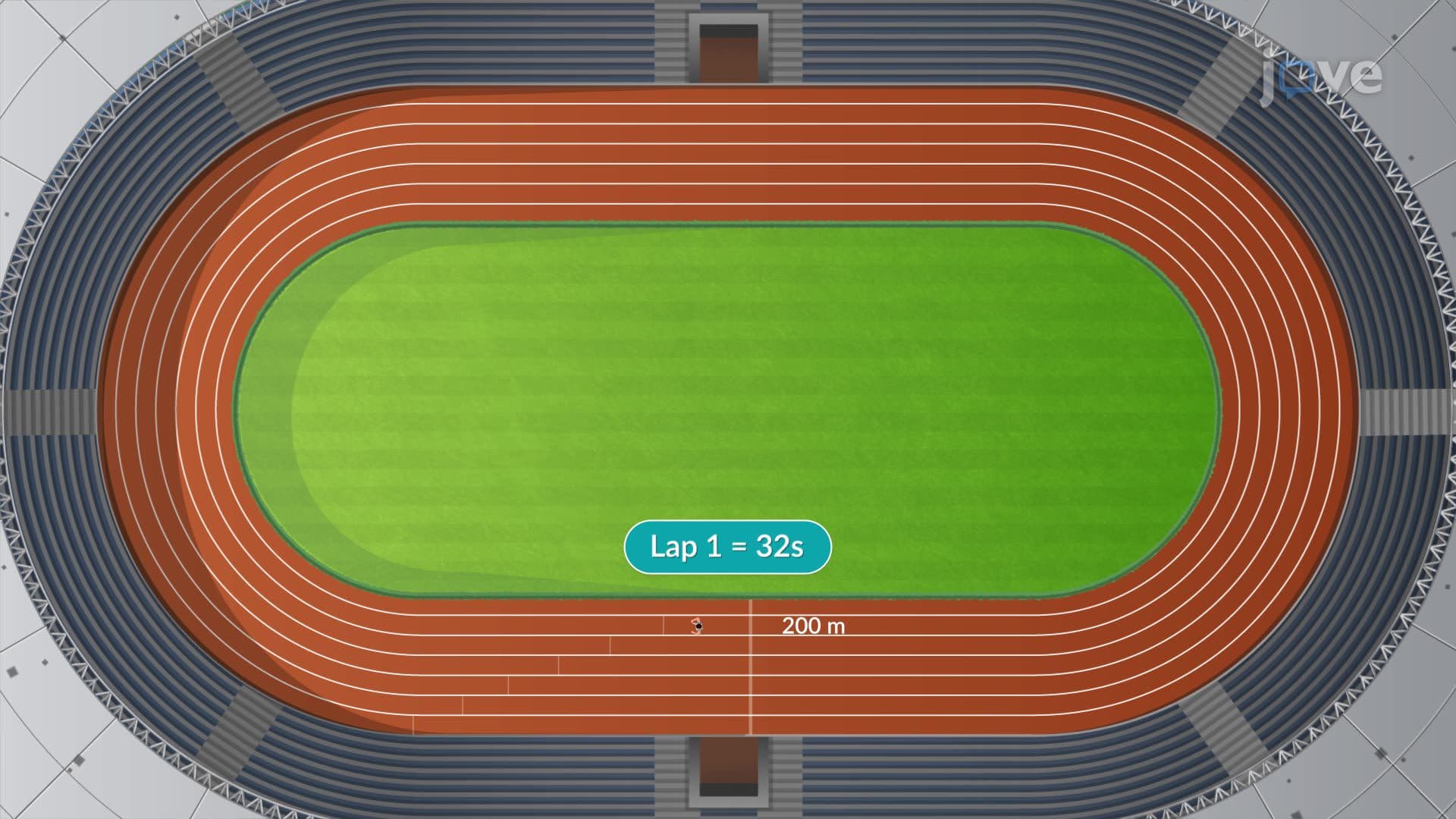
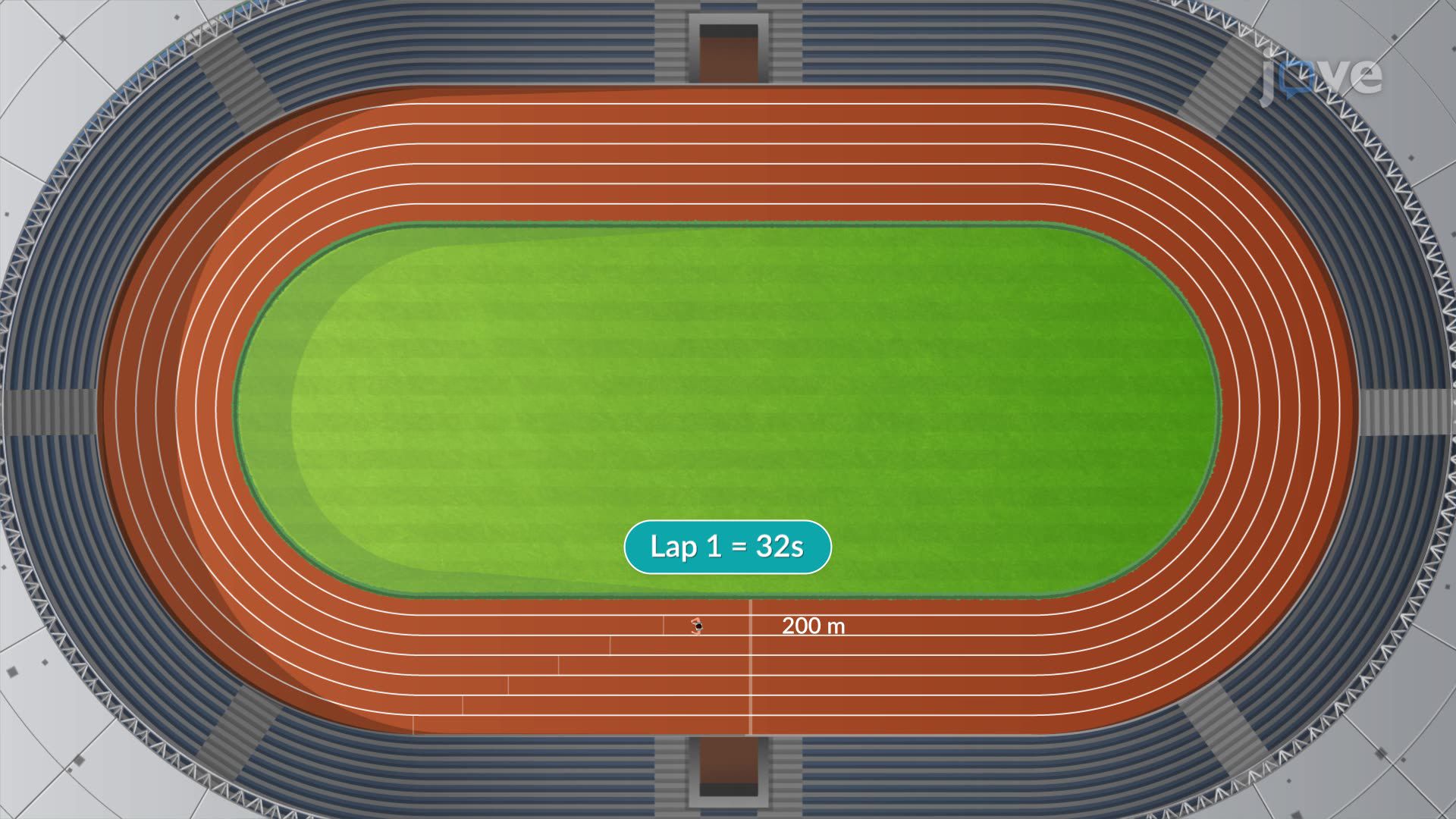
Did you know that when your smartphone battery drops from 100% to 0% throughout the day, it perfectly demonstrates a decreasing function? A decreasing function occurs when outputs get smaller as inputs increase, creating that characteristic downward slope from left to right on a graph. Think about a NASCAR driver's lap times at Daytona International Speedway—as fatigue sets in over successive laps, the times increase while performance decreases. Watch the full video on JoVE Coach to master this concept with expert-led visuals and step-by-step explanations.
A decreasing function represents one of the fundamental behaviors in mathematics where the output values systematically become smaller as input values increase. Mathematically, a function f(x) is decreasing on an interval if for any two points x1 and x2 where x1 < x2, we have f(x1) > f(x2). This creates the characteristic downward slope that students learn to recognize visually.
The decreasing function definition extends beyond simple memorization to practical understanding. When graphed, these functions slope downward from left to right, creating negative rates of change. This concept appears frequently on standardized tests like the SAT Math section and AP Calculus exams, where students must identify decreasing intervals and calculate rates of change.
Understanding what is decreasing function in detail becomes clearer through concrete American examples. Consider the value of a new Ford F-150 truck purchased for $45,000—its value decreases over time due to depreciation, following a decreasing function model. Similarly, the temperature of hot coffee from Starbucks follows a decreasing function as it cools from 160°F to room temperature.
In healthcare settings, medication concentration in bloodstream often follows decreasing functions. A patient receiving acetaminophen sees the drug's effectiveness decrease over time as the body metabolizes it. These real-world connections help students grasp the decreasing function concept beyond abstract mathematical theory.
The decreasing function basics involve recognizing patterns in data tables and graphs. Students calculate average rates of change using the formula: Rate = (Change in Output) / (Change in Input). For decreasing functions, this rate is consistently negative across the domain.
Advanced students encounter decreasing functions in calculus contexts, where the derivative f'(x) < 0 indicates decreasing behavior. This decreasing function overview prepares students for college-level mathematics courses at institutions like UCLA, University of Texas, or MIT.
This decreasing function study guide approach emphasizes pattern recognition and practical application. Students should practice identifying decreasing intervals on complex graphs, solving optimization problems, and interpreting real-world data trends. These skills prove essential for success in AP Calculus AB/BC exams and college placement tests.
Frequently Asked Questions
A decreasing function is when outputs get smaller as inputs get larger, creating a downward slope on a graph. Imagine walking downhill—as you move forward (increasing input), your elevation drops (decreasing output). This pattern appears in everyday situations like cooling soup, declining gas prices, or smartphone battery drainage throughout the day.
These exams frequently test your ability to identify decreasing intervals on graphs and calculate negative rates of change. You'll encounter questions about optimization, where finding decreasing portions helps locate maximum values. Practice recognizing decreasing behavior in word problems involving depreciation, population decline, or temperature cooling for exam success.
A decreasing function slopes downward but can have positive or negative output values—the key is that outputs get smaller as inputs increase. A negative function simply has outputs below zero. For example, outdoor temperature dropping from 40°F to 10°F represents a decreasing function with positive values throughout.
Consider a Tesla Model S losing value after purchase—it might depreciate from $80,000 to $45,000 over five years, following a decreasing function. Similarly, a company's quarterly profits declining from $2 million to $500,000 over four quarters represents decreasing function behavior in corporate financial analysis.
Calculate the rate of change between consecutive points using (y2 - y1)/(x2 - x1). If this ratio is consistently negative, the function is decreasing. For example, if temperature readings show 180°F at 2 PM and 160°F at 3 PM, the rate is (160-180)/(3-2) = -20°F per hour, indicating decreasing behavior.
No advanced prerequisites are required—basic algebra and coordinate graphing skills suffice. If you can plot points and recognize downward slopes, you can master decreasing functions. Start with simple examples like cooling pizza temperature or declining smartphone battery percentage to build confidence before tackling complex mathematical applications.
Focus on visual pattern recognition and real-world applications rather than memorizing definitions. Practice identifying decreasing intervals on various graph types, solve rate-of-change problems daily, and connect mathematical concepts to familiar situations like stock market trends or sports performance statistics for deeper understanding.
Decreasing functions lead naturally to calculus concepts like derivatives, optimization, and limits. They also connect to exponential decay in chemistry, logistic functions in biology, and economic models in business courses. Understanding decreasing behavior provides foundation for advanced topics in differential equations and mathematical modeling at the university level.
Related Micro-courses
Related Subjects
 Physics 33 micro-courses›
 Statistics 17 micro-courses›