Loading subject page…

- Math Fundamentals
- Functions and Their Graphs
- Introduction to Functions
Micro-course: Functions and Their Graphs
720 views
Learn key concepts and earn your certificate.






Introduction to Functions

00:00
01:29
- Understand what are functions and how they create predictable relationships between inputs and outputs in mathematical and real-world contexts
- Identify the four main representations of functions: verbal, algebraic, visual, and numerical forms
- Analyze domain and range concepts to determine valid inputs and corresponding outputs for any given function
- Compare linear functions with other types of functions through practical examples like parking fees and elevation changes
- Evaluate function behavior using tables, graphs, and equations to predict outcomes
- Apply function concepts to solve real-world problems involving cost calculations, distance measurements, and time relationships
- Recognize how functions appear in standardized tests and college-level mathematics courses
- Explore the connection between mathematical functions and everyday decision-making processes
Understanding What Are Functions in Mathematics
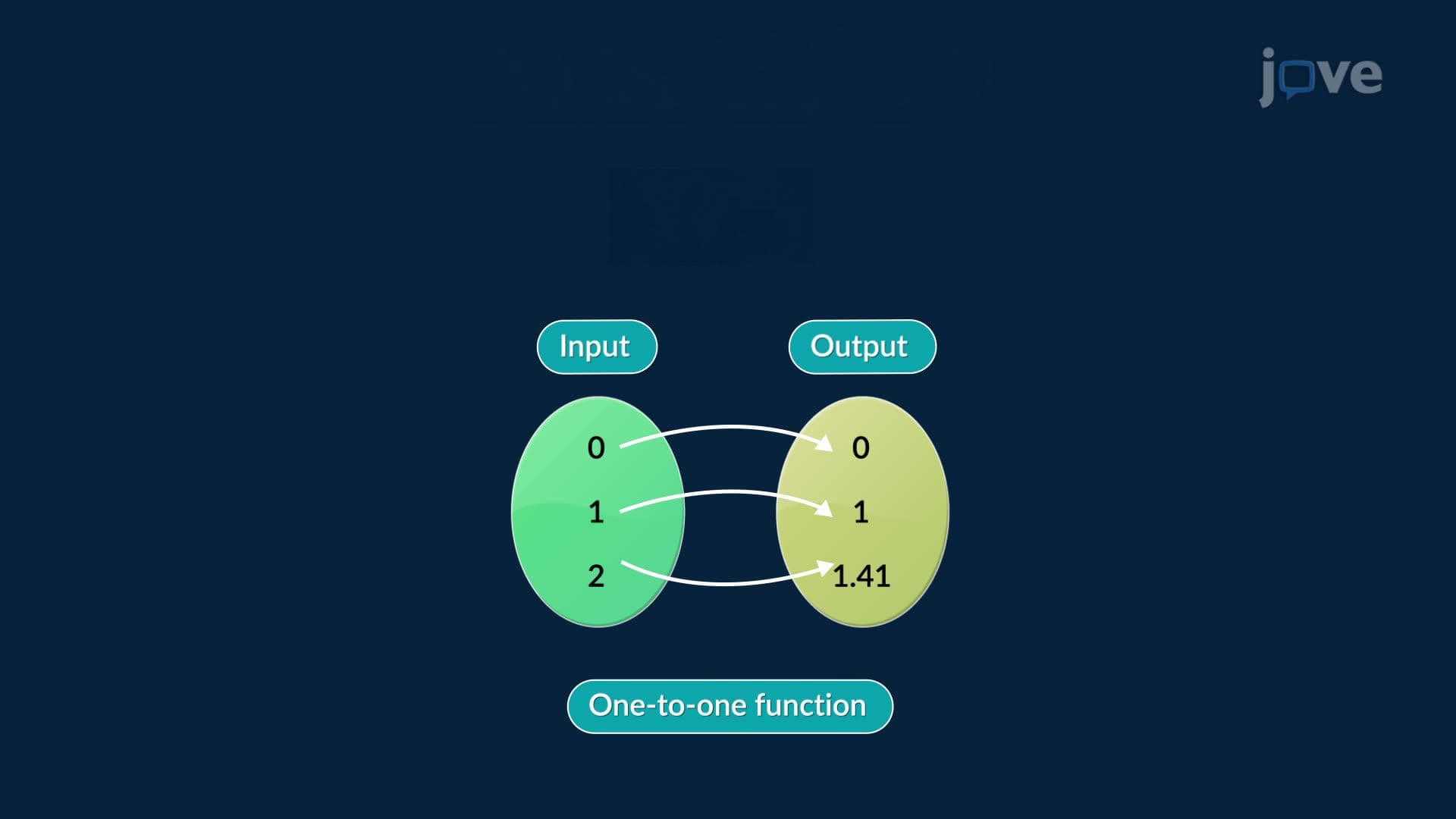
What are functions? At their core, functions are mathematical relationships that assign exactly one output value to each input value. Think of a function as a reliable machine: you put something in, and you always get a predictable result out. This concept forms the foundation of algebra, calculus, and countless real-world applications from engineering to economics.
The formal definition states that a function is a rule that assigns to each element in the domain (input set) exactly one element in the range (output set). This "one-to-one correspondence" is what distinguishes functions from other mathematical relationships and makes them so powerful for modeling real-world situations.
Types of Functions and Their Representations
Functions can be expressed in four distinct ways, each offering unique insights. Verbal representations describe the relationship in words, like "the cost equals $4 plus $3 per hour." Algebraic representations use mathematical formulas, such as C(h) = 4 + 3h. Visual representations create graphs that show the relationship pictorially, while numerical representations organize input-output pairs in tables.
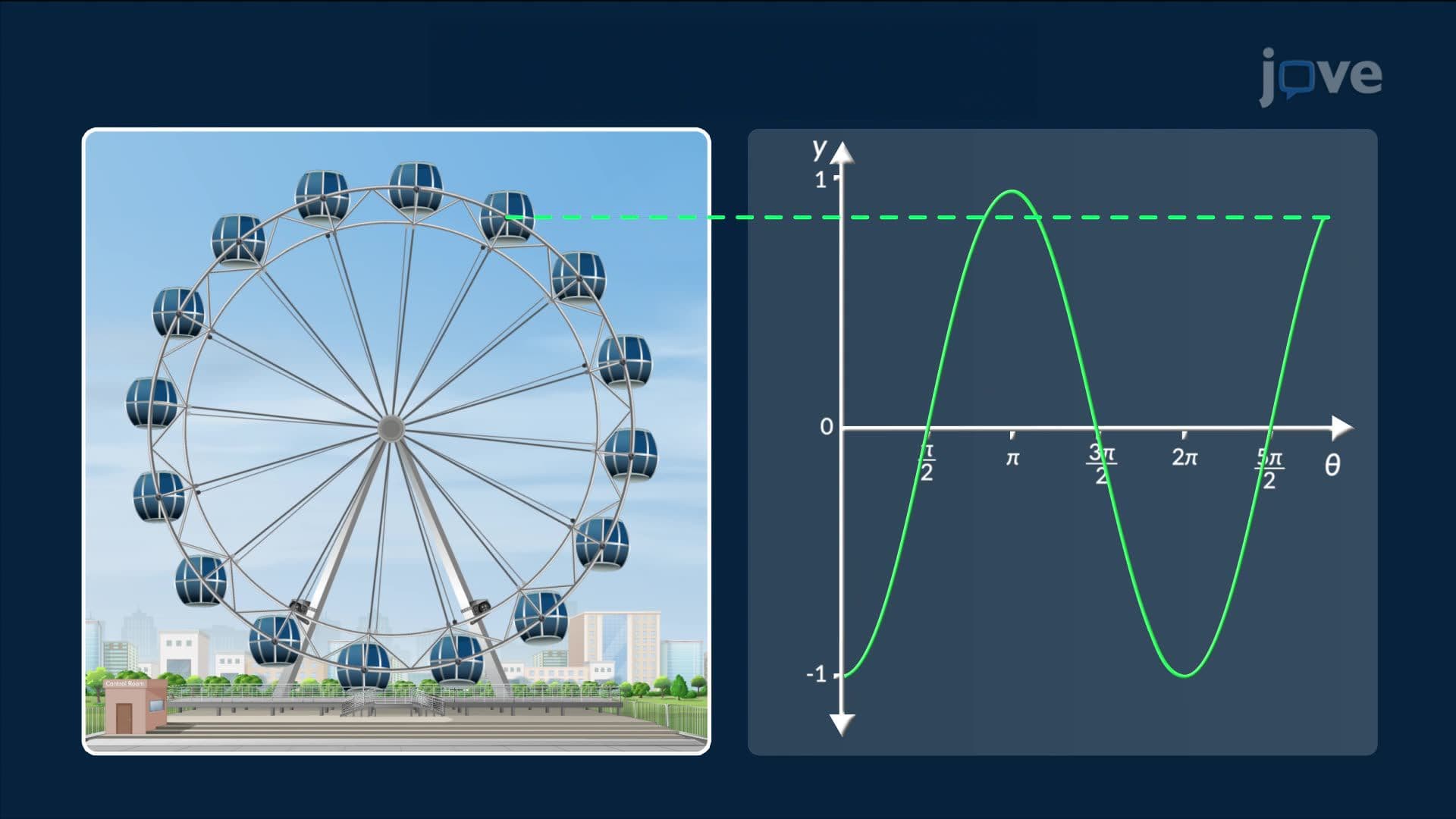
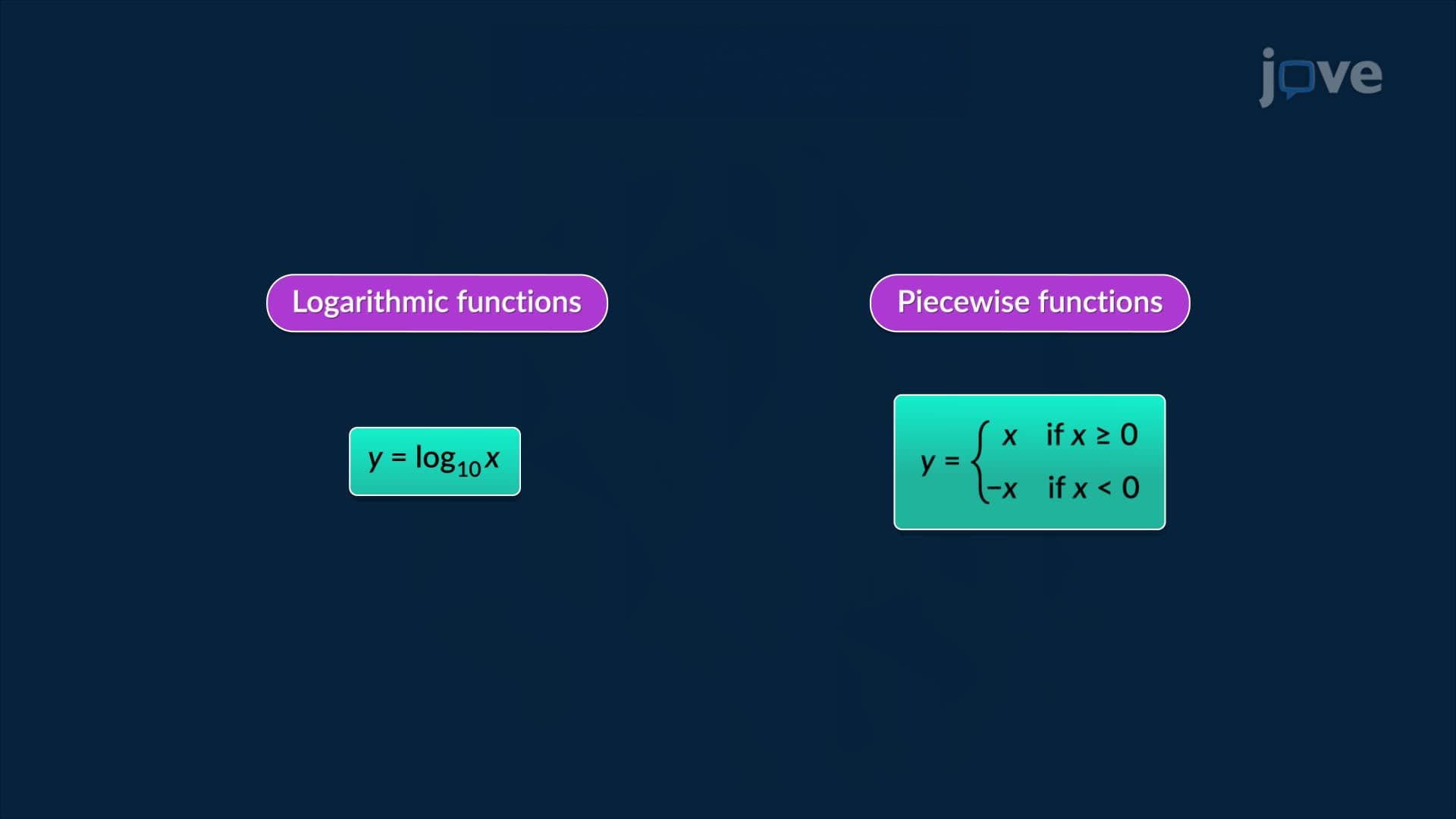
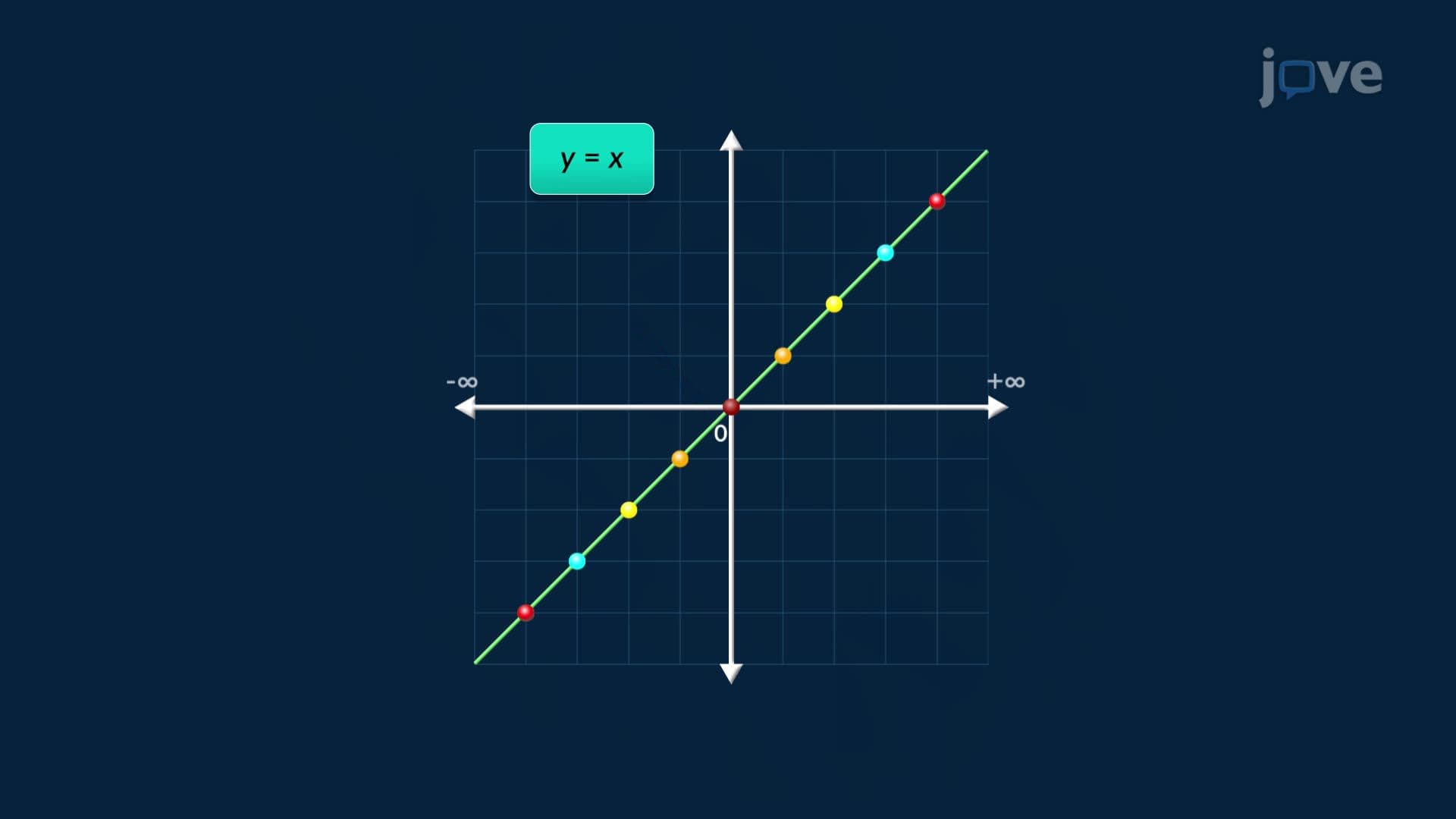
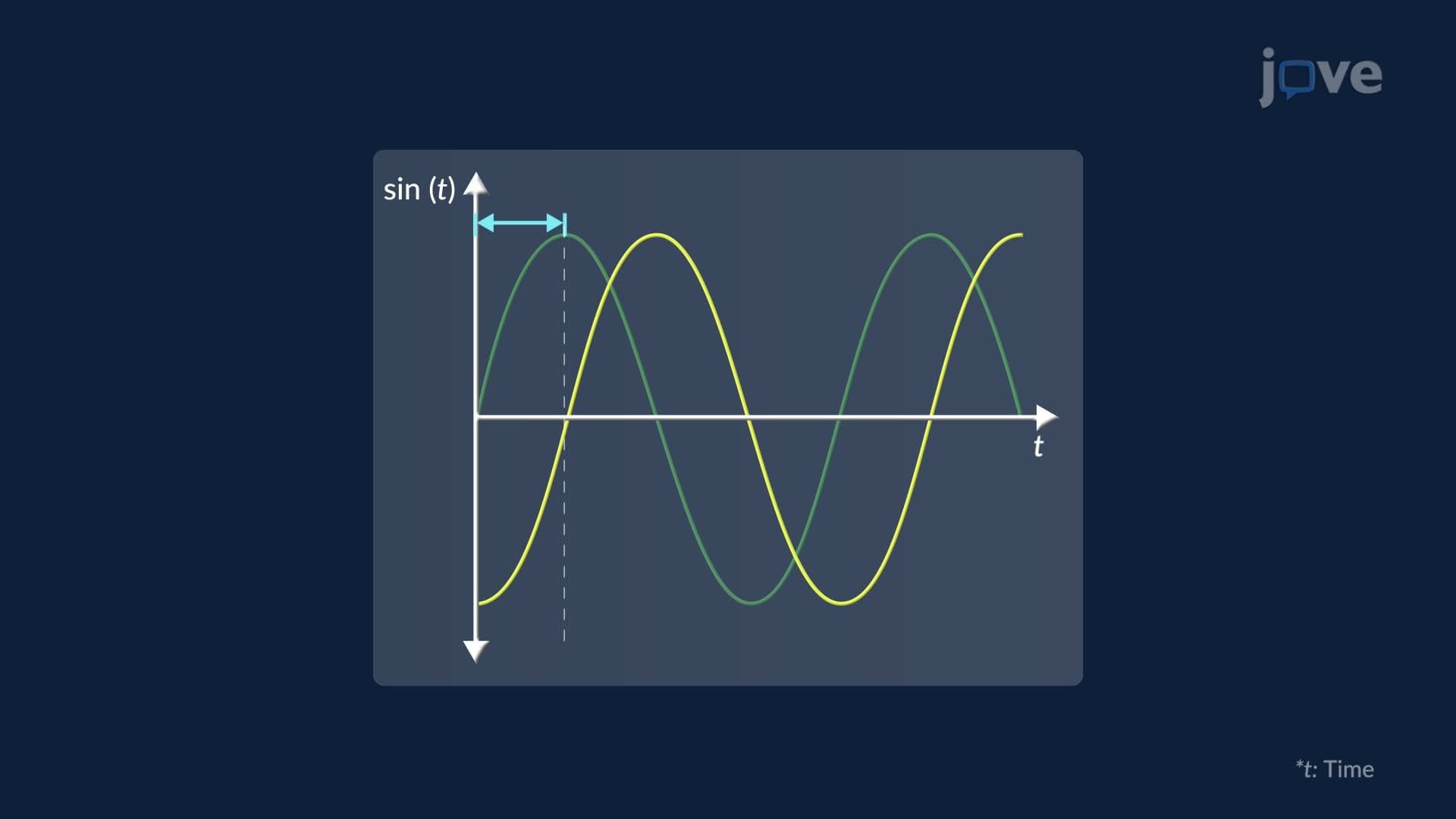
Linear functions, like the parking garage example, create straight-line graphs and have constant rates of change. However, types of functions extend far beyond linear relationships. Quadratic functions form parabolas, exponential functions show rapid growth or decay, and trigonometric functions create wave patterns. Each type serves specific purposes in modeling different real-world phenomena.
Domain and Range: The Boundaries of Functions
Every function has a domain (all possible input values) and range (all possible output values). In the parking garage scenario, the domain consists of non-negative hours because negative time doesn't make physical sense. The range includes all costs starting from the base fee and increasing without upper limit.
Understanding domain and range helps students tackle AP Calculus problems, SAT Math questions, and college algebra exams. These concepts appear frequently in standardized tests, where students must identify reasonable input values and predict corresponding outputs.
Real-World Applications and Academic Success
Functions appear everywhere in American education and careers. Business students use cost functions to analyze profit margins. Pre-med students encounter functions in pharmacokinetics on the MCAT. Engineering students apply functions to model everything from bridge loads to circuit behavior.
For high school students preparing for AP exams or college entrance tests, mastering functions is crucial. The SAT Math section regularly tests function notation, domain/range identification, and graph interpretation. College algebra courses build extensively on function concepts, making early mastery essential for academic success.
Frequently Asked Questions
Functions are mathematical rules that assign exactly one output to each input, like a vending machine that gives you exactly one item for each selection. They create predictable relationships between quantities, making them essential for solving real-world problems in science, business, and everyday life.
The key types include linear functions (straight lines), quadratic functions (parabolas), exponential functions (rapid growth/decay), and absolute value functions (V-shapes). Each type has distinct characteristics and appears regularly on SAT, AP Calculus, and state standardized tests.
The SAT Math section tests function notation like f(x) = 2x + 3, domain and range questions, and graph interpretation. AP Calculus exams focus on analyzing function behavior, finding derivatives, and solving optimization problems using various function types.
Functions are everywhere in American life: Netflix subscription pricing, gas mileage calculations, college tuition formulas, mortgage payment schedules, and even recipe scaling. Understanding functions helps you make better financial decisions and interpret data in news reports.
Not at all! Functions start with simple arithmetic and build gradually. If you can follow a recipe or calculate tips at restaurants, you already understand function thinking. Most high school algebra courses introduce functions using familiar, everyday examples.
Practice translating between the four representations: verbal, algebraic, visual, and numerical. Create your own real-world examples, work with graphing calculators, and focus on identifying domain and range in various contexts. Past AP and SAT questions provide excellent practice material.
Build toward composite functions, inverse functions, and function transformations. These concepts lead naturally into trigonometry, pre-calculus, and eventually calculus. Understanding functions deeply makes advanced mathematics much more approachable and logical.
Related Micro-courses
10 Concepts
8 Concepts
5 Concepts
Related Subjects

Physics33 micro-courses
›