Loading subject page…

- Math Fundamentals
- Functions and Their Graphs
- Types of Functions I
Micro-course: Functions and Their Graphs
721 views
Learn key concepts and earn your certificate.





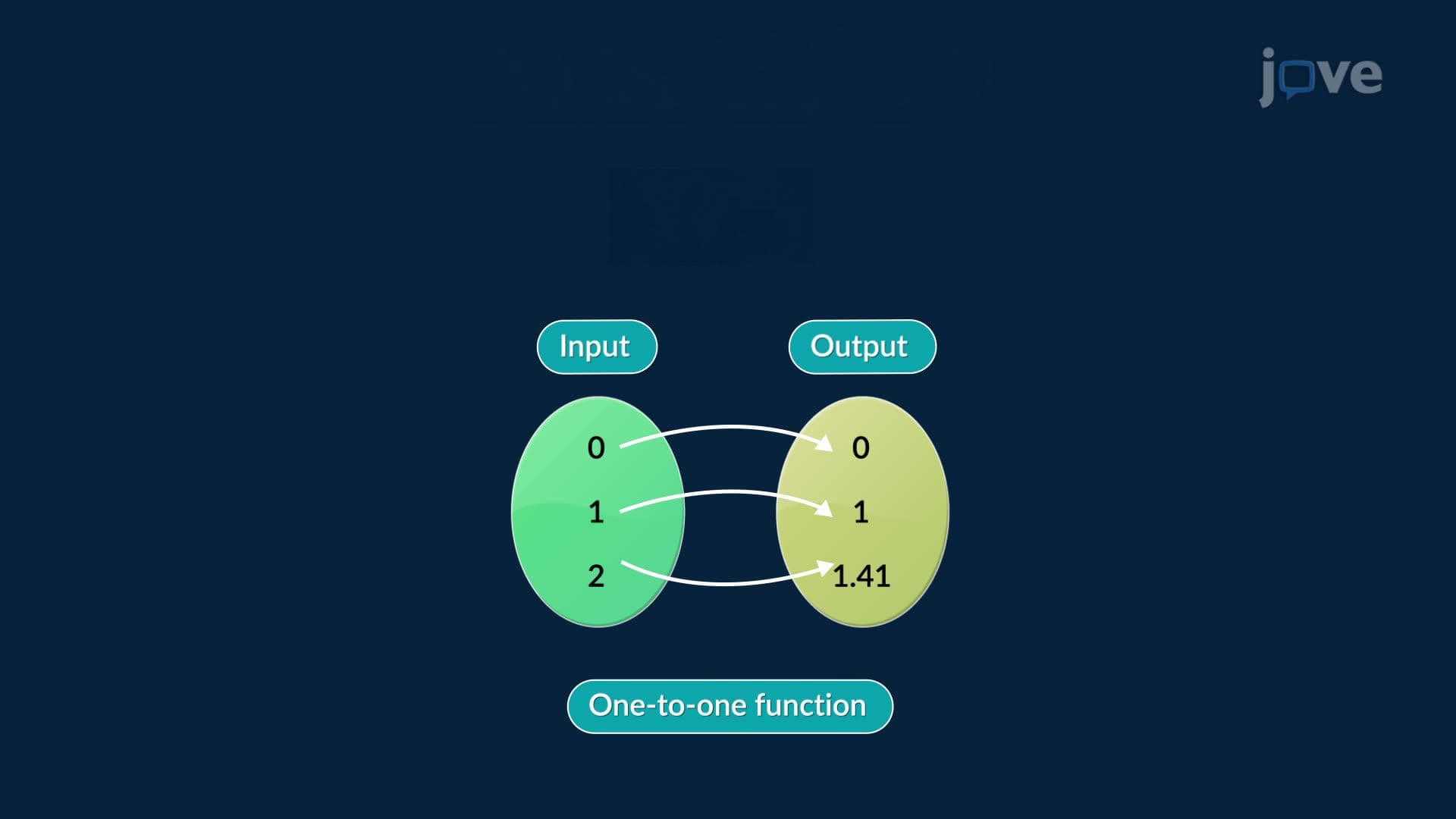
Types of Functions I


00:00
01:26
Video Summary: What are Types of Functions I
Did you know that when Netflix calculates your monthly subscription cost or a NASA engineer plots a rocket's trajectory, they're both using the types of functions i that form the foundation of mathematics? What are types of functions i encompasses algebraic functions like polynomials, rationals, and radicals that model everything from a UPS delivery truck's constant speed to Tesla's battery efficiency curves. These mathematical tools describe how quantities change and relate in our world. Watch the full video on JoVE Coach to master this concept with expert-led visuals and step-by-step explanations.
- Understand what are types of functions i and identify the three main categories of algebraic functions: polynomial, rational, and radical
- Recognize the difference between linear and nonlinear polynomial functions and their graphical representations
- Analyze how linear functions model constant rates of change in real-world scenarios like uniform motion and pricing
- Compare polynomial degrees and predict how they affect function behavior and graph shapes
- Evaluate rational functions as ratios that express relationships like cost per unit or speed calculations
- Apply radical functions to solve geometric problems involving square roots and higher-order roots
- Identify appropriate function types for modeling different mathematical and real-world situations
- Explore connections between algebraic operations and their corresponding function families
Understanding What are Types of Functions I: The Algebraic Foundation
The types of functions i represent the most fundamental algebraic functions that every student encounters in mathematics. These functions are constructed using basic arithmetic operations-addition, subtraction, multiplication, division, and taking roots-making them the building blocks for more complex mathematical modeling. Understanding these function types is crucial for success on the SAT Math section, AP Calculus exams, and college algebra courses.
Polynomial Functions: Linear and Beyond
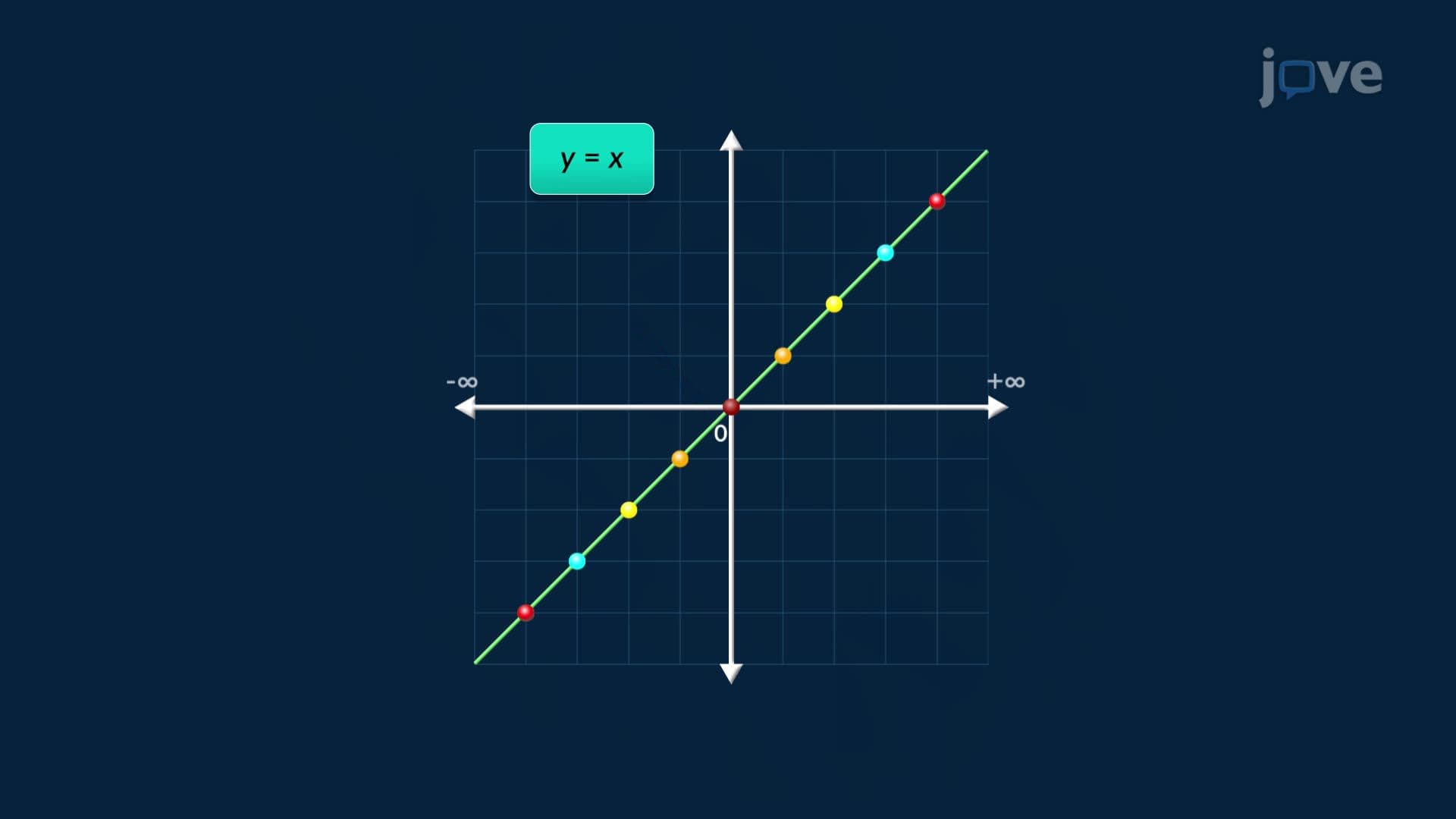
Polynomial functions form the largest category within types of functions i. Linear functions, the simplest polynomials with degree one, create straight-line graphs and model constant rates of change. For example, if Amazon charges $15 per month for Prime membership, the total cost function C(t) = 15t represents a linear relationship between time and total payment.
Nonlinear polynomials include quadratics, cubics, and higher-degree functions. A quadratic function like A(r) = πr² models the area of a circular pizza based on radius, while cubic functions such as V(s) = s³ calculate the volume of dice or storage cubes. These functions appear frequently in AP Physics problems and SAT Subject Test questions, where students must recognize parabolic motion or optimize three-dimensional measurements.
Rational Functions: Ratios in Real Applications
Rational functions express one polynomial divided by another, creating ratios that model efficiency, rates, and averages. The average cost function AC(x) = (Fixed Costs + Variable Costs)/x helps business students understand economies of scale. When Starbucks calculates average cost per coffee cup, they're using rational functions to optimize pricing strategies.
These functions often feature asymptotes-lines the graph approaches but never touches-which represent practical limits in real situations. For instance, as production quantity increases, average cost approaches but never reaches the variable cost per unit.
Radical Functions: Roots and Geometric Applications
Radical functions involve square roots, cube roots, or higher-order roots, frequently appearing in geometry and physics applications. The distance formula d = √[(x₂-x₁)² + (y₂-y₁)²] uses square roots to calculate distances between points on coordinate planes. Engineering students use radical functions when calculating structural loads, while medical students encounter them in dosage calculations involving body surface area.
These functions are essential for AP Calculus students learning about inverse relationships and for college algebra students preparing for STEM majors.
Frequently Asked Questions
Types of functions i are algebraic functions built from basic arithmetic operations: polynomials, rationals, and radicals. They're fundamental because they model most real-world relationships you'll encounter in high school and college mathematics. Mastering these functions prepares you for advanced topics and standardized tests like the SAT and AP exams.
The SAT frequently tests polynomial functions through graphing questions, rational functions in word problems about rates and ratios, and radical functions in geometry contexts. You'll see linear functions in data analysis, quadratics in optimization problems, and rational expressions in proportion questions. Understanding function types helps you choose the right approach quickly.
AP Calculus emphasizes polynomial functions for derivatives and integrals, rational functions for limits and asymptotes, and radical functions for chain rule applications. Free-response questions often combine multiple function types, requiring you to analyze their behavior, find intersections, and solve optimization problems using calculus techniques.
Companies like Apple use linear functions for subscription pricing, quadratic functions to model profit curves, and rational functions to calculate efficiency metrics like cost per user acquisition. McDonald's uses polynomial functions to optimize food production schedules, while banks employ rational functions to determine loan payment structures and interest calculations.
No, these functions build on basic algebra skills you already know. If you can perform arithmetic operations, solve simple equations, and plot points on graphs, you have the foundation needed. Start with linear functions and gradually work toward more complex polynomials, rationals, and radicals as your confidence grows.
Focus on recognizing patterns rather than memorizing formulas. Practice identifying function types by their equations and graphs, then connect each type to real-world examples that make sense to you. Create function family cards showing the general form, graph shape, and common applications for quick review before tests.
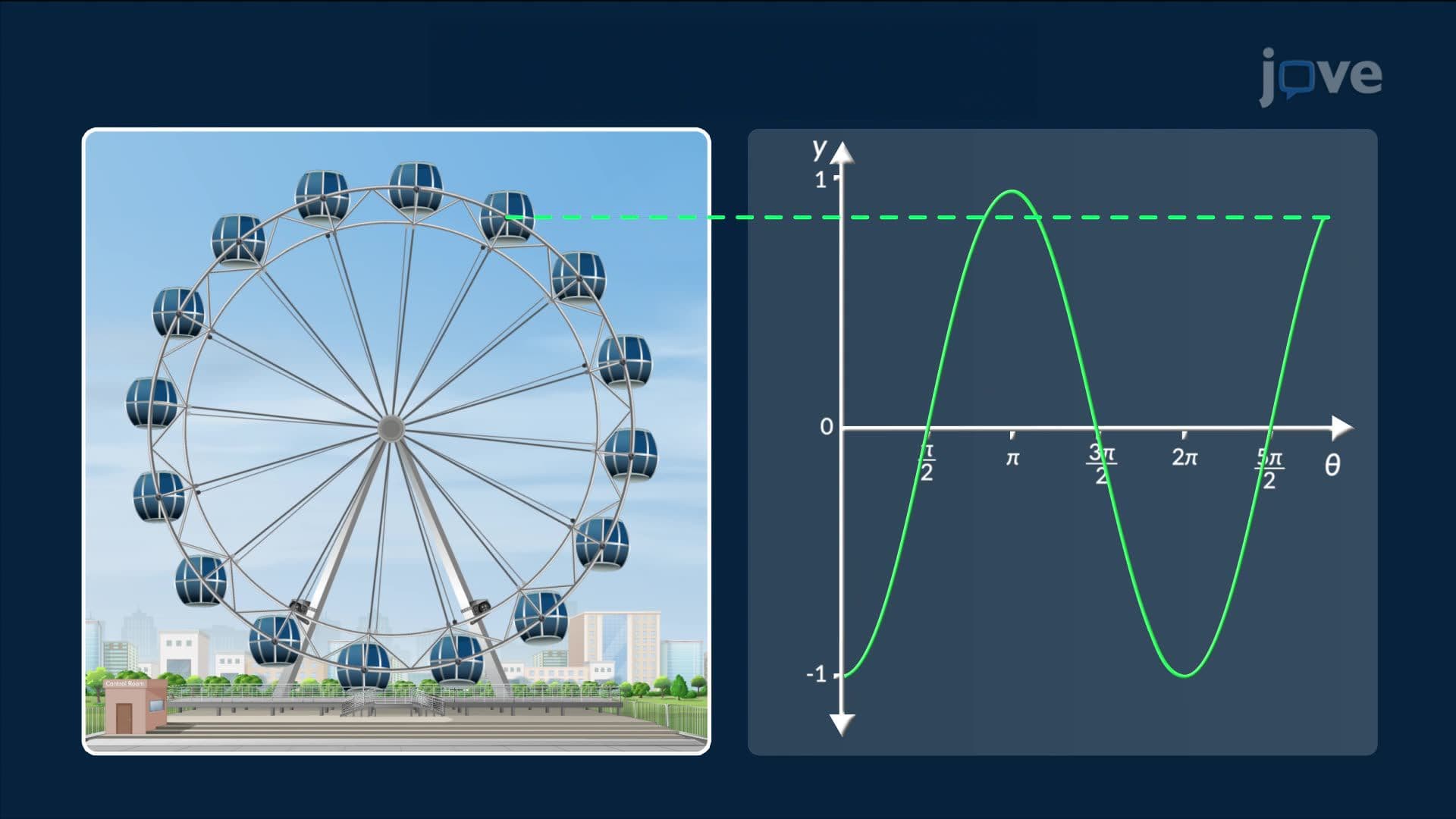
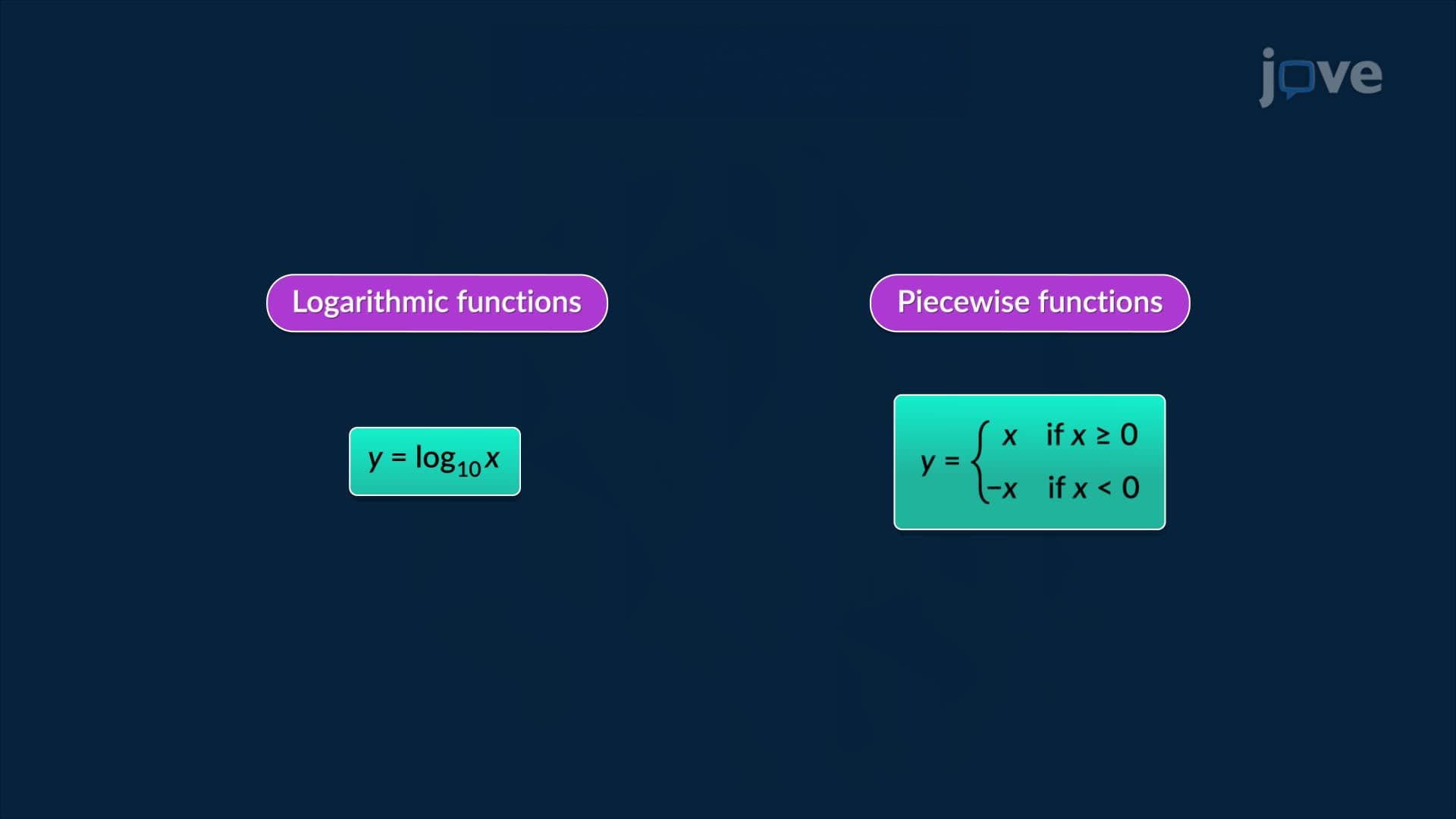
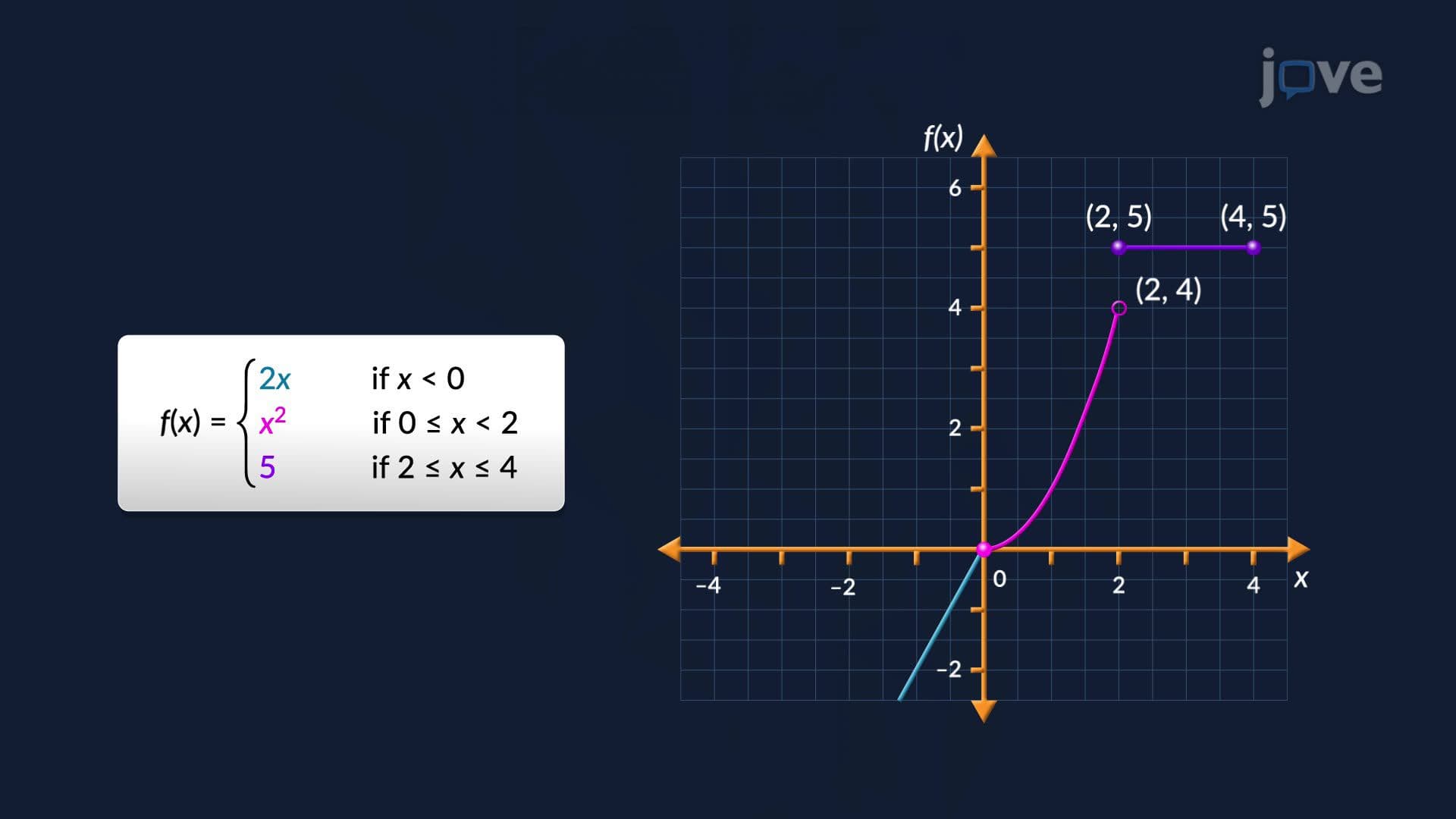
Build toward exponential and logarithmic functions, which model growth and decay in finance and science. Then explore trigonometric functions for periodic behavior and piecewise functions for complex real-world modeling. These advanced function types prepare you for calculus, statistics, and specialized STEM coursework.
Related Micro-courses
10 Concepts
8 Concepts
5 Concepts