Loading subject page…

721 views

Video Summary: What are Types of Functions Ii
Ever wonder how NASA predicts satellite orbits or how the CDC models disease spread? Types of functions II explores advanced mathematical relationships beyond basic algebra, including trigonometric and exponential functions. These powerful tools model everything from the Golden Gate Bridge's cable curves to compound interest in your college savings account. Understanding what are types of functions II means grasping how sine waves describe sound frequencies and exponential growth explains viral social media trends. Watch the full video on JoVE Coach to master this concept with expert-led visuals and step-by-step explanations.
Types of functions II represents the next level of mathematical modeling, moving beyond simple linear and quadratic relationships to explore functions that capture complex real-world behaviors. While basic functions handle straightforward relationships, these advanced function types model phenomena with periodic cycles, rapid changes, and exponential patterns that appear throughout science, engineering, and finance.
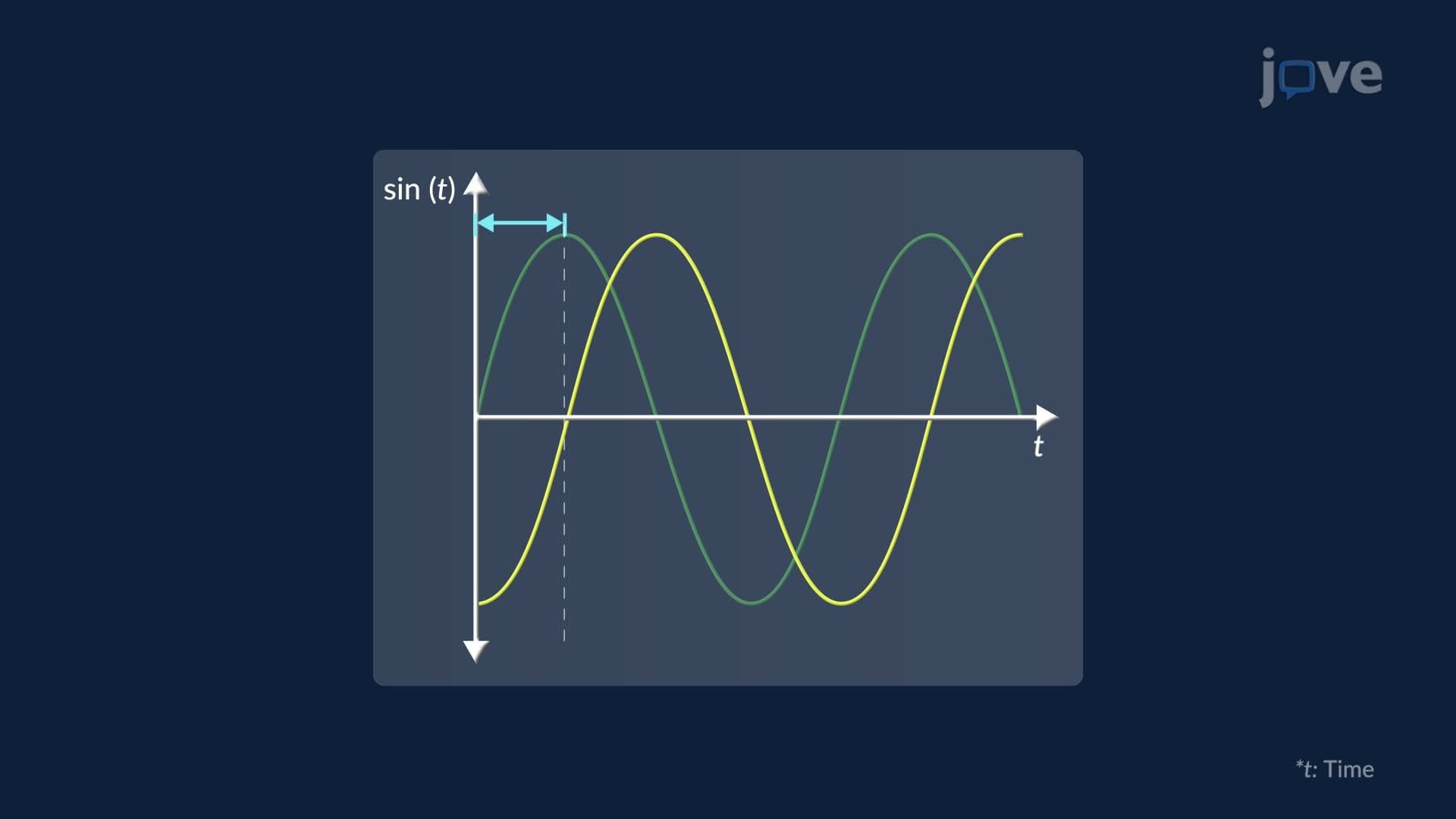
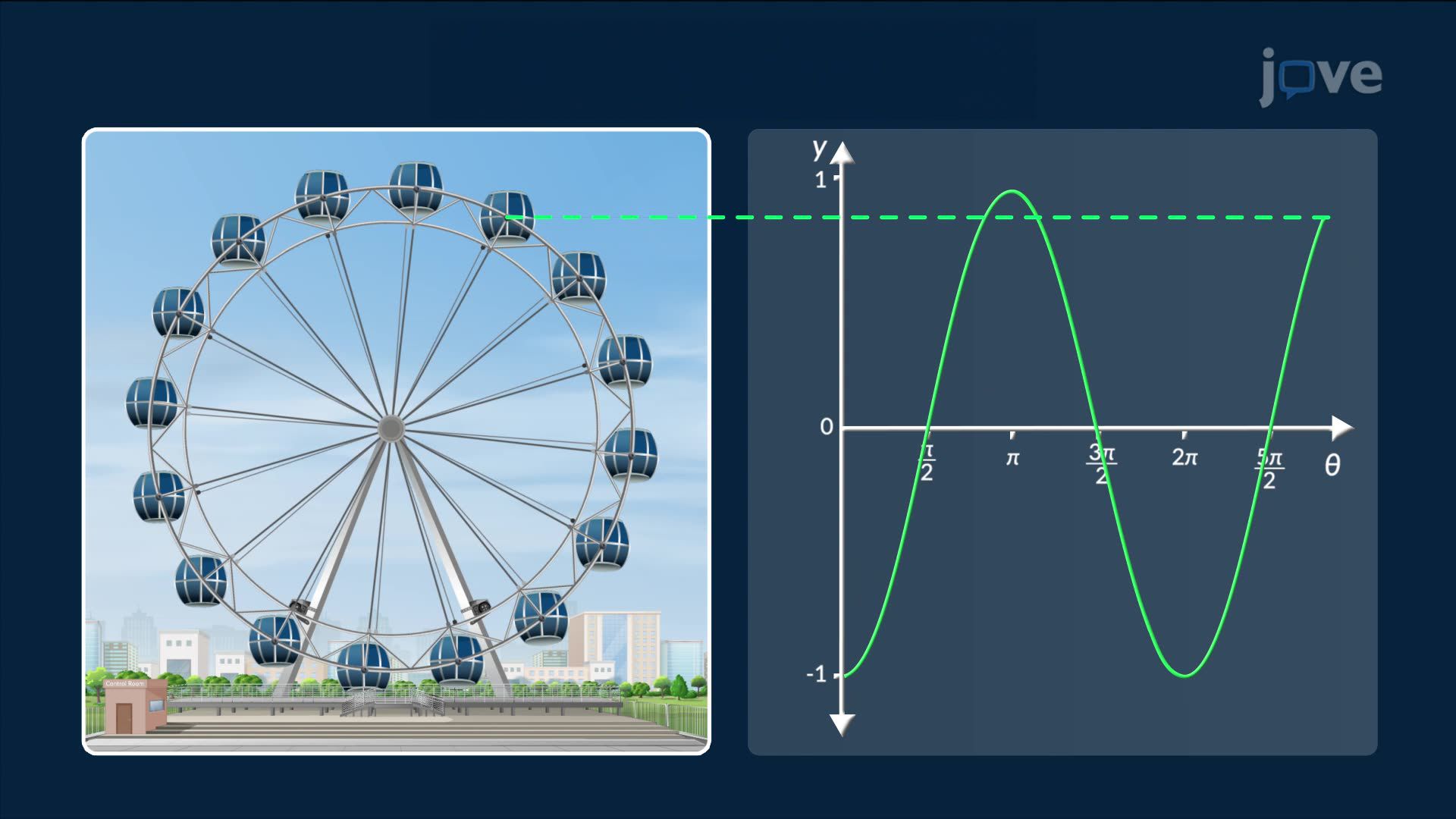
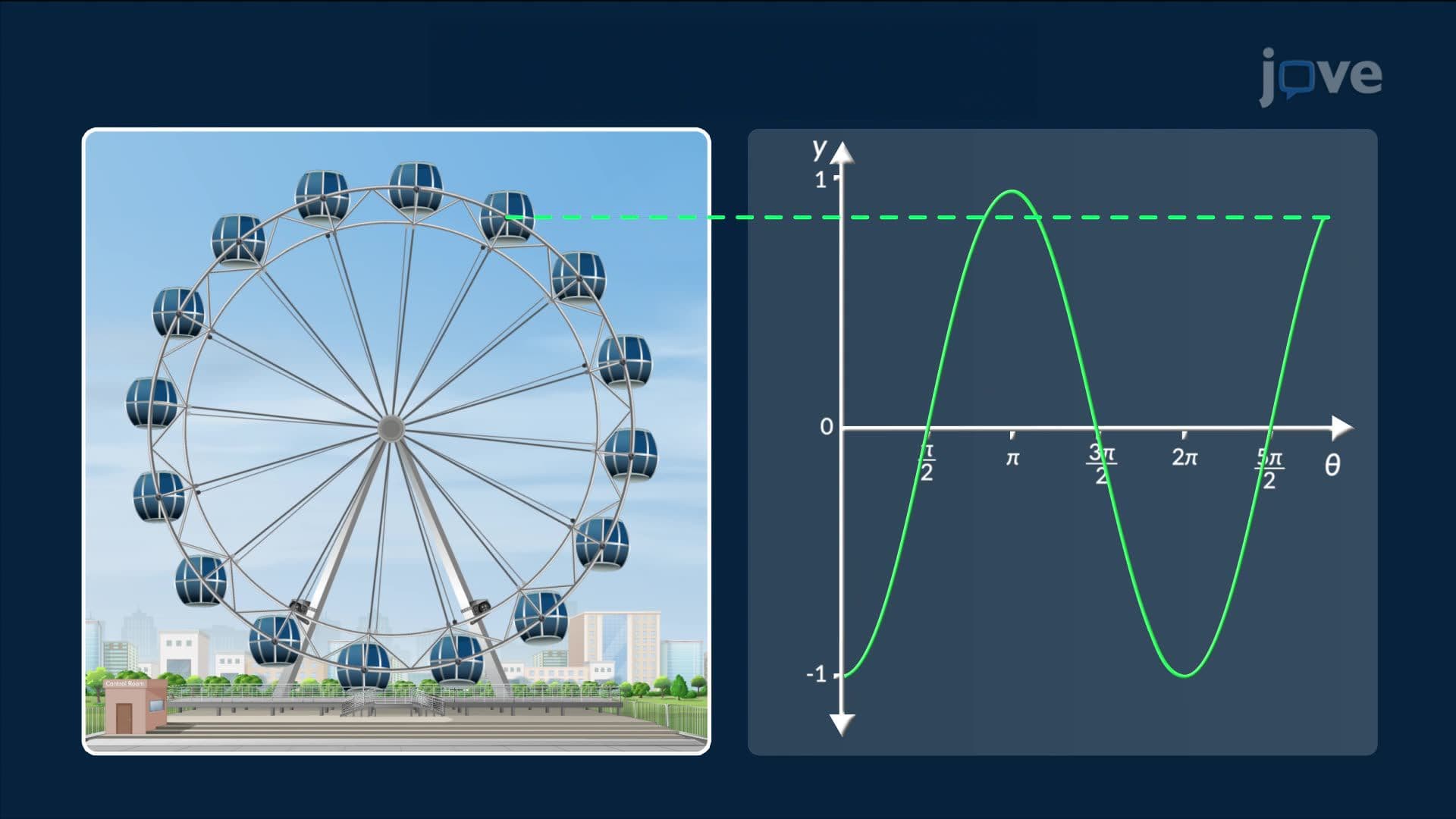
Trigonometric functions like sine, cosine, and tangent excel at describing repeating patterns. The sine function, written as y = sin(x), creates smooth wave patterns that repeat every 2π units. Think of the Statue of Liberty's torch swaying in harbor winds-the motion follows a predictable sine wave pattern.
These functions prove essential in engineering applications. When structural engineers design the suspension cables for bridges like San Francisco's Bay Bridge, they use sine and cosine functions to calculate load distributions and oscillation patterns. The functions help predict how the bridge responds to wind loads and traffic patterns.
In AP Calculus and college trigonometry courses, students learn that sine and cosine functions have specific properties: amplitude (wave height), period (cycle length), and phase shift (horizontal displacement). Understanding these characteristics helps solve problems involving alternating current in electrical engineering or seasonal temperature variations in climatology.
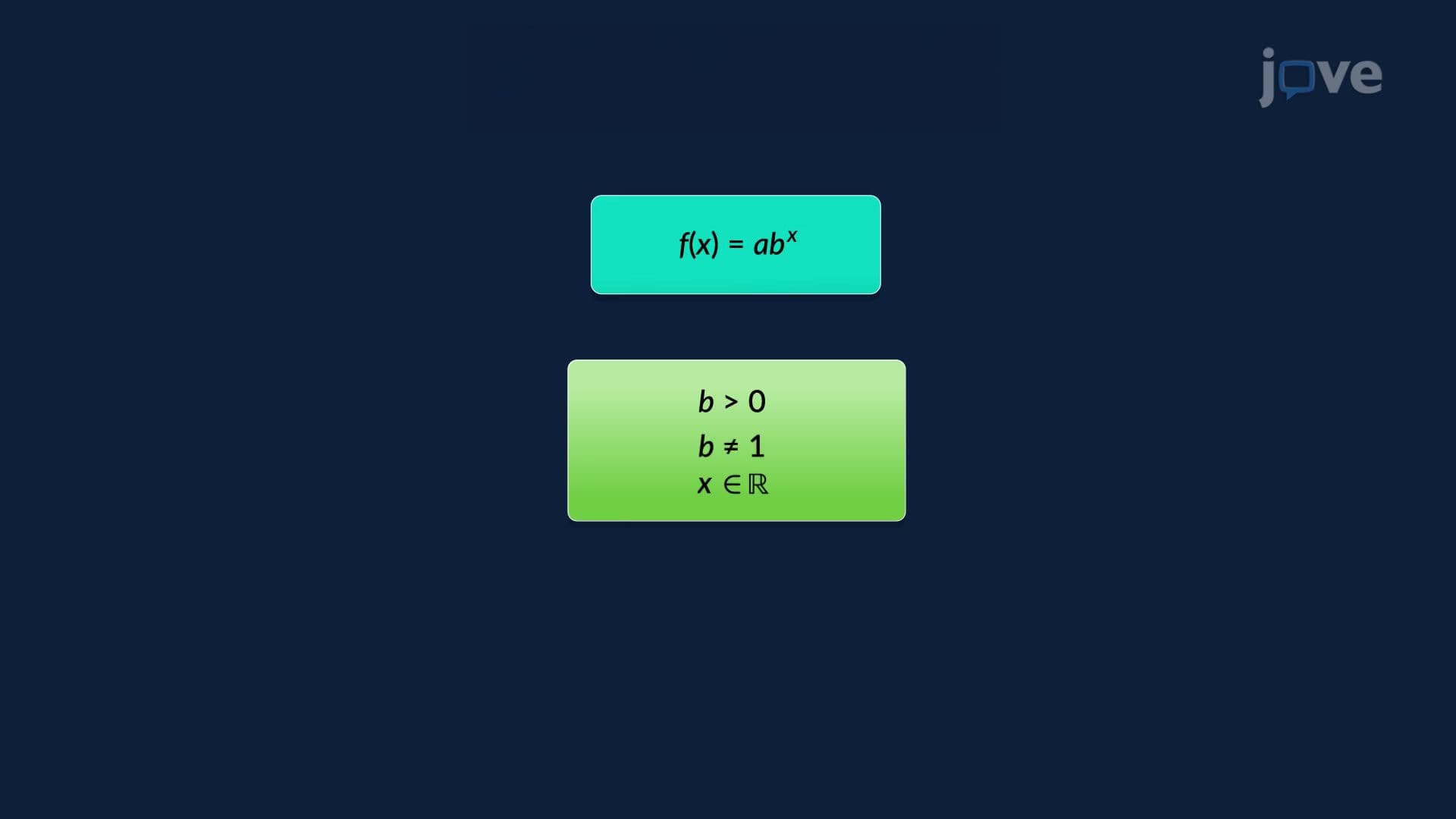
Exponential functions, expressed as y = a^x or y = ae^(bx), model situations where quantities change by constant percentages rather than constant amounts. When the exponent is positive, the function shows exponential growth-like compound interest in a 529 college savings plan or viral spread on social media platforms.
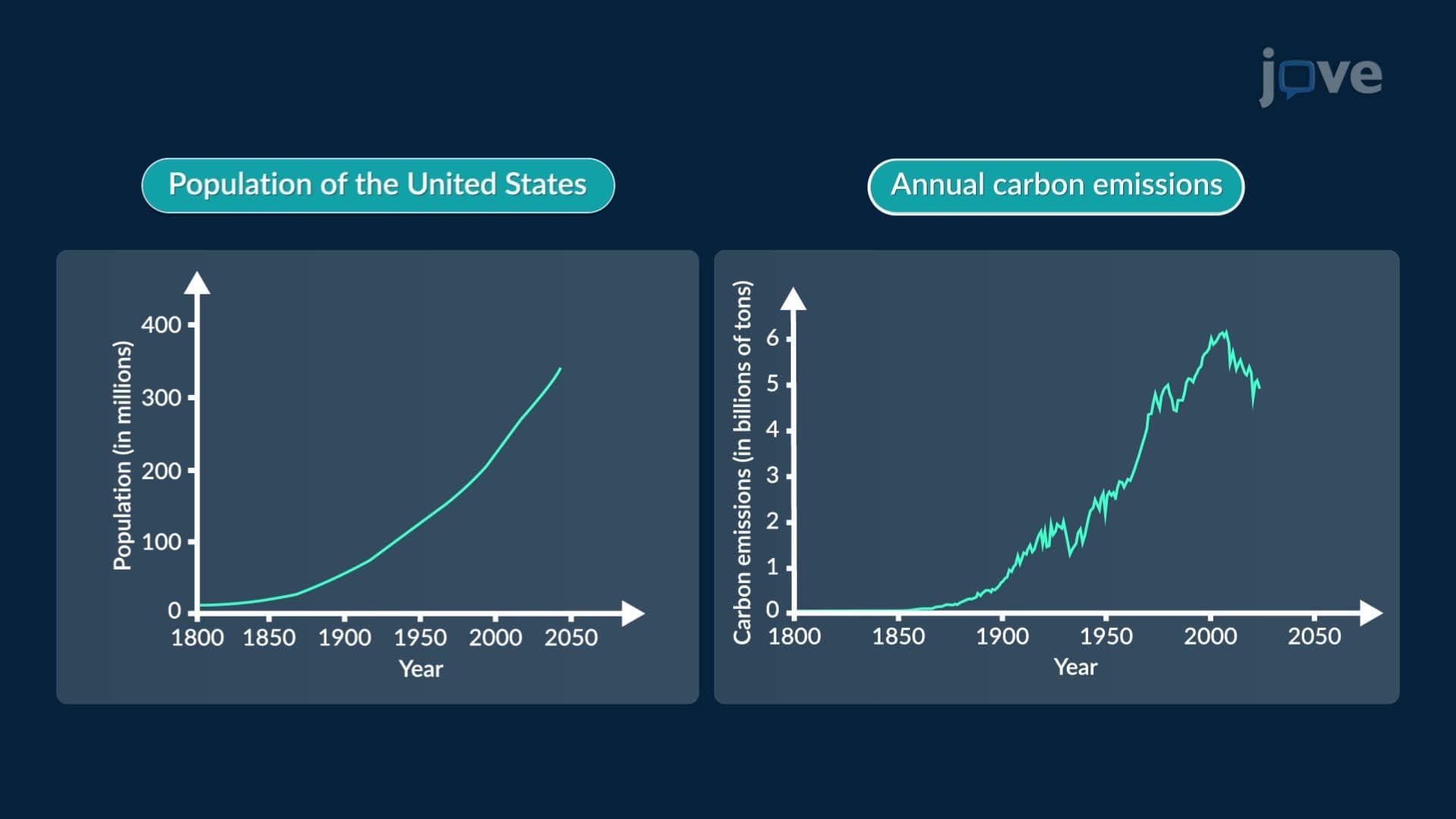
Consider how the Federal Reserve analyzes economic growth rates. A 3% annual GDP growth compounds exponentially, meaning the economy doesn't just add the same dollar amount each year-it grows by 3% of an increasingly larger base. This exponential pattern appears in population studies conducted by the U.S. Census Bureau and in pharmaceutical research tracking drug concentration decay in patients.
Negative exponents create exponential decay, crucial for understanding radioactive half-life calculations in nuclear medicine or predicting medication effectiveness over time. Medical students studying for the MCAT encounter these concepts when learning how radioisotopes used in diagnostic imaging lose potency predictably.
Both function types appear regularly on standardized tests. The SAT Math section includes trigonometric applications, while AP Calculus BC covers exponential growth and decay extensively. College students in STEM fields use these concepts in courses ranging from Physics (wave mechanics) to Economics (compound growth models) to Biology (population dynamics).
Related Micro-courses