Loading subject page…
- Math Fundamentals
- Functions and Their Graphs
- Transformations of Functions II
Micro-course: Functions and Their Graphs
721 views
Learn key concepts and earn your certificate.





Transformations of Functions II

00:00
01:29
Video Summary: What Is Transformations of Functions Ii
Why does adding a number to x in a function equation move the graph left instead of right? Transformations of functions II explores the counterintuitive world of horizontal shifts, where f(x + 5) shifts left by 5 units. This concept explains phase shifts in electrical engineering-like how current and voltage waveforms in AC circuits become misaligned in inductors and capacitors used throughout US power grids. Watch the full video on JoVE Coach to master this concept with expert-led visuals and step-by-step explanations.
- Understand how transformations of functions II specifically focuses on horizontal shifts and their counterintuitive directional behavior
- Identify the difference between f(x + a) and f(x - a) transformations and predict their graphical effects
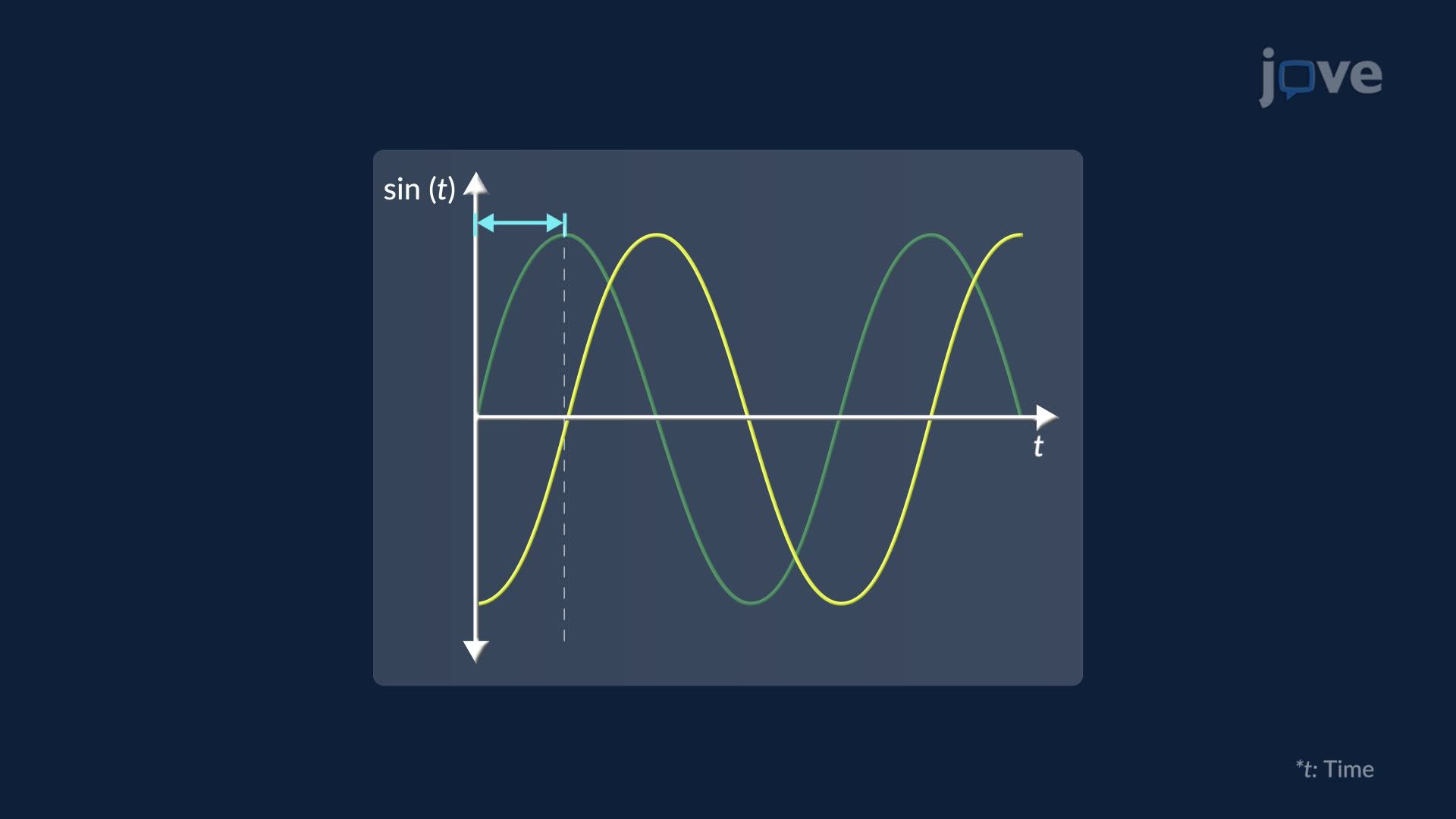
- Analyze phase shifts in periodic functions and connect them to real-world wave phenomena
- Apply horizontal transformation rules to solve problems involving function graphs and equations
- Recognize phase shift applications in AC electrical circuits, including inductor and capacitor behavior
- Evaluate why horizontal shifts appear to move opposite to the algebraic sign in the equation
- Compare horizontal transformations with other function transformations studied in previous coursework
- Explore the mathematical reasoning behind counterintuitive horizontal shift directions
Understanding Transformations of Functions II: Horizontal Shifts
Transformations of functions II builds upon basic function transformations by focusing specifically on horizontal shifts-one of the most conceptually challenging transformations for students. Unlike vertical shifts that behave intuitively, horizontal shifts create a paradox: adding to x moves the graph left, while subtracting moves it right.
The Mathematics Behind Horizontal Shifts
When we transform f(x) to f(x + h), we're asking: "What input value now produces the same output that x = 0 originally produced?" If f(x + 5) represents our new function, then to get the same output that originally occurred at x = 0, we need x = -5. This is because (-5) + 5 = 0. Consequently, every point on the original graph shifts 5 units to the left.
This concept frequently appears on AP Calculus exams and SAT Subject Tests, where students must quickly identify transformation effects. College algebra courses at institutions like Ohio State University and University of California system schools emphasize this counterintuitive behavior because it demonstrates the importance of understanding function composition rather than relying on superficial pattern recognition.
Phase Shifts in Periodic Functions
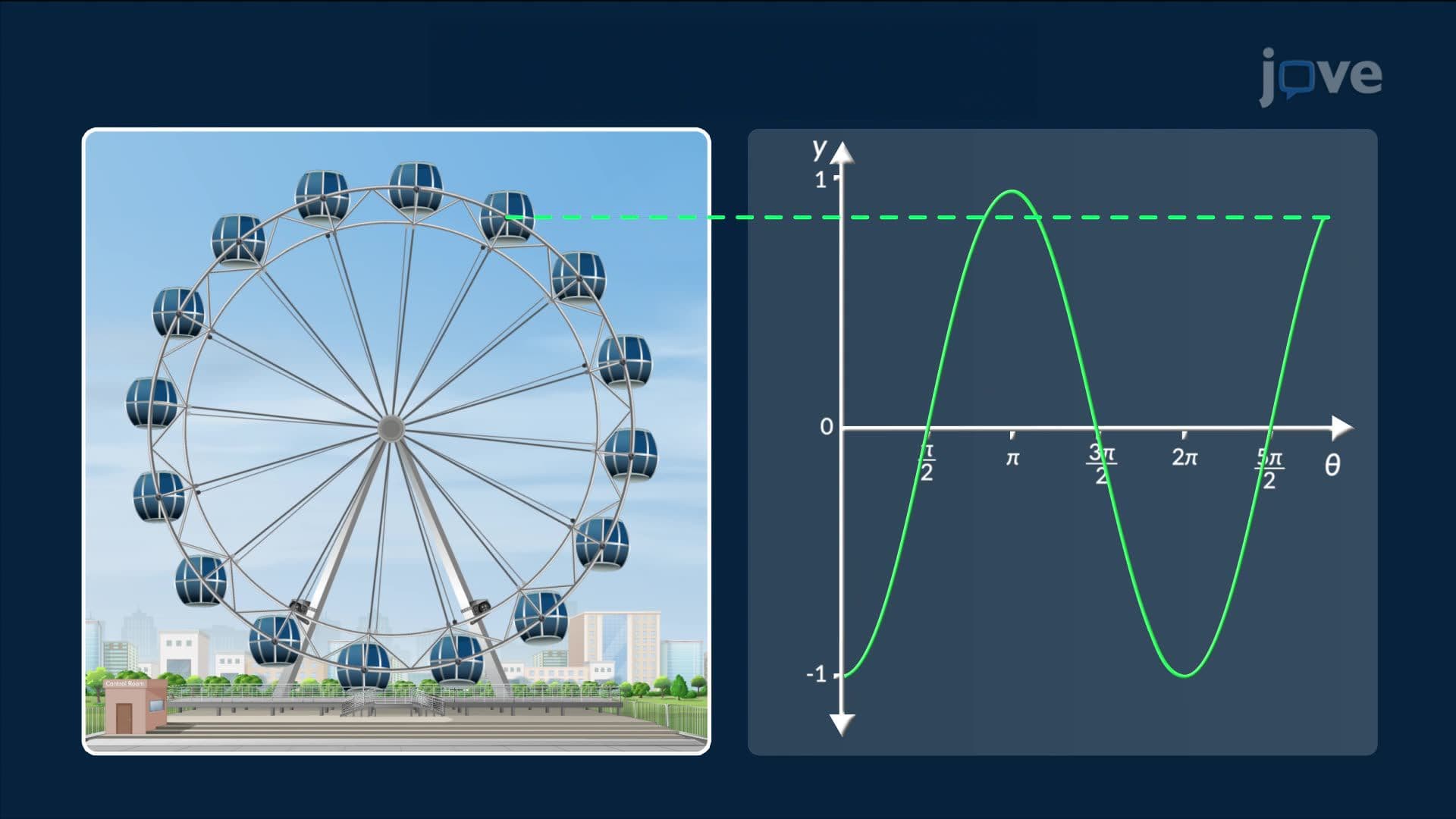
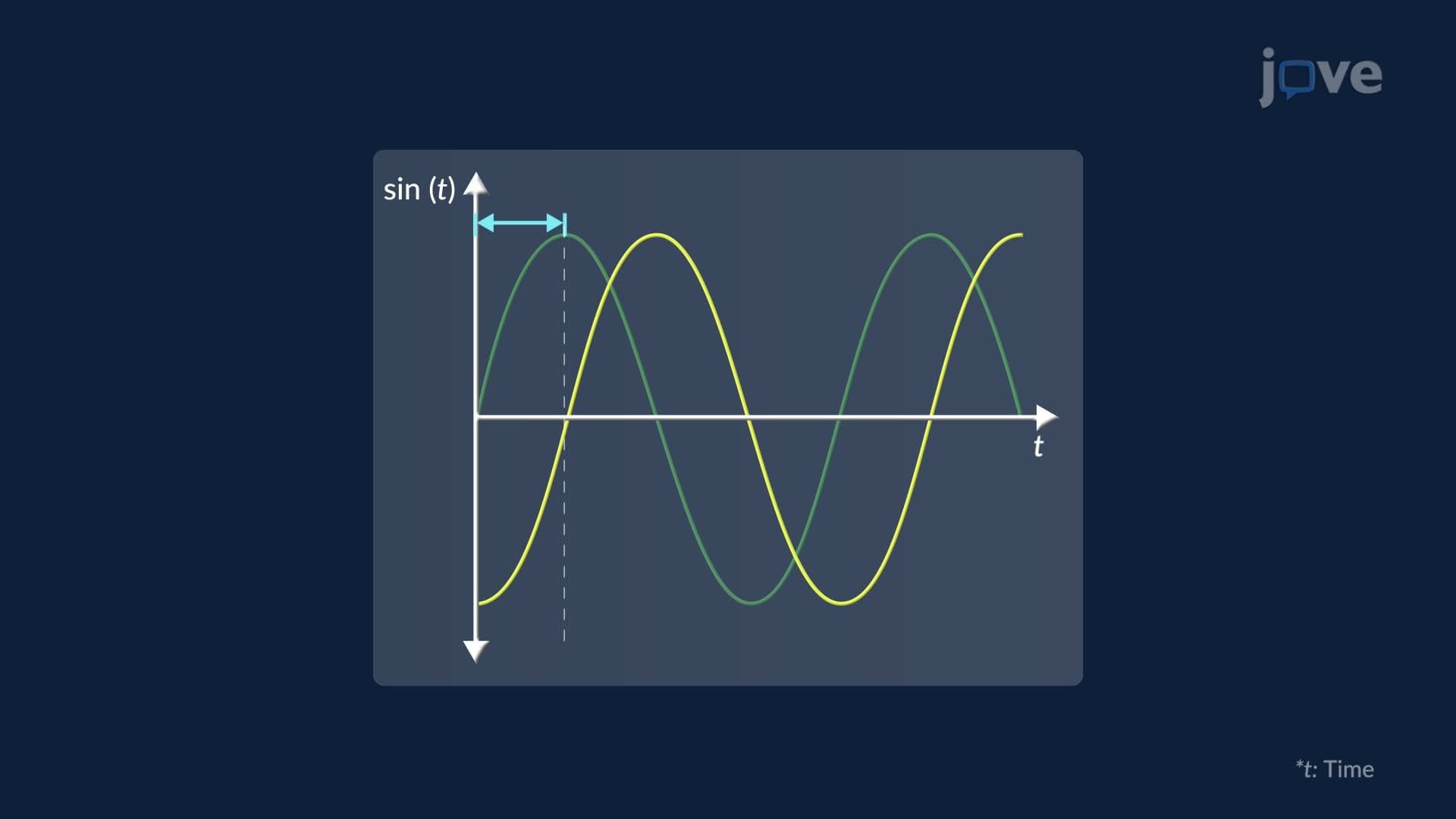
For periodic functions like sine and cosine, horizontal shifts become "phase shifts"-a term borrowed from physics and engineering. In trigonometry courses, students encounter expressions like sin(x - π/3), which shifts the sine curve right by π/3 units. This mathematical concept directly translates to electrical engineering applications.
Real-World Applications in AC Circuits
Phase shifts appear prominently in AC electrical systems throughout the United States. In household electrical circuits (120V AC at 60 Hz), inductors cause current to lag behind voltage, while capacitors cause current to lead voltage. Power companies must account for these phase differences when designing transmission systems from power plants in Texas to distribution networks in New York.
Electrical engineering students at universities like MIT and Stanford study how these mathematical transformations predict circuit behavior, making transformations of functions II essential for understanding power grid stability and efficiency.
Frequently Asked Questions
Transformations of functions II specifically focuses on horizontal shifts, which move function graphs left or right without changing their shape. Unlike basic transformations that often behave intuitively, horizontal shifts are counterintuitive: f(x + a) shifts left by 'a' units, while f(x - a) shifts right by 'a' units. This advanced topic builds upon vertical transformations and scaling covered in introductory courses.
These exams frequently test horizontal shift recognition through multiple-choice questions showing transformed graphs. Students must identify which equation matches a shifted function or predict the graph's new position. The College Board emphasizes this concept because it tests deep understanding rather than memorization, often combining horizontal shifts with other transformations in complex problems.
Absolutely-this concept appears extensively in college algebra, trigonometry, and calculus courses at universities nationwide. Students encounter horizontal shifts when studying inverse functions, composite functions, and advanced graphing techniques. Engineering programs particularly emphasize this concept for signal processing and circuit analysis applications.
Electrical engineers working for companies like General Electric or Tesla use phase shift principles to design efficient power systems and electric vehicle charging networks. Audio engineers in Nashville's music industry apply phase shifts for sound mixing, while telecommunications engineers use them in 5G network design across major US cities.
Not at all-while the counterintuitive nature initially challenges students, the concept builds naturally from function notation understanding. Students who master basic function evaluation can succeed with horizontal transformations through consistent practice and visual learning approaches. The key is recognizing patterns rather than memorizing rules.
Practice with graphing technology like Desmos or TI-84 calculators to visualize how equations connect to graph movements. Create transformation tables comparing f(x + a) and f(x - a) effects, then test your predictions. Focus on understanding why the direction reverses rather than memorizing which way graphs move.
Progress to composite function transformations, where you combine multiple transformation types simultaneously. Advanced topics include inverse function transformations, parametric equations, and polar coordinate transformations. These concepts form the foundation for multivariable calculus and differential equations in university-level mathematics.
Related Micro-courses
10 Concepts
8 Concepts
5 Concepts