Loading subject page…

- Mechanical Engineering
- Internal Forces
- Bending and Torsional Moments
Micro-course: Internal Forces
24,489 views
Learn key concepts and earn your certificate.
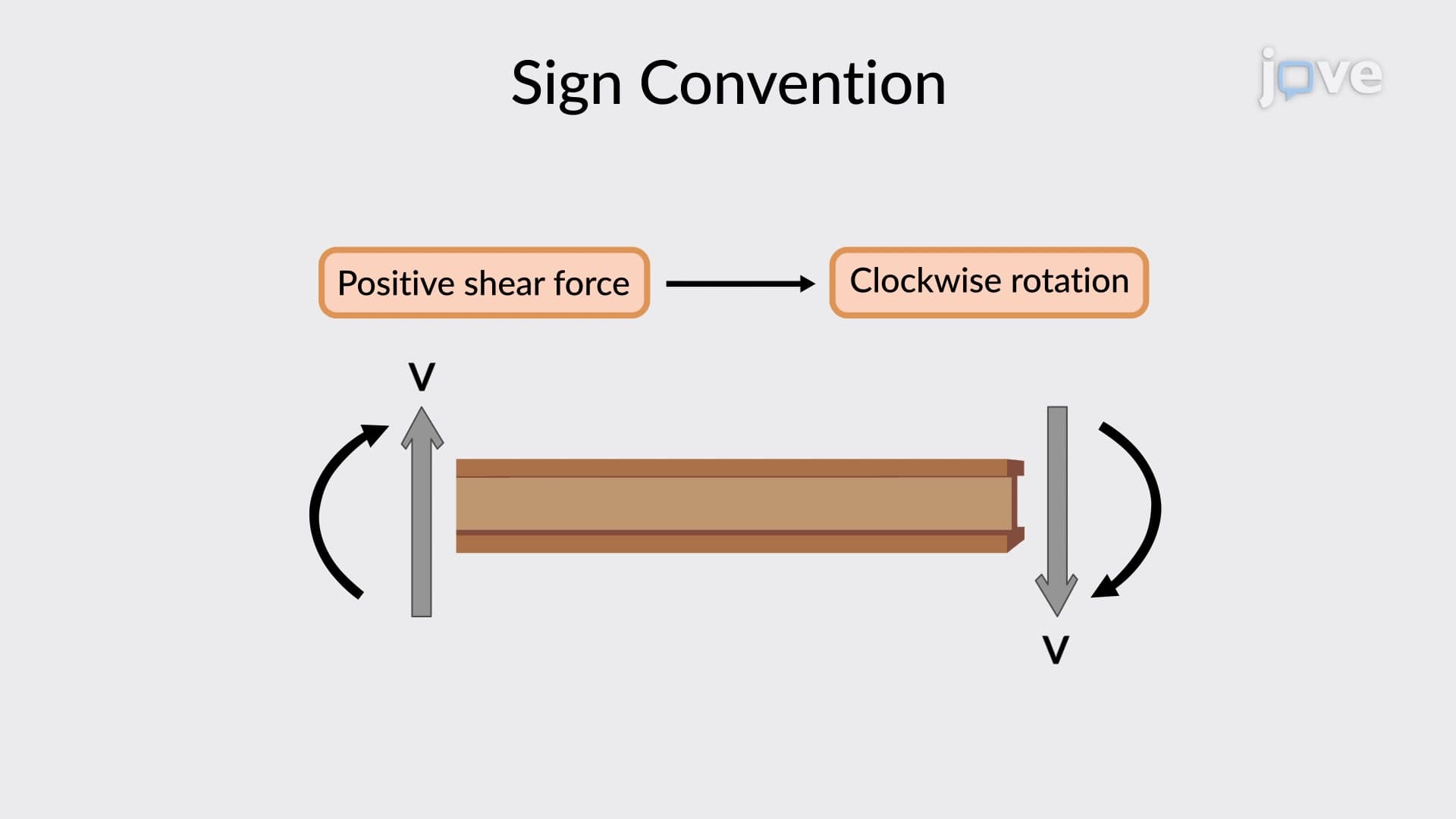

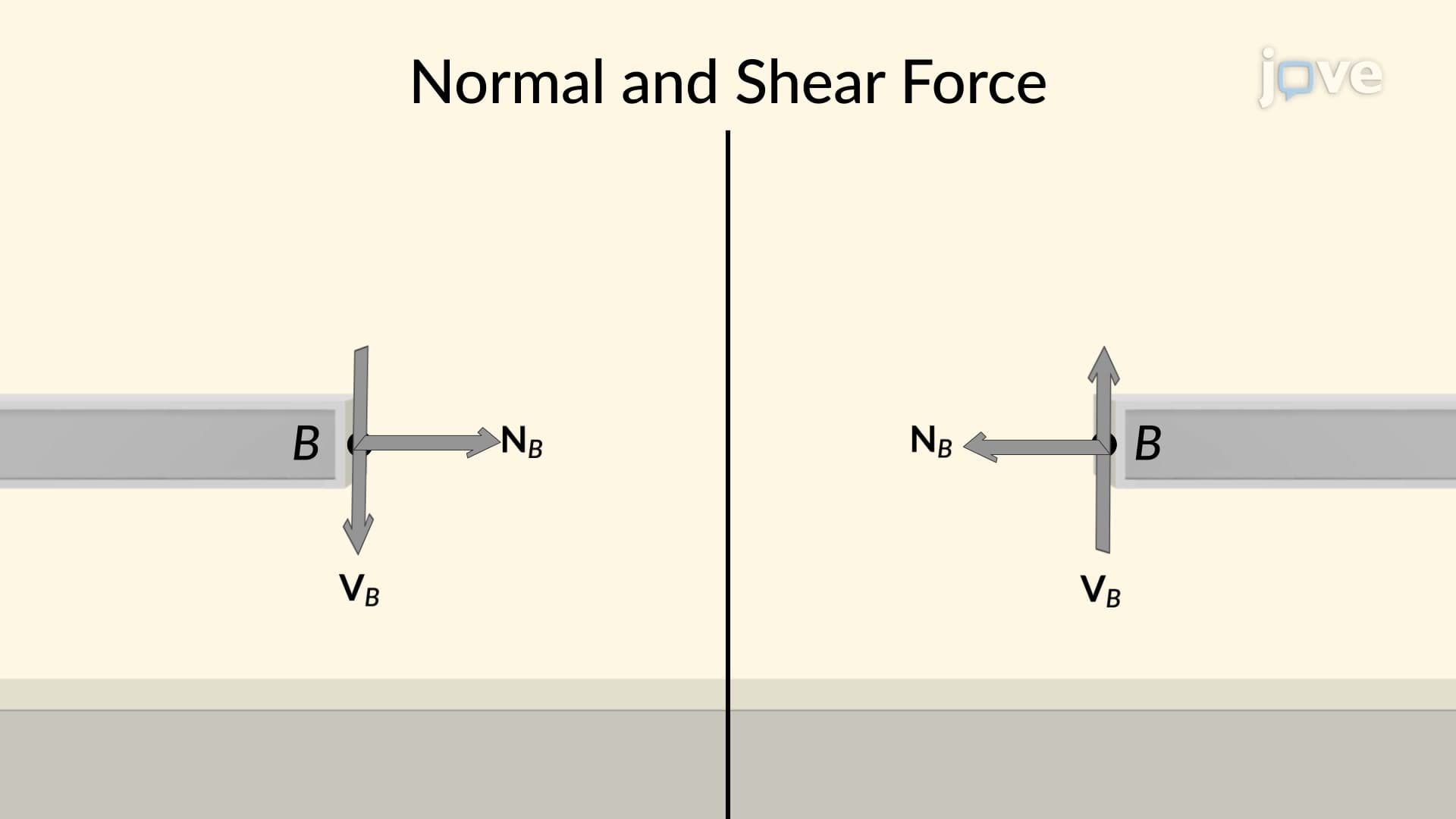
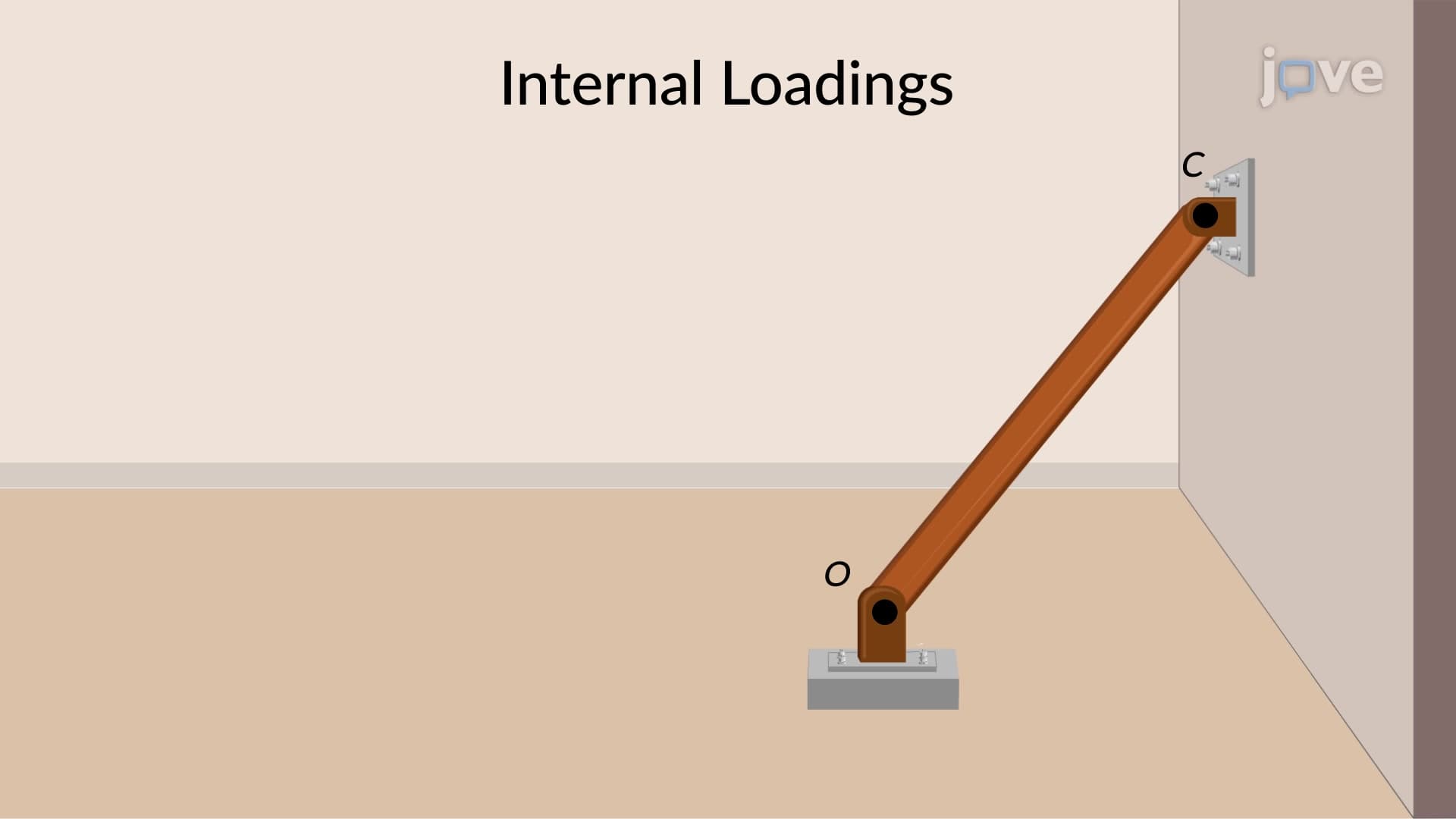

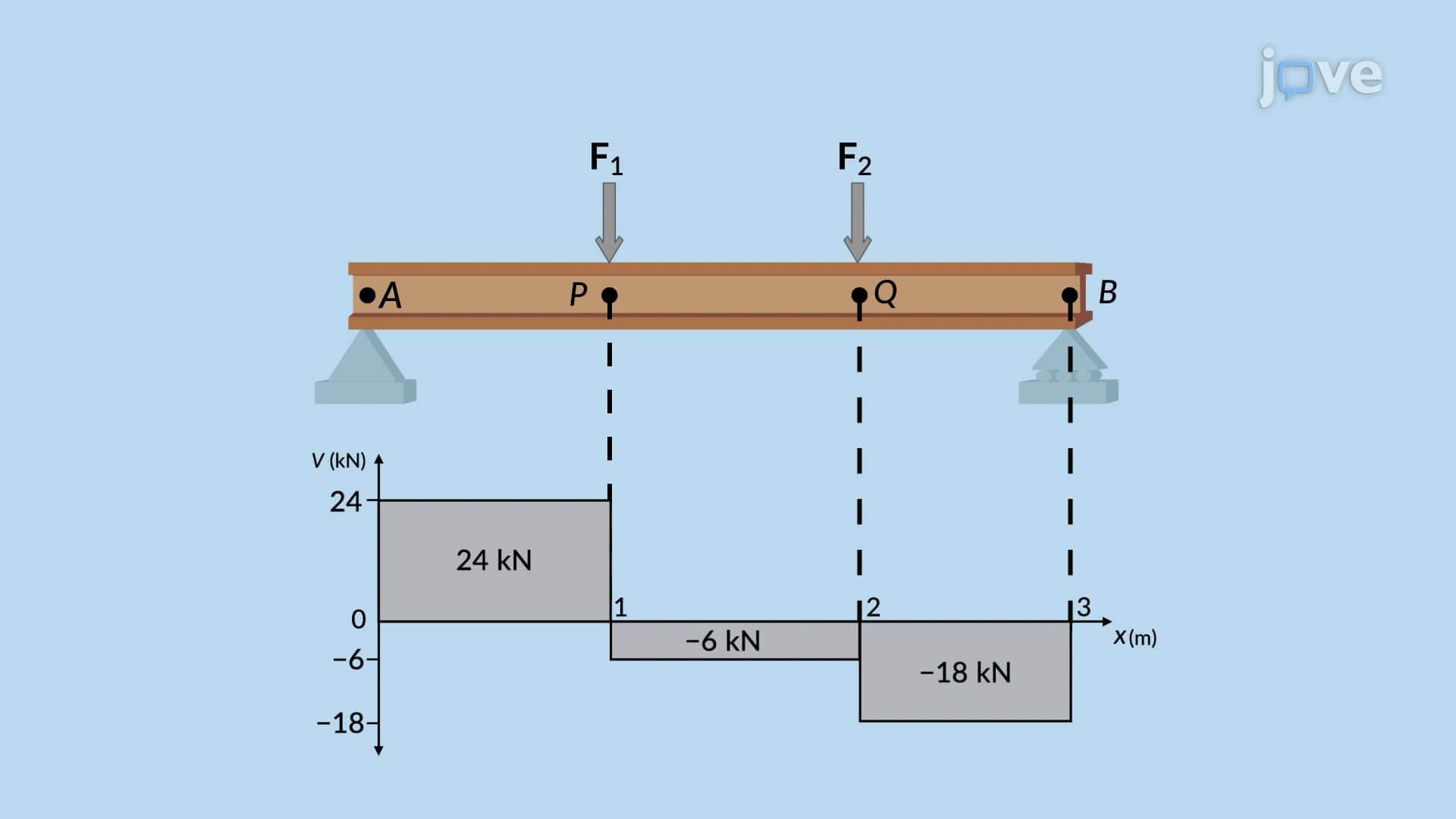


Bending and Torsional Moments

00:00
01:20
Video Summary: What Is Bending and Torsional Moments
Ever wonder why a diving board bounces back after you jump, or how engineers ensure skyscrapers don't twist in strong winds? Bending and torsional moments are the fundamental forces that explain these everyday phenomena. When you apply force to bend a ruler or twist a wrench, you're creating specific types of moments that cause materials to deform in predictable ways. Understanding What is Bending And Torsional Moments helps explain everything from bridge design to the mechanics of a baseball bat swing. Watch the full video on JoVE Coach to master this concept with expert-led visuals and step-by-step explanations.
- Understand the fundamental definitions of What is Bending And Torsional Moments and how they differ in their applications to structural elements
- Identify real-world examples of bending moments (diving boards, cantilever beams) and torsional moments (wrenches, drive shafts) in everyday engineering applications
- Analyze how bending moments create compressive forces on one side and tensile forces on the other side of a structural element
- Compare the directional components of internal forces, distinguishing between x, y, and z-axis moment representations in three-dimensional analysis
- Evaluate the relationship between applied external forces and the resulting internal moment reactions in beams and shafts
- Apply moment calculation principles to solve engineering problems involving structural elements under various loading conditions
- Recognize the importance of moment analysis in designing safe structures that can withstand bending and twisting forces
- Explore how understanding moments connects to advanced topics in structural engineering, mechanical design, and material science
Understanding What is Bending And Torsional Moments
Bending and torsional moments represent two fundamental types of internal forces that develop within structural elements when subjected to external loads. These concepts form the backbone of structural analysis and mechanical engineering design, appearing frequently in AP Physics, college-level statics courses, and professional engineering exams.
Bending Moments: When Structures Bend Under Load
A bending moment occurs when an external force causes a structural element to curve or deflect from its original straight configuration. Picture a diving board at your local swimming pool-when a diver steps to the end, the board bends downward, creating internal forces that resist this deformation.
The key characteristic of bending moments is the creation of a couple-a pair of equal and opposite forces separated by a distance. In a bent beam, the top portion experiences compression (squeezing together), while the bottom portion undergoes tension (stretching apart). This distribution of internal stresses is what engineers calculate when designing everything from highway overpasses to the floor joists in your home.
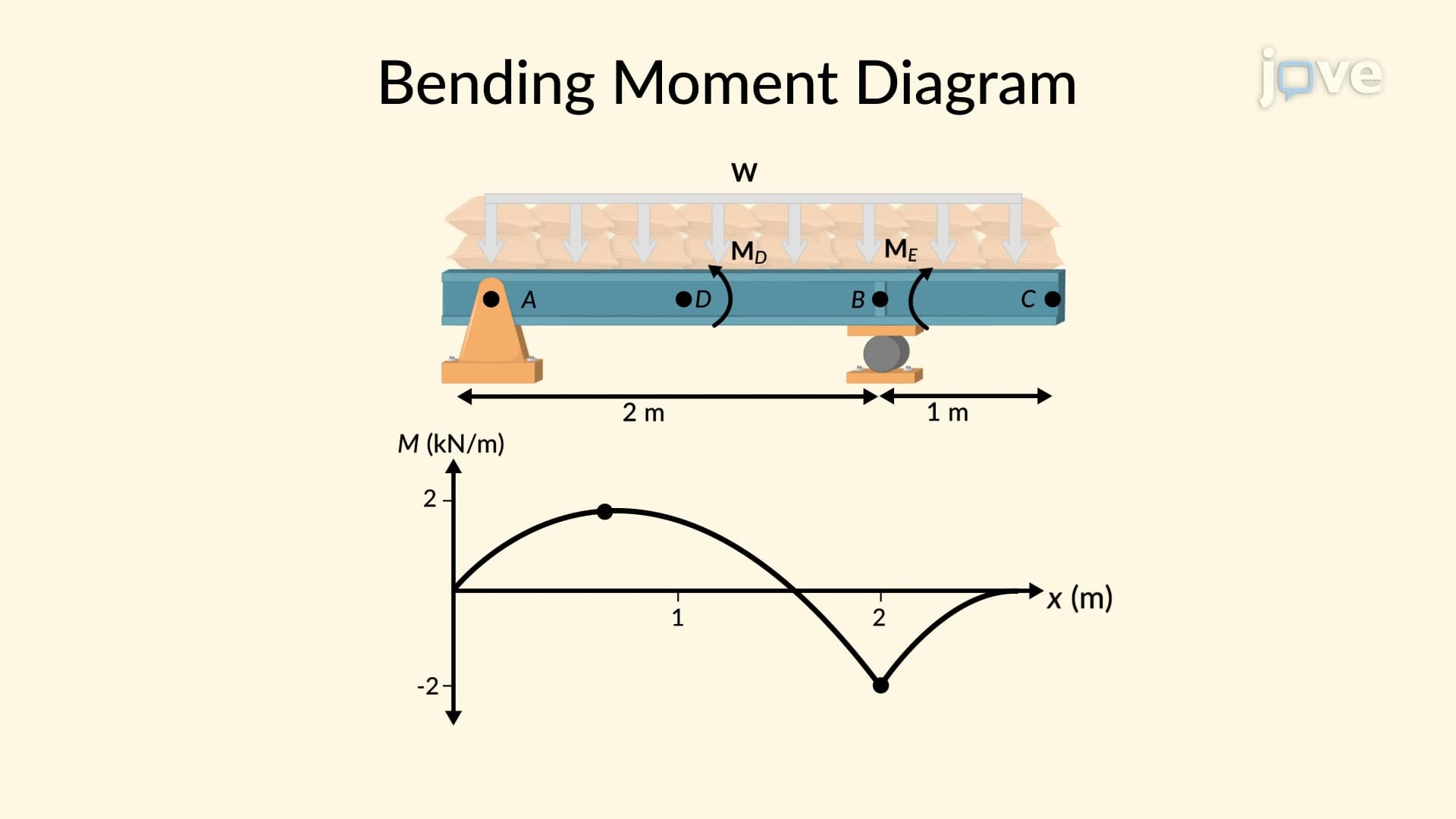
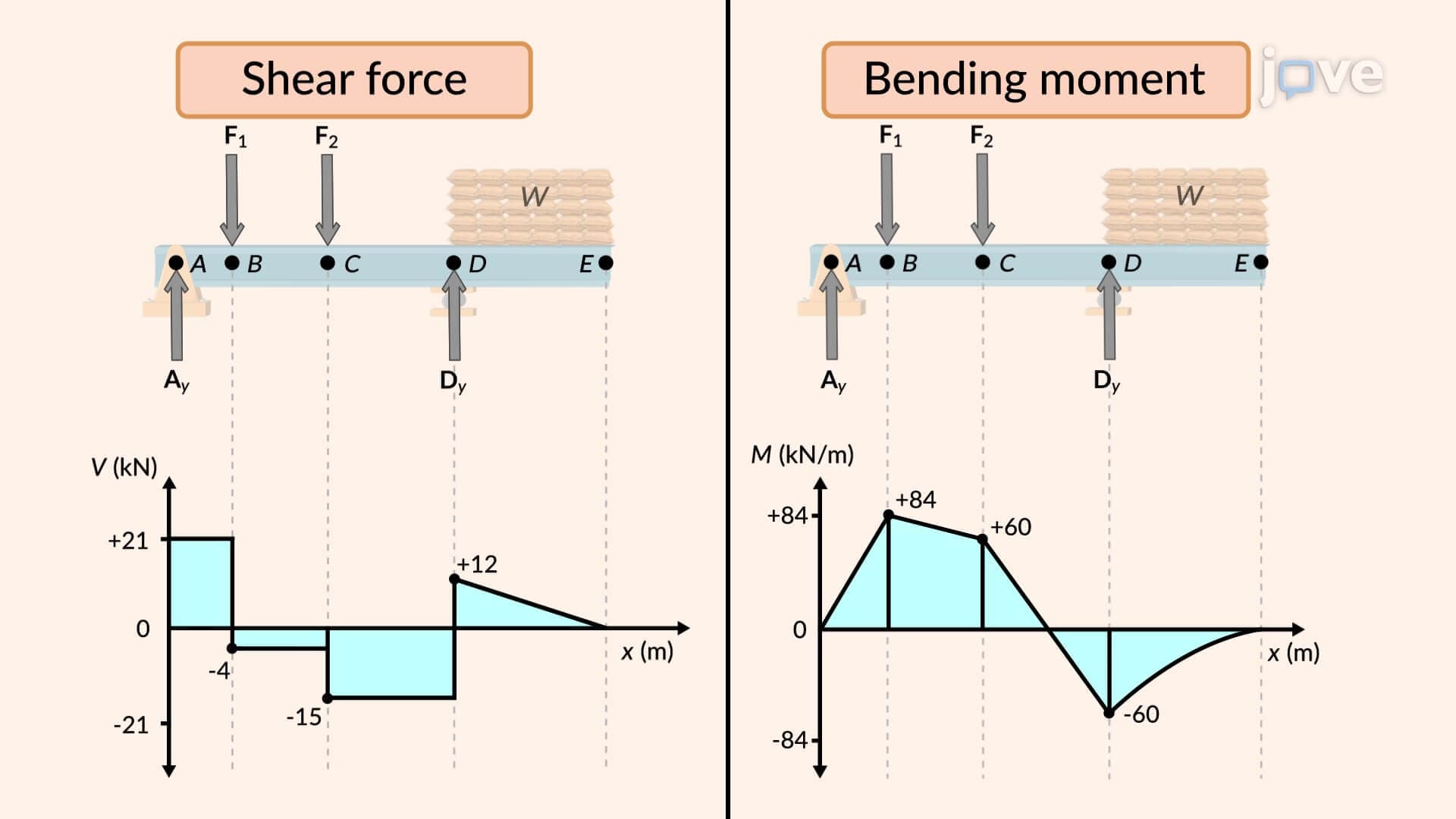
Real-world applications include cantilever structures like building balconies, simply supported beams in bridge construction, and even the bending of a baseball bat during impact. Students preparing for the MCAT or engineering coursework will encounter bending moment diagrams, which graphically represent how these internal forces vary along a beam's length.
Torsional Moments: The Science of Twisting
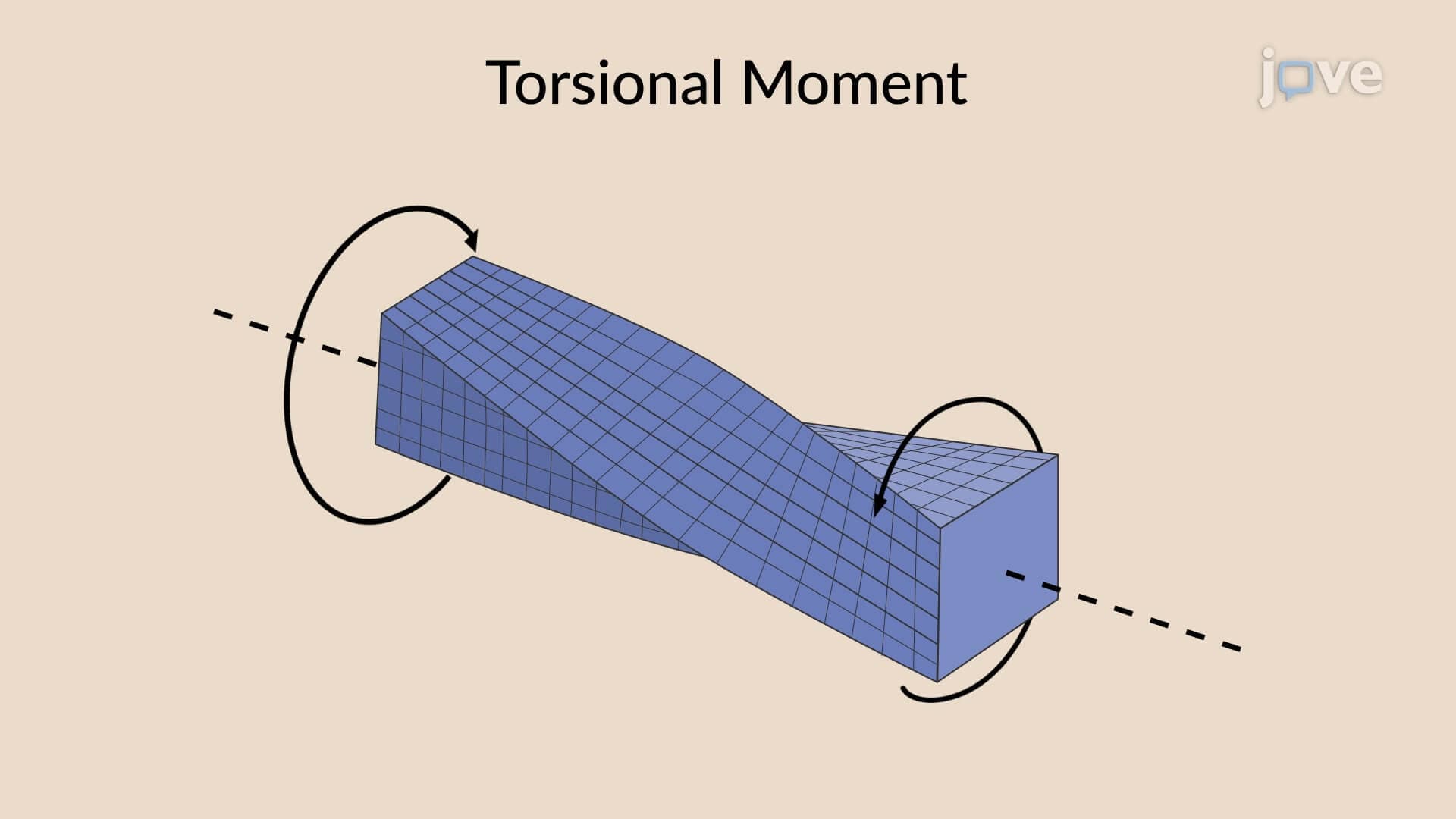
Torsional moments, also called torque, develop when a twisting force acts along a structural element's longitudinal axis. Unlike bending, which causes curvature, torsion creates a helical pattern of internal shear stresses throughout the cross-section.
Common examples include automotive drive shafts transmitting power from the engine to wheels, helicopter rotor shafts, and even the twisting motion when you open a jar. The familiar action of using a wrench demonstrates pure torsion-you apply a moment about the bolt's axis, causing the fastener to rotate.
Three-Dimensional Moment Analysis
In advanced structural analysis, engineers represent internal forces using coordinate systems with x, y, and z components. The torsional moment (My) acts along the y-direction, representing the twisting about that axis, while Mx and Mz represent bending moment components in their respective directions. This three-dimensional approach is essential for analyzing complex structures like aircraft wings, which experience both bending from lift forces and torsion from aerodynamic moments.
Understanding these moment concepts prepares students for advanced coursework in structural engineering, mechanical design, and materials science, while providing the foundation for solving practical problems in professional engineering practice.
Frequently Asked Questions
Bending moments occur when forces cause a structural element to curve or bend, like a diving board under a person's weight. Torsional moments happen when twisting forces are applied, such as using a wrench to turn a bolt. Both create internal forces that engineers must calculate to ensure structures remain safe and functional.
AP Physics C: Mechanics frequently tests moment concepts through problems involving torque, equilibrium, and rotational motion. Students encounter questions about calculating moments from force and distance relationships, analyzing beam deflections, and applying equilibrium conditions. Understanding vector representations of moments is crucial for earning full credit on free-response questions.
College statics and mechanics of materials courses distinguish these by their internal stress patterns and failure modes. Bending moments create normal stresses (compression and tension), while torsional moments produce shear stresses. Exam problems typically require calculating both types of moments and determining maximum stress locations for structural design applications.
The MCAT Physics section may include basic torque and equilibrium problems, particularly in passages about biomechanics or medical devices. Understanding how forces create moments helps with questions about joint mechanics, prosthetic design, or diagnostic equipment functionality. Focus on fundamental relationships rather than complex calculations.
These concepts are everywhere in US engineering: highway bridge spans experience bending from vehicle loads, wind turbine towers handle both bending from wind forces and torsion from rotor operation, and skyscraper cores resist torsional moments from wind-induced twisting. Even playground equipment like seesaws demonstrate pure bending moment principles.
Basic understanding requires only algebra and trigonometry-you can calculate simple moments using force times distance relationships. However, advanced applications in engineering coursework do utilize calculus for determining stress distributions, deflection curves, and optimization problems. Start with fundamental concepts before progressing to calculus-based analysis.
Practice identifying moment types from problem descriptions, master sign conventions for different coordinate systems, and work through equilibrium problems systematically. Create a reference sheet with common formulas and moment diagram shapes. Focus on free-body diagrams first, then apply mathematical relationships to solve for unknown values.
Advanced topics include combined loading scenarios where structures experience both bending and torsion simultaneously, dynamic loading effects, and finite element analysis methods. Structural dynamics, vibration analysis, and advanced materials behavior build directly upon these fundamental moment concepts.
Understanding moment distribution helps predict where structures are most likely to fail under excessive loading. Bending moments create maximum stresses at beam surfaces farthest from the neutral axis, while torsional moments produce peak shear stresses at the outer edges of circular cross-sections. This knowledge guides engineers in selecting appropriate materials and safety factors for critical applications.
Related Micro-courses


