Loading video…


 14 Concepts
 24.5K views

Video Summary: What are Beams
Beams are everywhere, from the steel girders holding up the Brooklyn Bridge to the wooden joists supporting your bedroom floor. These straight structural members are the backbone of American infrastructure, designed to carry loads safely across open spaces. Understanding what beams are and their various classifications helps explain how skyscrapers in Manhattan stand tall and bridges span rivers like the Mississippi. Watch the full video on JoVE Coach to master this concept with expert-led visuals and step-by-step explanations.
Beams represent one of the most fundamental elements in structural engineering, serving as the horizontal load-bearing members that transfer weight and forces safely to vertical supports. These essential components appear in virtually every building, bridge, and infrastructure project across the United States, from residential homes in suburban developments to massive commercial complexes in downtown Chicago.
The geometric classification of beams reflects their physical shape and intended use. Straight beams dominate most construction projects, providing predictable load paths and simplified analysis. The Willis Tower in Chicago exemplifies straight beam construction on a massive scale. Tapered beams, wider at supports and narrower at mid-span, optimize material usage while maintaining strength, commonly seen in aircraft hangars and large-span industrial buildings. Curved beams create architectural elegance in structures like the Gateway Arch in St. Louis, though they require more complex engineering analysis.
Different types of beams based on cross-section serve specific structural needs. I-beams, the workhorses of steel construction, provide maximum strength-to-weight ratios and appear in skyscrapers nationwide. T-beams integrate with concrete slabs in building floors, creating composite action that increases overall structural capacity. L-beams (angles) serve as lintels over windows and doors, while C-beams (channels) often function as purlins in metal building systems. Rectangular beams, typically concrete or wood, remain popular in residential construction due to their simplicity and cost-effectiveness.
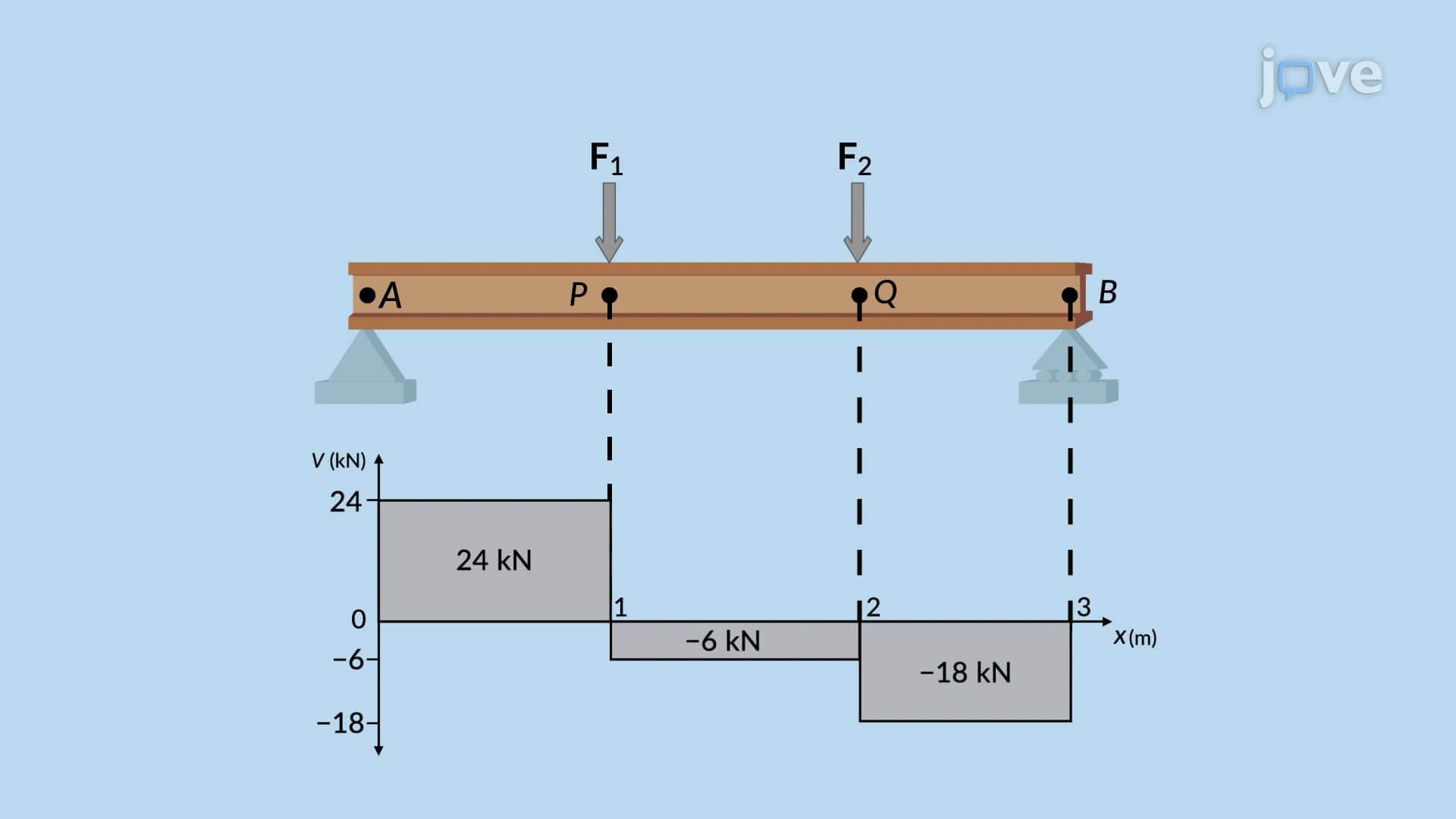
Support classification determines how beams transfer loads to the foundation system. Simply supported beams, resting on supports at both ends, provide the most straightforward analysis and appear in bridge spans across American highways. Cantilever beams, fixed at one end like diving boards, create dramatic architectural features in modern buildings. Continuous beams spanning multiple supports offer economic advantages in multi-story construction by reducing material requirements and deflections.
Understanding statically determinate versus indeterminate beam behavior proves crucial for engineering students preparing for the Fundamentals of Engineering (FE) exam and professional practice. This knowledge directly applies to AP Physics courses, college-level statics and mechanics classes, and forms the foundation for advanced structural analysis.
Related Micro-courses