Loading subject page…

- Mechanical Engineering
- Transformations of Stress and Strain
- Three-Dimensional Analysis of Strain
Micro-course: Transformations of Stress and Strain
6,613 views
Learn key concepts and earn your certificate.



Three-Dimensional Analysis of Strain

00:00
01:29
Video Summary: Three Dimensional Analysis of Strain Explained
Did you know that Boeing engineers analyze how airplane wings deform under flight stress using three dimensional analysis of strain? This powerful engineering technique examines how materials change shape when forces are applied from multiple directions simultaneously. Consider how a bridge beam experiences complex deformation during heavy traffic loads - understanding Three Dimensional Analysis of Strain Explained helps predict structural safety and performance. Watch the full video on JoVE Coach to master this concept with expert-led visuals and step-by-step explanations.
- Understand the fundamental principles of Three Dimensional Analysis of Strain Explained and how it applies to real engineering materials
- Identify principal strain axes and their role in evaluating deformation patterns in elastic, homogeneous materials
- Analyze how cubic elements transform into rectangular parallelepipeds under three-dimensional stress conditions
- Compare plane strain transformation methods with full three-dimensional strain analysis techniques
- Evaluate maximum shearing strain using Mohr's circle principles and diameter calculations
- Apply strain transformation concepts to solve problems involving rotating reference frames and principal axes
- Recognize the relationship between principal stresses and strains in thin plate structures
- Explore practical applications of strain analysis in structural engineering and materials science
Understanding Three Dimensional Analysis of Strain Fundamentals
Three Dimensional Analysis of Strain Explained forms the cornerstone of advanced materials engineering and structural mechanics. Unlike simple one-dimensional tension or compression, real-world structures experience complex deformation patterns that require sophisticated analytical approaches. When NASA designs spacecraft heat shields or Ford engineers develop crash-resistant car frames, they must account for strain occurring simultaneously in all three spatial dimensions.
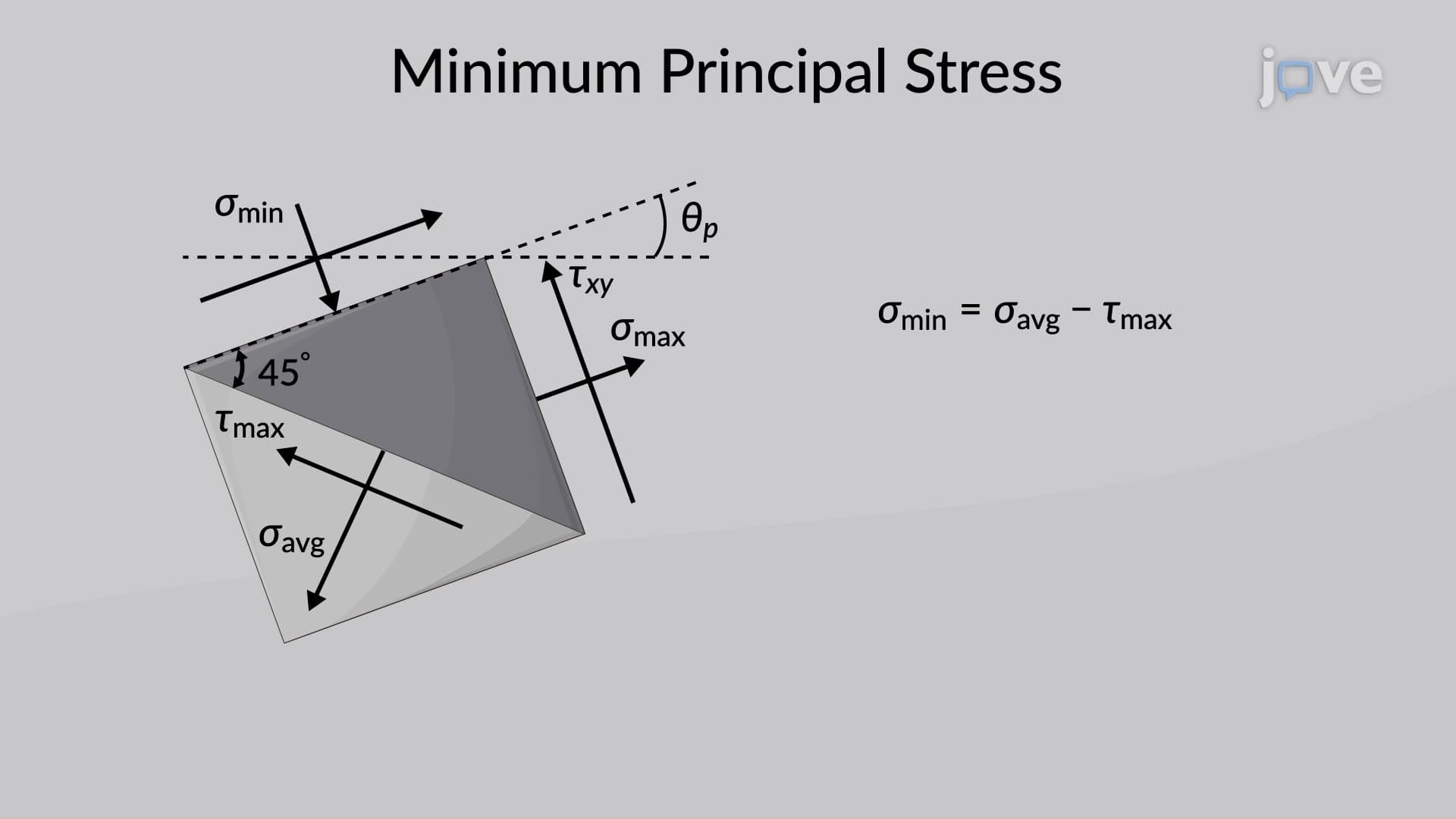
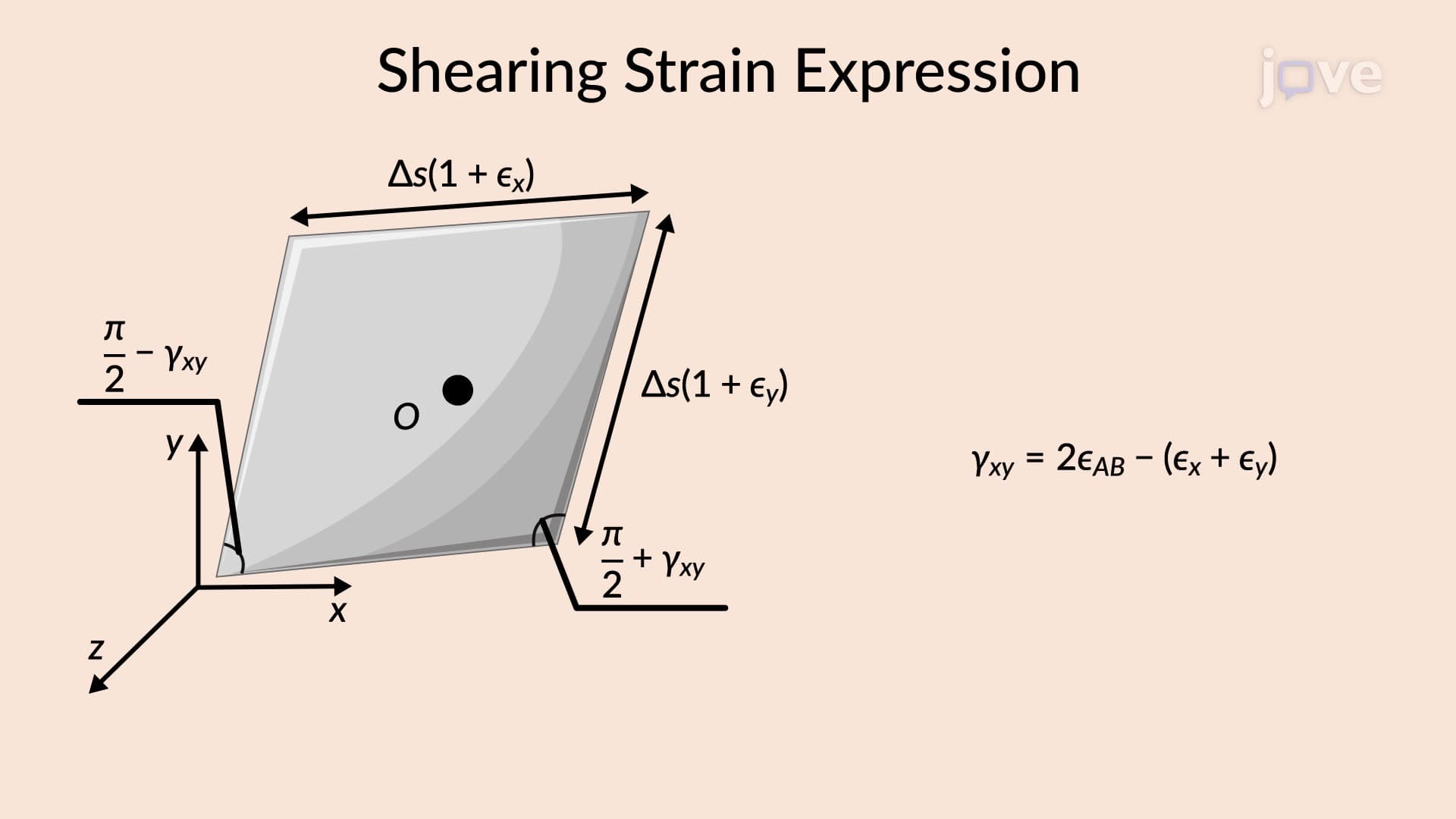
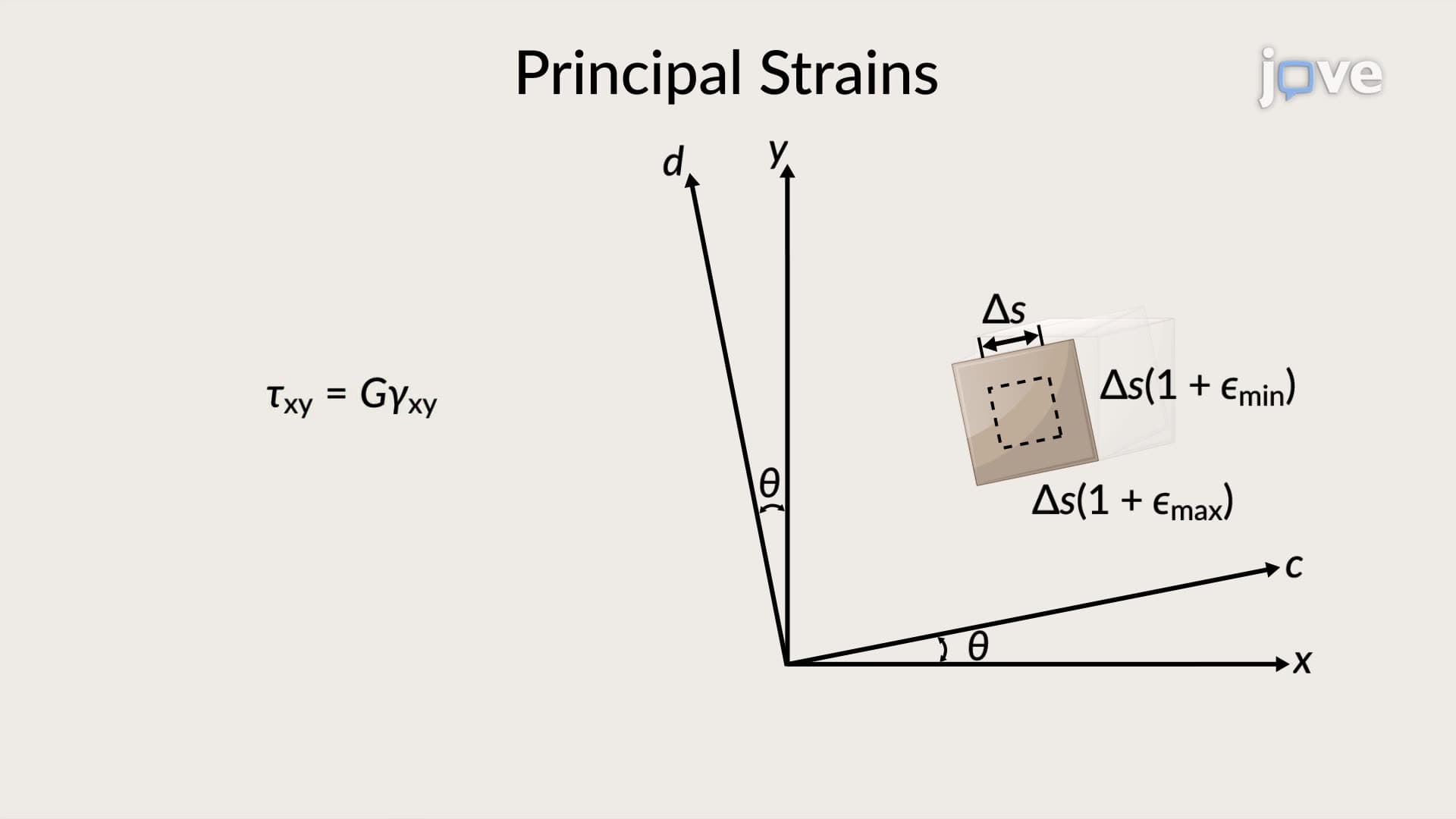
The concept builds upon the fundamental principle that any material point experiences strain that can be completely described using three principal strain axes. These axes represent directions where normal strains reach maximum and minimum values, while shear strains become zero. This mathematical framework transforms complex three-dimensional problems into manageable analytical solutions.
Principal Axes and Material Transformation
At the heart of three-dimensional strain analysis lies the transformation of a small cubic material element. Under applied loads, this cube deforms into a rectangular parallelepiped, with each face experiencing different strain magnitudes and orientations. The principal axes method identifies three mutually perpendicular directions that simplify this complex deformation pattern.
Consider a steel beam in San Francisco's Golden Gate Bridge during earthquake loading. The material experiences simultaneous tension, compression, and shear forces from multiple directions. Engineers use principal strain analysis to determine which orientations produce maximum stress concentrations, guiding reinforcement placement and safety factor calculations.
Mohr's Circle and Strain Transformation
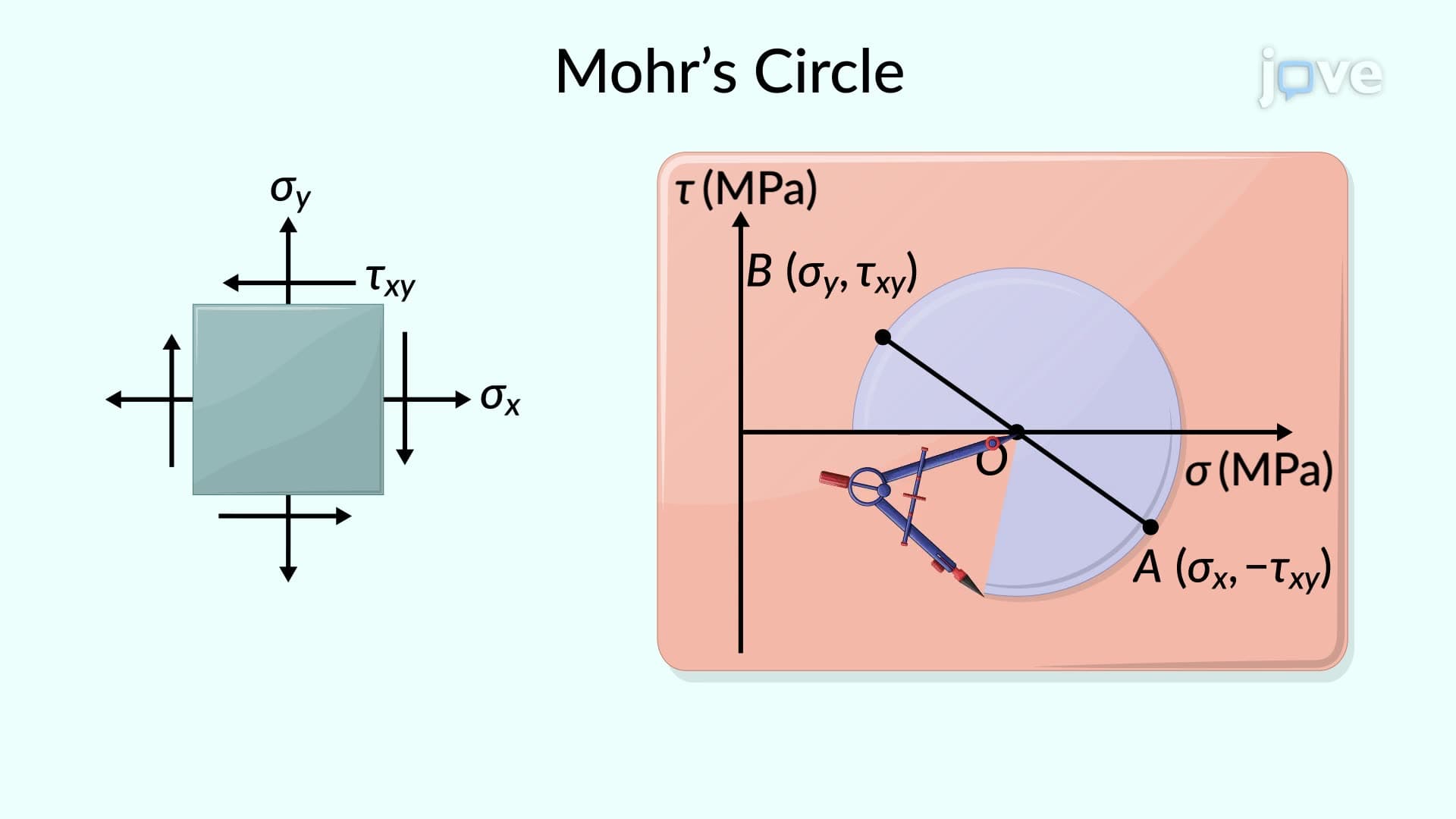
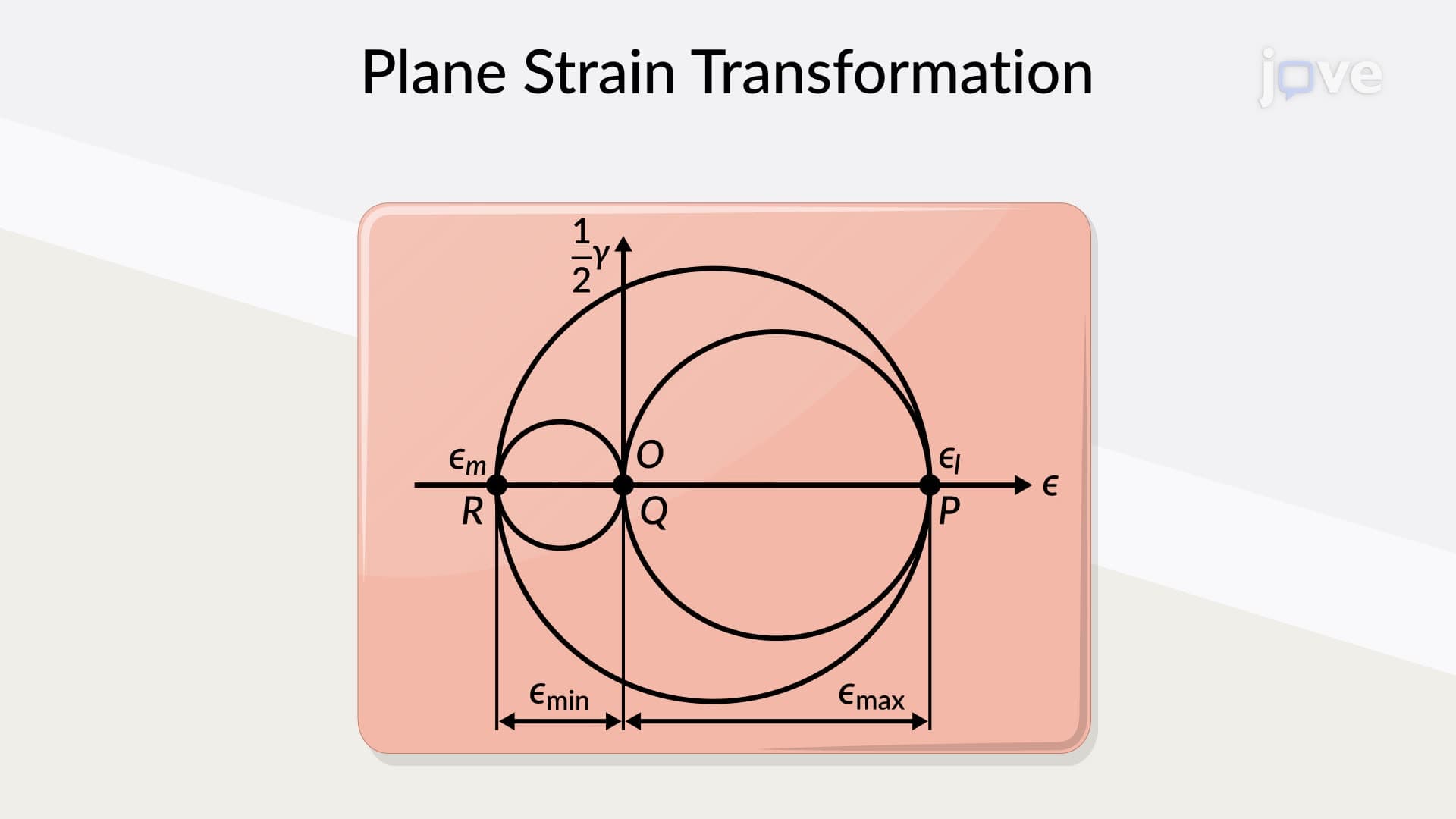
Mohr's circle provides a powerful graphical tool for visualizing strain transformation as coordinate systems rotate around principal axes. This technique proves especially valuable when analyzing how strain components change as engineers examine the same material point from different orientational perspectives.
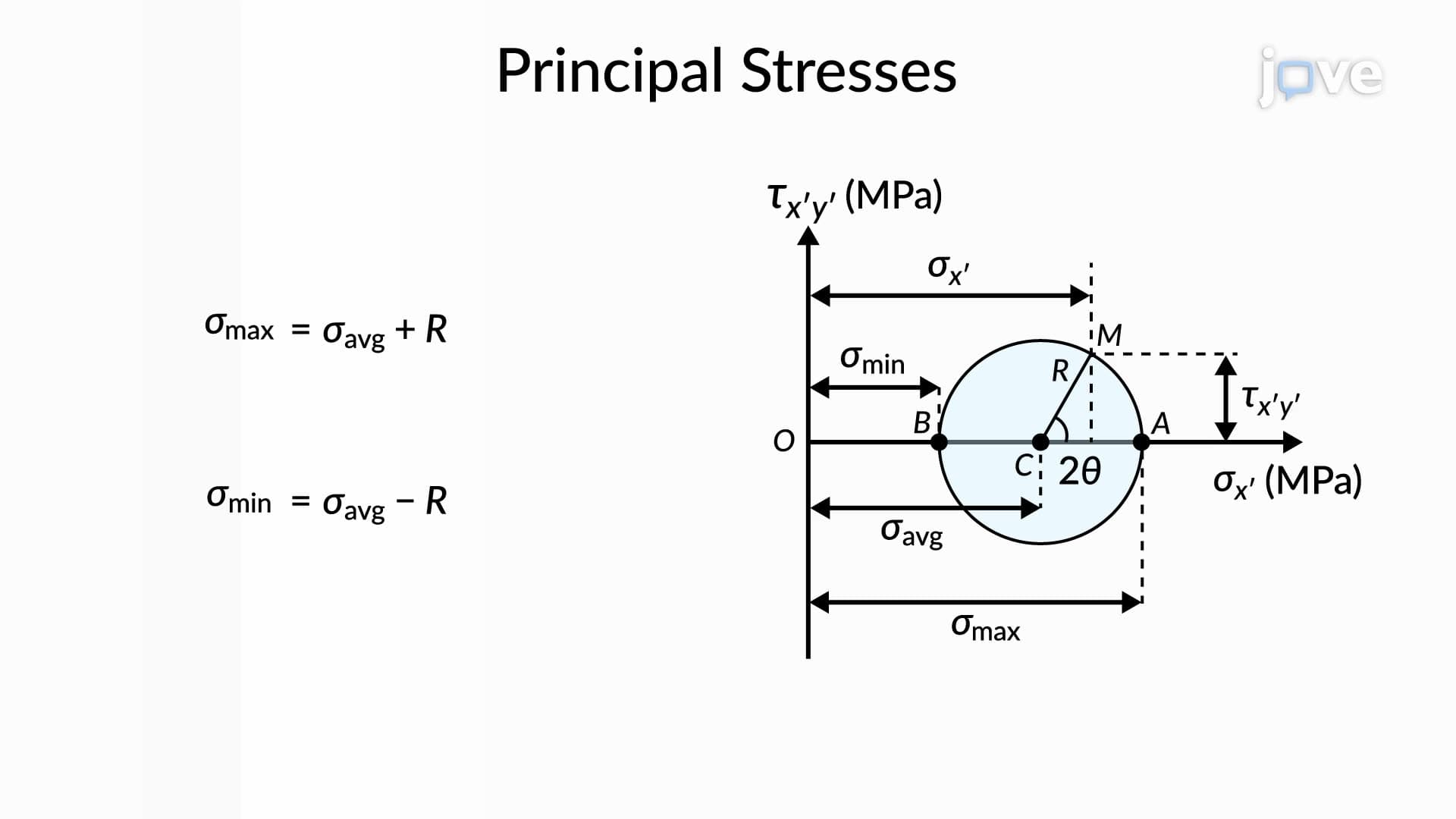
The maximum shearing strain corresponds to the diameter of the largest Mohr's circle among the three possible circle combinations. This relationship proves crucial for predicting material failure modes, as many engineering materials fail due to excessive shear rather than normal strain.
Applications in Engineering Practice
Three-dimensional strain analysis appears frequently in standardized exams including AP Physics C, MCAT physics sections, and undergraduate engineering coursework. Students typically encounter these concepts in statics, strength of materials, and continuum mechanics classes. The mathematical complexity requires solid understanding of coordinate transformations, matrix operations, and stress-strain relationships.
Modern applications extend from aerospace composite design to biomedical implant development. When Boston Scientific develops cardiac stents, engineers must ensure the device expands uniformly without creating stress concentrations that could cause premature failure.
Frequently Asked Questions
Three dimensional analysis of strain is a mathematical method for determining how materials deform when subjected to forces from multiple directions simultaneously. It's essential because real-world structures rarely experience simple one-directional loading - buildings face wind, gravity, and seismic forces all at once. This analysis helps engineers design safer, more efficient structures by predicting failure points and optimizing material usage.
The MCAT physics section includes strain analysis concepts within biomechanics contexts, such as bone deformation under stress. AP Physics C mechanics covers two-dimensional strain transformation and stress-strain relationships. Students should focus on understanding principal axes concepts, Mohr's circle applications, and the mathematical relationships between stress and strain tensors.
You need solid algebra skills, basic trigonometry, and introductory calculus concepts. Matrix operations and coordinate geometry prove helpful but aren't strictly required for introductory understanding. Most high school students can grasp the fundamental concepts with proper instruction, though advanced applications require more mathematical sophistication.
Tesla engineers use three-dimensional strain analysis when designing car body panels for crash safety. During a collision, the vehicle's frame experiences complex loading from multiple directions simultaneously. Engineers analyze how different sections deform to ensure passenger compartment integrity while allowing controlled energy absorption in crumple zones.
Focus on mastering coordinate transformations and understanding physical meanings behind mathematical equations. Practice drawing Mohr's circles and identifying principal strain directions. Work through problems involving rotating reference frames and connect mathematical results to real engineering scenarios.
Advanced topics include finite element analysis, nonlinear material behavior, and dynamic strain analysis. Students interested in engineering careers should explore stress concentration factors, fatigue analysis, and failure criteria. These concepts build directly upon three-dimensional strain fundamentals.
While the topic involves complex mathematics, most students succeed with consistent practice and proper foundational knowledge. The key is understanding physical concepts before diving into advanced mathematical manipulations. Students with strong high school physics and math backgrounds typically adapt well to these concepts.
Common question formats include calculating principal strains from given strain states, using Mohr's circle to find maximum shear strain, and determining strain transformation equations for rotated coordinate systems. Students should expect both numerical calculations and conceptual questions about real-world applications.
Related Micro-courses


