Loading subject page…

10,971 views

Video Summary: Factors Influencing Microbial Growth Osmolarity Explained
Ever wonder why salt preserves meat or why honey never spoils? The answer lies in factors influencing microbial growth, specifically osmolarity-the concentration of dissolved particles that controls water availability around microbial cells. When osmolarity increases, microbes lose water through osmosis, inhibiting their growth and survival. This principle explains why the FDA approves salt-cured bacon and sugar-preserved jams as safe food preservation methods. Different microorganisms have evolved unique strategies to survive in high-salt ocean environments or sugar-rich maple syrup. Watch the full video on JoVE Coach to master this concept with expert-led visuals and step-by-step explanations.
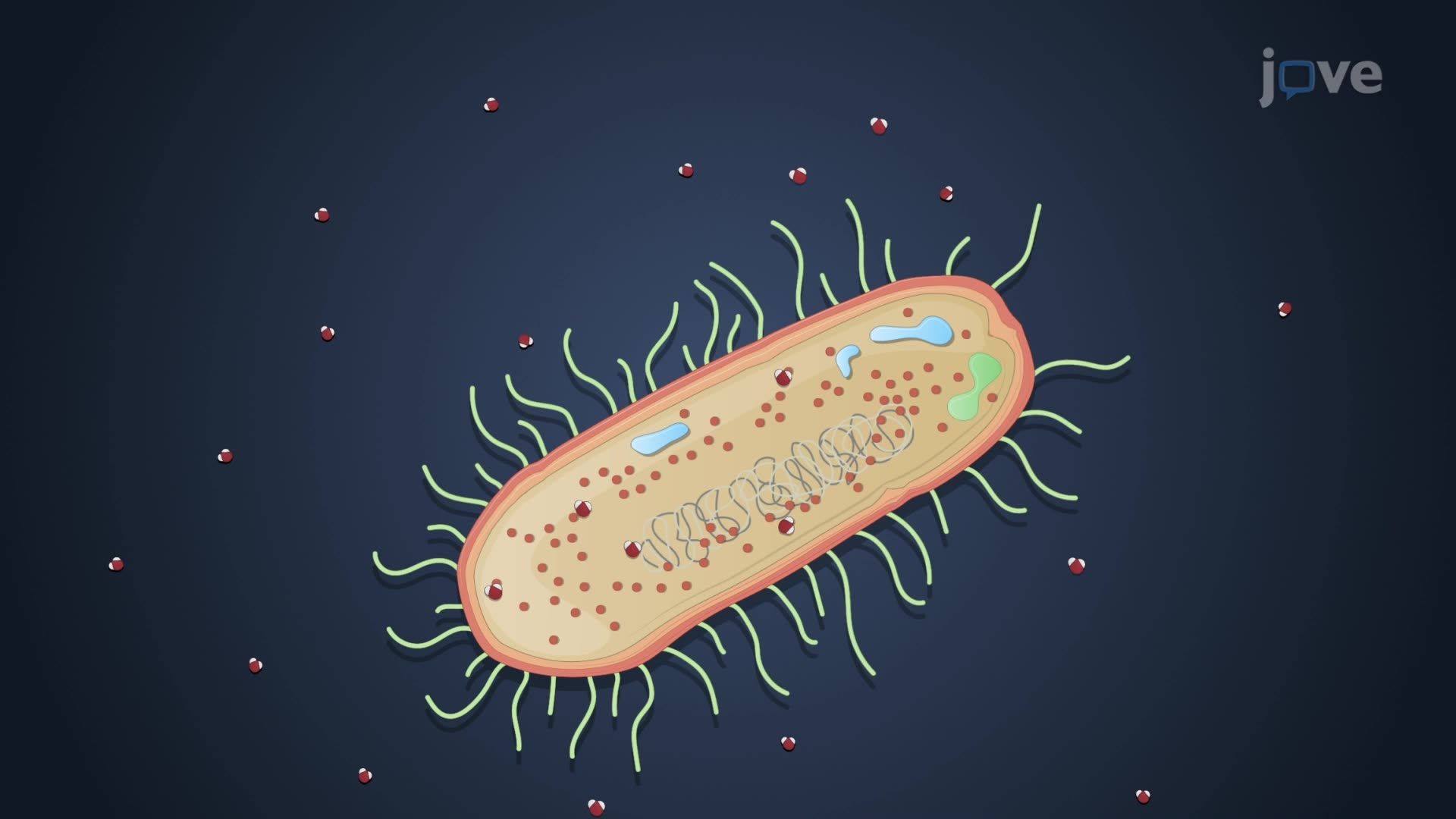
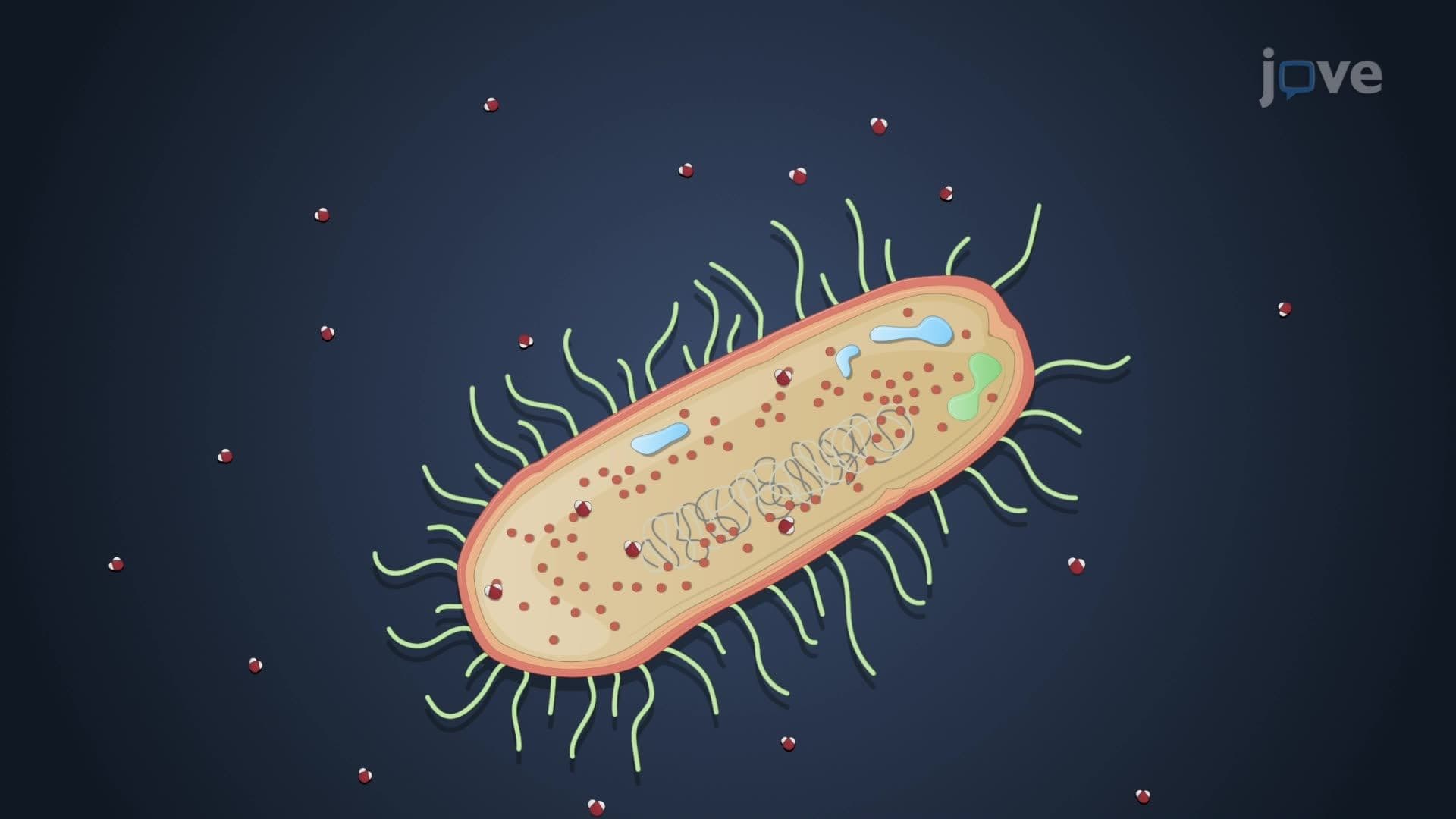
Osmolarity represents one of the most critical environmental factors controlling microbial survival and reproduction. This concept measures the total concentration of dissolved particles (solutes) in a solution, directly impacting water availability for cellular processes. When microbial cells encounter osmotic stress, water molecules move across semi-permeable cell membranes following concentration gradients, potentially causing cellular damage or death.
Water activity (aw) quantifies the amount of "free" water available for microbial metabolism, ranging from 0 (completely dry) to 1.0 (pure water). Most pathogenic bacteria, including *Salmonella* and *E. coli*, require water activity levels above 0.98 for growth, explaining why proper food dehydration prevents foodborne illness outbreaks. The USDA requires commercial jerky products to achieve water activity below 0.95 to ensure safety. Students preparing for AP Biology or college microbiology courses should understand that decreasing water activity below critical thresholds effectively halts protein synthesis, enzyme function, and DNA replication in susceptible microorganisms.
Different microorganisms have evolved remarkable strategies to survive extreme osmotic conditions. Halophiles thrive in environments containing 3-15% sodium chloride, such as Utah's Great Salt Lake or California's Mono Lake. Extreme halophiles like *Halobacterium salinarum* require 15-30% salt concentrations and actually lyse (burst) in freshwater environments. These organisms produce specialized proteins and maintain high internal potassium concentrations to balance external sodium levels.
Osmophiles flourish in sugar-rich environments where water activity drops significantly. *Zygosaccharomyces rosei*, commonly found in honey and maple syrup, tolerates sugar concentrations that would dehydrate most bacteria. Xerophiles represent the ultimate survivors, growing in extremely arid conditions with minimal water availability, making them significant concerns in pharmaceutical manufacturing and space exploration sterilization protocols.
Understanding osmotic microbial control has revolutionized food safety, pharmaceutical production, and clinical diagnostics. The CDC utilizes salt-tolerance testing to identify *Vibrio cholerae* in clinical samples, while food manufacturers employ osmotic preservation to extend shelf life without chemical additives. MCAT and nursing entrance exams frequently test knowledge of how osmotic pressure affects bacterial cell walls versus human cell membranes, highlighting the selective toxicity principles underlying antibiotic development.
Related Micro-courses