Loading subject page…

- Microbiology
- Microbial Growth
- Factors Influencing Microbial Growth: pH
Micro-course: Microbial Growth
10,971 views
Learn key concepts and earn your certificate.



Factors Influencing Microbial Growth: pH

00:00
01:29
Video Summary: Factors Influencing Microbial Growth Ph Explained
Ever wondered why certain bacteria can survive in your stomach's harsh acid while others thrive in alkaline hot springs? The factors influencing microbial growth depend heavily on pH tolerance, with organisms like *E. coli* preferring neutral environments while extremophiles like *Picrophilus oshimae* survive at pH levels that would dissolve metal. Understanding how Factors Influencing Microbial Growth Ph Explained helps predict which microbes flourish in environments from Yellowstone's geysers to clinical settings. Watch the full video on JoVE Coach to master this concept with expert-led visuals and step-by-step explanations.
- Understand the fundamental principles behind Factors Influencing Microbial Growth Ph Explained and how pH tolerance classifies microorganisms into distinct categories
- Identify the three major pH-based classifications: acidophiles, neutrophiles, and alkaliphiles based on their optimal growth ranges
- Compare pH preferences between bacteria (typically neutral) versus fungi like molds and yeasts (preferring acidic conditions)
- Analyze cellular mechanisms that maintain pH homeostasis, including proton pumps, ion exchangers, and membrane impermeability
- Evaluate how extreme pH environments select for specialized microbial adaptations in real-world ecosystems
- Apply knowledge of pH requirements to predict microbial survival in clinical, environmental, and laboratory settings
- Recognize the importance of buffering systems in maintaining optimal laboratory culture conditions
- Explore connections between pH tolerance and microbial pathogenicity in human body systems
Understanding Factors Influencing Microbial Growth Ph Explained
pH represents one of the most critical environmental factors determining microbial survival and proliferation. The hydrogen ion concentration directly affects protein structure, enzyme activity, and membrane integrity-making pH tolerance a defining characteristic that separates thriving populations from extinct ones. This classification system helps microbiologists predict where specific organisms will flourish and which environments pose lethal challenges.
pH-Based Classification of Microorganisms
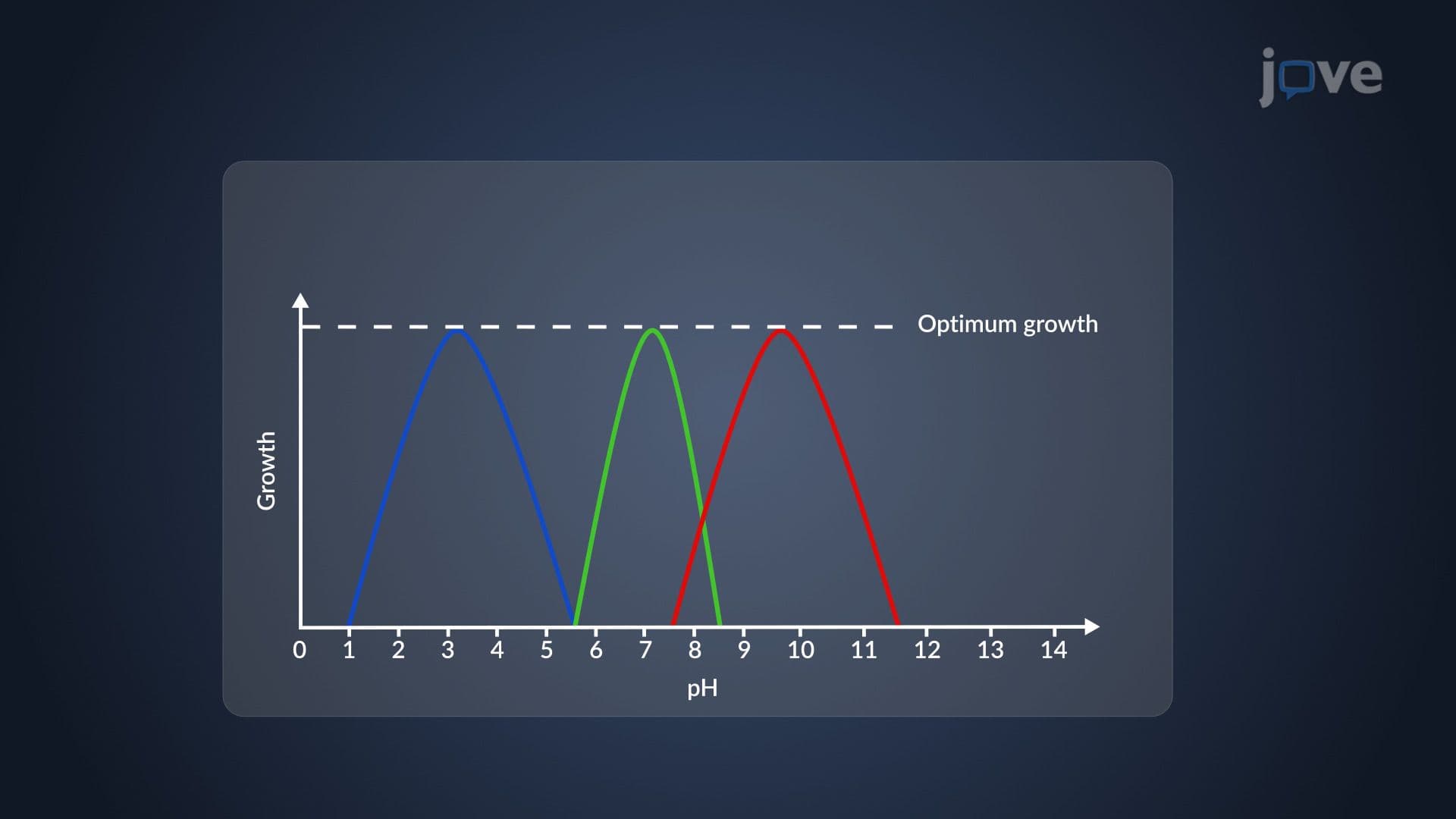
Microbiologists categorize organisms into three primary groups based on optimal pH ranges. Neutrophiles dominate most familiar environments, thriving between pH 5.5-8.0. Common examples include *Escherichia coli*, *Staphylococcus aureus*, and most human pathogens-explaining why our body maintains near-neutral pH in most tissues. Acidophiles represent nature's most extreme survivors, flourishing in conditions between pH 0-5.5. *Picrophilus oshimae*, discovered in Japanese volcanic vents, holds the record for surviving at pH 0.7-more acidic than battery acid. Alkaliphiles thrive at pH 8 and above, commonly found in soda lakes like California's Mono Lake and carbonate-rich desert soils.
Cellular Mechanisms for pH Homeostasis
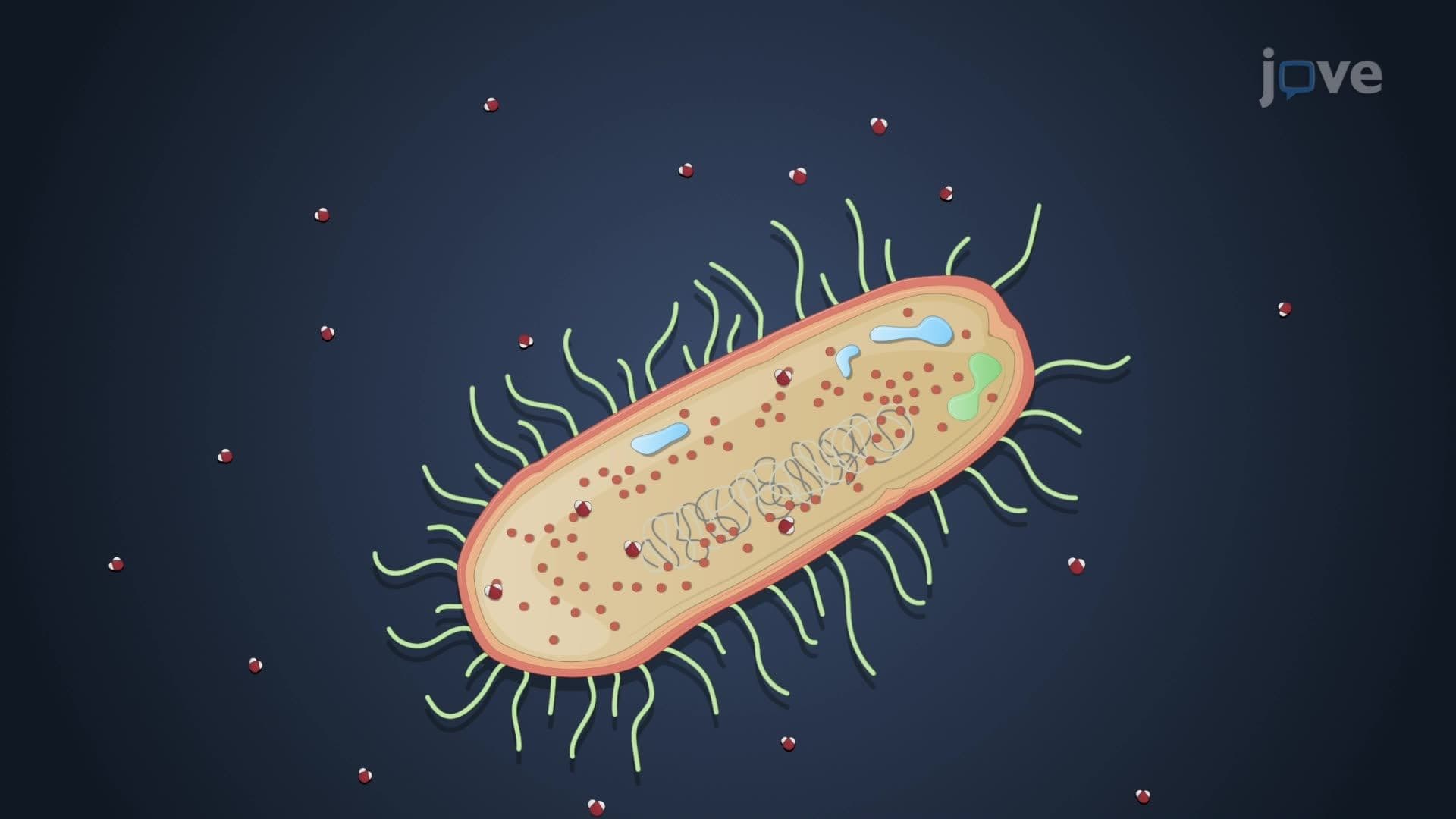
Successful microorganisms maintain stable internal pH regardless of external fluctuations through sophisticated molecular machinery. Neutrophiles employ potassium-hydrogen exchange pumps and cytoplasmic buffering systems to maintain near-neutral intracellular conditions. Acidophiles develop nearly impermeable cell membranes and active proton ejection pumps, essentially creating cellular submarines that exclude harmful hydrogen ions. Alkaliphiles use sodium-proton antiporters, trading internal sodium for external protons to maintain pH balance-a strategy similar to how kidney cells regulate blood pH.
Practical Applications in Healthcare and Research
Understanding pH requirements proves essential for clinical microbiology and infection control. Hospital disinfectants often use extreme pH to eliminate neutrophilic pathogens, while laboratory media requires precise buffering with phosphate systems to maintain consistent growth conditions. Medical professionals studying for the MCAT encounter pH-related questions about gastric acid's antimicrobial properties (pH 1.5-2.0) and how *Helicobacter pylori* survives through urease production. AP Biology students frequently face questions about pH's role in limiting microbial diversity across ecosystems-from acidic bog environments to alkaline desert playas.
Frequently Asked Questions
Factors influencing microbial growth pH refers to how hydrogen ion concentration determines which microorganisms can survive and reproduce in specific environments. pH affects protein folding, enzyme function, and cell membrane integrity-making it a primary factor that shapes microbial communities. This knowledge helps predict infection risks, design effective antimicrobial treatments, and understand ecosystem dynamics.
MCAT questions often focus on pH homeostasis mechanisms and how extreme pH environments select for specific microbial adaptations. AP Biology exams typically test understanding of how pH limits biodiversity and affects enzyme kinetics in different organisms. Students should know specific pH ranges for each microbial group and understand the molecular basis for pH tolerance.
Basic understanding of acids, bases, and the pH scale (0-14) provides sufficient foundation for learning microbial pH requirements. High school chemistry covering hydrogen ions and buffer systems prepares students well. The focus remains on biological applications rather than complex chemical calculations, making this topic accessible to students with introductory science backgrounds.
Healthcare professionals use pH knowledge to select appropriate disinfectants, understand why certain body sites resist infection, and predict antimicrobial effectiveness. For example, vaginal acidity (pH 4.5) prevents many bacterial infections, while stomach acid eliminates most ingested pathogens. This knowledge guides infection control protocols and treatment strategies.
Create memory associations linking pH ranges to familiar substances: acidophiles with stomach acid (pH 1-2), neutrophiles with pure water (pH 7), and alkaliphiles with household ammonia (pH 11). Practice with flashcards showing organism names alongside their pH ranges, and use concept maps connecting pH tolerance to environmental habitats.
College courses expand into molecular mechanisms, advanced classification systems, and quantitative growth models. Students learn detailed biochemical pathways for pH homeostasis, study extremophile physiology, and conduct laboratory experiments measuring pH effects on growth rates. This foundation supports advanced topics in medical microbiology, environmental science, and biotechnology applications.
Fungi evolved different cell wall compositions and metabolic pathways that function optimally in slightly acidic conditions (pH 5-6). Their chitin-based cell walls and specialized enzyme systems work most efficiently at lower pH, while most bacteria developed around neutral conditions. This pH preference helps fungi decompose organic matter in naturally acidic environments like forest soils.
pH interacts with temperature, oxygen availability, and nutrient concentrations to determine overall microbial survival. Understanding pH provides foundation for studying how multiple environmental factors combine to select for specific microbial communities. This integrated approach becomes essential for advanced study in ecology, epidemiology, and biotechnology applications.
Related Micro-courses
6 Concepts

31 Concepts

37 Concepts