Loading subject page…
- Microbiology
- Microbial Growth
- Factors Influencing Microbial Growth: Temperature
Micro-course: Microbial Growth
10,971 views
Learn key concepts and earn your certificate.





Factors Influencing Microbial Growth: Temperature

00:00
01:27
Video Summary: Factors Influencing Microbial Growth Temperature Explained
Did you know that some bacteria can survive temperatures hot enough to boil water, while others thrive in your freezer? The factors influencing microbial growth are fascinating, with temperature being one of the most critical determinants of where microorganisms can survive and multiply. From the bacteria that spoil milk in your refrigerator to the extremophiles living in Yellowstone's hot springs, understanding these temperature relationships is essential for microbiology success. Watch the full video on JoVE Coach to master this concept with expert-led visuals and step-by-step explanations.
- Understand how factors influencing microbial growth temperature determine where different microorganisms can survive and reproduce
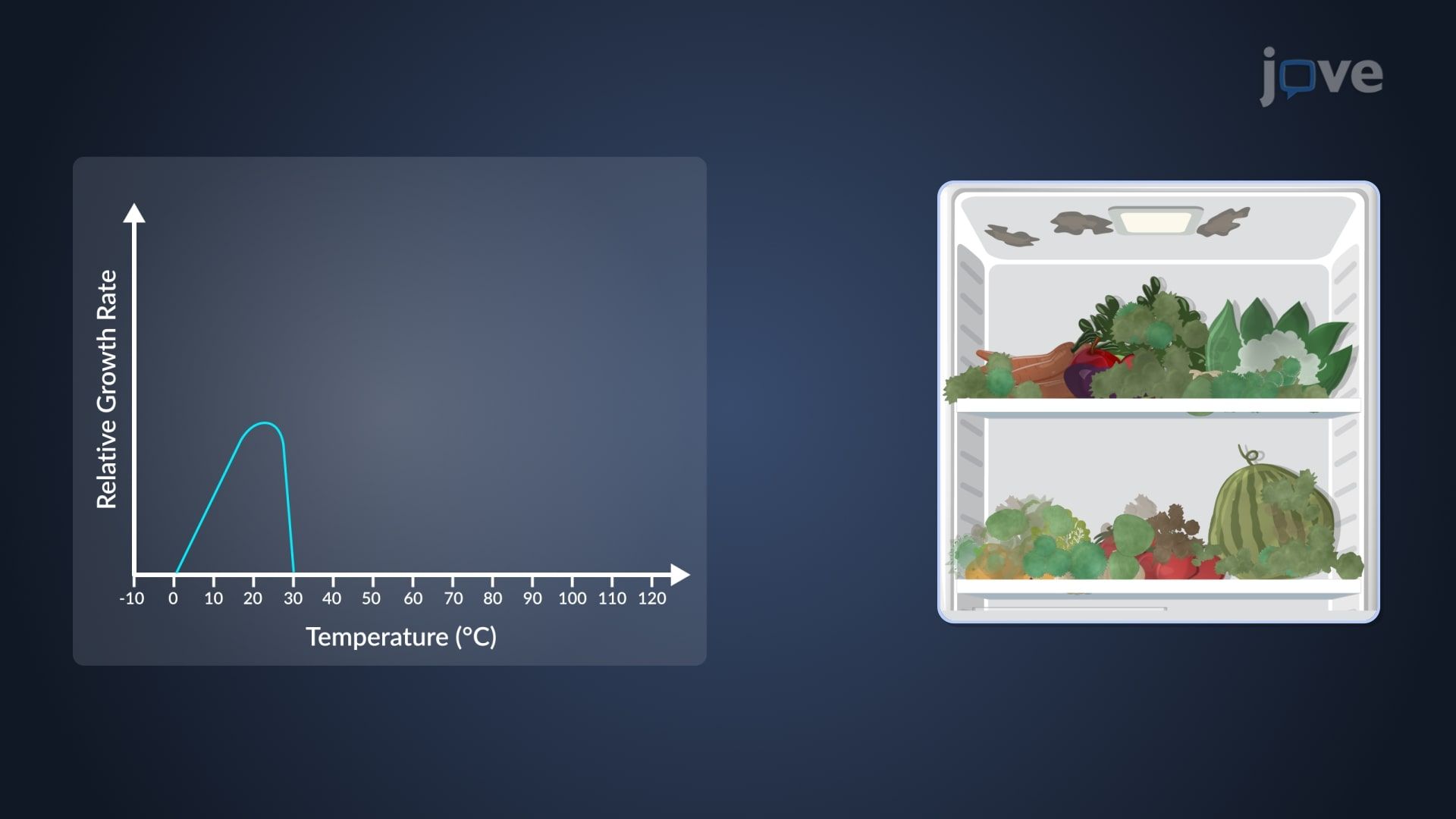
- Identify the three cardinal temperatures (minimum, optimum, maximum) that define each microorganism's growth range
- Analyze how temperature affects enzymatic activity, membrane fluidity, and cellular processes in microbes
- Compare the adaptations of psychrophiles, mesophiles, thermophiles, and hyperthermophiles to their respective temperature ranges
- Evaluate how different bacterial groups use specialized proteins, lipids, and membrane structures for temperature survival
- Apply knowledge of microbial temperature preferences to predict food spoilage patterns and contamination risks
- Recognize real-world examples of temperature-adapted microorganisms in US environments and clinical settings
- Explore the biochemical mechanisms that allow extremophiles to survive in harsh thermal conditions
Understanding Factors Influencing Microbial Growth Temperature
Temperature serves as one of the most powerful factors influencing microbial growth, directly affecting every aspect of cellular function from enzyme activity to membrane integrity. Unlike multicellular organisms that can regulate their internal temperature, microorganisms are at the mercy of their environment, making temperature adaptation crucial for survival.
Cardinal Temperatures and Growth Ranges
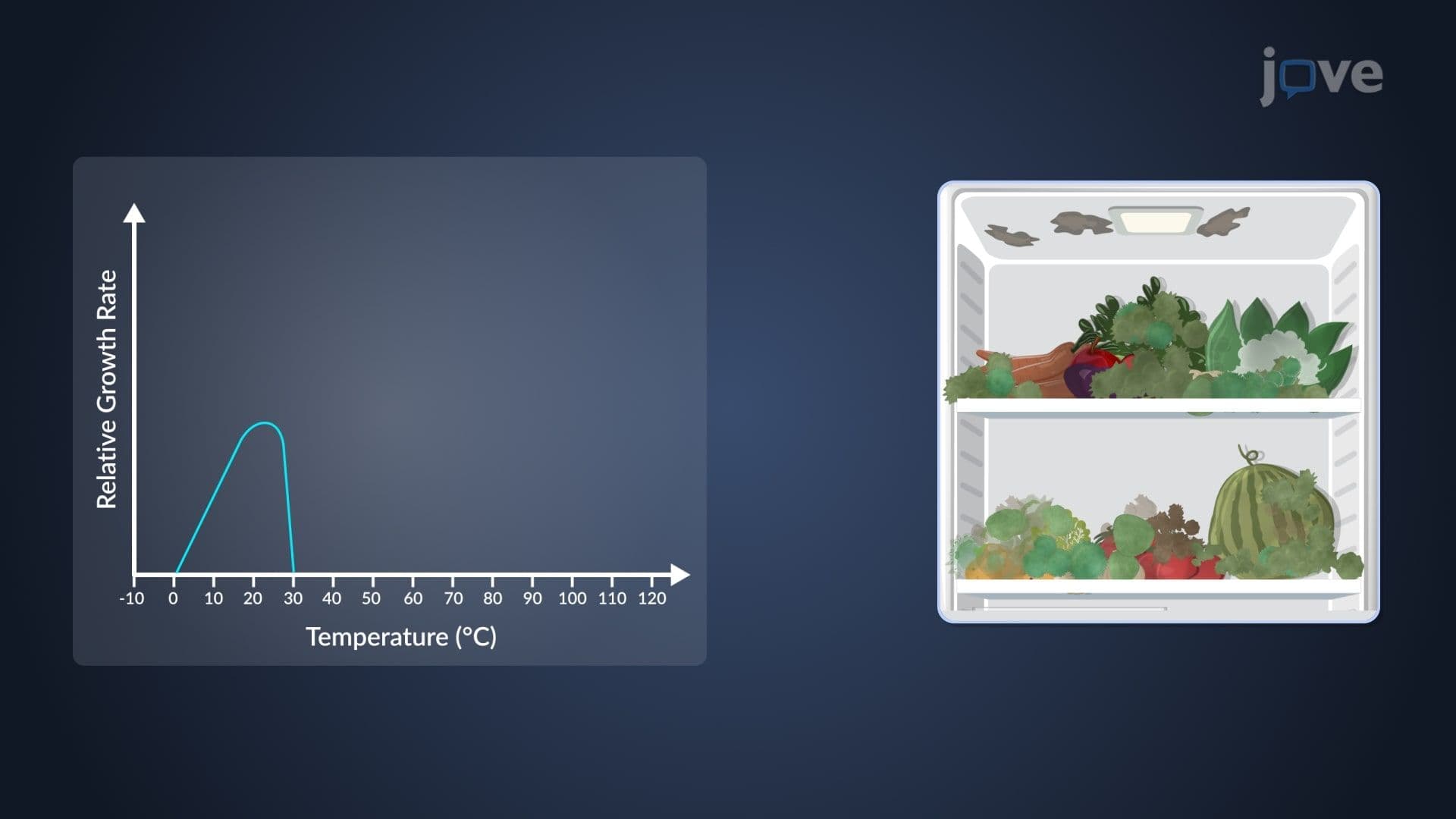
Every microorganism operates within a specific temperature framework defined by three cardinal points. The minimum temperature represents the lowest point where metabolism can occur, while the maximum temperature marks where cellular damage becomes irreversible. Between these extremes lies the optimum temperature-the sweet spot where enzymatic reactions proceed most efficiently and growth rates peak.
When temperatures fall below the minimum threshold, enzymatic reactions slow dramatically, and membrane lipids may solidify, effectively halting cellular processes. Conversely, excessive heat denatures essential proteins and disrupts membrane structure, leading to cell death. This concept frequently appears on AP Biology exams and MCAT questions, particularly when discussing enzyme kinetics and cellular homeostasis.
Microbial Temperature Classifications
Psychrophiles represent the ultimate cold-weather specialists, thriving in environments between 0°C and 15°C. These organisms, found in Arctic soils and deep ocean waters, employ remarkable adaptations including antifreeze proteins that prevent ice crystal formation and highly flexible enzymes that remain functional at low temperatures. Their membrane lipids contain high levels of unsaturated fatty acids, maintaining fluidity even in frigid conditions.
Mesophiles dominate moderate temperature environments, with optimal growth around 37°C-coincidentally matching human body temperature. This group includes most pathogenic bacteria like *E. coli* and *Staphylococcus aureus*, making them medically significant. Their prevalence in healthcare settings makes understanding their growth patterns essential for NCLEX and HESI A2 preparation.
Thermophiles and hyperthermophiles showcase nature's most extreme temperature adaptations. Thermophiles flourish at 60°C, while hyperthermophiles survive near 106°C in environments like Yellowstone's geothermal features. These organisms utilize heat-stable enzymes, saturated membrane lipids, and specialized ether-linked lipids that create monolayer membranes capable of withstanding extreme thermal stress.
Practical Applications and Clinical Significance
Understanding microbial temperature preferences has profound implications for food safety, medical practice, and biotechnology. Refrigeration at 4°C exploits the fact that most pathogenic mesophiles cannot grow efficiently at low temperatures, though psychrotrophic bacteria can still cause spoilage over time. Hospital sterilization protocols rely on high-temperature exposure to eliminate thermosensitive pathogens, while industrial processes increasingly harness thermophile enzymes for their heat stability.
Frequently Asked Questions
Factors influencing microbial growth temperature refer to how different temperature conditions affect bacterial survival, reproduction, and metabolic activity. This concept is crucial because temperature determines where microorganisms can thrive, influencing everything from food safety to disease transmission. Understanding these relationships helps predict microbial behavior in various environments and design effective control strategies.
These concepts frequently appear in MCAT biology sections and AP Biology exam questions focusing on enzyme kinetics, cellular processes, and ecological adaptations. Students often encounter questions about optimal growth conditions, temperature-related adaptations, and how thermal stress affects cellular components. Practice identifying cardinal temperatures and microbial classifications for exam success.
This topic is extensively covered in introductory microbiology courses, general biology sequences, and environmental microbiology classes at most US universities. Students typically encounter these concepts in courses like Biology 101, Microbiology 300-level classes, and pre-health prerequisite courses. The material also appears in biochemistry when discussing enzyme temperature relationships.
US hospitals use temperature control for sterilization (autoclaving at 121°C), vaccine storage, and preventing healthcare-associated infections through proper refrigeration. Food industries rely on temperature control throughout the cold chain-from refrigerated transport trucks to grocery store freezers-to prevent psychrotrophic bacteria from spoiling products. Understanding these applications helps students connect theory to real-world practice.
Not at all! While the terminology might seem complex initially, the core concepts build logically on basic biology principles you already know. Think of it like understanding why you need a jacket in winter-microorganisms have similar temperature preferences, just more specific. Starting with familiar examples like food spoilage makes the advanced concepts much more approachable.
Create a comparison chart listing each microbial group (psychrophiles through hyperthermophiles) with their temperature ranges, examples, and key adaptations. Practice with real scenarios: "If bacteria are growing in refrigerated milk, what type are they likely to be?" Use flashcards for cardinal temperature definitions and focus on understanding adaptations rather than memorizing every detail.
Consider studying pH effects on microbial growth, oxygen requirements, and osmotic pressure influences to complete your understanding of environmental factors. These concepts work together in real environments and frequently appear as integrated questions on standardized exams. Additionally, exploring enzyme thermodynamics will deepen your appreciation of the biochemical basis for temperature sensitivity.
Related Micro-courses
6 Concepts

31 Concepts

37 Concepts