Loading subject page…

10,971 views

Video Summary: Techniques for Isolation of Pure Cultures Guide
Did you know that a single bacterial colony can contain millions of identical microorganisms? Techniques for isolation of pure cultures are fundamental laboratory methods that allow scientists to separate and grow individual microbial species from mixed populations. These isolation methods are crucial in clinical labs across the US, from diagnosing strep throat infections to identifying foodborne pathogens in CDC investigations. The Techniques For Isolation of Pure Cultures Guide covers essential methods including streak-plate, spread-plate, and pour-plate techniques that every microbiology student must master. Watch the full video on JoVE Coach to master this concept with expert-led visuals and step-by-step explanations.
Pure culture isolation represents one of microbiology's most fundamental laboratory skills. These techniques for isolation of pure cultures enable researchers and clinicians to study individual microbial species by separating them from complex microbial communities. In clinical settings across the US, from hospital laboratories in Mayo Clinic to university research facilities at Stanford, these methods form the backbone of diagnostic microbiology and research applications.
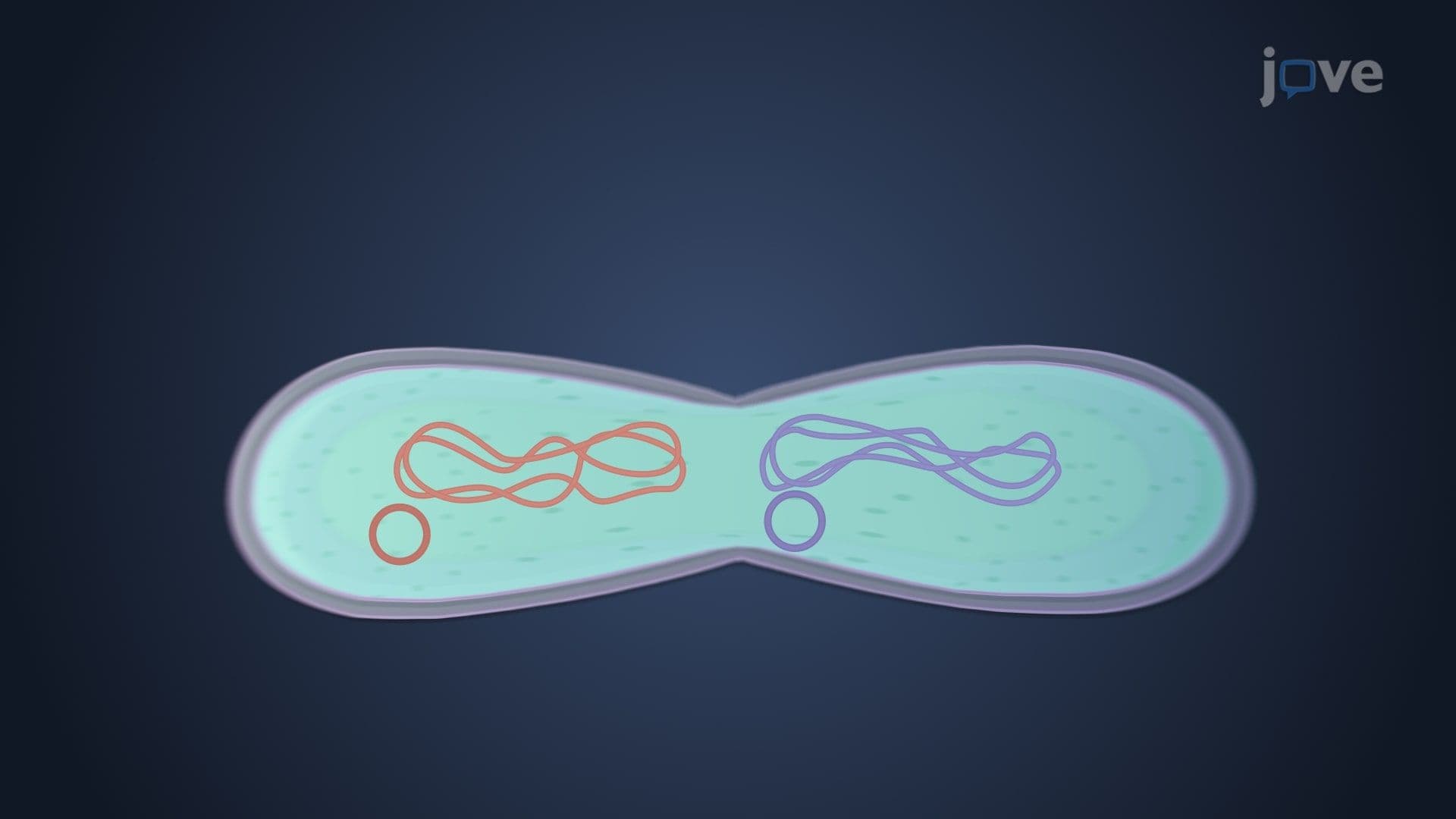
The principle underlying all isolation techniques involves physical separation of individual microbial cells, allowing each to multiply into a genetically identical colony. This process is essential because natural environments typically contain diverse microbial populations, making it impossible to study specific organisms without first obtaining pure cultures.
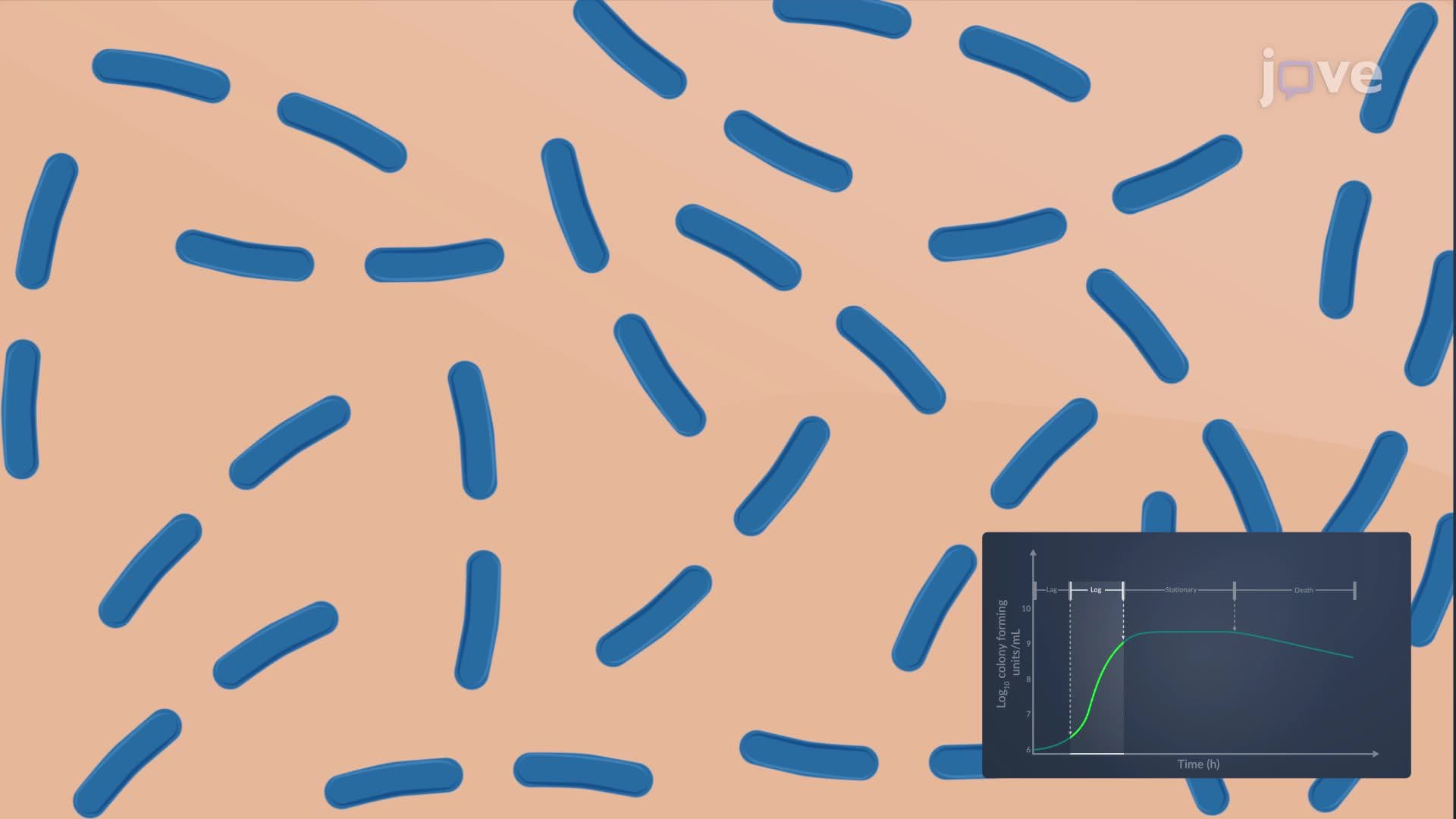
The streak-plate technique remains the most widely used method in clinical and research laboratories throughout the United States. This method employs a systematic approach where microbiologists use sterile inoculating loops to spread microbial samples across agar plates in distinct zones. The sequential streaking progressively reduces cell density, ensuring that by the final zone, individual cells are sufficiently separated to form isolated colonies.
Students preparing for AP Biology exams or college microbiology courses should understand that proper streak-plate technique requires specific hand movements and sterilization protocols. The four-quadrant streak method, commonly taught in universities like UC Berkeley and Johns Hopkins, demonstrates how dilution occurs through mechanical separation rather than liquid dilution.
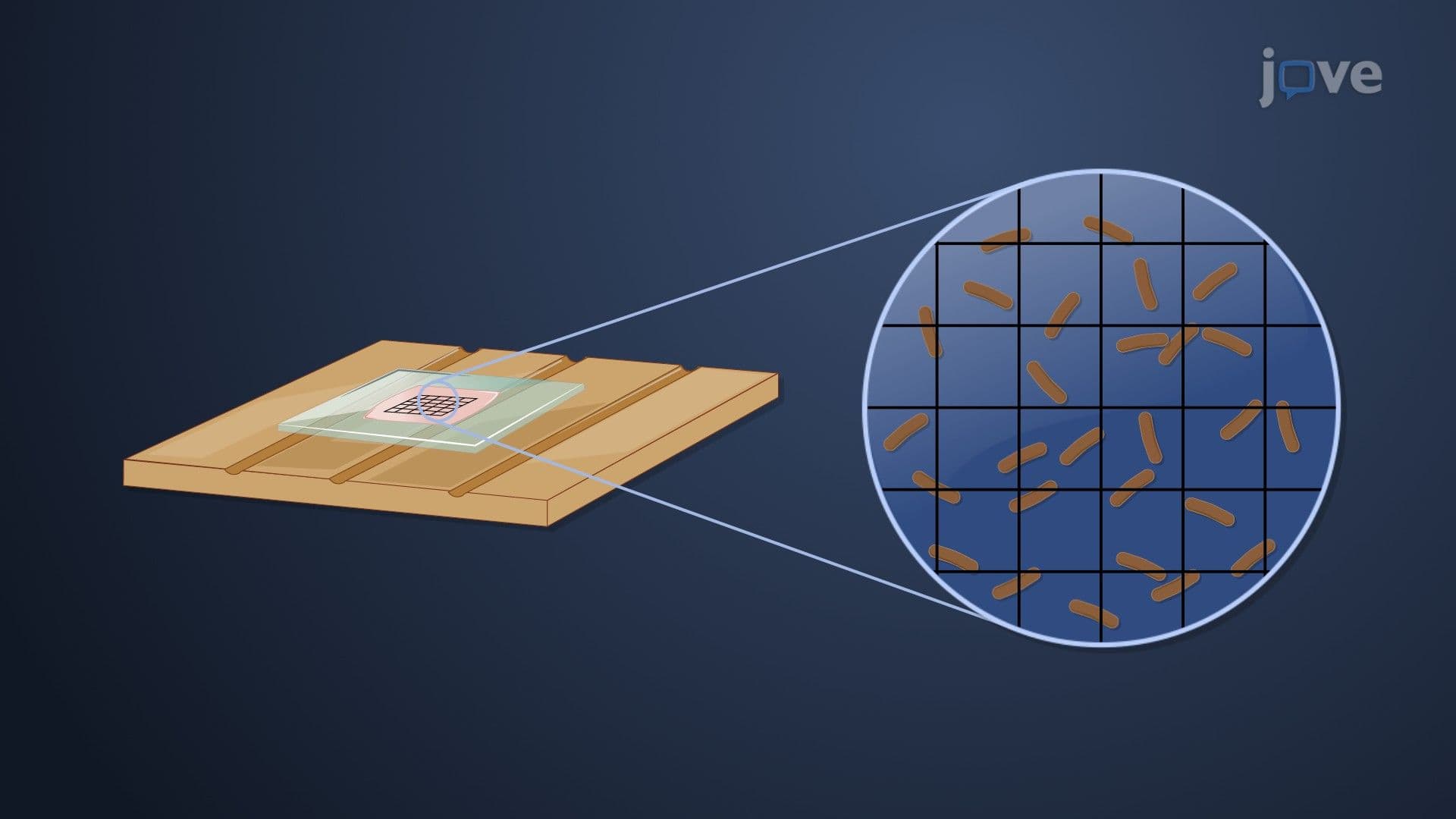
The spread-plate method offers quantitative advantages, particularly useful in research applications requiring precise colony counting. This technique involves distributing known volumes of diluted microbial suspensions across agar surfaces using sterile glass or plastic spreaders. Many pharmaceutical companies and food safety laboratories across the US rely on this method for quality control testing.
Pour-plate techniques provide unique advantages for isolating both aerobic and anaerobic organisms simultaneously. By incorporating microbial samples into molten agar before solidification, this method creates an oxygen gradient that supports diverse organism growth. Students studying for MCAT preparation should note how this technique demonstrates important concepts about oxygen requirements in microbial physiology.
These isolation techniques have profound real-world applications in American healthcare and industry. Hospital laboratories use streak-plate methods to isolate pathogens from clinical specimens, enabling targeted antibiotic therapy. The CDC employs these techniques during outbreak investigations, while food safety laboratories use them to detect contamination in agricultural products. Understanding these practical applications helps students connect theoretical knowledge to career applications in clinical laboratory science, research, and public health.
Related Micro-courses