Loading subject page…
- Microbiology
- Microbial Growth
- Microbial Growth Media
Micro-course: Microbial Growth
10,971 views
Learn key concepts and earn your certificate.







Microbial Growth Media

00:00
01:27
Video Summary: What Is Microbial Growth Media
Ever wonder how scientists at the CDC identify dangerous bacteria like E. coli during foodborne illness outbreaks? Microbial growth media serve as the foundation for cultivating and studying microorganisms in laboratory settings. These specially formulated nutrient solutions come in solid, liquid, and semisolid forms, each designed to support specific bacterial growth requirements. From basic nutrient agar to specialized selective media used in clinical diagnostics, understanding what is microbial growth media is essential for anyone studying microbiology. Watch the full video on JoVE Coach to master this concept with expert-led visuals and step-by-step explanations.
- Understand the fundamental definition and purpose of microbial growth media in laboratory microbiology
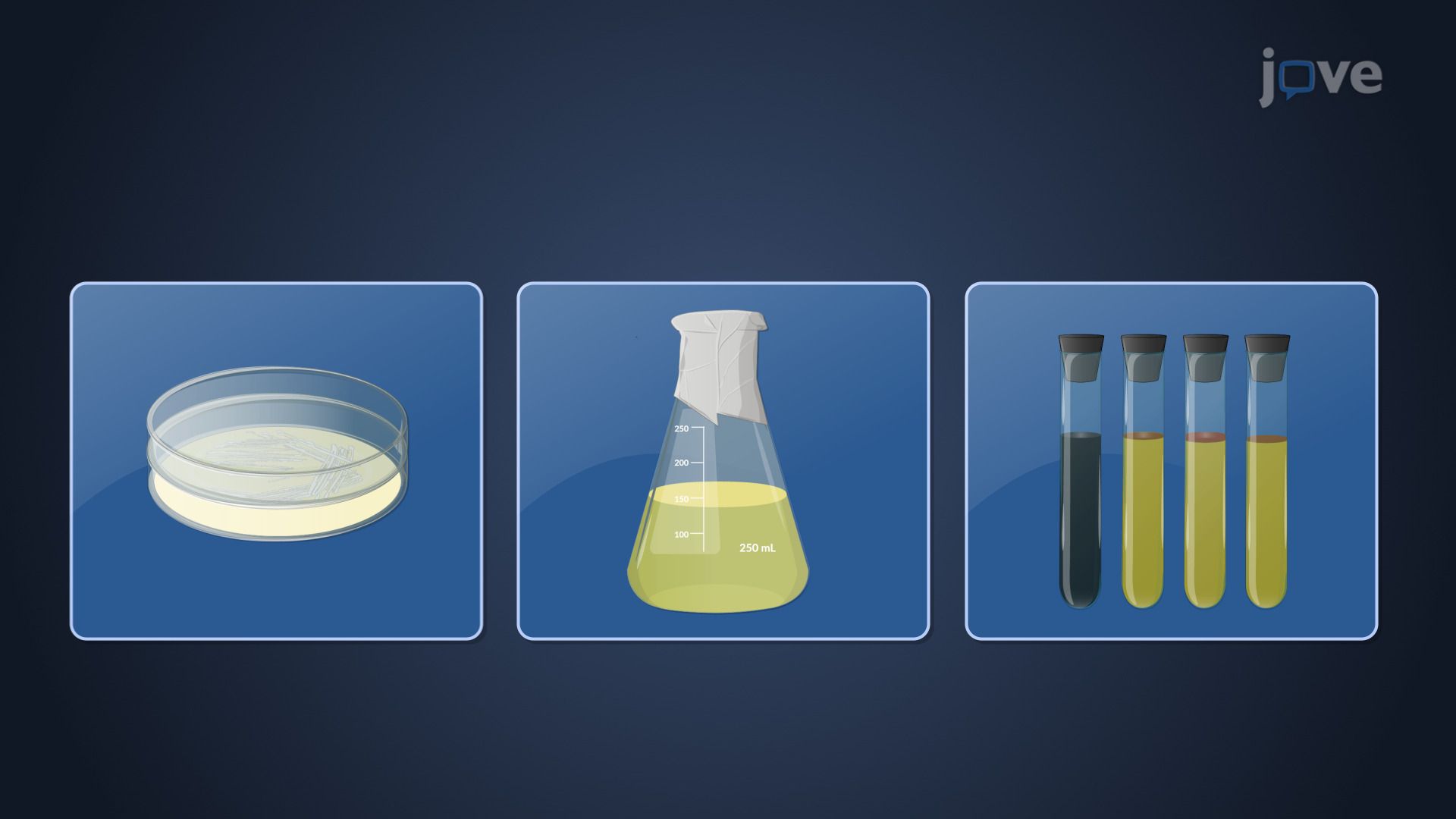
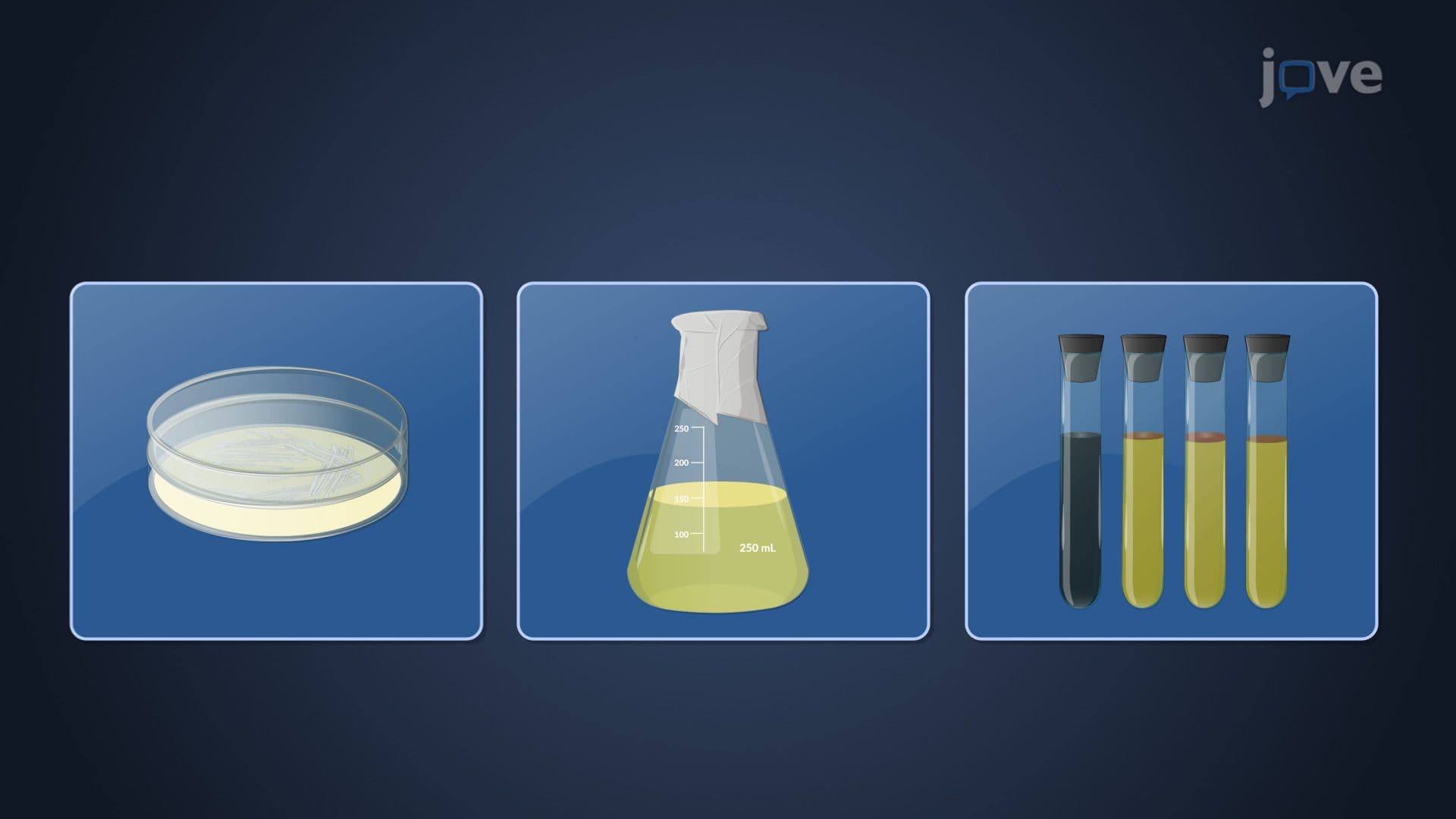
- Identify the three physical forms of growth media: solid, liquid, and semisolid preparations
- Compare chemically defined media versus complex media based on their composition and applications
- Analyze the specific functions of selective, differential, and enriched media types
- Evaluate how different media compositions support various microorganisms' nutritional requirements
- Apply knowledge of media selection for isolating and identifying specific bacterial pathogens
- Recognize real-world applications of specialized media in clinical diagnostics and research
- Explore the relationship between microbial nutrition and media formulation principles
Understanding Microbial Growth Media Fundamentals
Microbial growth media represent carefully formulated nutrient solutions designed to support the cultivation of microorganisms under controlled laboratory conditions. These essential tools in microbiology provide the necessary carbon, nitrogen, phosphorus, sulfur, and trace elements that bacteria, fungi, and other microbes require for growth and reproduction.
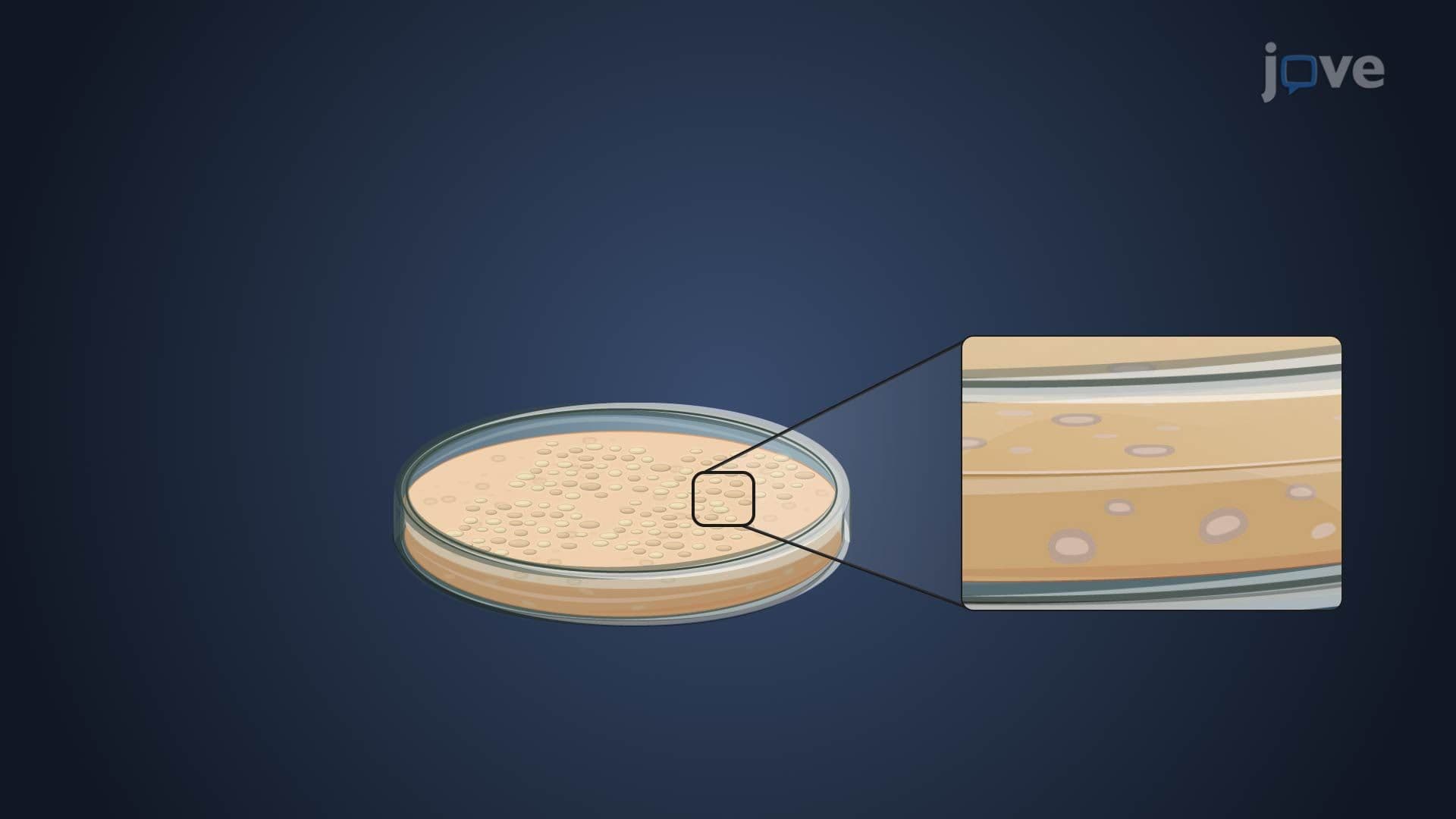
The physical consistency of growth media varies based on their intended application. Solid media, typically containing 1.5-2.0% agar, provide surfaces for isolating pure cultures and observing colony morphology. Liquid media, such as tryptic soy broth used in clinical laboratories nationwide, allow for rapid bacterial multiplication and biochemical testing. Semisolid media, with reduced agar concentrations, enable motility testing and anaerobic cultivation.
Chemical Composition Classifications
Growth media fall into two primary compositional categories. Chemically defined media contain precisely known quantities of pure chemical compounds, making them ideal for research applications where exact nutritional requirements must be understood. Minimal salts agar exemplifies this category, supporting only organisms capable of synthesizing complex molecules from simple inorganic compounds.
Complex media contain components of unknown or variable composition, such as peptone derived from protein hydrolysis or beef extract. These undefined ingredients provide a rich mixture of amino acids, vitamins, and growth factors that support fastidious organisms with complex nutritional needs. Most clinical laboratories rely heavily on complex media due to their broad-spectrum support capabilities.
Specialized Media for Targeted Applications
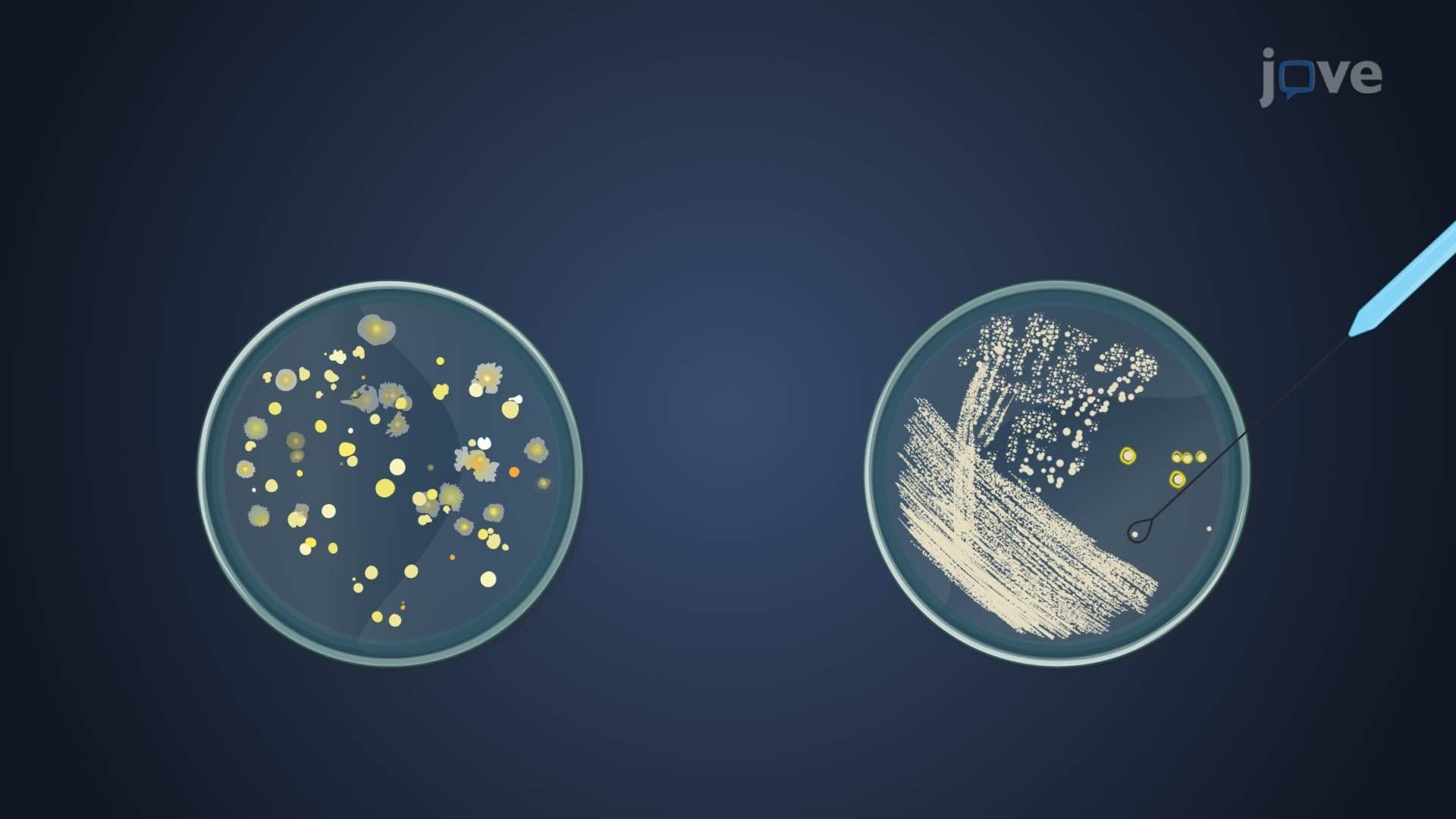
Selective media incorporate inhibitory agents that suppress unwanted microorganisms while promoting target species growth. MacConkey agar, widely used in clinical diagnostics, contains bile salts and crystal violet that inhibit Gram-positive bacteria while allowing Gram-negative species to flourish. This selectivity proves invaluable when isolating enteric pathogens from mixed clinical specimens.
Differential media reveal distinct metabolic characteristics through visible color changes or zone formations. Blood agar demonstrates hemolytic patterns that help differentiate Streptococcus species-a critical diagnostic feature tested on the MCAT and in medical microbiology courses. Beta-hemolytic organisms like *Streptococcus pyogenes* produce clear zones around colonies, while alpha-hemolytic species create greenish discoloration.
Students preparing for AP Biology exams should note that enriched media contain additional nutrients beyond basic requirements. Chocolate agar, heated blood agar that releases intracellular nutrients, supports fastidious organisms like *Haemophilus* species that require X and V factors for growth-knowledge frequently tested in college-level microbiology courses.
Frequently Asked Questions
Microbial growth media are nutrient-rich formulations that provide essential elements for microorganism cultivation in laboratory settings. They serve as the foundation for bacterial identification, antibiotic susceptibility testing, and research applications. Without appropriate media, scientists couldn't isolate pathogens, develop new antibiotics, or conduct the microbiological research that advances medical knowledge.
The MCAT frequently tests media selection for specific organisms and understanding selective versus differential properties. AP Biology exams may include questions about media composition and bacterial growth requirements. Students should master the differences between chemically defined and complex media, plus applications of specialized media like MacConkey and blood agar in clinical settings.
Selective media inhibit certain microorganisms while promoting others, like MacConkey agar suppressing Gram-positive bacteria. Differential media distinguish organisms based on metabolic properties, such as lactose fermentation producing pink colonies. Many media combine both properties-MacConkey agar selectively grows Gram-negatives while differentially identifying lactose fermenters through color changes.
Hospital laboratories use specialized media to identify infectious agents from patient specimens. Blood cultures utilize enriched broths to detect sepsis-causing bacteria, while stool samples are plated on selective media like Salmonella-Shigella agar to isolate enteric pathogens. Rapid identification through appropriate media selection directly impacts patient treatment decisions and antibiotic selection.
Basic understanding of nutrients and pH suffices for introductory microbiology. While chemically defined media involve specific compounds, complex media concepts focus more on biological principles than detailed chemistry. High school biology background provides adequate foundation for understanding media selection and applications in most undergraduate courses.
Create comparison charts organizing media by function (selective, differential, enriched) with specific examples and target organisms. Practice with clinical scenarios-what media would you choose to isolate Streptococcus from a throat swab? Connecting media properties to real diagnostic situations enhances retention better than rote memorization alone.
Explore anaerobic cultivation techniques, specialized media for mycobacteria and fungi, and automated identification systems used in clinical laboratories. Understanding media preparation, quality control, and contamination prevention provides valuable laboratory skills for students pursuing careers in medical technology or research microbiology.
Related Micro-courses

6 Concepts

31 Concepts

37 Concepts