Loading subject page…


5,003 views


Video Summary: What Is Prisoners Dilemma I
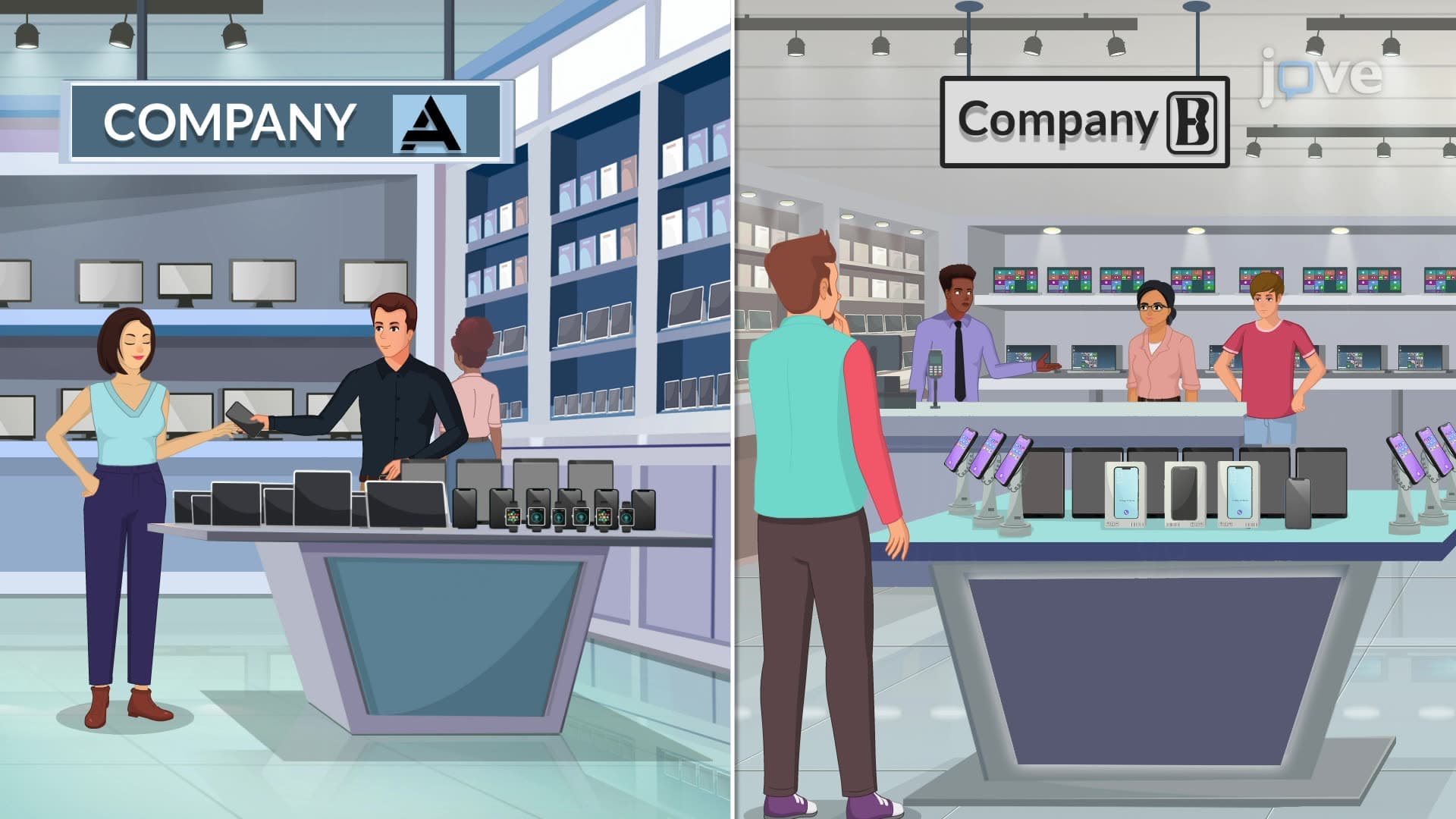
Ever wondered why two competing companies might both slash prices, hurting their profits? The prisoner's dilemma explains this paradox through game theory's most famous scenario. Two suspects face identical choices: cooperate by staying silent or betray their partner by confessing. Like how Coca-Cola and Pepsi compete on pricing despite mutual losses, this classic game theory concept reveals why rational individuals often choose strategies that lead to worse outcomes for everyone. What is Prisoner's Dilemma I demonstrates how Nash equilibrium creates these counterintuitive results. Watch the full video on JoVE Coach to master this concept with expert-led visuals and step-by-step explanations.
The prisoner's dilemma definition represents game theory's most influential model for understanding strategic interactions between rational decision-makers. This prisoner's dilemma concept explained through a simple scenario: two criminal suspects must independently choose between cooperation (remaining silent) and defection (confessing). The genius lies in its payoff structure, which creates a situation where individual rationality leads to collective irrationality.
The prisoner's dilemma overview centers on its carefully designed payoff matrix. When both players cooperate by staying silent, each receives a moderate penalty (one year). If one betrays while the other stays silent, the betrayer goes free while the cooperative player faces the harshest punishment (typically five years). When both betray each other, they receive intermediate sentences (two years each). This structure makes betrayal the dominant strategy-the best choice regardless of what the opponent does.
In prisoner's dilemma study guide materials, Nash equilibrium occurs when both players choose to betray. Neither can improve their outcome by unilaterally changing strategy. If Player A expects Player B to betray, betraying yields two years versus five years for cooperating. If Player A expects Player B to cooperate, betraying yields freedom versus one year for cooperating. This mathematical certainty makes mutual betrayal inevitable, despite mutual cooperation producing better joint outcomes.
The prisoner's dilemma notes extend far beyond theoretical exercises. Consider the airline industry: when American Airlines and Delta both offer competitive pricing, they maintain market share but reduce profits. If one raises prices while the other maintains low prices, the price-cutter gains market dominance. This explains why price wars persist despite hurting both companies' bottom lines.
Similarly, Major League Baseball's steroid era exemplified prisoner's dilemma dynamics. Individual players gained advantages through performance-enhancing drugs, but widespread usage ultimately damaged the sport's integrity and everyone's long-term interests.
Students encounter prisoner's dilemma in AP Economics, college-level microeconomics, and business strategy courses. The MCAT includes game theory questions testing analytical reasoning. MBA programs extensively analyze prisoner's dilemma applications in competitive strategy, merger negotiations, and regulatory compliance decisions.
Understanding this concept strengthens critical thinking skills essential for standardized tests and professional decision-making scenarios across economics, political science, and business administration fields.
Related Micro-courses