Loading video…


 22 Concepts
 5K views

Video Summary: What Is Sequential Game Backward Induction
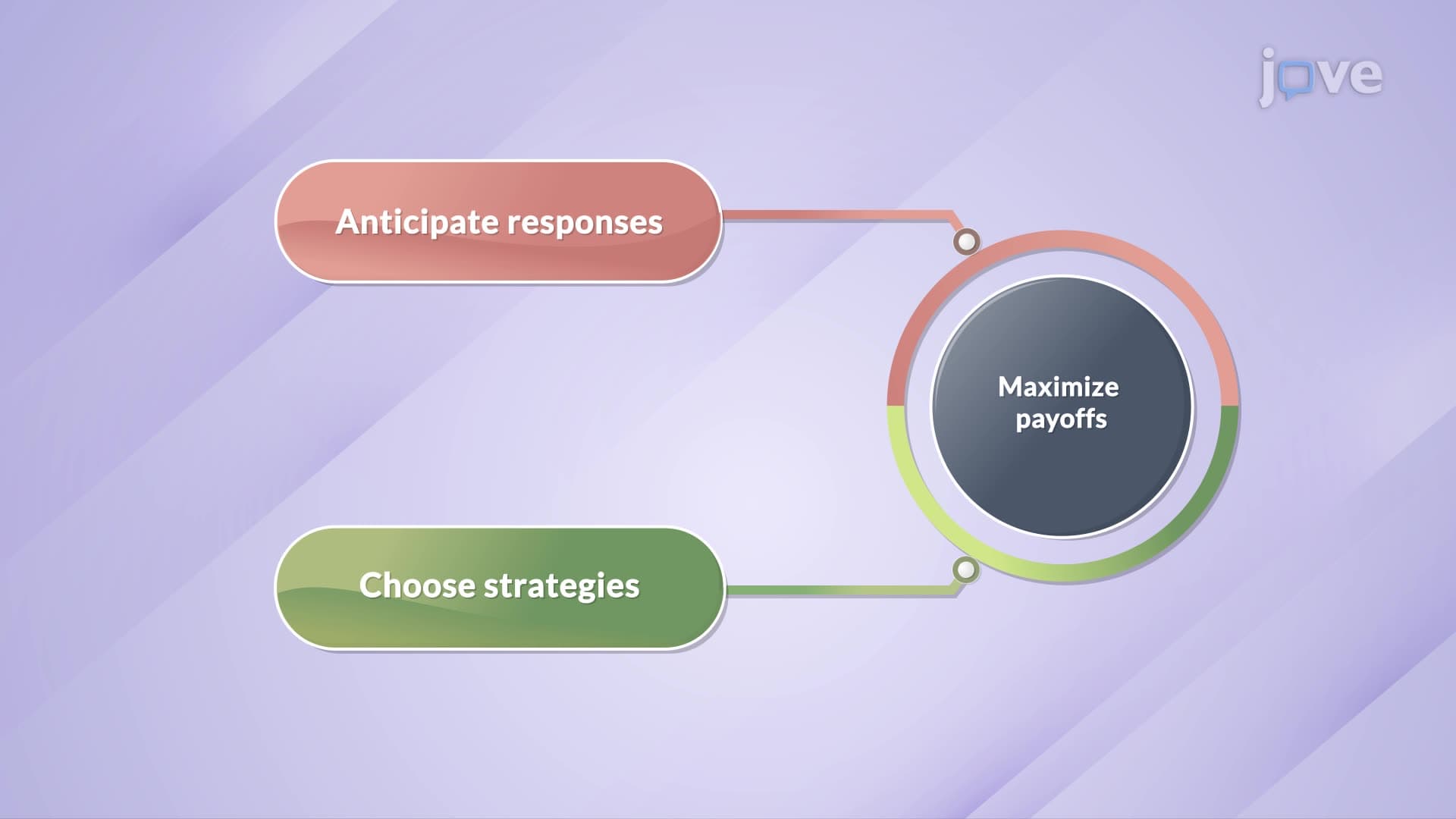
When Apple and Samsung compete over smartphone pricing strategies, how do they predict each other's moves? Sequential game backward induction is a strategic analysis method that solves these multi-step competitive scenarios by working backward from the final decision to determine optimal choices. This powerful concept helps explain why companies like pharmaceutical giants often end up in price wars despite potential collaboration benefits. The technique identifies perfect Nash equilibria in sequential games where players move in a specific order, making it essential for understanding strategic business decisions. Watch the full video on JoVE Coach to master this concept with expert-led visuals and step-by-step explanations.
Sequential game backward induction represents a cornerstone analytical tool in game theory that helps predict rational decision-making in multi-stage competitive environments. Unlike simultaneous games where all players act at once, sequential games involve a specific order of moves, creating information advantages for later players. This timing difference fundamentally changes strategic calculations and outcomes.
The backward induction process systematically analyzes decision trees by starting at terminal nodes and working backward to initial decisions. This methodology ensures that every player's strategy accounts for the optimal responses of subsequent players, creating what economists call "credible threats" and "rational expectations."
The sequential game backward induction definition explained involves four critical steps. First, identify all decision nodes and possible actions at each stage. Second, determine payoffs for every possible outcome combination. Third, analyze the final decision node to identify the optimal choice for the last-moving player. Fourth, work backward through earlier nodes, incorporating the known optimal responses of future players.
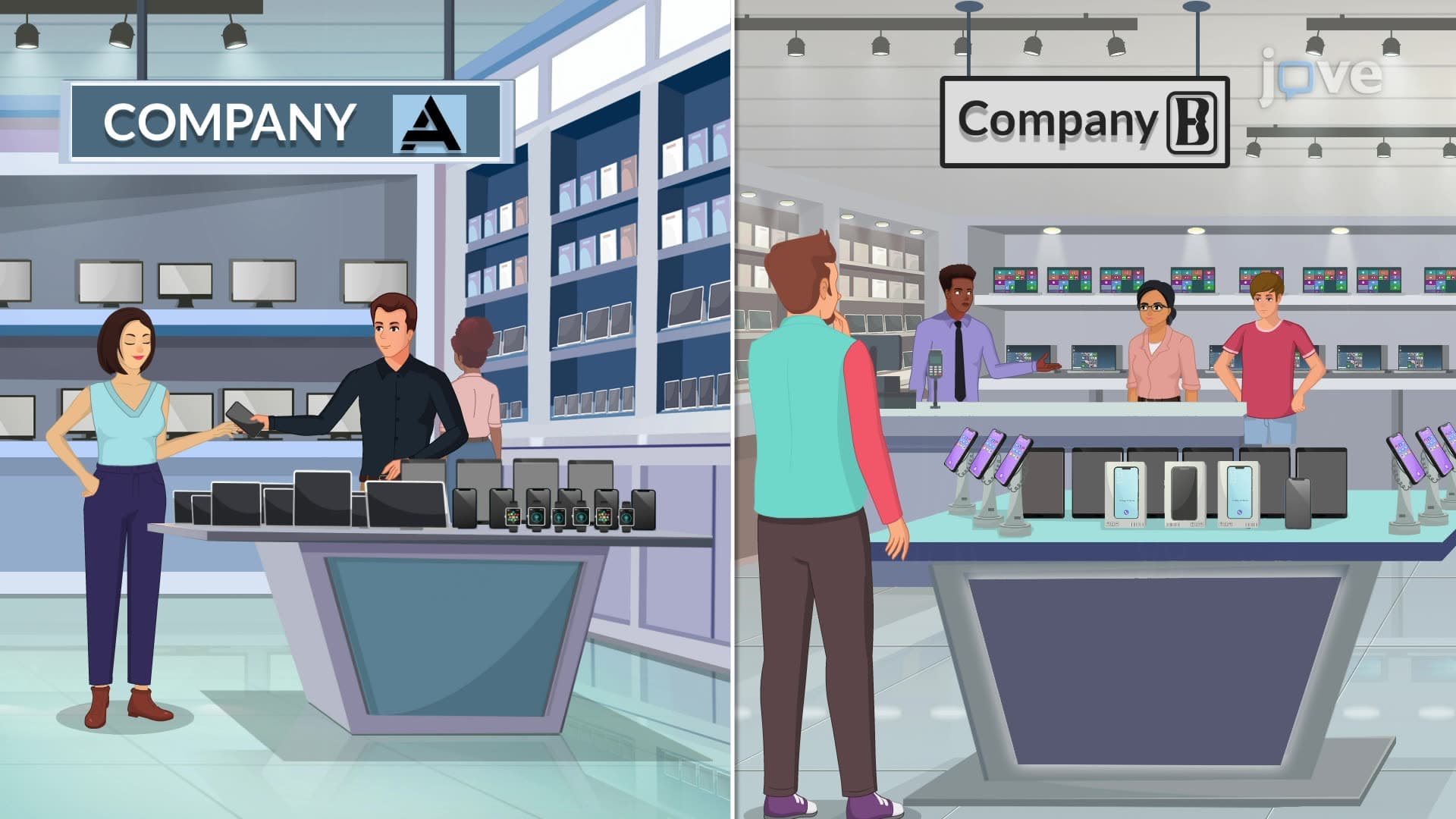
Consider how this applies to US airline pricing strategies. When Delta announces a route expansion, American Airlines must decide whether to match prices or maintain premium positioning. Delta's initial decision factors in American's likely response, while American's choice depends on Delta's commitment level. This creates a sequential game where backward induction reveals the equilibrium outcome.
Sequential game backward induction proves invaluable across numerous US industries. In pharmaceutical development, when Pfizer decides whether to invest in a new drug category, they must anticipate Johnson & Johnson's response strategies. Technology companies like Microsoft and Google use similar analysis when entering new markets, knowing that first-mover advantages can be offset by strategic follower responses.
The concept frequently appears in AP Economics exams and college microeconomics courses, particularly in questions involving oligopoly behavior and strategic entry decisions. Students studying for business school admission tests like the GMAT also encounter these scenarios in analytical reasoning sections.
The sequential game backward induction concept explained reveals why perfect Nash equilibria differ from standard Nash equilibria. Perfect equilibria eliminate non-credible threats by requiring strategies to be optimal at every decision point, not just initially. This refinement explains why companies sometimes appear to make "irrational" choices that actually represent optimal responses to anticipated competitor behavior.
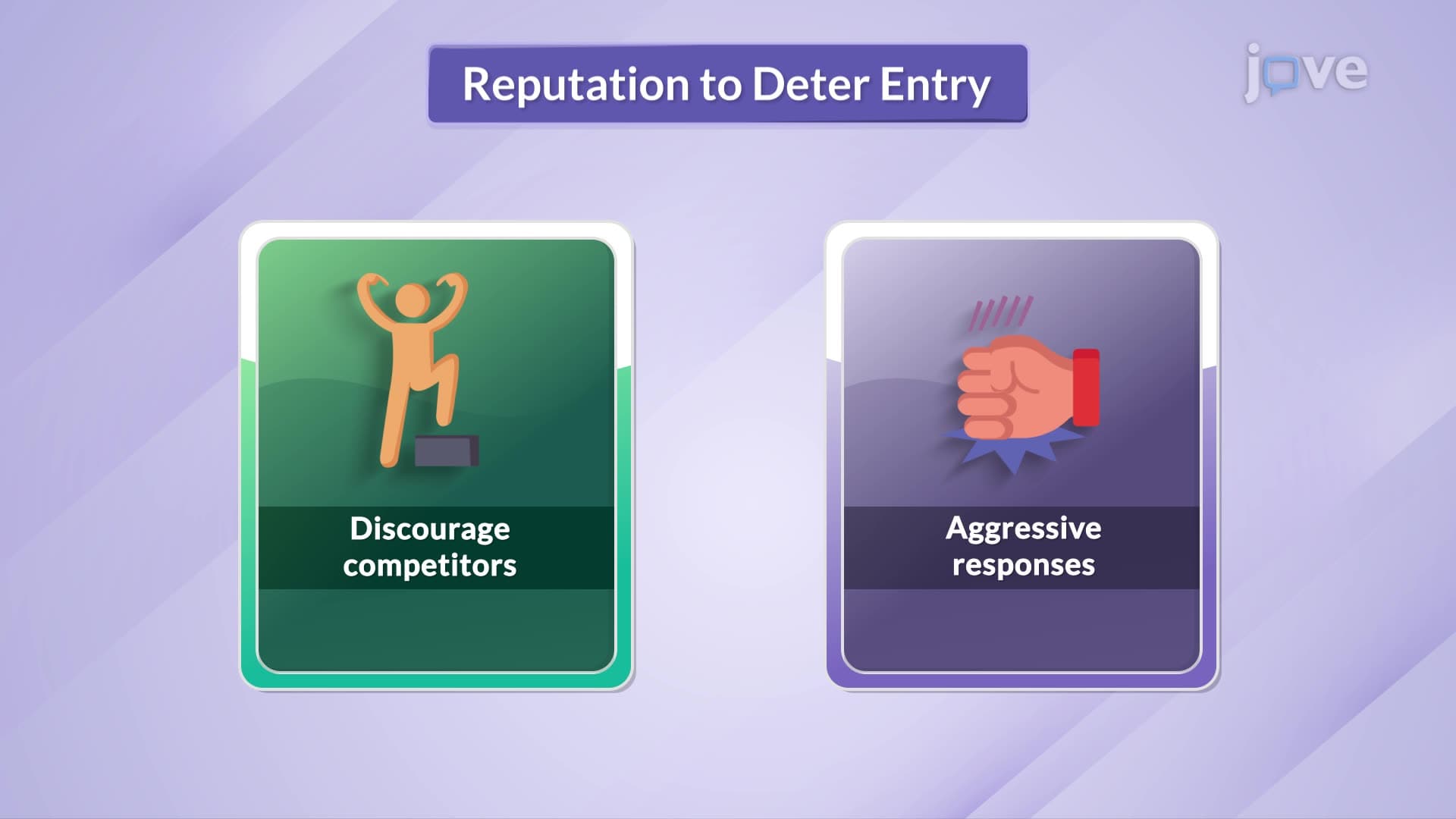
Understanding this distinction helps explain phenomena like predatory pricing in retail markets, where established firms like Walmart might temporarily reduce prices to deter new entrants, even though cooperation would yield higher immediate profits.
Related Micro-courses