Loading subject page…

- Microeconomics
- Oligopoly
- Bertrand Competition
Micro-course: Oligopoly
3,603 views
Learn key concepts and earn your certificate.










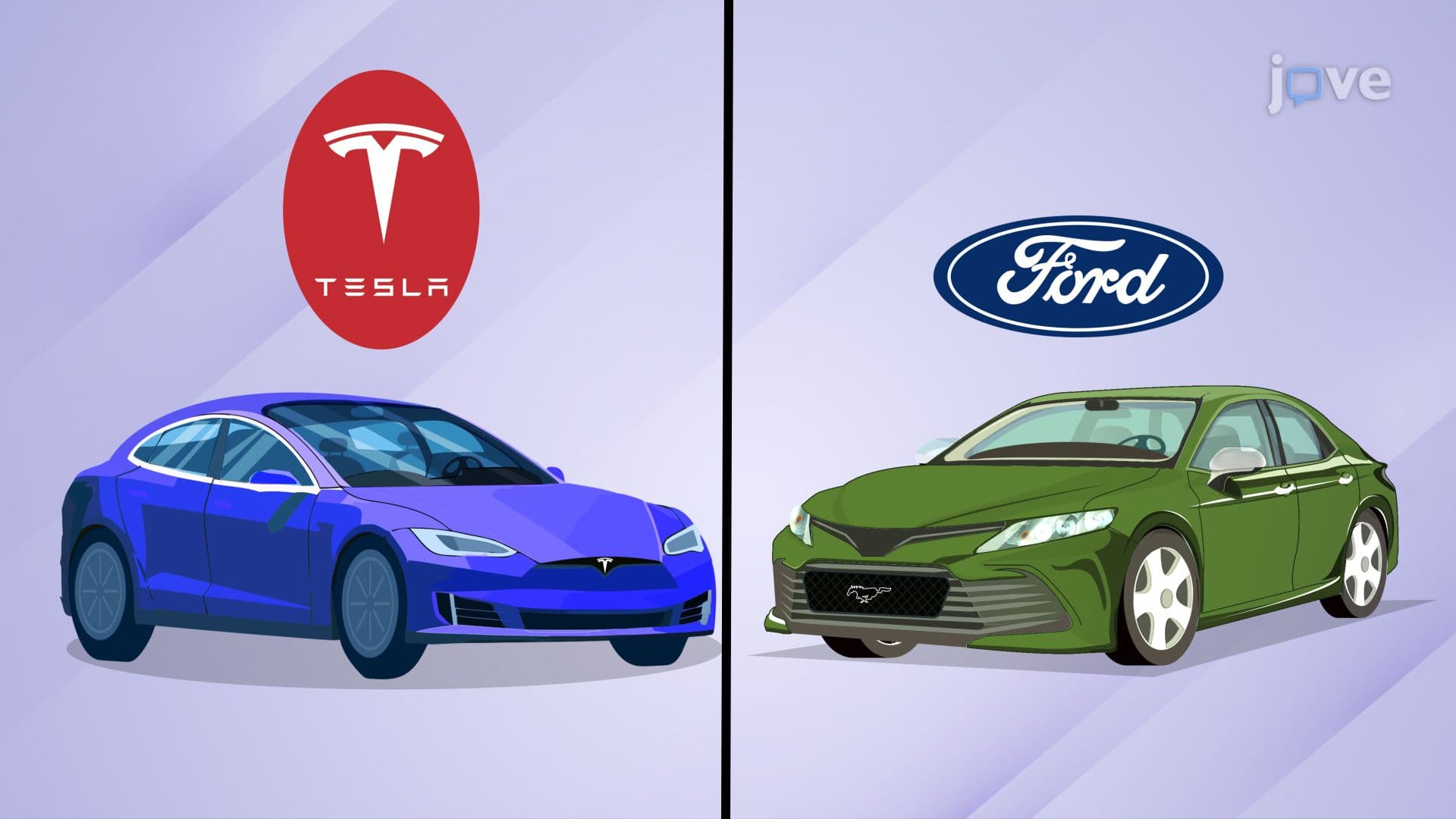
Bertrand Competition


00:00
01:30
Video Summary: What Is Bertrand Competition
Ever wonder why airline ticket prices seem to drop dramatically when competitors enter the same route? Bertrand competition explains this price war phenomenon, where firms compete by continuously undercutting each other's prices until profits vanish. In markets like airline routes between major US cities, companies like Delta and United engage in this strategic pricing battle, driving prices down to their marginal costs. What is Bertrand Competition reveals how this economic model predicts zero economic profit outcomes in competitive markets. Watch the full video on JoVE Coach to master this concept with expert-led visuals and step-by-step explanations.
- Understand What is Bertrand Competition and how it differs from other oligopoly models like Cournot competition
- Identify the key assumptions underlying Bertrand competition, including identical products, constant marginal costs, and price-setting behavior
- Analyze how firms reach equilibrium where price equals marginal cost, resulting in zero economic profit
- Compare Bertrand outcomes with perfect competition and monopoly market structures
- Evaluate real-world examples of Bertrand-like competition in industries such as airlines, telecommunications, and retail
- Apply Bertrand competition principles to predict pricing strategies and market outcomes
- Recognize the conditions necessary for Bertrand competition to occur in practice
- Explore the limitations and criticisms of the Bertrand model in real-world scenarios
Understanding Bertrand Competition Fundamentals
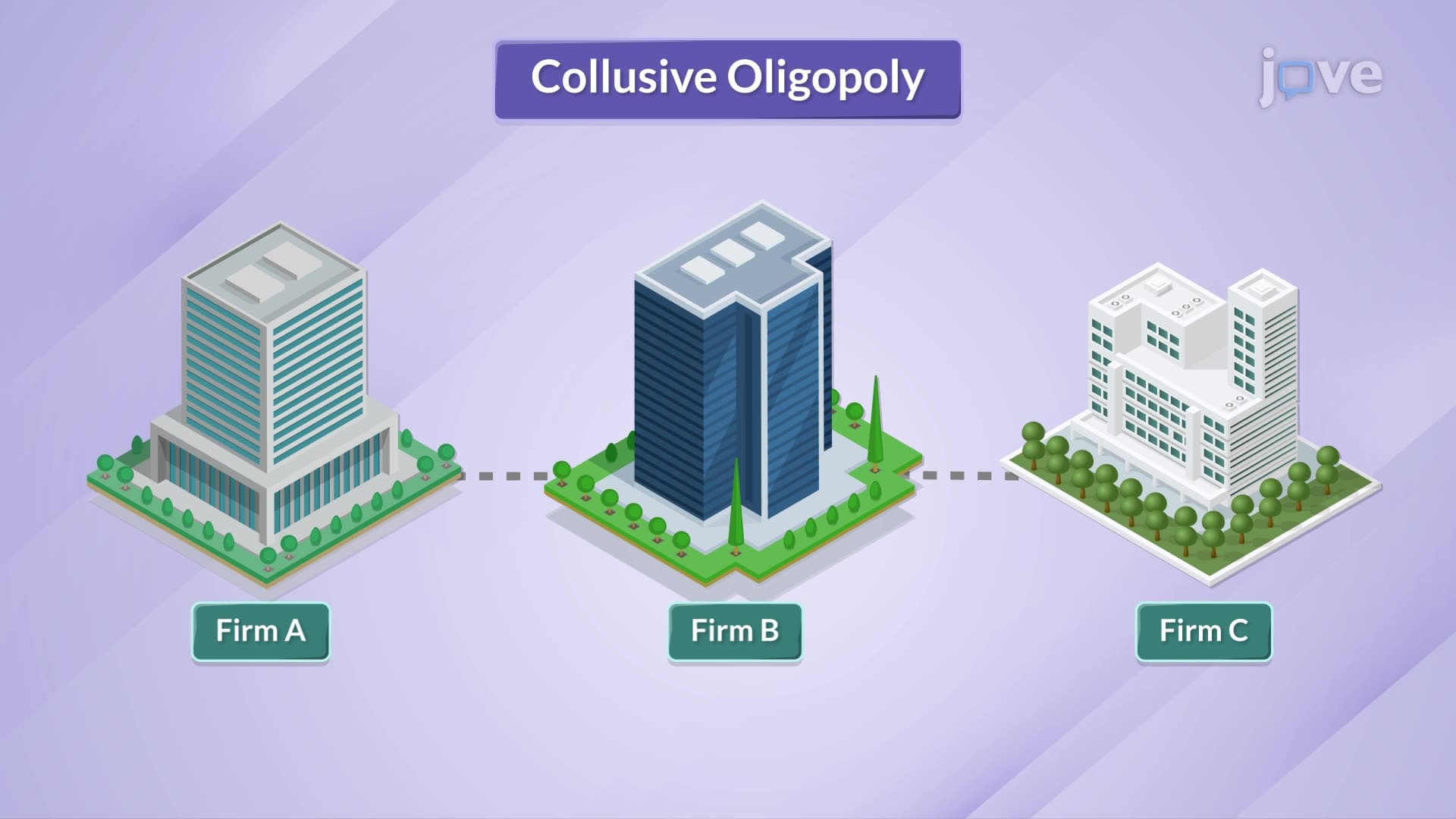
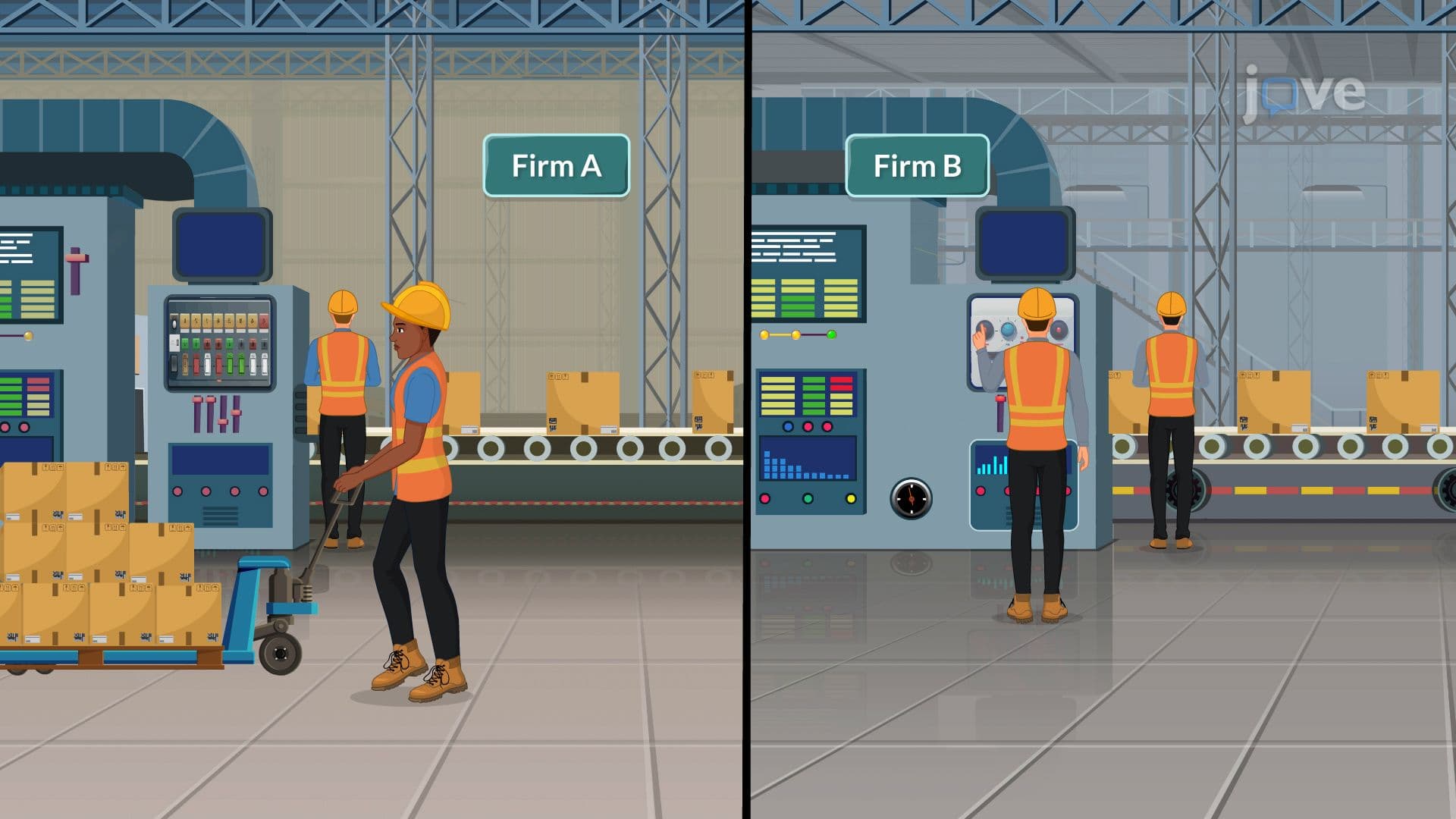
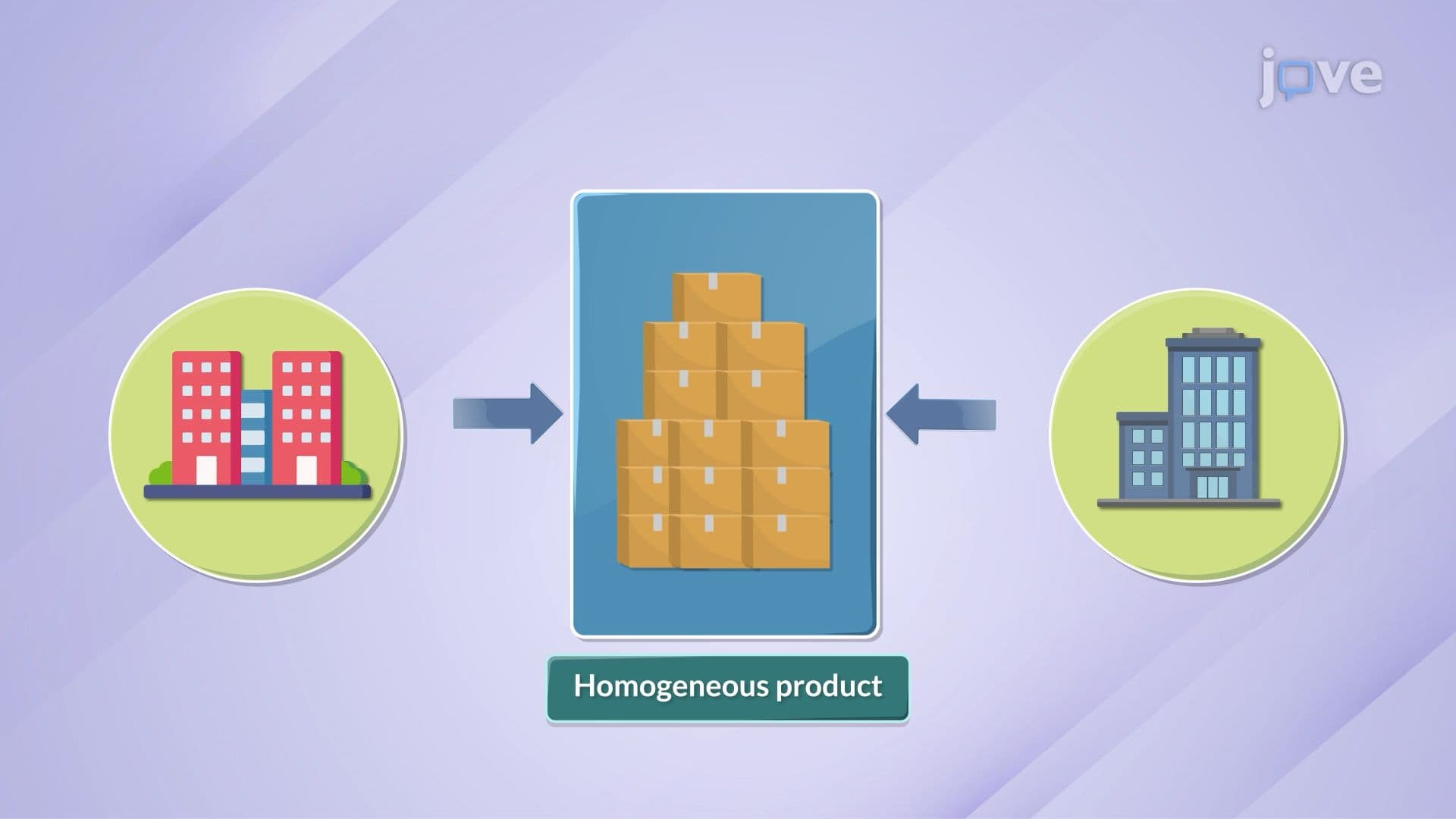
Bertrand competition represents a fundamental oligopoly model where firms compete primarily through price rather than quantity. Named after French mathematician Joseph Bertrand, this model assumes firms produce identical products and face constant marginal costs, leading to fierce price competition. Unlike monopolistic markets where single firms control pricing, or perfect competition with countless small players, Bertrand oligopolies feature a small number of firms locked in strategic pricing decisions.
The model's core mechanism involves firms continuously undercutting competitors' prices to capture market share. When one firm sets a lower price, customers immediately switch due to product homogeneity, forcing competitors to respond with even lower prices. This dynamic continues until prices reach marginal cost levels, beyond which further reductions would generate losses.
Real-World Applications in US Markets
US telecommunications provides excellent Bertrand competition examples. When Verizon and AT&T compete for wireless customers in specific markets, they often engage in price wars through promotional offers and plan reductions. Similarly, major US airlines frequently demonstrate Bertrand-like behavior on popular routes. When Southwest Airlines enters markets previously dominated by legacy carriers, existing airlines typically respond with significant fare reductions to maintain market share.
Retail gasoline stations also exhibit Bertrand characteristics, particularly when multiple stations operate within close proximity. Price-matching guarantees and aggressive promotional pricing reflect this competitive dynamic, often driving profit margins to minimal levels.
Mathematical Framework and Equilibrium Analysis
The Bertrand equilibrium occurs when P1 = P2 = MC, where P represents price and MC represents marginal cost. This outcome demonstrates that despite having only few firms, Bertrand competition can produce results similar to perfect competition. Students preparing for AP Economics or college microeconomics exams should understand this counterintuitive result: fewer firms doesn't automatically mean higher prices.
The model assumes perfect information, meaning firms instantly observe and respond to competitors' pricing decisions. This assumption, while unrealistic, helps illustrate the theoretical extremes of price competition. Advanced students might explore how introducing product differentiation, capacity constraints, or imperfect information modifies these stark conclusions.
Limitations and Extensions
Critics note that real markets rarely produce the zero-profit outcomes predicted by pure Bertrand competition. Firms often differentiate products, face capacity limitations, or develop tacit coordination mechanisms to avoid destructive price wars. Understanding these limitations helps students critically evaluate when and how Bertrand principles apply to actual business scenarios, making this concept valuable for both academic study and practical business analysis.
Frequently Asked Questions
Bertrand competition is an oligopoly model where few firms compete by setting prices rather than quantities, continuously undercutting each other until prices equal marginal costs. This process eliminates economic profits as firms engage in price wars to capture market share. The model demonstrates how intense price competition can produce outcomes similar to perfect competition despite having only a few market participants.
The key difference lies in the strategic variable: Bertrand firms compete on price while Cournot firms compete on quantity. Bertrand competition typically results in lower prices and zero economic profits, while Cournot competition usually produces higher prices and positive profits. Both models analyze oligopoly behavior but reach different equilibrium outcomes due to their distinct strategic approaches.
Bertrand competition frequently appears in oligopoly theory questions on AP Microeconomics and college intermediate microeconomics exams. Students typically analyze graphical representations, calculate equilibrium prices, and compare outcomes with other market structures. Common question formats include explaining why profits equal zero, identifying necessary assumptions, and evaluating real-world applications of the model.
Focus on memorizing key assumptions (identical products, constant marginal costs, simultaneous price-setting) and the equilibrium condition (P = MC). Practice drawing reaction function graphs and explaining the undercutting process step-by-step. For essay questions, prepare real-world examples and be ready to discuss model limitations and extensions.
US discount retail chains like Walmart and Target often engage in Bertrand-like competition, particularly during holiday seasons when they price-match identical products. Their aggressive promotional pricing on popular electronics and household goods frequently drives margins to minimal levels, demonstrating how price competition can eliminate profits on specific product categories.
No advanced mathematics is required to grasp core Bertrand competition concepts. Basic algebra suffices for understanding equilibrium conditions and price calculations. High school students can successfully master this topic by focusing on logical reasoning and economic intuition rather than complex mathematical derivations.
After understanding Bertrand competition, explore game theory applications, product differentiation models, and dynamic pricing strategies. Advanced students might investigate repeated games, tacit collusion, and experimental economics research on oligopoly behavior to deepen their understanding of strategic firm interactions.
Real firms avoid destructive price competition through product differentiation, brand loyalty, capacity constraints, and implicit coordination. Companies invest heavily in marketing and innovation to reduce direct price competition, while regulatory frameworks and repeated interactions often discourage aggressive pricing strategies that could harm long-term profitability.
Related Micro-courses