Loading subject page…


3,604 views


Video Summary: What Is Nash Equilibrium Bertrand Oligopoly
Why do gas stations on opposite corners charge nearly identical prices, even without communicating? Nash equilibrium Bertrand oligopoly explains this fascinating market behavior where competing firms reach price stability through strategic decision-making. Consider major US airlines like Delta and American competing on the same routes-they often match each other's pricing to avoid destructive price wars. What is Nash equilibrium Bertrand oligopoly reveals how firms find optimal pricing strategies when facing direct competition with identical products. Watch the full video on JoVE Coach to master this concept with expert-led visuals and step-by-step explanations.
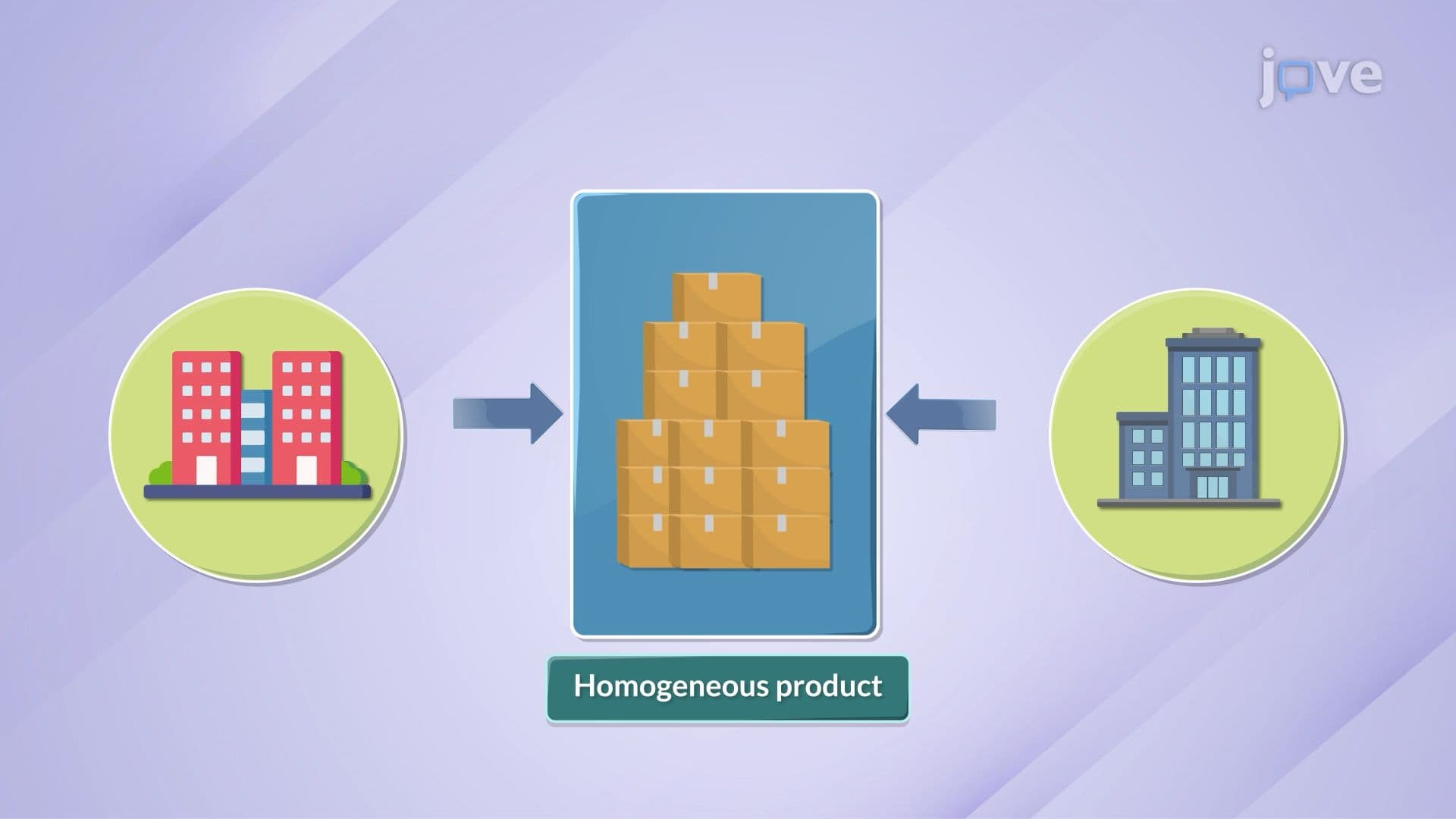
Nash equilibrium Bertrand oligopoly represents a critical concept in microeconomics where firms compete primarily through price rather than quantity. Named after economists John Nash and Joseph Bertrand, this model explains how companies reach stable pricing strategies when producing identical or nearly identical products. Unlike Cournot competition (where firms compete on quantity), Bertrand competition focuses on price as the primary strategic variable.
The mathematical foundation involves firms simultaneously choosing prices to maximize profits, knowing their competitors will respond optimally. When firms produce identical products with the same marginal costs, the Nash equilibrium typically results in both firms pricing at marginal cost-eliminating economic profits. This seemingly counterintuitive result occurs because any firm pricing above marginal cost risks losing all customers to competitors who can undercut them by even a penny.
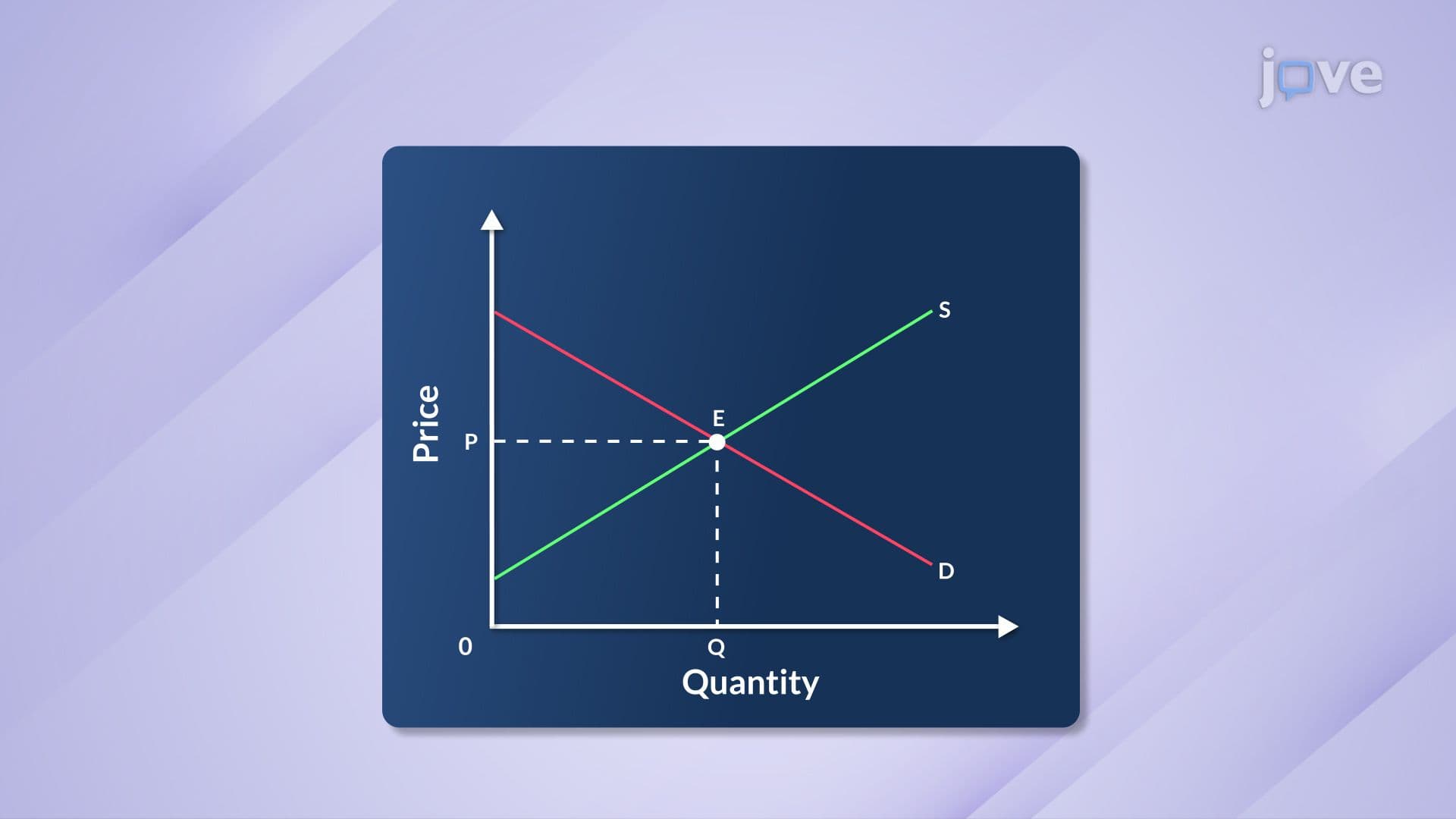
Consider the demand function P = 300 - Q, where total market quantity Q equals the sum of individual firm outputs. With marginal costs at $30 for both firms, the equilibrium price of $30 means total market quantity reaches 270 units. This outcome demonstrates the "Bertrand paradox"-despite having only two competitors, the market outcome mirrors perfect competition.
US telecommunications companies like Verizon and AT&T often engage in Bertrand-like competition, especially in markets where their services are nearly identical. Similarly, major airlines frequently match competitors' prices on popular routes, leading to price stability that reflects Bertrand equilibrium principles. Grocery chains like Walmart and Target also demonstrate this behavior when competing on identical national brand products.
This concept appears frequently on AP Microeconomics exams, college intermediate microeconomics courses, and graduate-level industrial organization classes. Students should master drawing reaction functions-graphs showing each firm's optimal price response to competitors' pricing decisions. The intersection of these reaction functions identifies the Nash equilibrium point where neither firm wants to change strategy.
Understanding Bertrand oligopoly helps explain why perfect competition outcomes can emerge even with few competitors, provided products are identical and firms compete on price. This insight proves crucial for analyzing antitrust policy, market regulation, and business strategy in concentrated industries.
Related Micro-courses