Loading subject page…

- Microeconomics
- Oligopoly
- Oligopoly Competition
Micro-course: Oligopoly
3,603 views
Learn key concepts and earn your certificate.

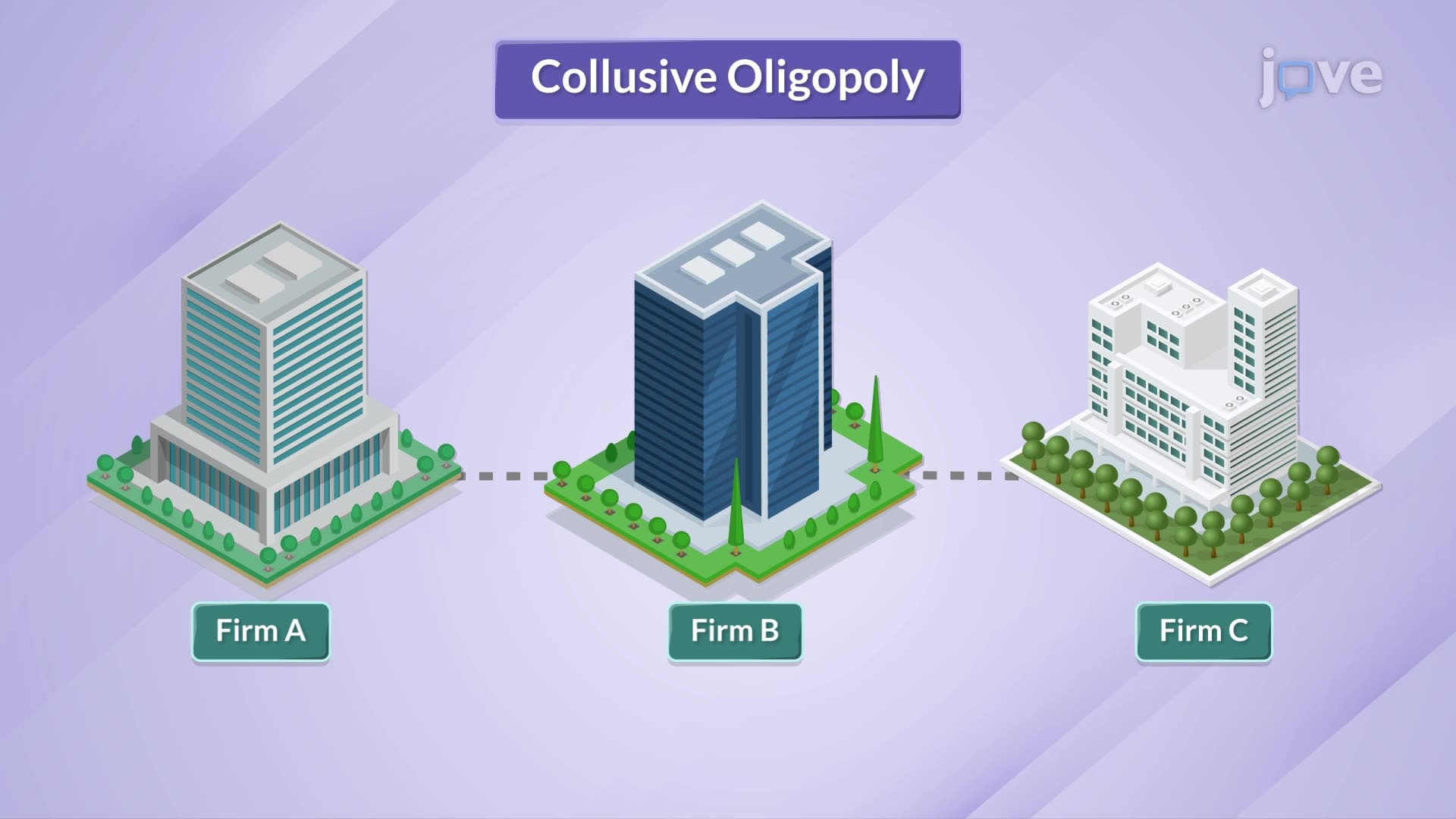



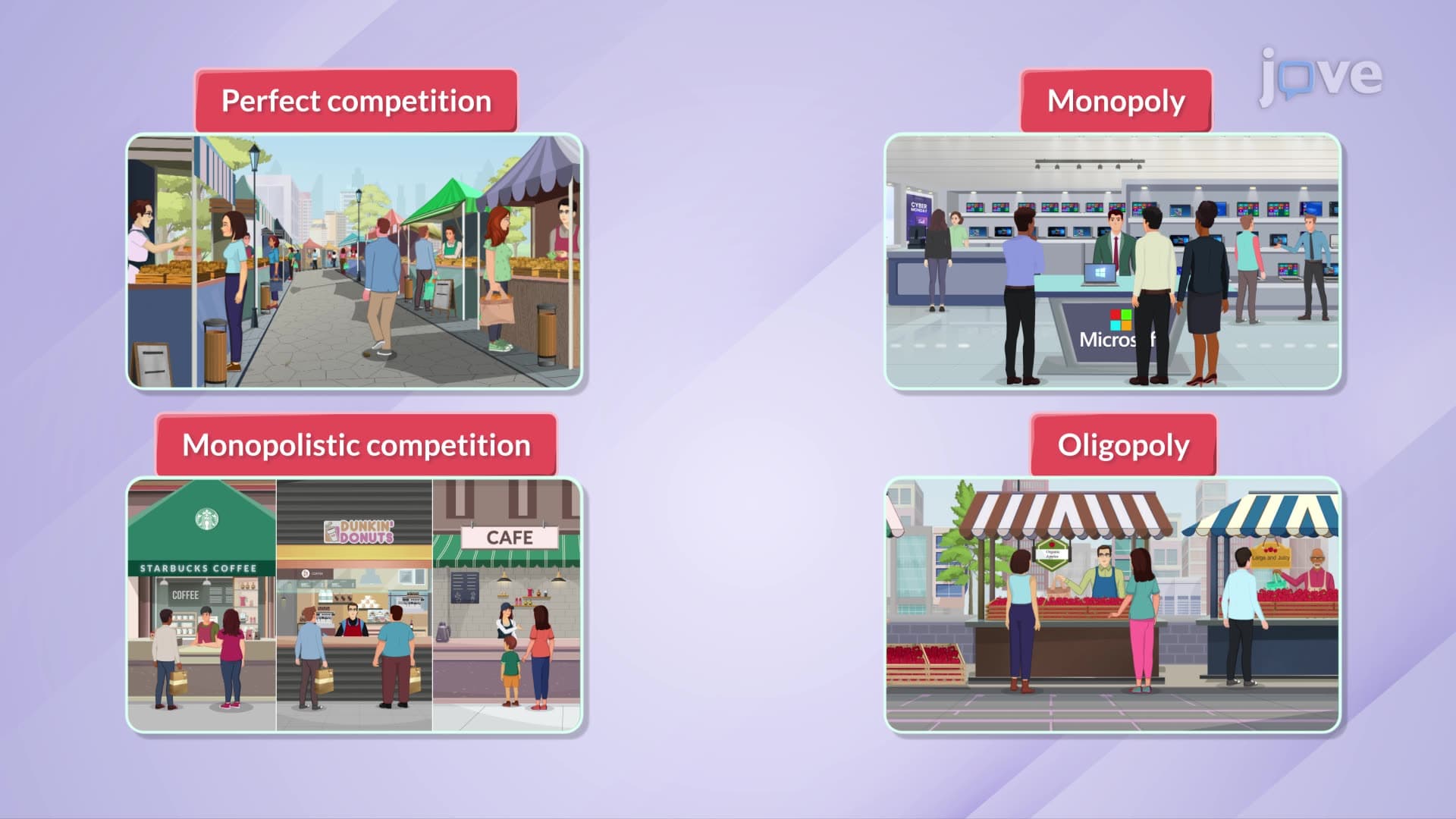



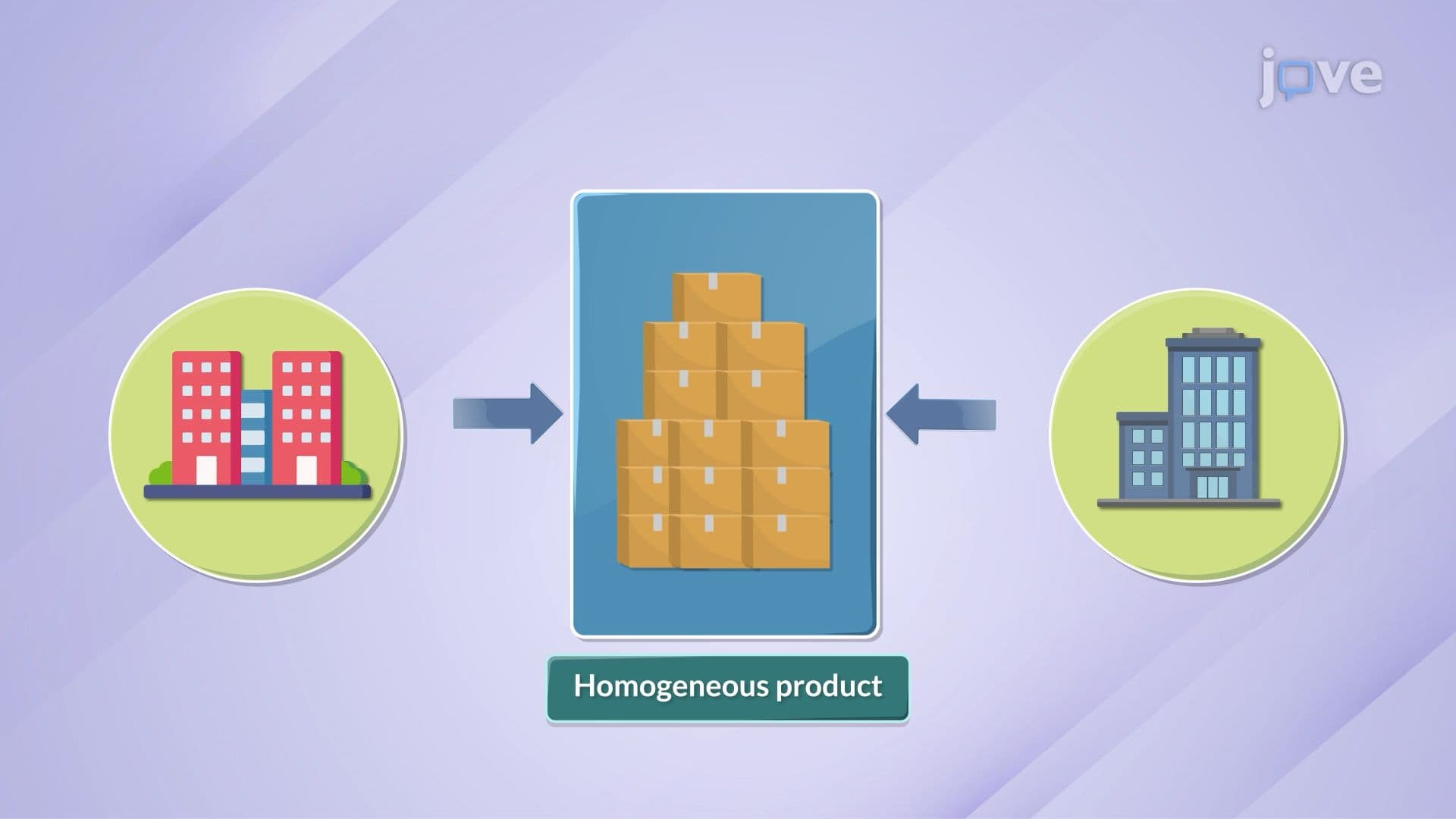



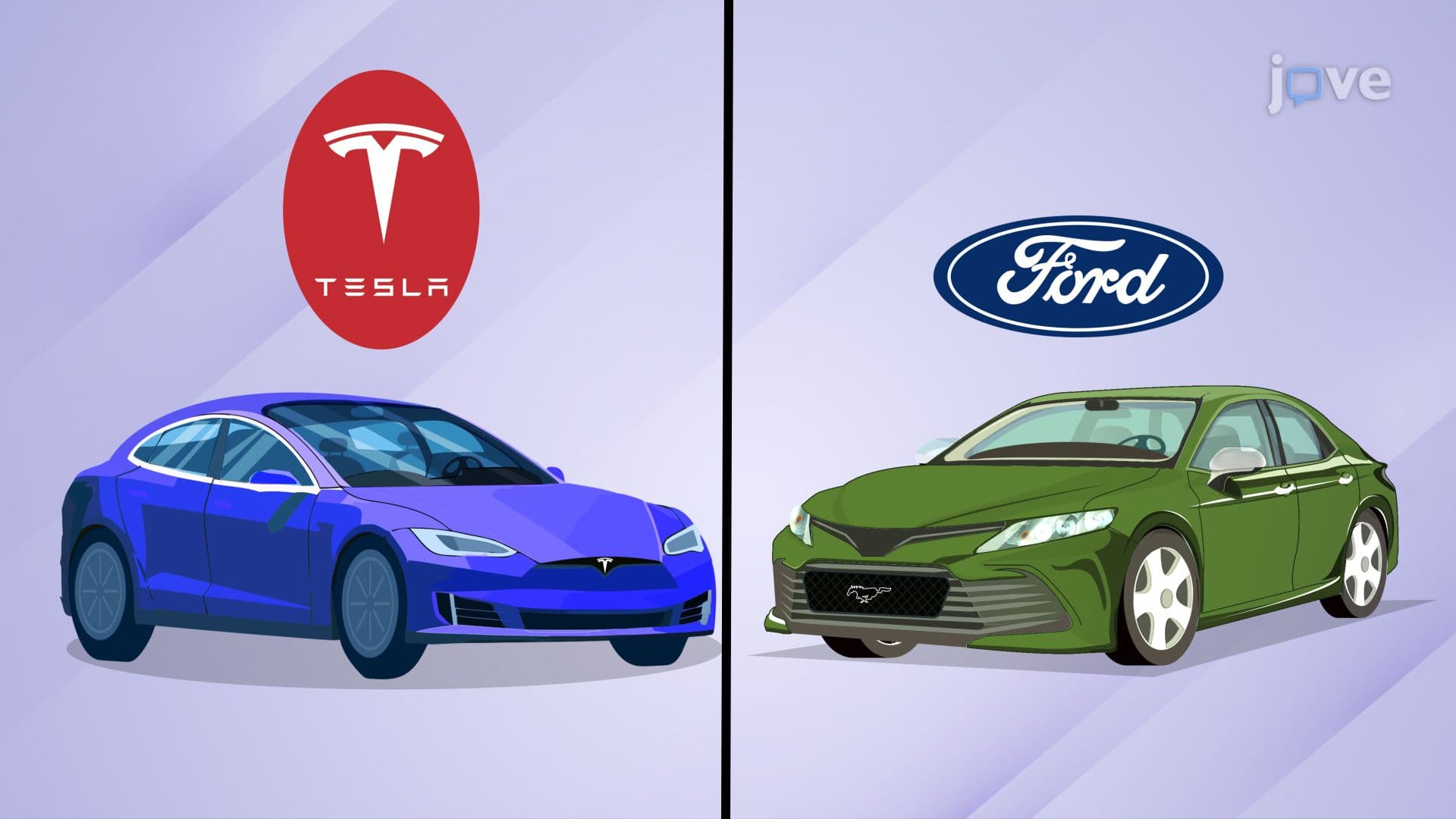
Oligopoly Competition


00:00
01:26
Video Summary: What Is Oligopoly Competition
Why do only a handful of airlines dominate US air travel, or why do just four companies control over 60% of America's wireless market? Oligopoly competition occurs when a few powerful firms control most of a market, creating unique competitive dynamics that differ dramatically from other market structures. In What is Oligopoly Competition, firms like Verizon, AT&T, and T-Mobile must carefully consider each other's moves before making pricing or product decisions. This interdependence shapes everything from your monthly phone bill to innovation timelines. Watch the full video on JoVE Coach to master this concept with expert-led visuals and step-by-step explanations.
- Understand What is Oligopoly Competition and how few sellers create market interdependence that affects pricing, innovation, and consumer choice
- Identify the key characteristics that distinguish oligopolies from perfect competition and monopolies, including high barriers to entry and substantial market share concentration
- Analyze how firms in oligopolistic markets avoid price competition and instead focus on non-price factors like advertising, customer service, and product differentiation
- Compare oligopoly outcomes to other market structures, recognizing how limited competition can lead to higher prices and reduced innovation
- Evaluate real-world examples of oligopolistic industries in the US economy, from telecommunications to airlines to soft drinks
- Apply oligopoly theory to predict firm behavior and market outcomes in various scenarios
- Recognize the special case of duopoly when exactly two firms dominate a market
- Explore the economic implications of oligopolistic market power on consumer welfare and market efficiency
Understanding What is Oligopoly Competition
What is Oligopoly Competition represents one of the most common yet complex market structures in the modern US economy. Unlike perfect competition where many small firms compete, or monopolies where one firm dominates, oligopoly sits in the middle ground with a small number of large firms controlling the majority of market share. This unique positioning creates a web of strategic interdependence that fundamentally alters how businesses compete and make decisions.
Defining Characteristics of Oligopolistic Markets
The foundation of oligopoly competition rests on several key pillars. First, high barriers to entry prevent new competitors from easily entering the market. Consider the US automotive industry, where companies like General Motors, Ford, and Stellantis dominate. The massive capital requirements for manufacturing facilities, research and development, and regulatory compliance create virtually insurmountable barriers for new entrants. Similarly, the pharmaceutical industry requires billions in drug development costs and FDA approval processes that only established players can navigate effectively.
Second, oligopolistic firms exhibit strong interdependence in their decision-making. When Apple introduces a new iPhone feature, Samsung and Google immediately respond with competitive innovations. This reactive behavior stems from the recognition that any major strategic move by one firm significantly impacts all others in the market. Students preparing for AP Economics or college microeconomics courses should understand this interdependence as the core driver of oligopolistic behavior.
Strategic Behavior and Non-Price Competition
Perhaps the most fascinating aspect of oligopoly competition lies in firms' reluctance to compete on price. The threat of price wars-where one firm's price cut triggers retaliatory cuts from competitors-often leads to a lose-lose scenario where all firms see reduced profits. Instead, oligopolistic firms channel their competitive energy into non-price factors. The US wireless industry exemplifies this perfectly: Verizon, AT&T, and T-Mobile rarely engage in aggressive price competition, instead focusing on network coverage claims, customer service improvements, and bundled services.
This strategic behavior extends to advertising and brand differentiation. The intense marketing battles between Coca-Cola and PepsiCo demonstrate how oligopolistic firms invest heavily in brand building rather than price cutting. For students encountering this concept in SAT Subject Tests or college economics courses, understanding this shift from price to non-price competition often appears in exam scenarios and case studies.
Economic Implications and Market Outcomes
The economic consequences of oligopoly competition create both benefits and drawbacks for consumers and society. On the positive side, oligopolistic firms often have the resources and scale to invest in significant research and development, leading to technological innovations. The US technology sector, dominated by companies like Apple, Microsoft, and Google, has produced revolutionary products partly due to their oligopolistic market positions providing substantial profit margins for reinvestment.
However, the concentration of market power can lead to higher prices and reduced consumer choice compared to more competitive markets. The airline industry merger wave that created today's "Big Four" carriers (American, Delta, United, and Southwest) resulted in route consolidation and price increases on many domestic flights. Students should recognize these trade-offs when analyzing oligopolistic markets for exam purposes or real-world applications.
Frequently Asked Questions
Oligopoly competition occurs when a small number of large firms control most of a market, creating interdependence between competitors. Unlike perfect competition with many small firms or monopolies with one dominant firm, oligopolies feature strategic decision-making where each firm must consider competitors' likely responses. This leads to unique behaviors like avoiding price wars and focusing on non-price competition through advertising and product differentiation.
Oligopoly questions frequently test your understanding of firm interdependence, game theory basics, and non-price competition strategies. Expect scenarios asking you to predict firm responses to competitor actions, analyze market outcomes compared to perfect competition, or identify real-world oligopoly examples. Focus on understanding why firms avoid price competition and how barriers to entry maintain market structure.
Start with mastering the core characteristics: few firms, high barriers to entry, and interdependence. Create comparison charts showing oligopoly versus other market structures, and memorize real US examples like airlines, telecommunications, and pharmaceuticals. Practice analyzing firm decision-making scenarios and understanding how oligopolistic behavior affects consumer welfare and market efficiency.
The US wireless industry perfectly demonstrates oligopoly competition with Verizon, AT&T, T-Mobile, and Dish controlling virtually the entire market. Similarly, the airline industry features American, Delta, United, and Southwest dominating domestic routes. The streaming entertainment sector shows emerging oligopolistic patterns with Netflix, Disney+, Amazon Prime, and HBO Max competing primarily through content differentiation rather than aggressive pricing.
Oligopoly competition builds naturally on basic supply and demand concepts you already know. The key insight-that firms must consider competitors' reactions-relates to everyday situations like choosing restaurant locations or social media platforms. Start with simple examples like local gas stations that tend to match each other's prices, then progress to more complex scenarios involving product differentiation and advertising competition.
Focus on three key areas: identifying oligopoly characteristics in market scenarios, predicting firm behavior using interdependence logic, and comparing oligopoly outcomes to perfect competition benchmarks. Practice drawing and interpreting basic game theory matrices, memorize US industry examples, and understand how oligopolistic firms achieve above-normal profits through limited competition while avoiding destructive price wars.
Game theory applications provide the natural next step, particularly Nash equilibrium and prisoner's dilemma scenarios in business contexts. Strategic behavior models like the kinked demand curve theory and Cournot competition offer mathematical frameworks for analyzing oligopolistic decision-making. Additionally, studying antitrust policy and merger analysis shows how government regulation attempts to maintain competitive markets.
A duopoly represents the simplest form of oligopoly competition with exactly two dominant firms sharing the market. Examples include Boeing and Airbus in commercial aircraft manufacturing, or the historical rivalry between Coca-Cola and PepsiCo in soft drinks. Duopolies exhibit even stronger interdependence than larger oligopolies since each firm's actions directly and immediately impact only one major competitor.
Related Micro-courses