Loading subject page…

- Microeconomics
- Oligopoly
- Stackelberg Competition
Micro-course: Oligopoly
3,604 views
Learn key concepts and earn your certificate.












Stackelberg Competition


00:00
01:25
Video Summary: What Is Stackelberg Competition
Ever wonder why Amazon sets prices before smaller retailers react? Stackelberg competition explains this strategic timing in oligopolies where one firm moves first as the market leader. This economic model reveals how companies like Apple introduce products knowing competitors will follow with similar offerings. Unlike simultaneous competition, the leader commits to production levels while followers optimize their response strategies. Watch the full video on JoVE Coach to master this concept with expert-led visuals and step-by-step explanations.
- Understand what is Stackelberg competition and how it differs from Cournot competition in oligopoly markets
- Identify the characteristics that enable firms to become quantity leaders versus followers in sequential decision-making
- Analyze reaction functions and how followers optimize production based on the leader's irreversible commitment
- Compare Stackelberg equilibrium outcomes with other market structures like perfect competition and monopoly
- Evaluate real-world examples of market leadership in technology, retail, and manufacturing industries
- Apply mathematical models to calculate optimal production levels for both leaders and followers
- Recognize the strategic advantages and potential drawbacks of being first-mover versus follower
- Explore how information asymmetries and market power create opportunities for sequential competition
Understanding Stackelberg Competition Fundamentals
Stackelberg competition represents a sequential game theory model where firms make production decisions in a specific order rather than simultaneously. Named after German economist Heinrich von Stackelberg, this framework explains real-world scenarios where market timing creates competitive advantages. The model assumes one firm possesses sufficient market power, resources, or strategic positioning to commit to production levels before competitors respond.
Market Leadership Dynamics and Firm Characteristics
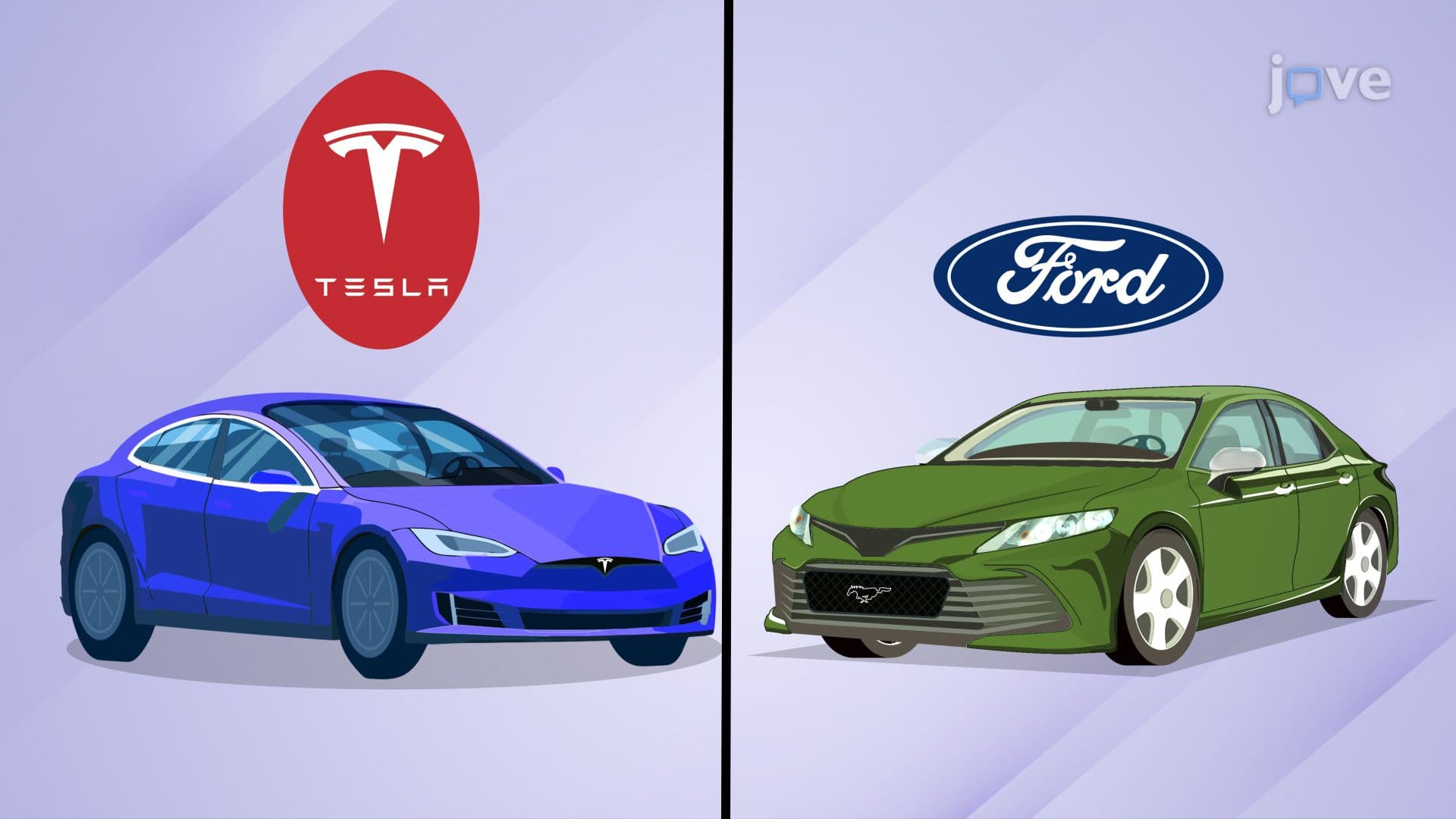
Several factors determine which firms emerge as Stackelberg leaders. Market capitalization often plays a crucial role-think of how Walmart's massive scale allows it to set pricing strategies that smaller retailers must follow. Technological innovation capacity also creates leadership opportunities, as seen when Tesla pioneered electric vehicle mass production, forcing traditional automakers like Ford and GM to develop competing models years later.
First-mover advantages in Stackelberg competition include capturing larger market shares and influencing industry standards. However, leadership requires substantial resource commitments and bears higher risks if market conditions change unexpectedly. Followers benefit from observing market responses before committing resources but typically achieve smaller profit margins.
Mathematical Framework and Equilibrium Analysis
The Stackelberg model uses reaction functions to determine optimal strategies. The leader maximizes profits by anticipating how followers will respond to various production levels. This creates a backward induction process where leaders solve the follower's optimization problem first, then determine their own optimal output.
Unlike Cournot competition where firms choose quantities simultaneously, Stackelberg equilibrium typically results in higher total industry output and lower prices. The leader generally produces more than in Cournot equilibrium, while followers produce less. This dynamic appears frequently in AP Economics and college-level game theory courses, where students analyze profit-maximizing strategies using calculus-based optimization.
Real-World Applications in US Markets
Stackelberg competition manifests across numerous American industries. In streaming services, Netflix established market leadership by investing heavily in original content, forcing competitors like Disney+ and HBO Max to develop response strategies. The pharmaceutical industry provides another example, where companies like Pfizer make substantial R&D investments in new drug categories, knowing generic manufacturers will follow once patents expire.
Students preparing for economics exams should focus on graphical analysis skills, understanding how reaction functions intersect to create equilibrium points. Practice problems often involve calculating consumer surplus changes and welfare effects when markets transition from competitive to Stackelberg structures.
Frequently Asked Questions
Stackelberg competition is a market structure where one firm (the leader) chooses its production level first, and other firms (followers) respond by optimizing their output based on the leader's decision. This sequential decision-making creates different outcomes than when all firms choose simultaneously, typically resulting in the leader gaining larger market share and higher profits.
AP Microeconomics frequently tests Stackelberg models through graphical analysis and calculation problems. Students must identify reaction functions, determine equilibrium points, and compare outcomes with Cournot competition. Expect questions about profit maximization, consumer welfare effects, and real-world applications in oligopoly markets during both multiple-choice and free-response sections.
College-level analysis emphasizes the mathematical sophistication of backward induction and game theory applications. Unlike perfect competition or monopoly, Stackelberg requires understanding sequential strategic interactions. Students learn calculus-based optimization techniques and analyze how information advantages create sustainable competitive positions in oligopolistic industries.
Apple's iPhone launch strategy exemplifies Stackelberg leadership perfectly. Apple invests heavily in R&D and announces new features first, forcing Samsung, Google, and other smartphone manufacturers to develop competing products afterward. Apple's first-mover advantage in touchscreen technology, app ecosystems, and premium positioning demonstrates how market leaders capture value through sequential competition.
Stackelberg competition builds naturally on supply and demand concepts most students already know. While the mathematical details require practice, the core idea-that timing matters in business decisions-connects easily to everyday experiences. Students who understand basic graphing and profit maximization can master this concept with consistent practice and real-world examples.
Focus on drawing and interpreting reaction function graphs accurately, as visual analysis often provides the fastest solution path. Practice calculating optimal quantities for both leaders and followers using profit maximization conditions. Create summary charts comparing Stackelberg, Cournot, and monopoly outcomes to identify patterns quickly during timed exams.
Students should explore multi-stage games, repeated interactions, and price competition models like Bertrand competition. Advanced courses cover dynamic games, incomplete information scenarios, and industrial organization applications. These concepts appear in graduate-level economics and MBA programs, particularly in strategy and competitive analysis coursework.
Companies employ Stackelberg strategies through capacity investments, product launch timing, and market entry decisions. Consulting firms like McKinsey and BCG help clients analyze competitive positioning using game theory frameworks. Understanding these models provides valuable insights for business strategy, investment analysis, and competitive intelligence across industries from technology to pharmaceuticals.
Related Micro-courses