Loading video…


 12 Concepts
 6K views

Video Summary: Impact of Number of Sellers Explained
Ever wonder why gas prices suddenly drop when a new station opens nearby? The impact number sellers have on any market creates these dramatic price shifts that affect every American consumer daily. When Amazon entered the grocery market with Whole Foods, it instantly changed pricing across the entire food retail landscape. Understanding the Impact of Number of Sellers Explained reveals how market entry and exit decisions drive supply curves, influence pricing strategies, and determine what you pay for everything from coffee to textbooks. Watch the full video on JoVE Coach to master this concept with expert-led visuals and step-by-step explanations.
The impact of number of sellers represents one of the fundamental forces shaping every market in the US economy. When the count of businesses or individuals supplying a specific good or service changes, it creates immediate and measurable effects on market dynamics. This concept forms a cornerstone of microeconomic theory and appears regularly on AP Economics exams, college microeconomics courses, and business school curricula.
When new sellers enter a market, they contribute additional production capacity, causing the market supply curve to shift rightward. Consider the explosive growth of food truck vendors in cities like Austin, Texas. As hundreds of new mobile food businesses entered the market between 2010-2020, the total supply of prepared meals increased dramatically. Each new food truck added its production capacity to the market total, creating more options for consumers and generally putting downward pressure on prices.
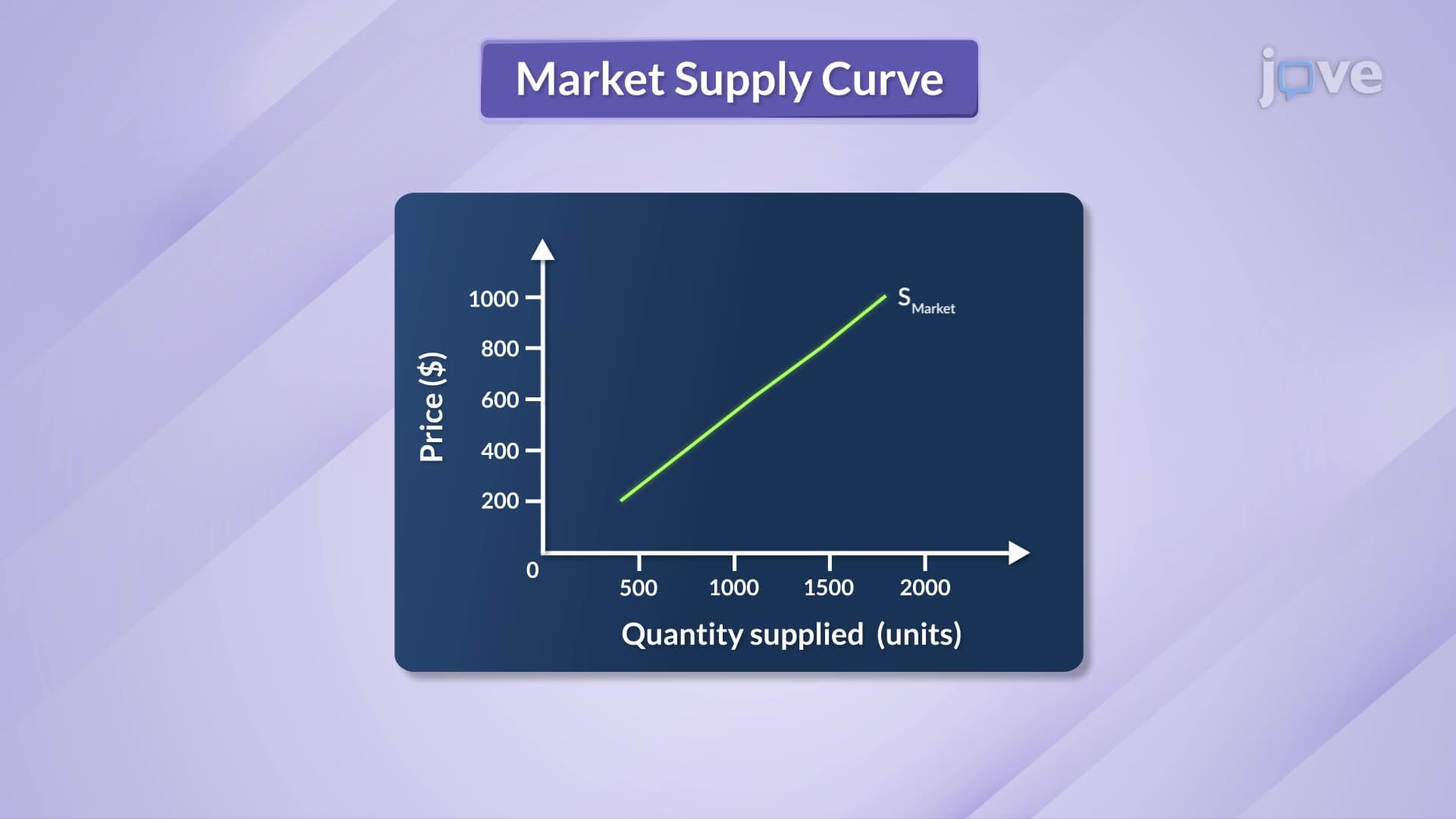
This rightward shift occurs because each additional seller brings their individual supply curve to the market. The horizontal summation of all individual supply curves creates the market supply curve. More sellers mean more total quantity supplied at every price level, which is graphically represented as the curve moving to the right.
Conversely, when sellers exit a market, the supply curve shifts leftward, reducing total market supply. The retail pharmacy industry exemplifies this phenomenon. As independent pharmacies have closed due to competition from chains like CVS and Walgreens, many rural communities have experienced reduced pharmacy services and higher prices. Each closure removes that pharmacy's supply contribution from the local market, shifting the supply curve left and potentially increasing equilibrium prices.
Understanding what is impact of number of sellers proves crucial for students preparing for standardized tests and college coursework. AP Microeconomics frequently tests this concept through graph analysis questions, asking students to predict price and quantity changes following seller entry or exit. College intermediate microeconomics courses extend this analysis to include strategic considerations and game theory applications.
The concept also appears in business strategy contexts. When evaluating market entry decisions, companies analyze existing seller counts, barriers to entry, and potential competitive responses. The craft beer industry demonstrates this perfectly - as thousands of microbreweries entered the US market since 2000, established players like Anheuser-Busch adapted their strategies to maintain market share in an increasingly crowded field.
Related Micro-courses