Loading video…


 12 Concepts
 6K views

Video Summary: Impact of Input Prices on Explained
Ever wonder why your favorite smartphone suddenly costs $100 more? The impact of input prices fundamentally determines whether companies can afford to produce more or less of their products. When Apple faces rising semiconductor costs, they might reduce iPhone production, directly affecting supply in US markets. Understanding the Impact of Input Prices On Explained reveals how production costs create ripple effects throughout entire industries. Watch the full video on JoVE Coach to master this concept with expert-led visuals and step-by-step explanations.
The impact of input prices represents one of the most fundamental forces shaping market supply in modern economics. Input prices encompass every cost component necessary for production: raw materials like steel and plastic, human capital through wages and benefits, physical capital including machinery and equipment, and technological resources such as software licenses and research investments. When these costs fluctuate, they create immediate pressure on producers to adjust their output decisions.
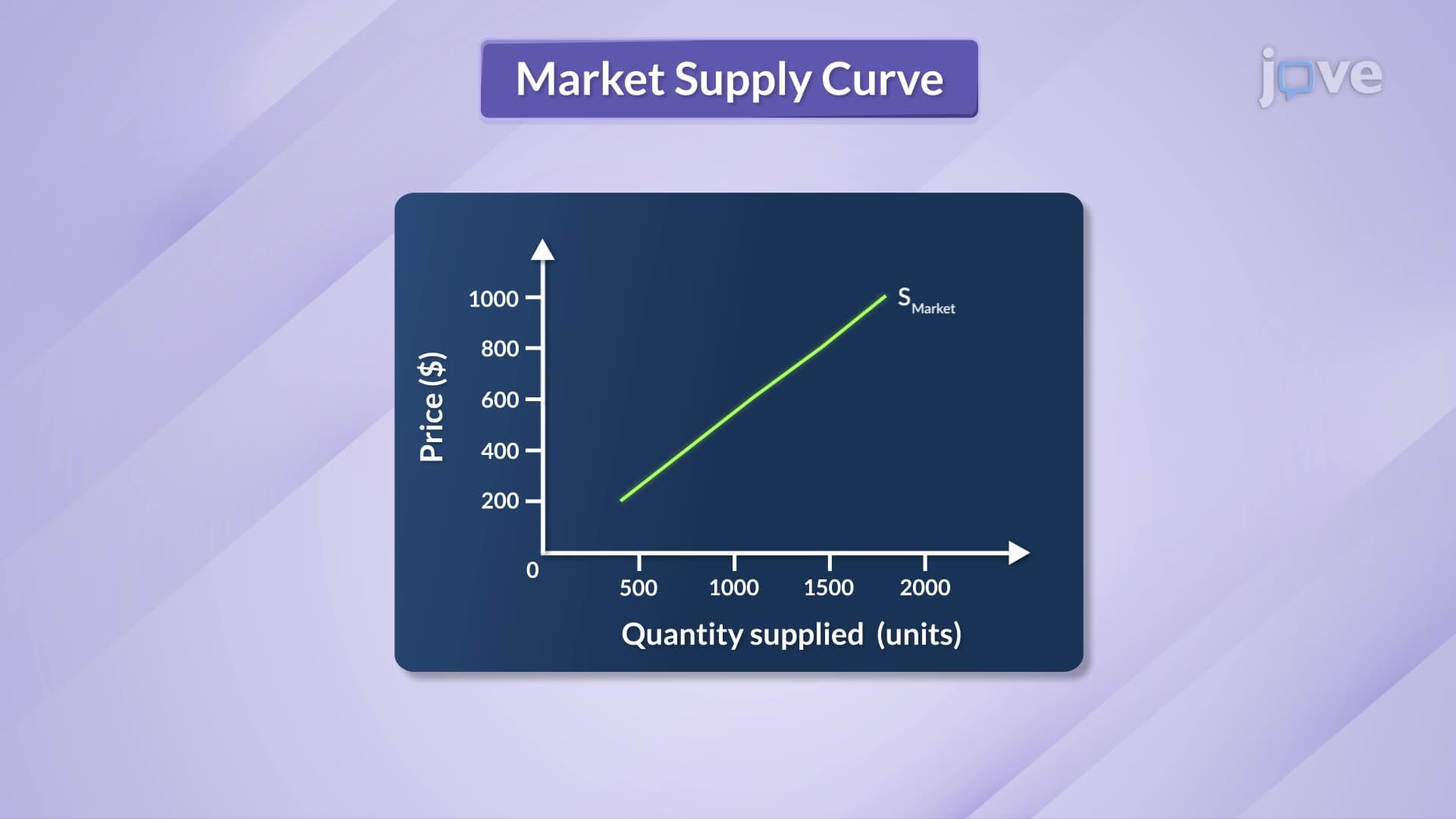
When input prices increase, producers face a critical decision point. Higher costs directly reduce profit margins on each unit produced, forcing companies to either absorb losses or reduce production volume. This economic pressure typically results in decreased supply, represented graphically as a leftward shift in the supply curve. Consider Ford Motor Company during recent semiconductor shortages-chip prices increased dramatically, forcing the automaker to temporarily halt production at several US plants. This real-world example demonstrates how input price volatility can disrupt entire supply chains.
The mathematical relationship remains straightforward: if production costs rise by 15% while selling prices remain constant, profit margins shrink accordingly. Producers respond by reducing output until marginal revenue again equals marginal cost at the new, higher input price level.
Conversely, falling input prices create opportunities for expanded production and increased market supply. Lower costs boost profitability per unit, incentivizing producers to increase output and capture greater market share. Tesla's experience with battery cost reductions exemplifies this principle-as lithium-ion battery prices fell by over 80% between 2010 and 2020, Tesla expanded production capacity and reduced vehicle prices, making electric cars accessible to broader consumer segments.
This rightward shift in supply curves benefits consumers through lower prices and increased product availability. The relationship proves particularly important for students preparing for AP Economics exams, where supply curve analysis frequently appears in free-response questions.
Agricultural markets provide excellent examples of input price impacts. When fuel costs rise, farming operations face higher expenses for tractors, irrigation systems, and transportation. Midwest corn producers often reduce planted acreage when diesel prices spike, directly affecting corn supply nationwide. Similarly, construction companies adjust project timelines and material specifications when lumber or steel prices fluctuate significantly.
Understanding these dynamics proves essential for students pursuing economics, business, or policy studies. College-level microeconomics courses extensively cover supply determinants, with input prices serving as a primary factor in market analysis problems.
Related Micro-courses