Loading subject page…


5,987 views

Video Summary: Impact of Technology on Supply Curve Explained
Did you know that Tesla's automated production lines can manufacture a Model 3 in just 10 hours compared to 30+ hours using traditional methods? The impact of technology on supply curve economics demonstrates how technological advances fundamentally reshape market supply dynamics. When Ford Motor Company implemented robotic assembly systems, production costs plummeted while output soared, perfectly illustrating the Impact of Technology On Supply Curve Explained principle. Watch the full video on JoVE Coach to master this concept with expert-led visuals and step-by-step explanations.
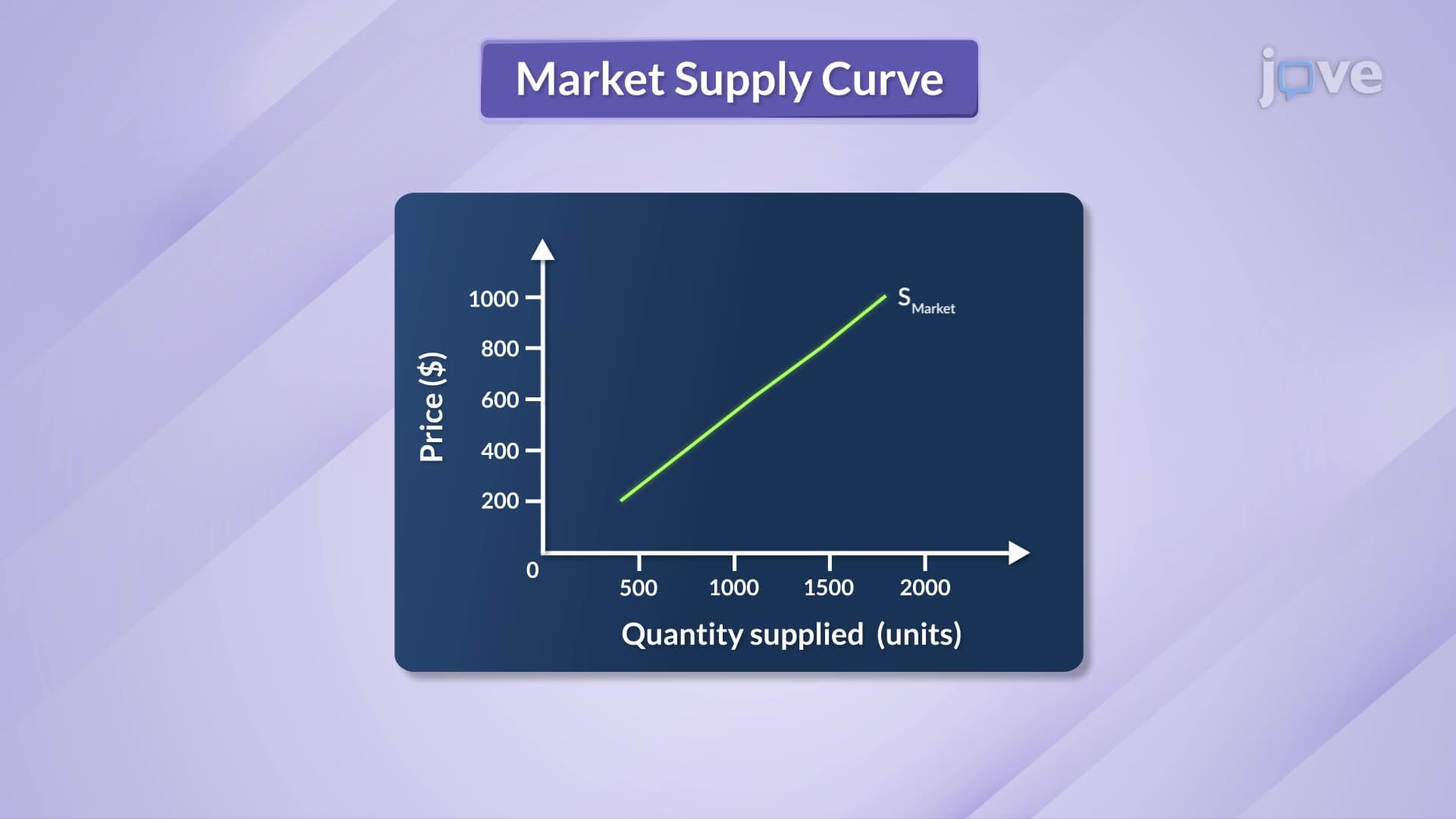
Technology serves as a powerful catalyst in economics, fundamentally altering how businesses produce goods and services. The supply curve, which illustrates the relationship between price and quantity supplied, responds dynamically to technological changes. When producers adopt more efficient technologies, they can produce the same quantity at lower costs or increase production without proportional cost increases.
Advanced manufacturing technologies typically drive production costs downward through multiple mechanisms. Automation reduces labor costs, precision machinery minimizes waste, and sophisticated logistics systems optimize resource allocation. Consider Amazon's fulfillment centers, where robotic systems and AI-driven inventory management have revolutionized supply chain efficiency. These technological improvements enable suppliers to offer more products at every price level, creating a rightward shift in the supply curve.
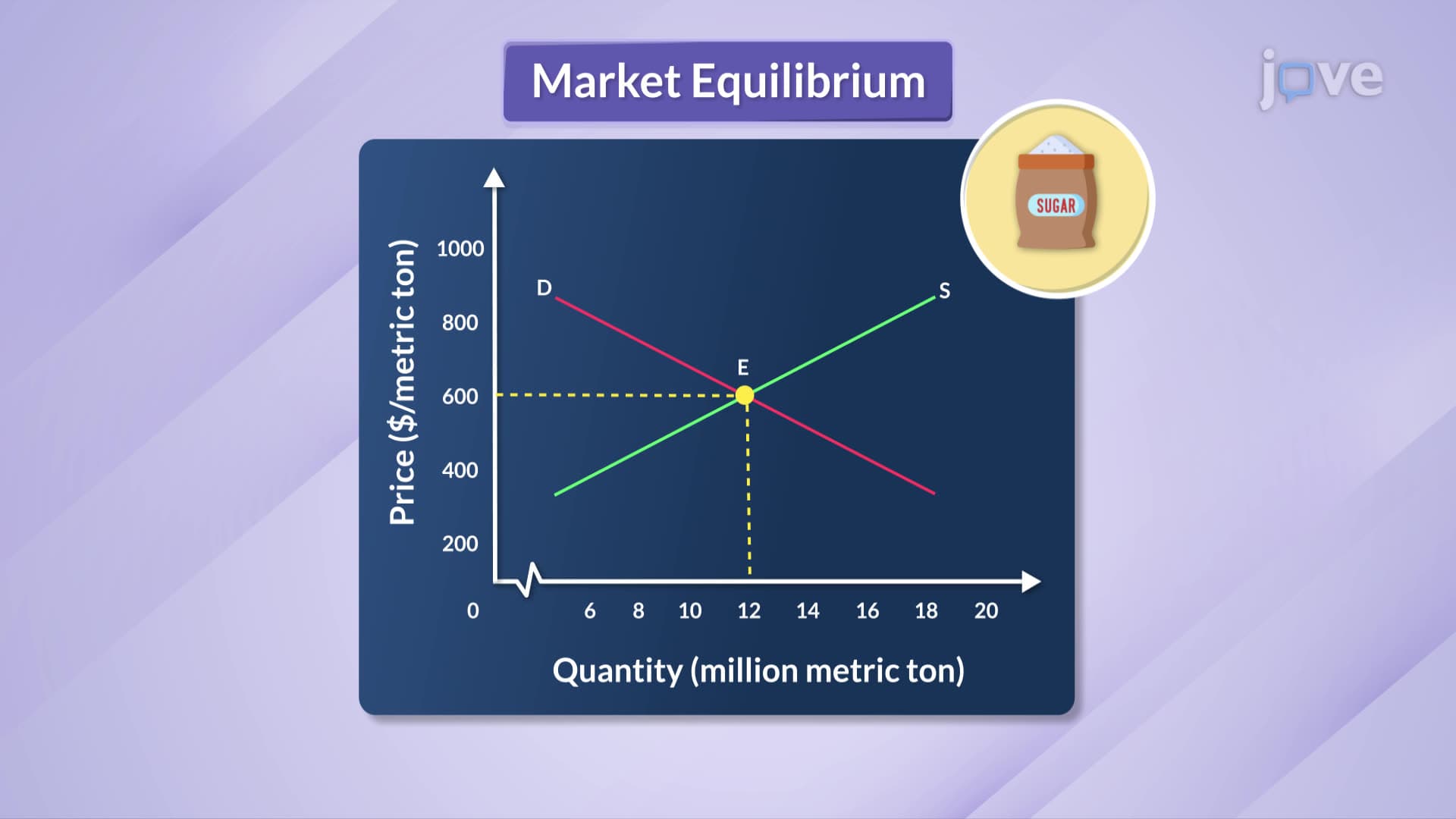
This rightward shift represents increased market supply. For AP Economics students, understanding this relationship is crucial for analyzing market equilibrium changes. When supply increases due to technological improvements, assuming demand remains constant, equilibrium price typically decreases while equilibrium quantity increases, benefiting consumers through lower prices and greater product availability.
However, technology doesn't always reduce costs. Regulatory compliance often requires expensive technological upgrades that initially increase production costs. The automotive industry exemplifies this complexity-while assembly line automation reduces manufacturing costs, implementing advanced emission control systems to meet EPA standards significantly increases per-unit costs. These compliance technologies shift the supply curve leftward, indicating decreased supply at each price level.
The pharmaceutical industry demonstrates both aspects of technology's impact on supply. While automated drug manufacturing and AI-assisted research reduce some production costs, FDA-mandated safety technologies and testing requirements substantially increase development expenses. Similarly, renewable energy technologies have created fascinating supply curve dynamics-solar panel production costs have plummeted due to manufacturing innovations, but grid integration technologies require substantial infrastructure investments.
For college microeconomics courses and AP Economics exams, mastering these concepts requires understanding that technology's impact on supply isn't uniformly positive or negative. Success on standardized tests like the AP Economics exam depends on analyzing specific scenarios and determining whether technological changes primarily reduce or increase production costs, then accurately predicting the resulting supply curve shift.
Related Micro-courses