Loading subject page…


5,987 views


Video Summary: What Is Law of Supply
Did you know that when Hurricane Katrina struck in 2005, hotel prices in neighboring states increased by over 300% overnight? The law supply principle explains exactly why this happens-as demand surges, suppliers respond by increasing prices and quantities offered. From Amazon's surge pricing during peak shopping seasons to gas stations adjusting prices based on crude oil costs, the What is Law of Supply demonstrates the fundamental relationship between price and quantity supplied in every market. This economic principle shapes everything from your local coffee shop's pricing strategy to major corporations' production decisions. Watch the full video on JoVE Coach to master this concept with expert-led visuals and step-by-step explanations.
The What is Law of Supply represents one of economics' most fundamental principles, establishing that producers will offer more goods and services at higher prices, assuming all other factors remain constant. This positive correlation between price and quantity supplied forms the backbone of market analysis taught in AP Economics, introductory college courses, and business programs across American universities.
The law operates under the critical assumption of *ceteris paribus*-Latin for "all other things being equal." This means we isolate price as the primary variable affecting supply decisions, temporarily holding constant factors like production costs, technology advances, government regulations, and the number of market participants.
Why do suppliers respond predictably to price changes? The answer lies in profit maximization incentives. When McDonald's can sell Big Macs for $6 instead of $4, the higher revenue margin makes it worthwhile to extend operating hours, hire additional staff, or open new locations. Similarly, when crude oil prices spike above $100 per barrel, previously unprofitable drilling operations in Texas and North Dakota become economically viable.
This behavior reflects the increasing marginal cost of production. As suppliers produce more units, they typically face higher per-unit costs due to overtime wages, equipment strain, or the need to utilize less efficient production methods. Higher market prices help offset these increased costs, making expanded production profitable.
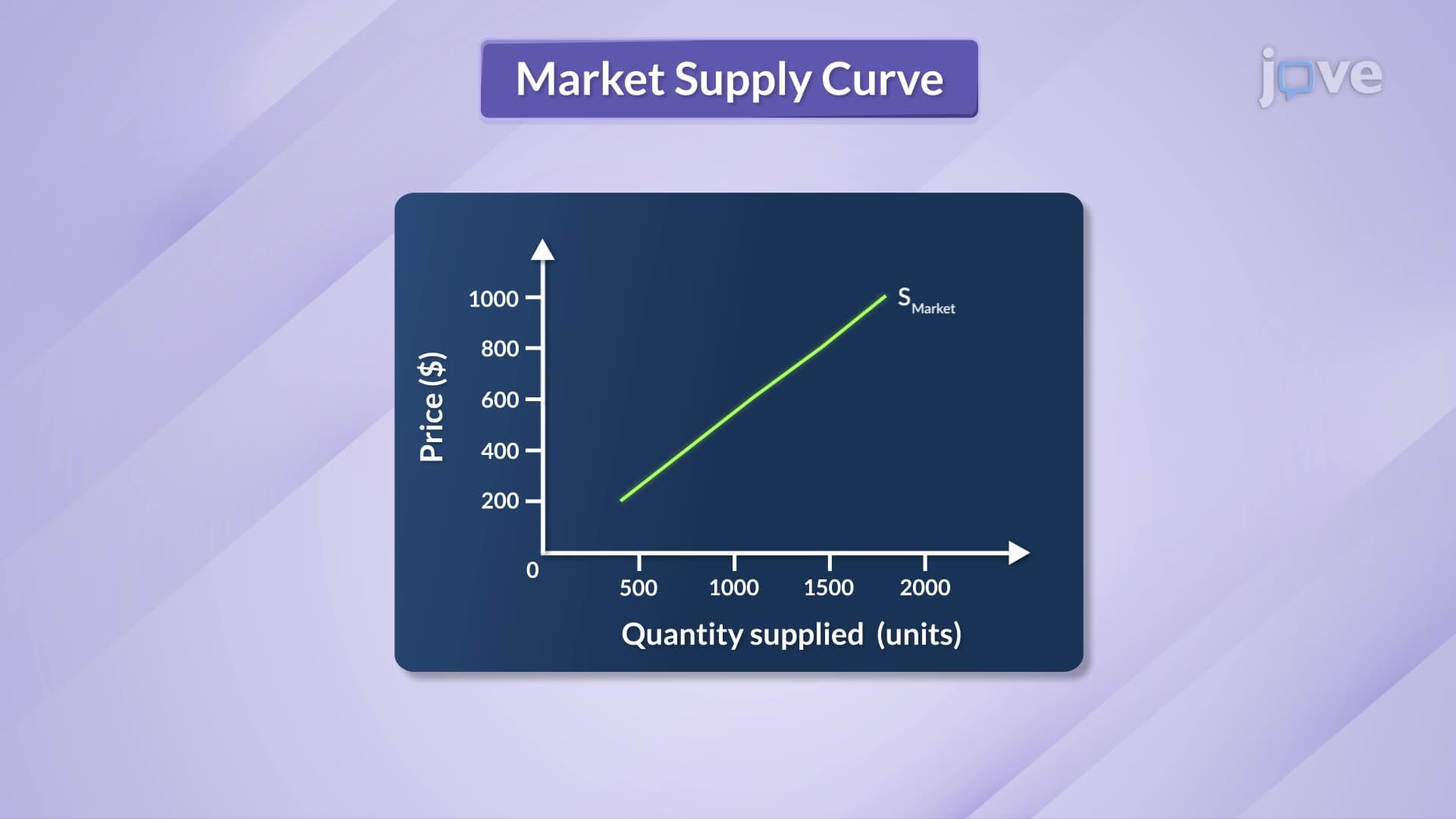
The law of supply definition explained becomes clearest through its graphical representation. The supply curve slopes upward from left to right, with quantity supplied on the horizontal axis and price on the vertical axis. This upward slope visually demonstrates the positive price-quantity relationship that defines supply behavior.
Students preparing for AP Microeconomics or college economics exams should distinguish between movements along the supply curve versus shifts of the entire curve. A movement along the curve occurs when only price changes, while curve shifts result from changes in non-price factors like production technology or input costs.
Consider how Uber implements surge pricing during peak demand periods. When demand increases-during New Year's Eve or major sporting events-Uber raises prices, which attracts more drivers to work (increasing quantity supplied). This demonstrates the law of supply concept explained in the modern sharing economy.
Similarly, American farmers adjust their planting decisions based on expected crop prices. When corn futures indicate higher prices, farmers dedicate more acreage to corn production, exemplifying how price signals guide resource allocation throughout the economy.
Related Micro-courses