Loading subject page…

- Molecular Biology
- Cell Division
- Condensins
Micro-course: Cell Division
101,001 views
Learn key concepts and earn your certificate.

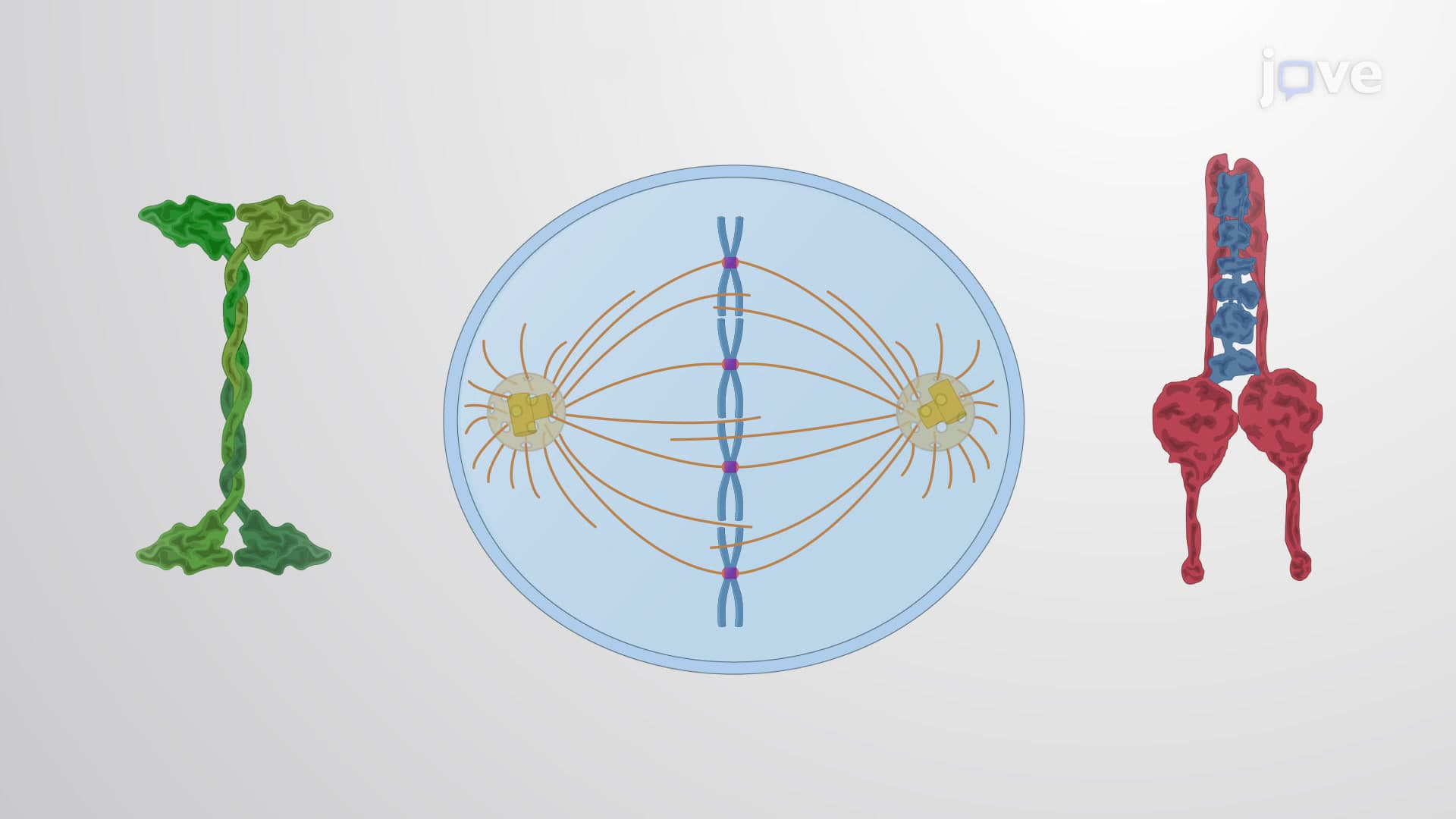
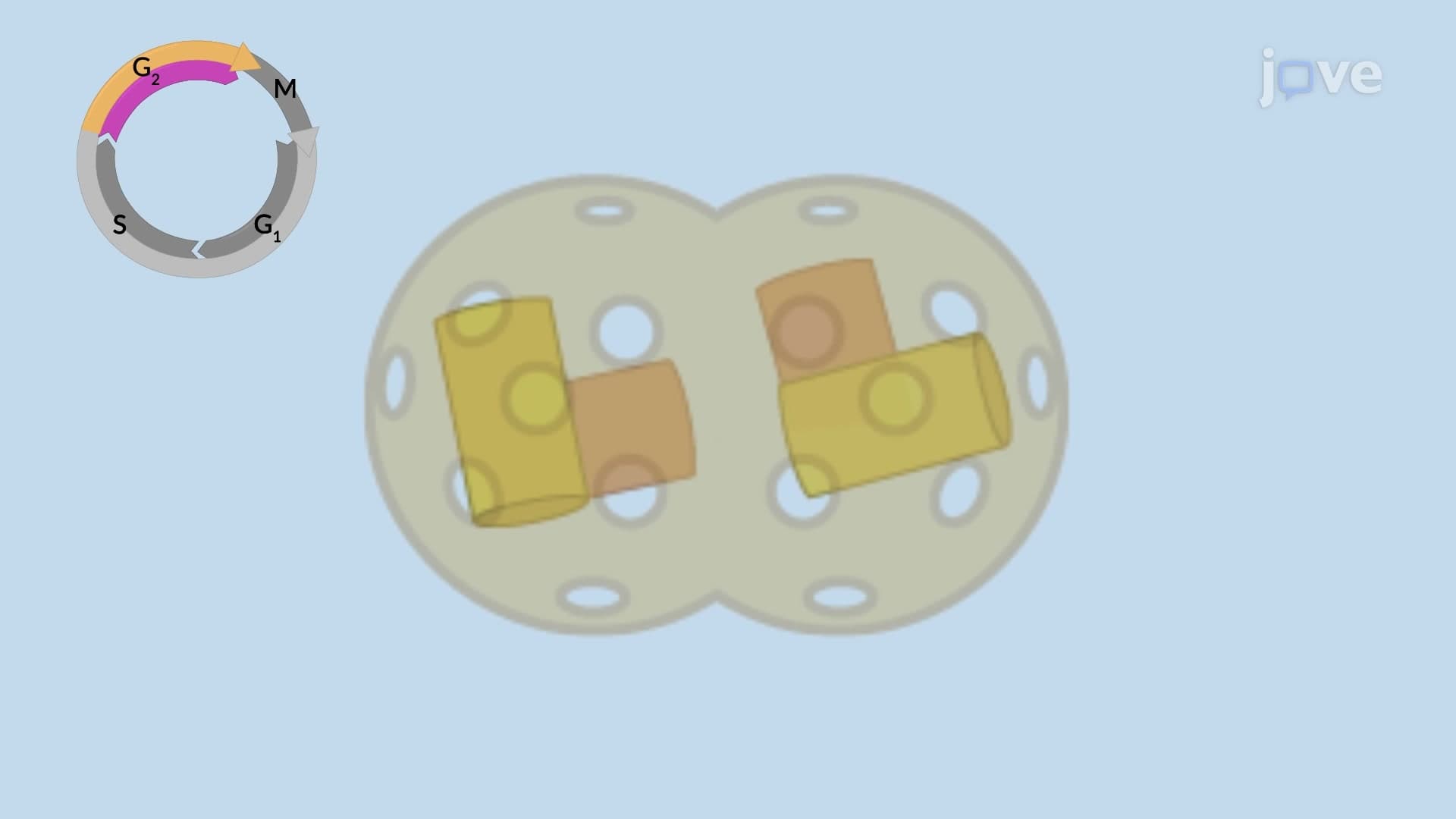
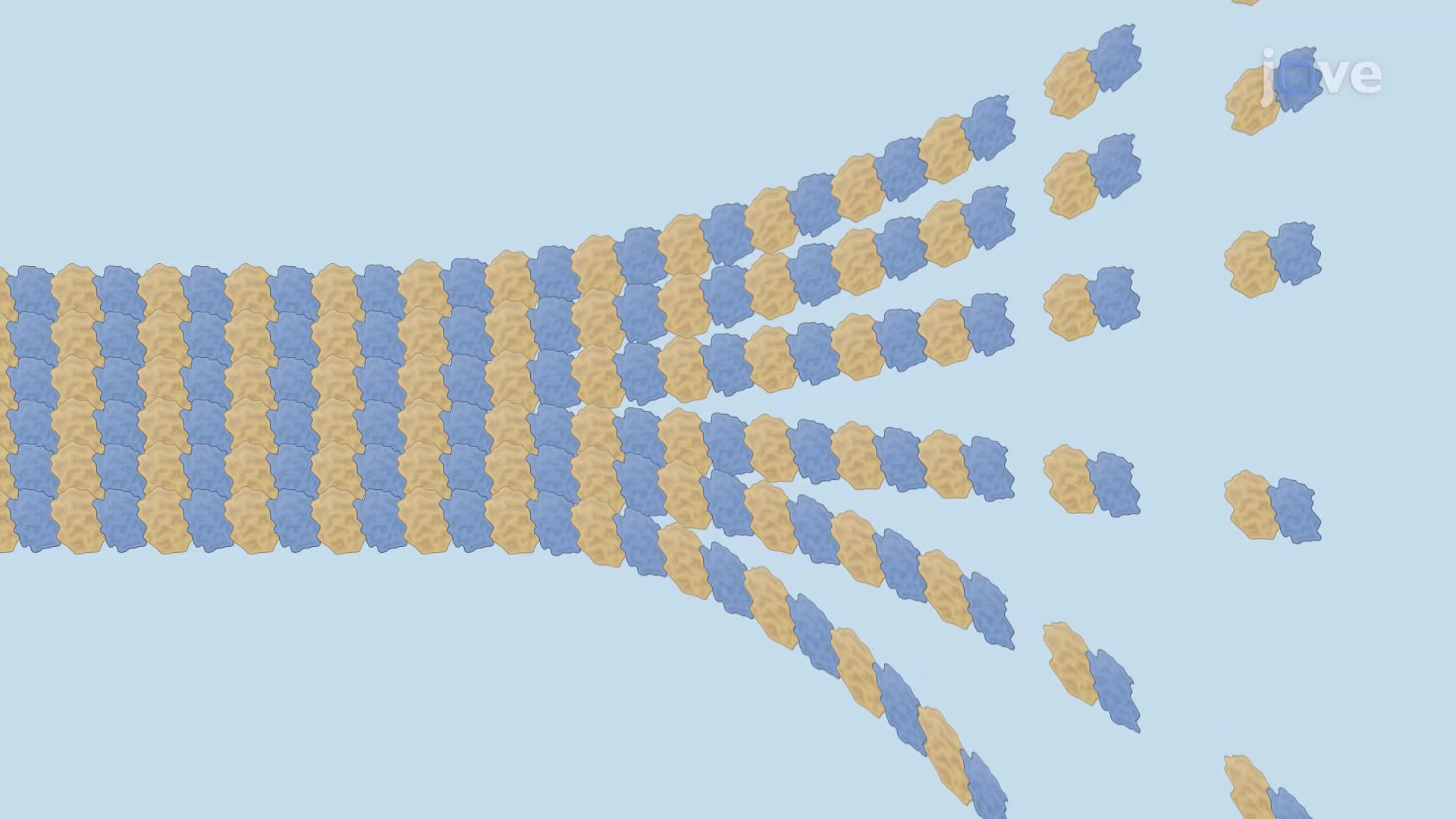

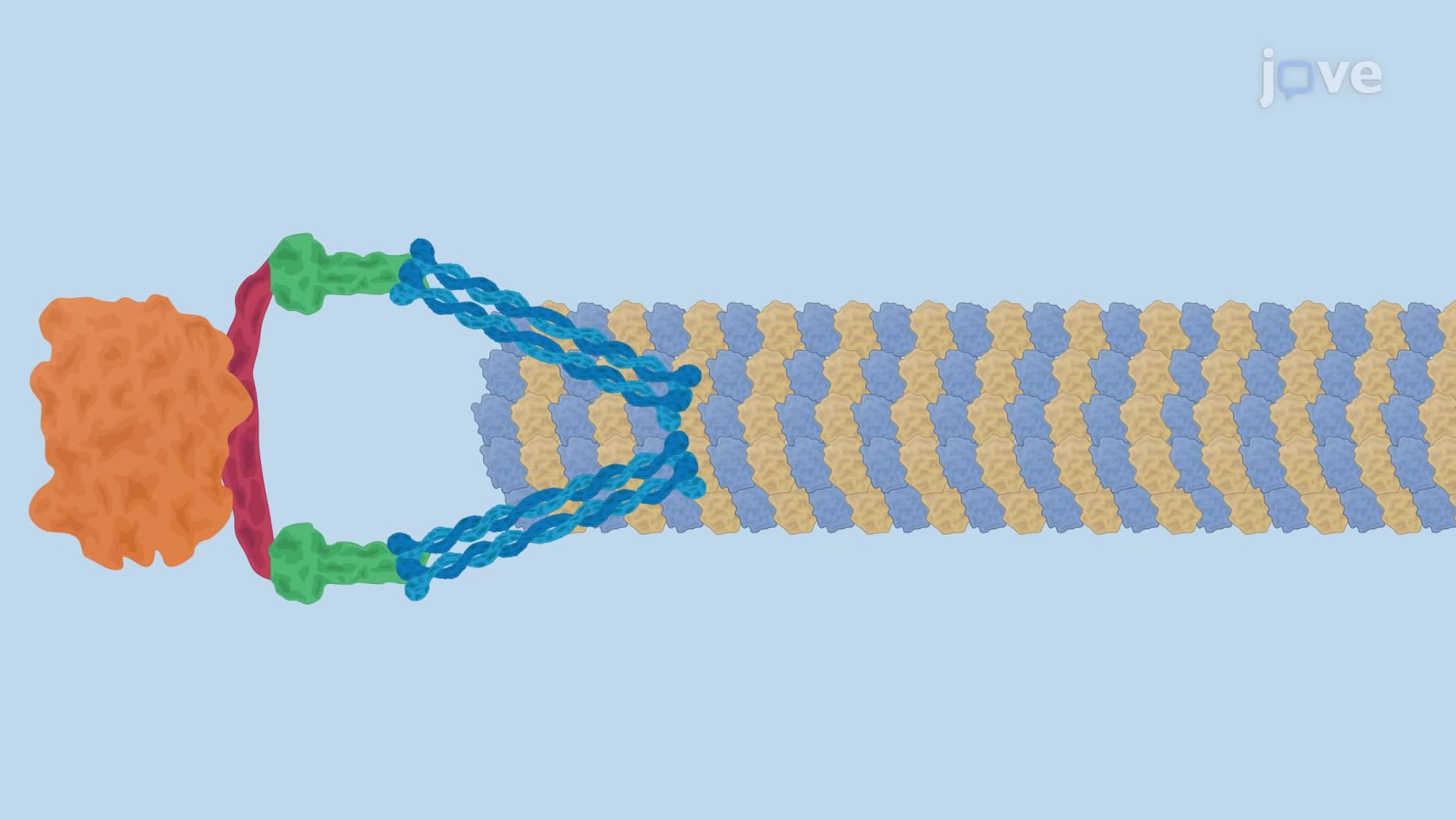

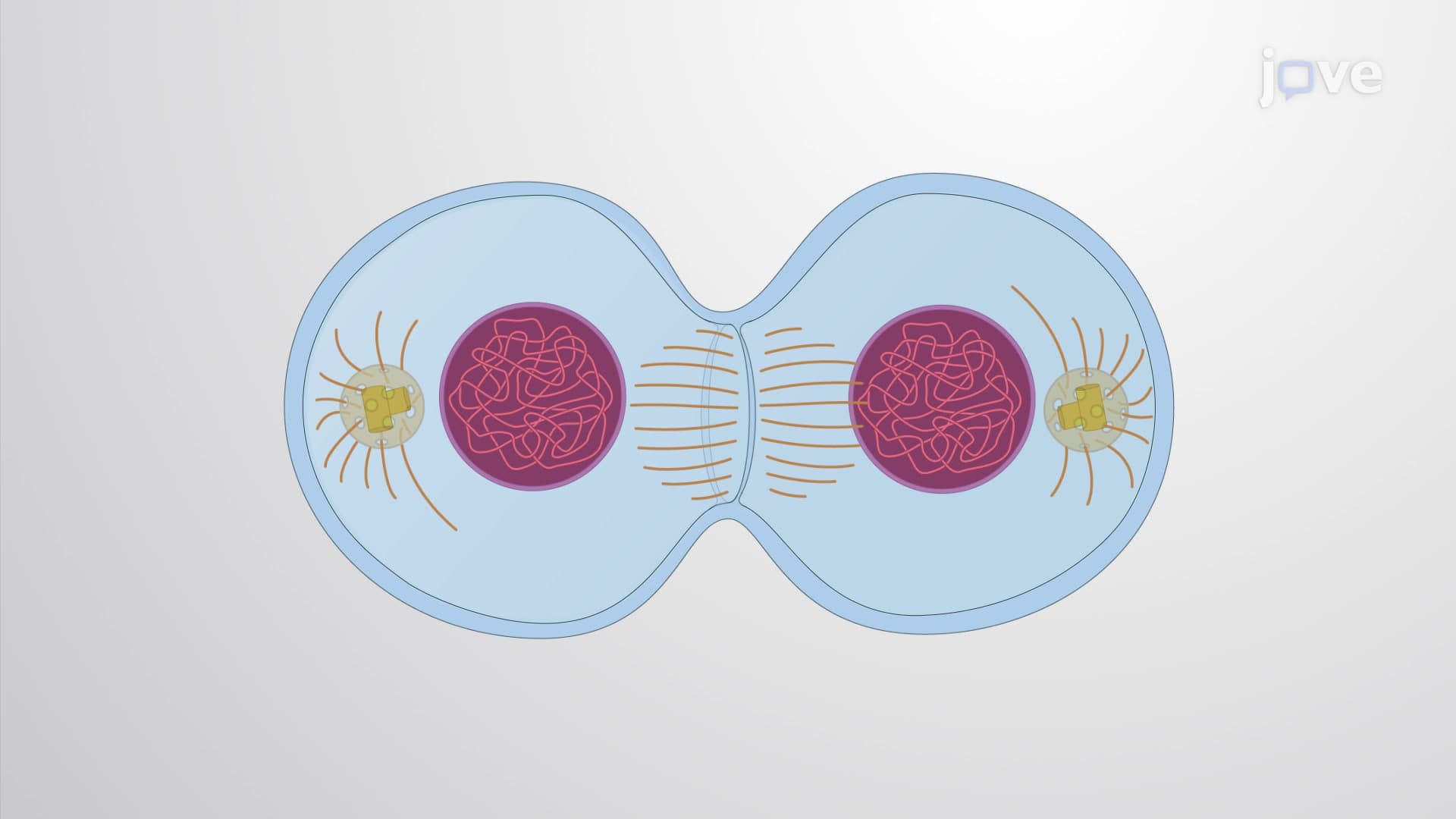
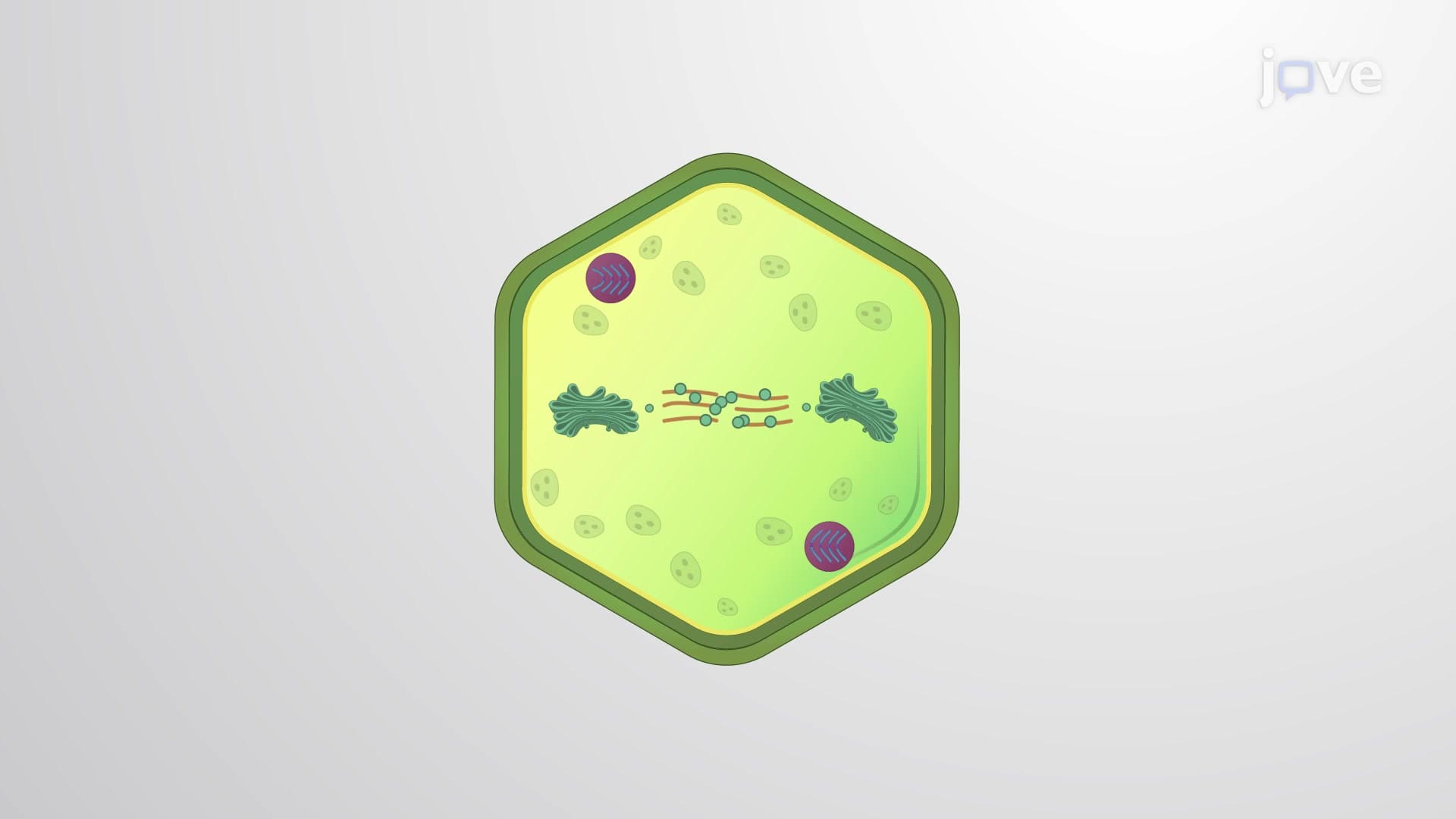
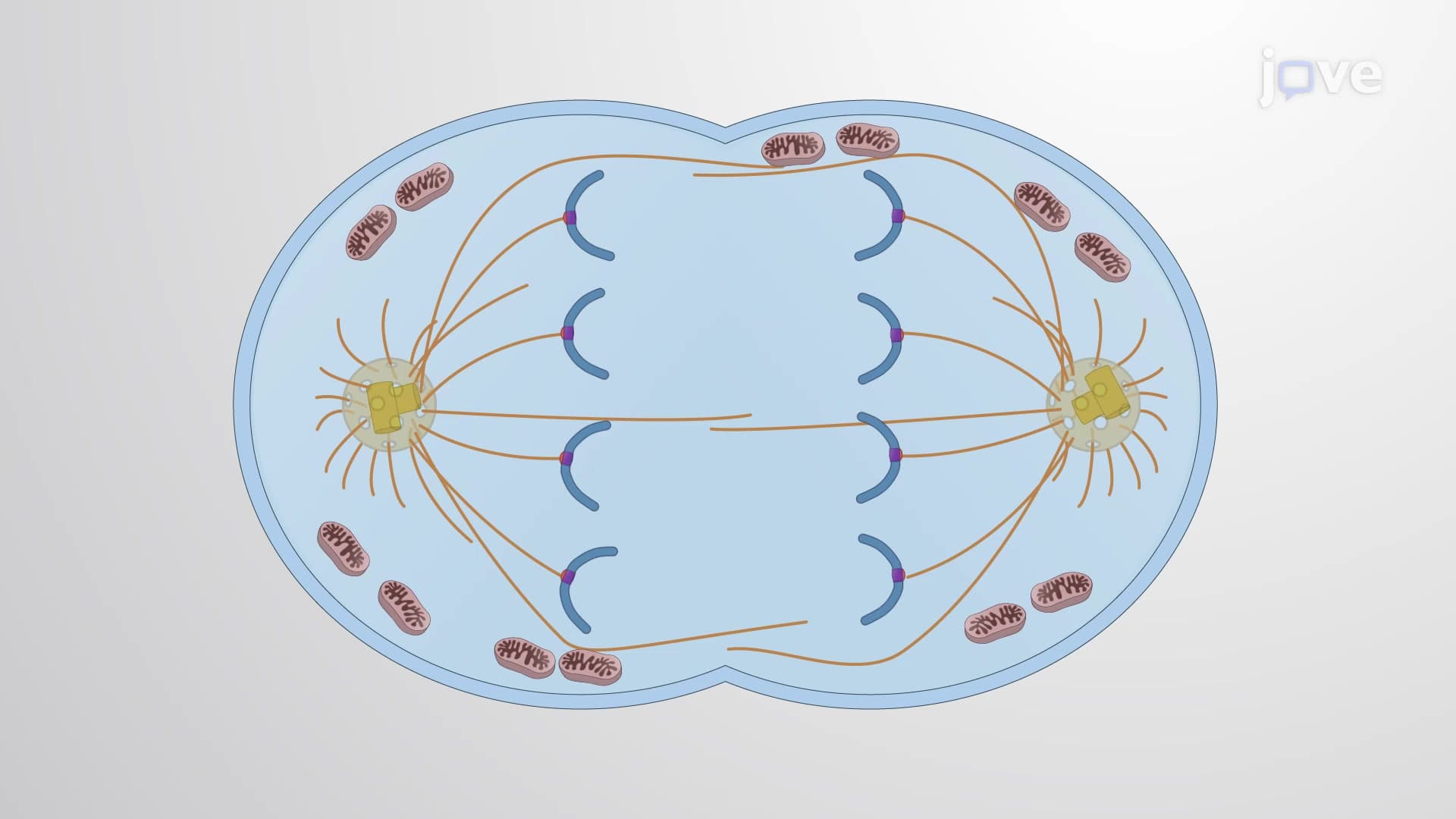

Condensins

00:00
02:15
Video Summary: What are Condensins
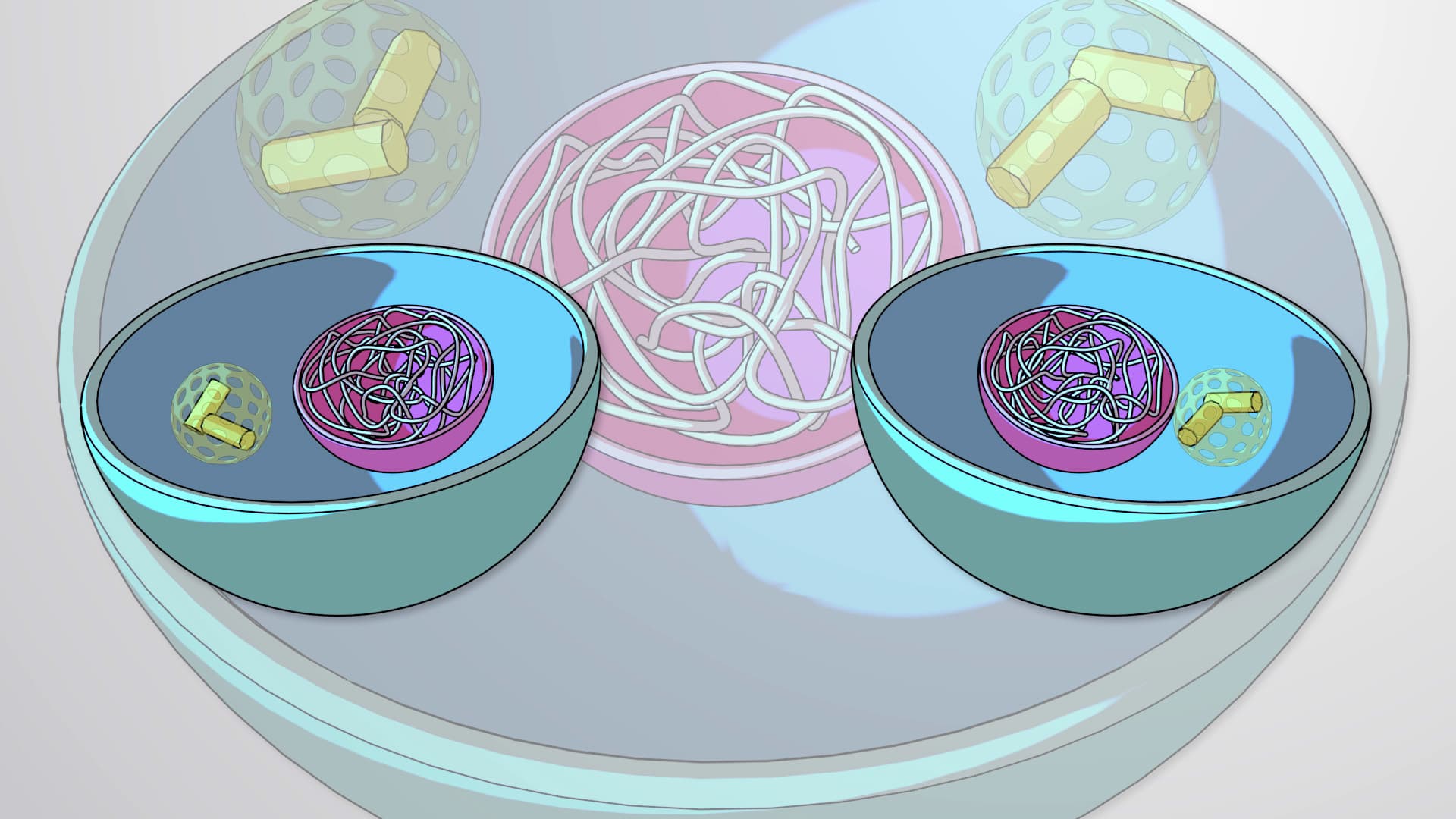
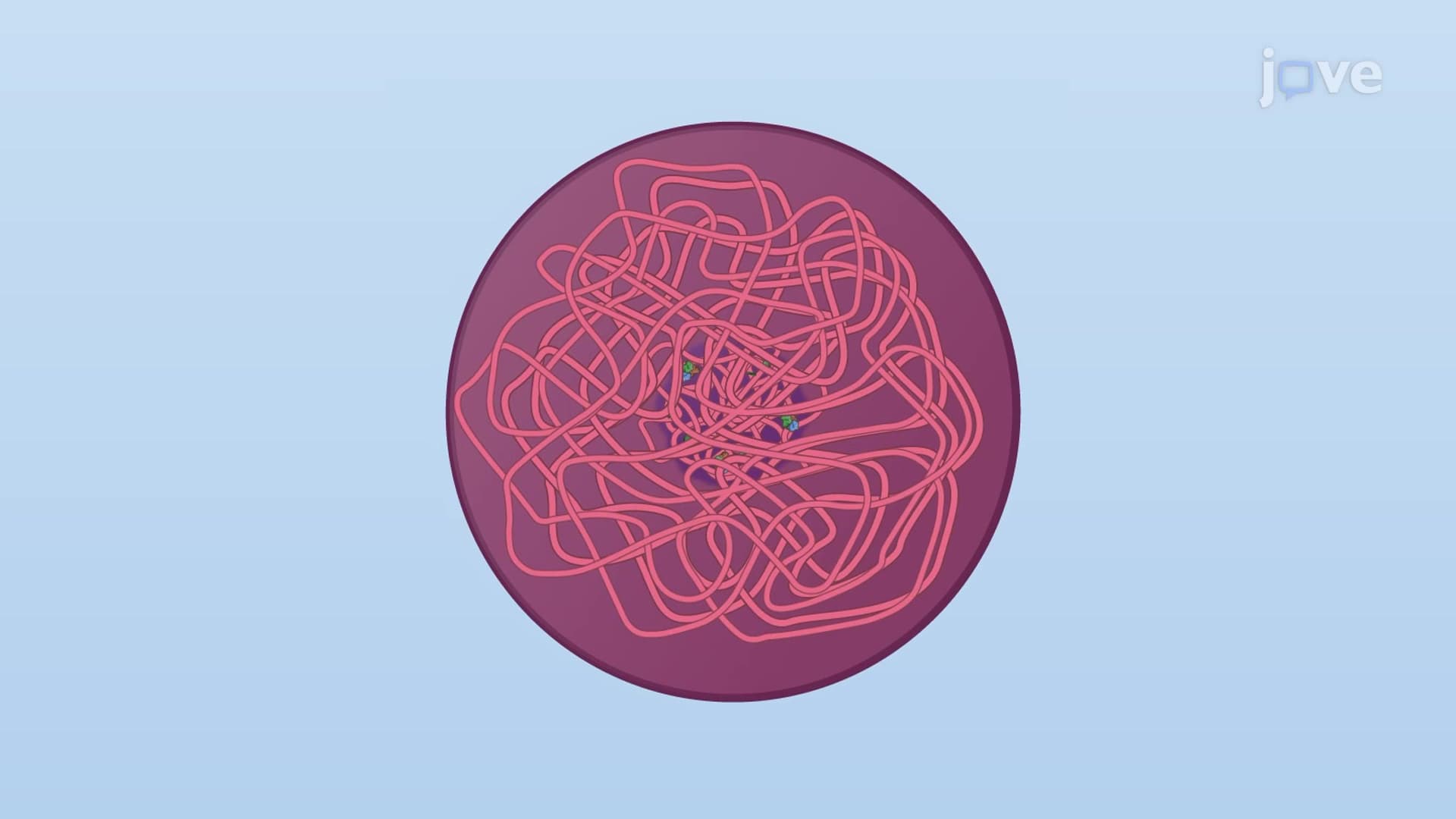
Ever wonder how your cells avoid tangling 6 feet of DNA into knots during cell division? Condensins are specialized protein complexes that act like molecular organizers, carefully packing and untangling chromosomes to prevent catastrophic breaks during mitosis. Just as the National Institutes of Health relies on organized protocols to manage complex research, cells depend on condensins to coordinate chromosome separation. These five-subunit complexes use ATP energy to transform long, tangled sister chromatids into compact, easily-separated structures. Watch the full video on JoVE Coach to master this concept with expert-led visuals and step-by-step explanations.
- Understand what condensins are and their essential role in chromosome organization during cell division
- Identify the five subunit structure of condensin complexes, including SMC2, SMC4, kleisin, and HEAT-repeat proteins
- Analyze how condensins use ATP hydrolysis to drive chromosome condensation and sister chromatid resolution
- Compare the organization of chromosomes before and after condensin action during the cell cycle
- Evaluate the consequences of condensin malfunction on chromosome segregation and cell survival
- Apply knowledge of condensin function to explain metaphase chromosome structure and centromere organization
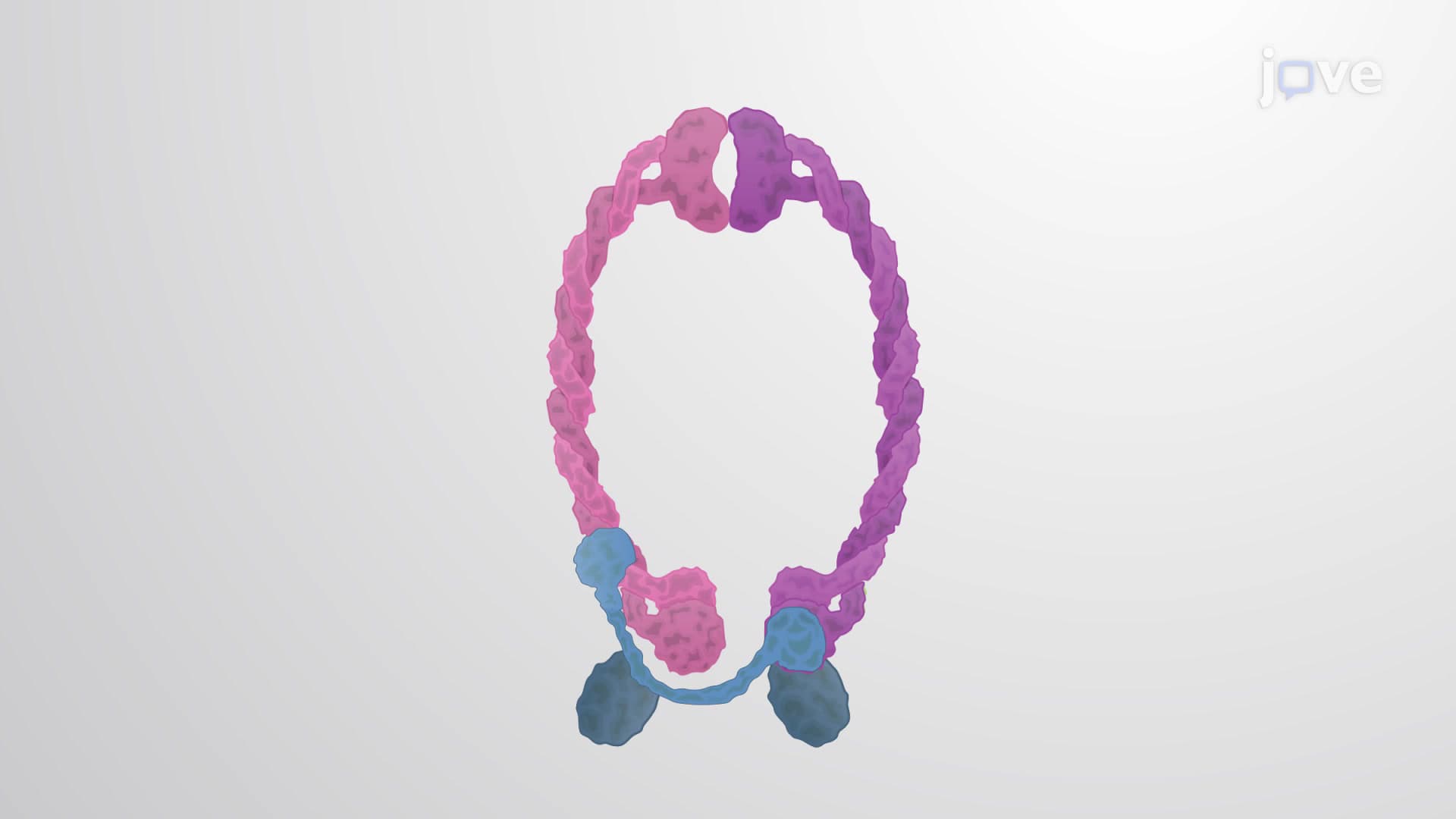
- Recognize how condensins form ring structures to encircle DNA loops and facilitate chromosome compaction
- Explore the timing of condensin activity during the transition from S phase to M phase
Understanding Condensins: The Cell's DNA Organization System
Condensins represent one of biology's most sophisticated organizational systems, functioning as cellular architects that transform chaotic DNA tangles into orderly chromosomes. These protein complexes solve a fundamental engineering problem: how to separate 6 feet of duplicated DNA without causing breaks or improper distribution to daughter cells.
Structural Architecture of Condensin Complexes
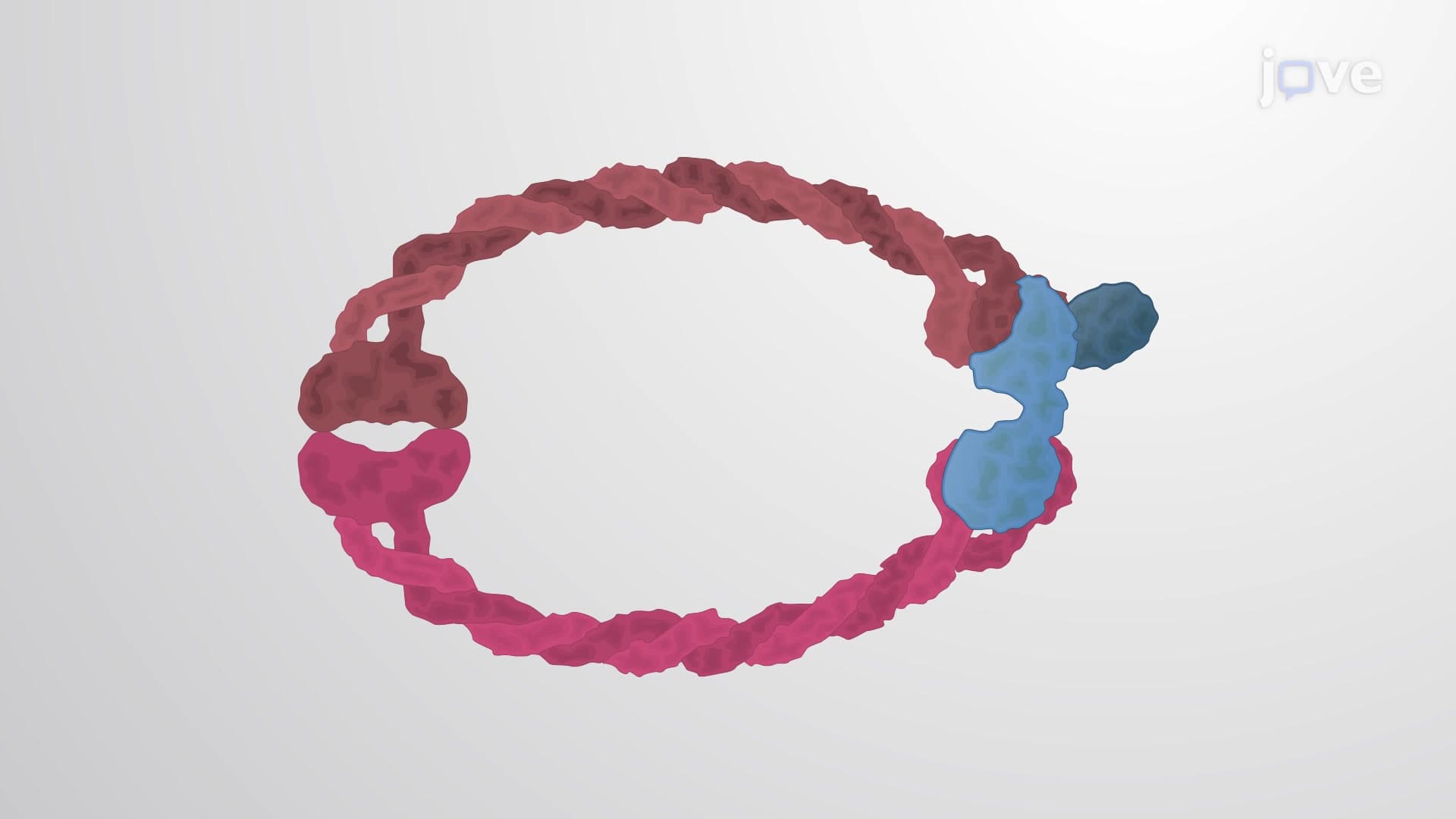
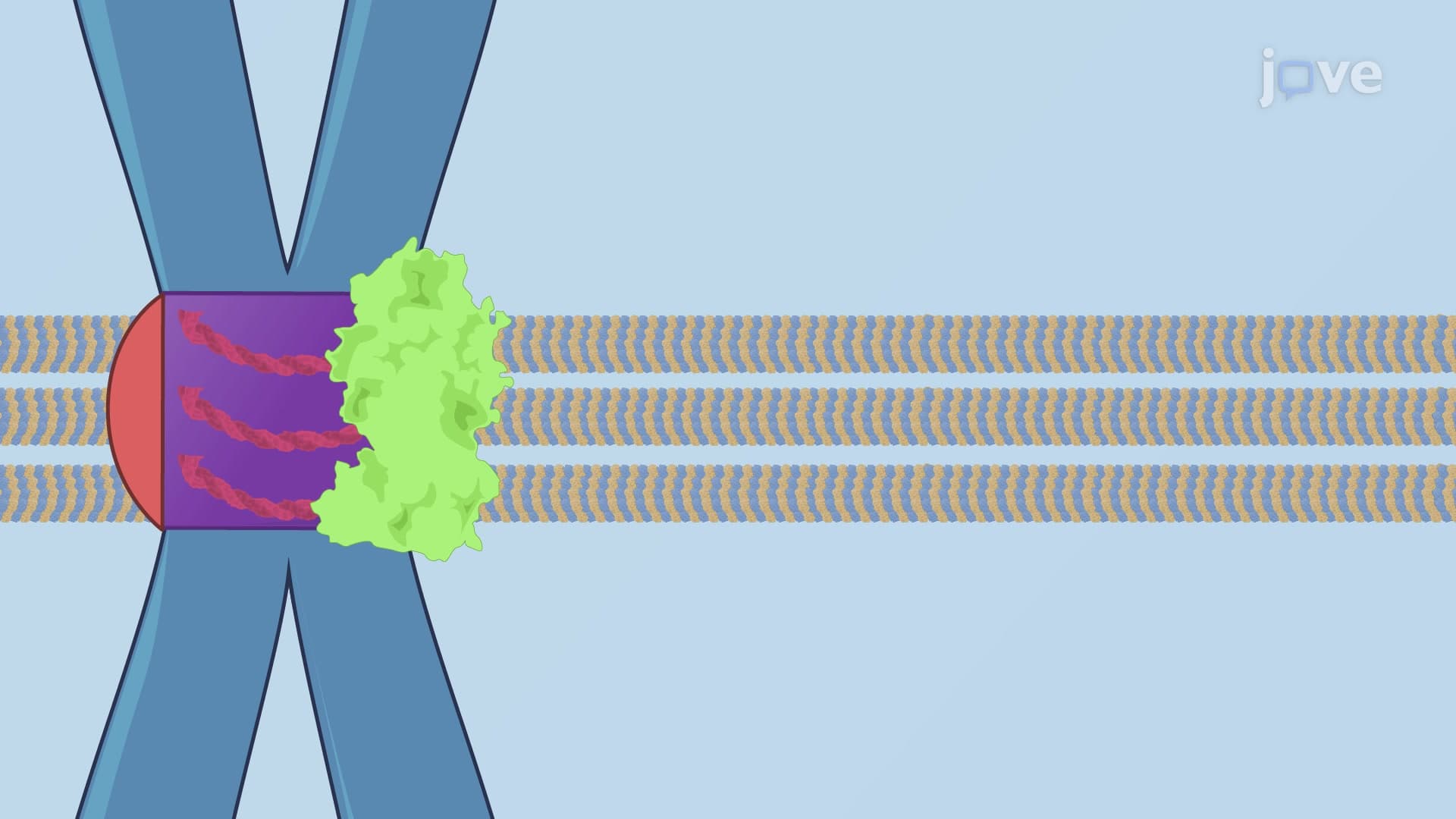
The condensin complex consists of five precisely arranged subunits that work together like components in a molecular machine. The two major subunits, SMC2 and SMC4 (Structural Maintenance of Chromosomes), contain ATPase head domains that provide the energy-dependent motor function. These are connected by three additional subunits: one kleisin protein and two HEAT-repeat proteins. This architecture creates a ring-like structure capable of encircling DNA loops, similar to how a carabiner clips around climbing rope.
Students preparing for the MCAT or AP Biology exams should understand that this five-subunit organization is highly conserved across eukaryotic species, reflecting its fundamental importance. The SMC proteins belong to a larger family that includes proteins involved in DNA repair and chromosome maintenance, making this knowledge applicable across multiple cellular processes.
Dual Functions: Condensation and Resolution
Condensins orchestrate two critical processes during mitosis. First, chromosome condensation transforms the long, intertwined sister chromatids into compact structures. Think of this like organizing a tangled garden hose into neat coils. Second, sister chromatid resolution helps distinguish the two sister chromatids by working with other proteins to remove physical connections (cohesins) along chromosome arms while maintaining centromere attachment.
This dual functionality explains why condensin mutations are often lethal-cells cannot properly separate their genetic material without functional condensin complexes. Research at institutions like Johns Hopkins University and Stanford has shown that condensin defects contribute to cancer development and chromosomal instability disorders.
Clinical and Research Applications
Understanding condensins has practical implications for medical research and cancer therapy. Many cancer cells show altered condensin expression, leading to chromosomal instability-a hallmark of malignancy. Pharmaceutical companies are investigating condensin-targeting drugs as potential cancer treatments. For pre-med students, recognizing how basic cell biology concepts like condensin function connect to clinical medicine demonstrates the importance of mastering fundamental principles for future medical practice.
Frequently Asked Questions
Condensins are five-subunit protein complexes that organize chromosomes during cell division by condensing DNA into compact structures. They prevent chromosome tangling and breakage during sister chromatid separation. Without condensins, cells would experience catastrophic chromosome damage, leading to cell death or cancer development.
MCAT questions often test condensin function in the context of cell cycle regulation and chromosome structure during mitosis. AP Biology exams may include condensins in free-response questions about cell division mechanisms or chromosome organization. Focus on understanding their ATP-dependent mechanism and timing during M phase for exam success.
Eukaryotes typically have two main condensin complexes: condensin I and condensin II, which work at different stages of chromosome organization. Both contain the same SMC2/SMC4 core but different regulatory subunits. Prokaryotes have simpler condensin-like complexes that serve similar DNA organization functions but with different structural arrangements.
Cancer cells frequently show altered condensin expression, contributing to chromosomal instability that drives tumor progression. Research institutions like MD Anderson Cancer Center study condensins as potential therapeutic targets. Understanding condensin function helps explain how cancer cells develop drug resistance through chromosomal changes.
No advanced biochemistry background is required to grasp condensin concepts. Basic understanding of protein structure, ATP hydrolysis, and cell cycle phases provides sufficient foundation. High school biology and introductory college courses cover the necessary prerequisites for comprehending condensin function and importance.
Create diagrams showing condensin structure and function during different mitotic phases. Practice explaining how ATP hydrolysis drives condensin activity and connecting condensin function to chromosome behavior. Use active recall by teaching the concept to classmates-this reinforces understanding better than passive reading.
Researchers use techniques like fluorescence microscopy to visualize condensins in living cells, protein biochemistry to analyze ATP hydrolysis activity, and genetic approaches using model organisms like yeast and fruit flies. Universities like Harvard and MIT have contributed significant discoveries about condensin mechanism through these experimental approaches.
Study cohesins (sister chromatid cohesion proteins), kinetochore function, and spindle checkpoint mechanisms. Understanding DNA topoisomerases and chromatin remodeling complexes also provides broader context. These related topics frequently appear together on comprehensive exams and help build integrated understanding of chromosome dynamics.
Related Micro-courses