Loading subject page…


101,001 views

Video Summary: What Is Distribution of Cytoplasmic Content
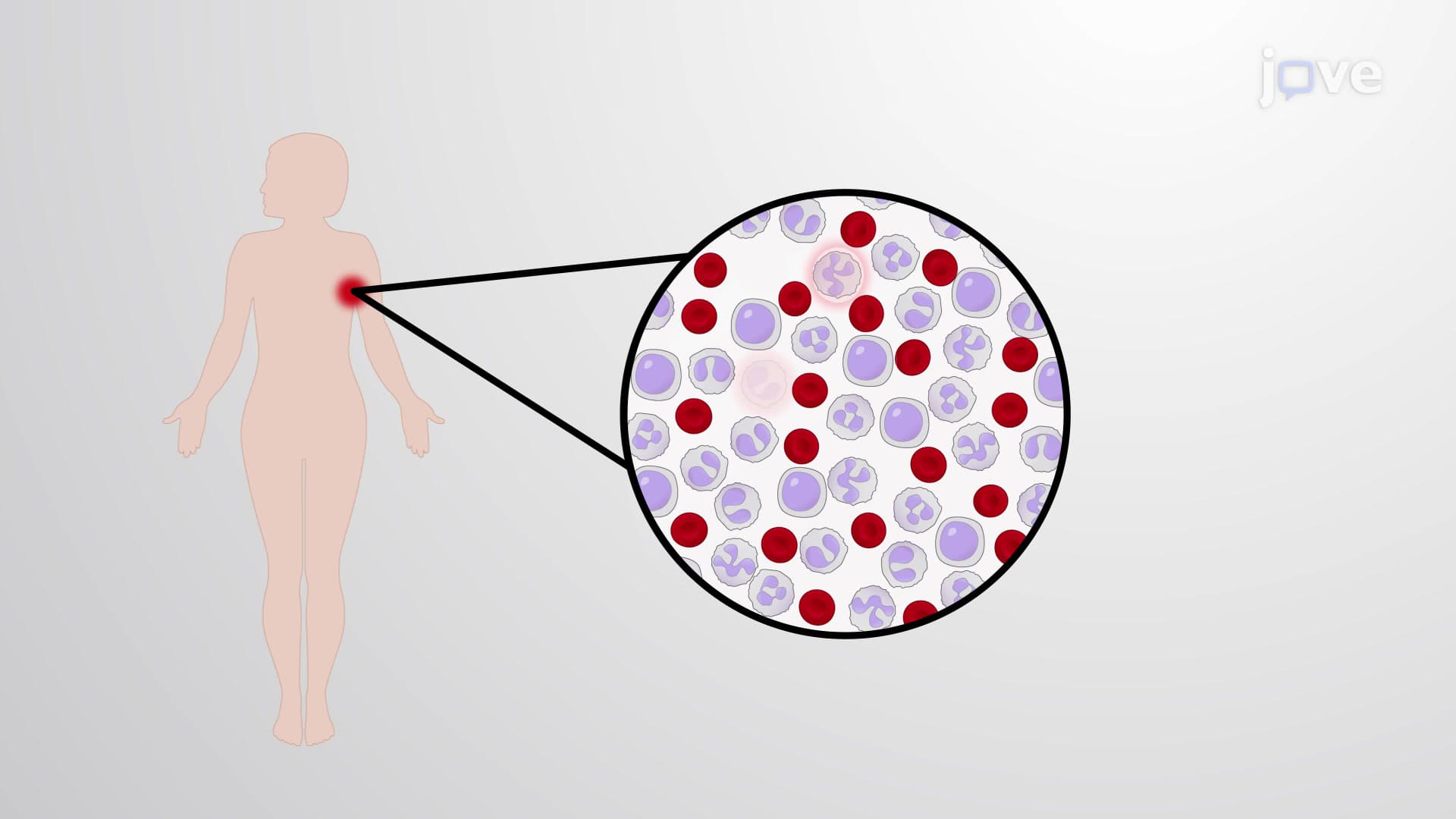
Every time your skin cells divide to heal a cut, they must carefully distribute their internal machinery to ensure both daughter cells can function properly. The distribution of cytoplasmic content involves sophisticated mechanisms that ensure organelles like mitochondria, the endoplasmic reticulum, and Golgi apparatus are properly allocated during cell division. Consider how cancer research at Johns Hopkins relies on understanding these processes to develop targeted therapies. Watch the full video on JoVE Coach to master this concept with expert-led visuals and step-by-step explanations.
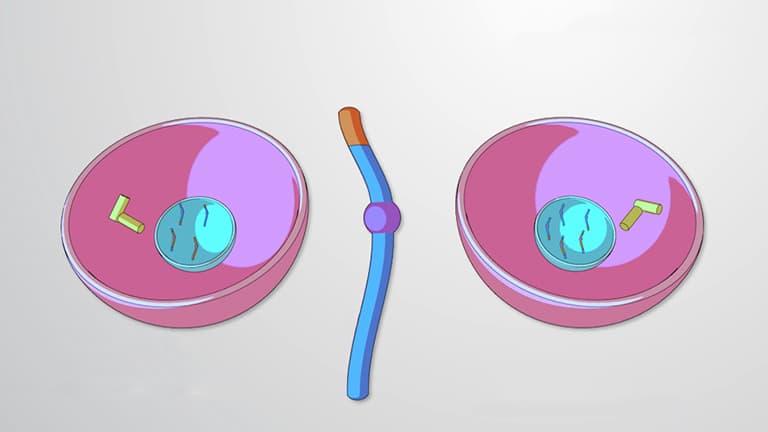
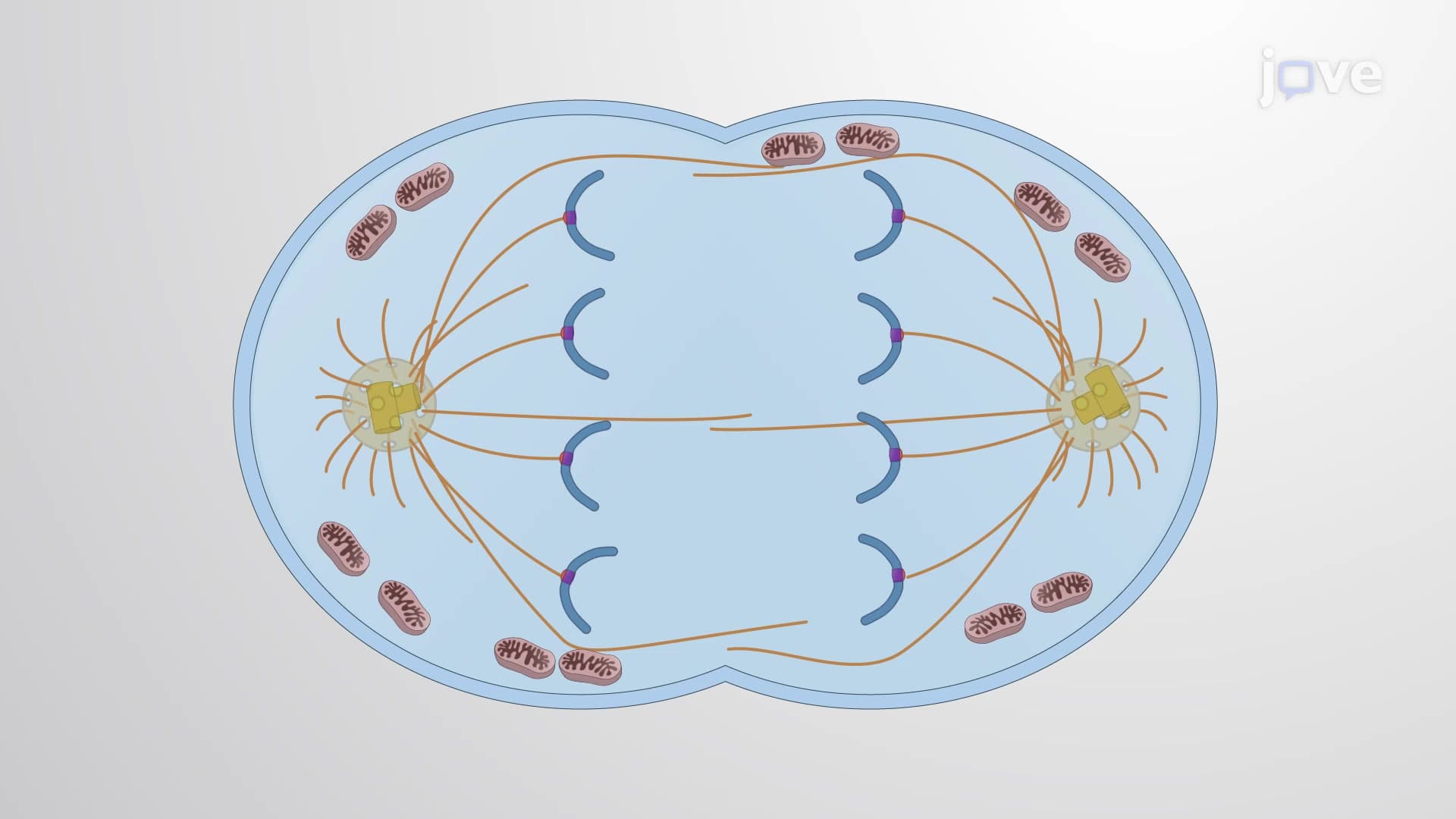
The distribution of cytoplasmic content represents one of the most precisely orchestrated events in cell biology. Unlike chromosome segregation, which follows predictable patterns, organelle distribution employs diverse strategies tailored to each organelle's unique properties. This process ensures that daughter cells inherit functional copies of essential cellular machinery.
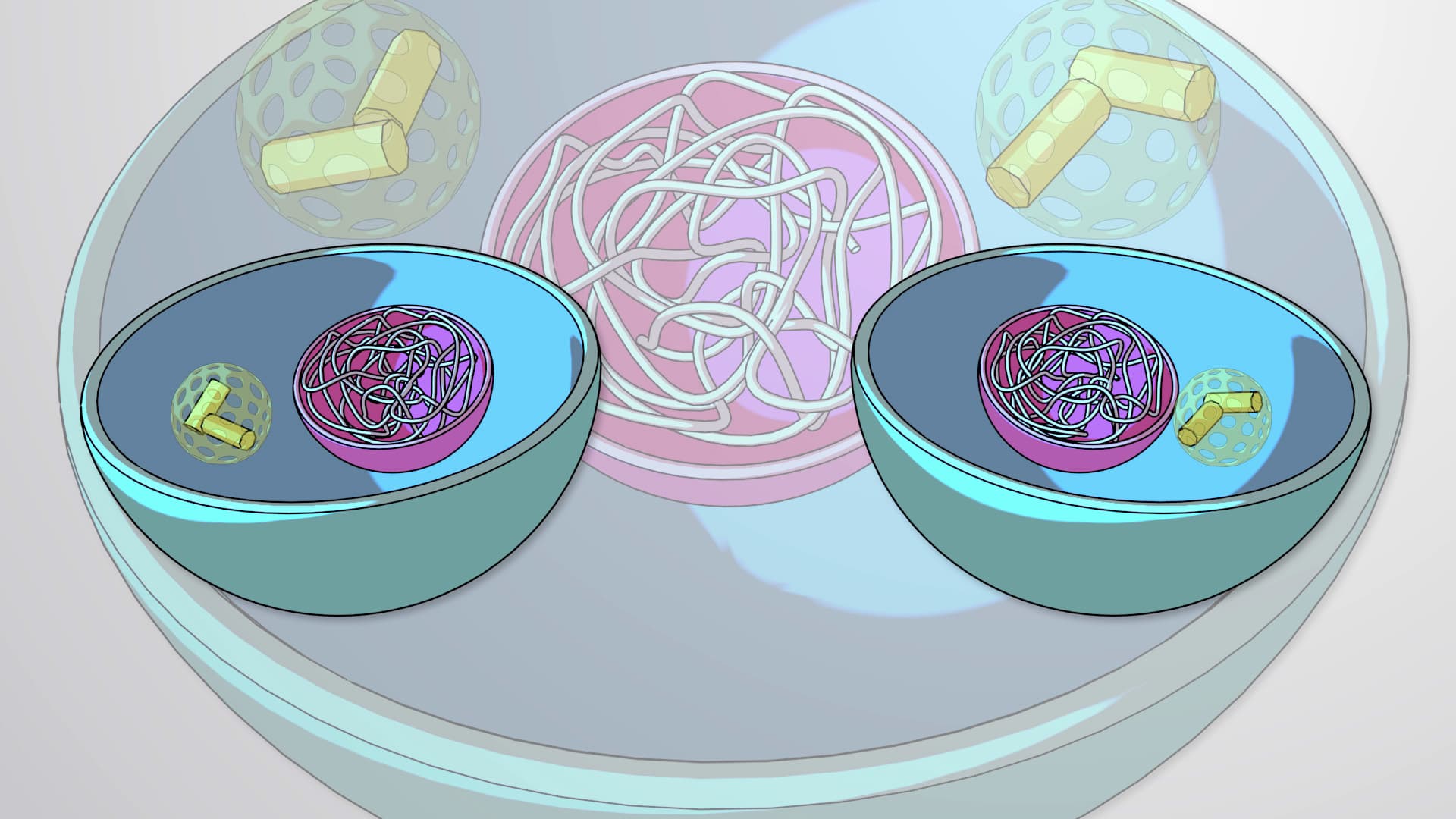
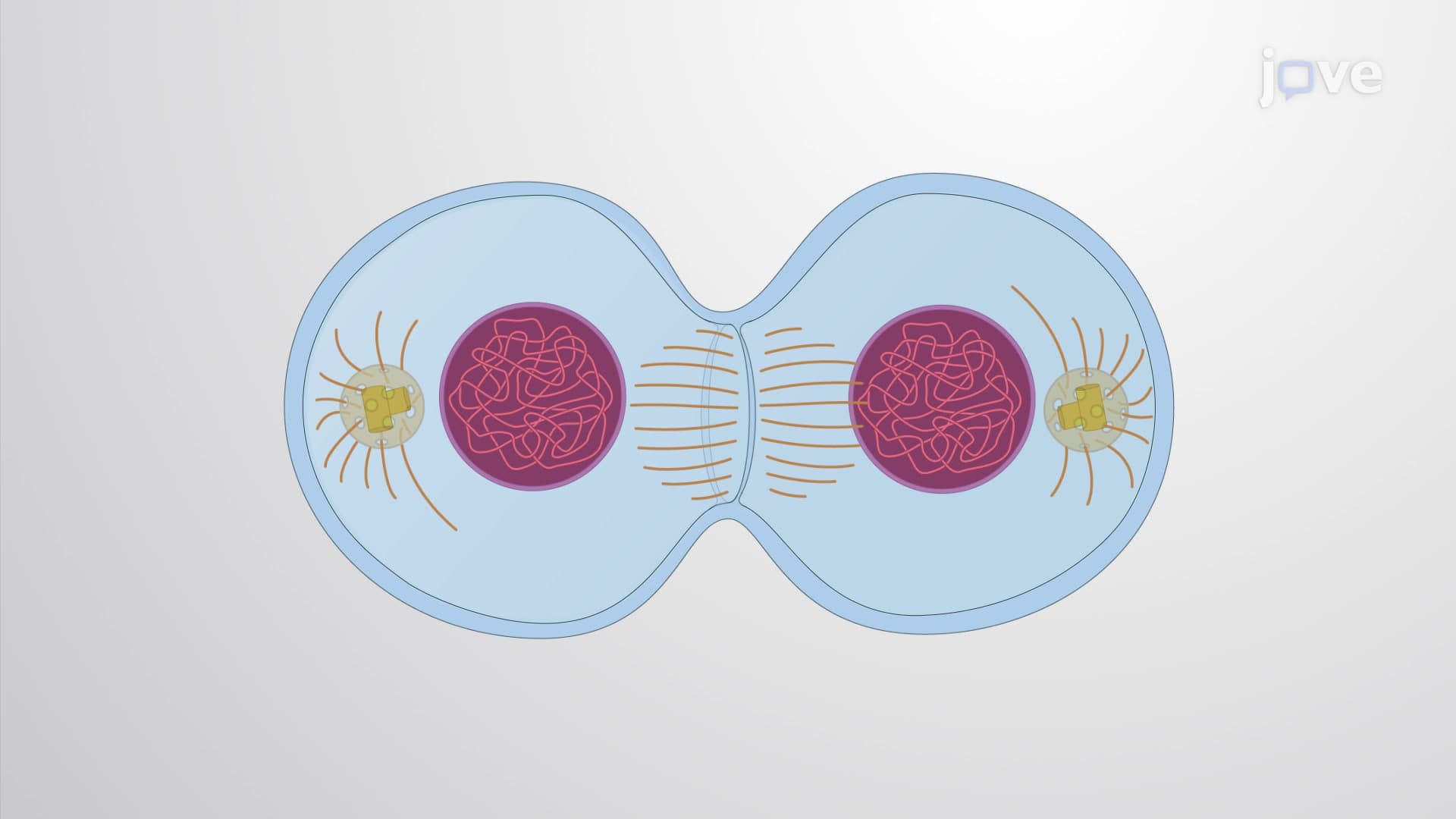
The nuclear envelope and endoplasmic reticulum demonstrate remarkable coordination during cell division. Their physical connection creates a coupled distribution system that transforms dramatically throughout mitosis. During prophase, the nuclear envelope dissolves and merges with the ER, creating an expanded membrane network. The typically sheet-like ER structure undergoes tubularization, migrating toward the cell cortex during metaphase. This reorganization positions membrane components for optimal distribution. Following chromosome segregation, the ER reforms nuclear envelopes around each set of sister chromatids, ensuring both daughter cells receive complete nuclear-ER systems.
Mitochondria employ a fragmentation-redistribution strategy fundamentally different from other organelles. These powerhouses of the cell undergo extensive fission before mitosis, breaking into smaller fragments that disperse throughout the cytoplasm. This fragmentation serves a crucial purpose: it enables more uniform distribution through stochastic (random) processes. After cell division completes, fragmented mitochondria undergo fusion events that restore their typical elongated morphology and optimal size for ATP production. This strategy proves particularly important in metabolically active cells like cardiac myocytes.
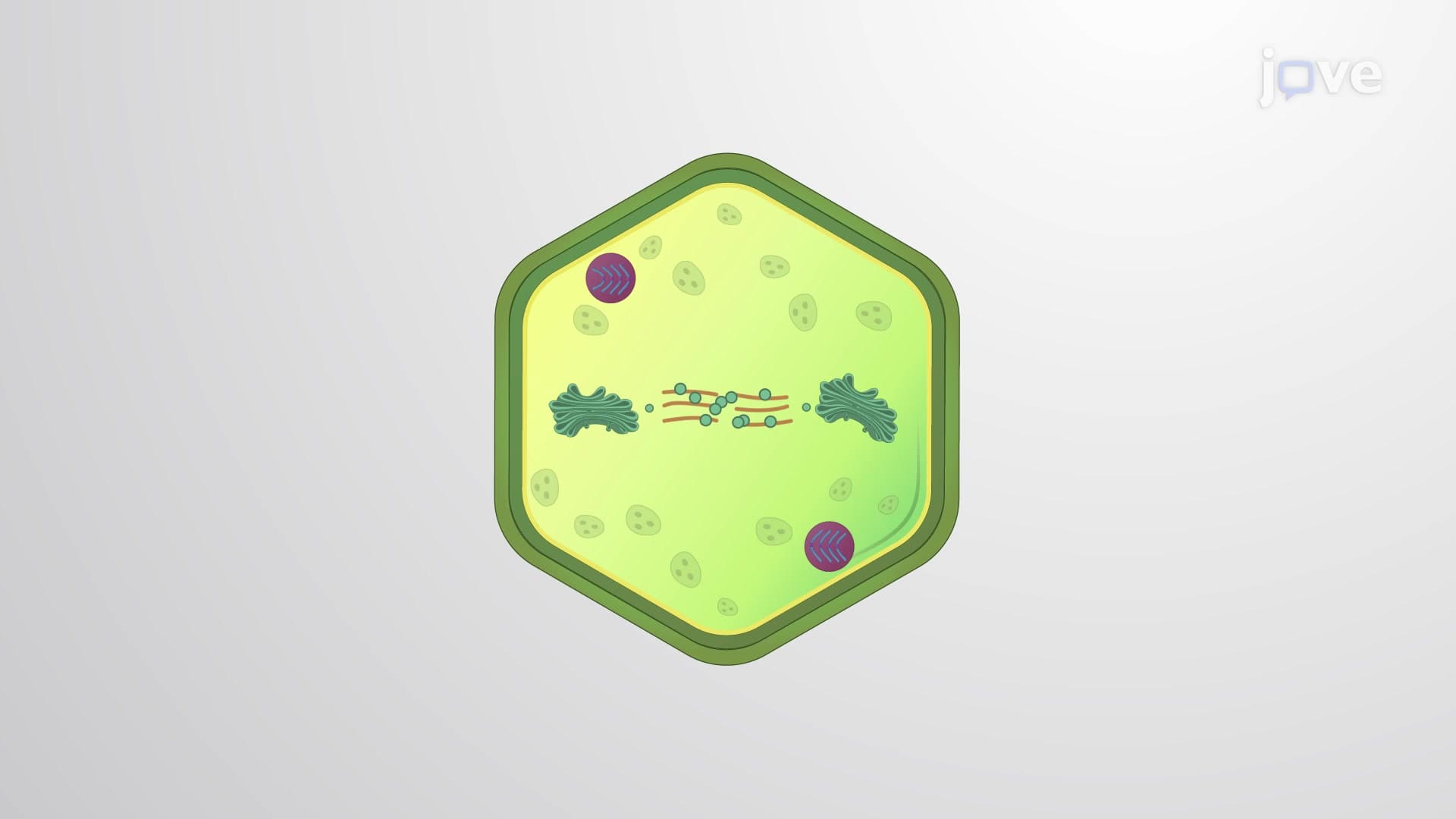
The Golgi apparatus presents unique distribution challenges due to its singular presence and complex architecture. Its distribution follows a stepwise disassembly process that begins with ribbon fragmentation into mini-stacks, followed by vesiculation. During anaphase, these vesicles strategically fuse to form cisternae, which then restack into functional units. The formation of twin Golgi structures-smaller ones near the midbody and larger ones near centrosomes-ensures proper inheritance. This intricate process maintains the Golgi's essential role in protein modification and trafficking.
This content frequently appears on AP Biology exams, particularly in questions about cell division mechanisms. College biology courses often test understanding of organelle-specific distribution strategies, making this concept essential for pre-med students preparing for the MCAT.
Related Micro-courses