Loading subject page…

- Molecular Biology
- Cell Division
- The Phragmoplast
Micro-course: Cell Division
101,001 views
Learn key concepts and earn your certificate.




The Phragmoplast

00:00
01:59
Video Summary: What Is the Phragmoplast
Ever wonder how plant cells manage to build walls between themselves without squeezing from the outside like animal cells? The phragmoplast is a remarkable cellular structure that orchestrates this inside-out division process in plant cells. This specialized microtubule framework guides the formation of new cell walls, much like how construction scaffolding supports building projects at sites like Stanford University's expanding campus. Watch the full video on JoVE Coach to master this concept with expert-led visuals and step-by-step explanations.
- Understand what is the phragmoplast and its essential role in plant cell division
- Identify the structural components of the phragmoplast, including polar microtubules and their organization
- Analyze the relationship between the preprophase band and final cell wall placement
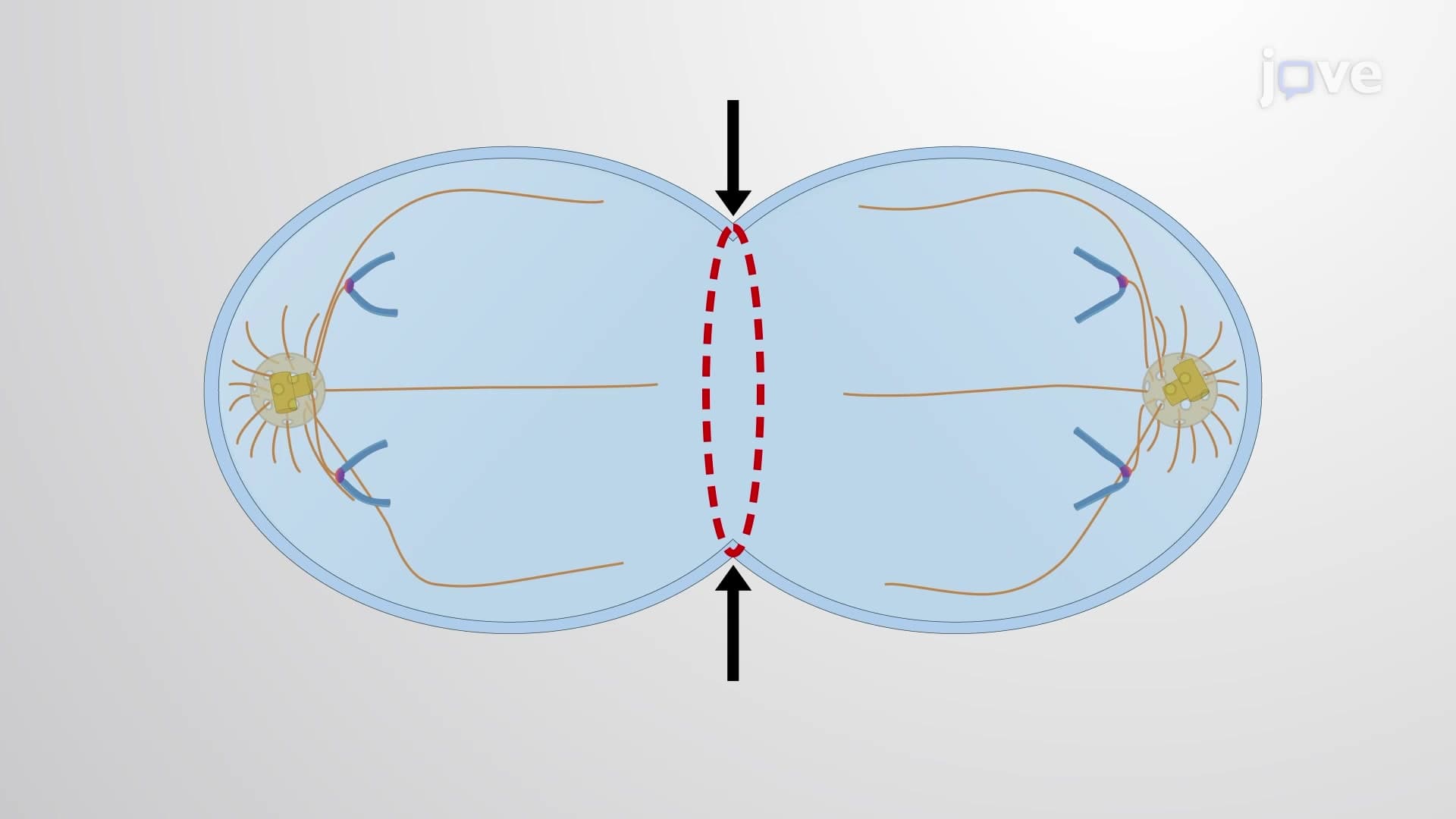
- Compare phragmoplast-mediated division in plants versus contractile ring division in animal cells
- Evaluate the process of vesicle fusion during cell plate formation
- Apply knowledge of phragmoplast function to predict outcomes of cellular disruptions
- Recognize the temporal sequence from mitotic spindle breakdown to phragmoplast formation
- Explore how Golgi-derived vesicles contribute to new cell wall synthesis
Understanding the Phragmoplast Structure and Function
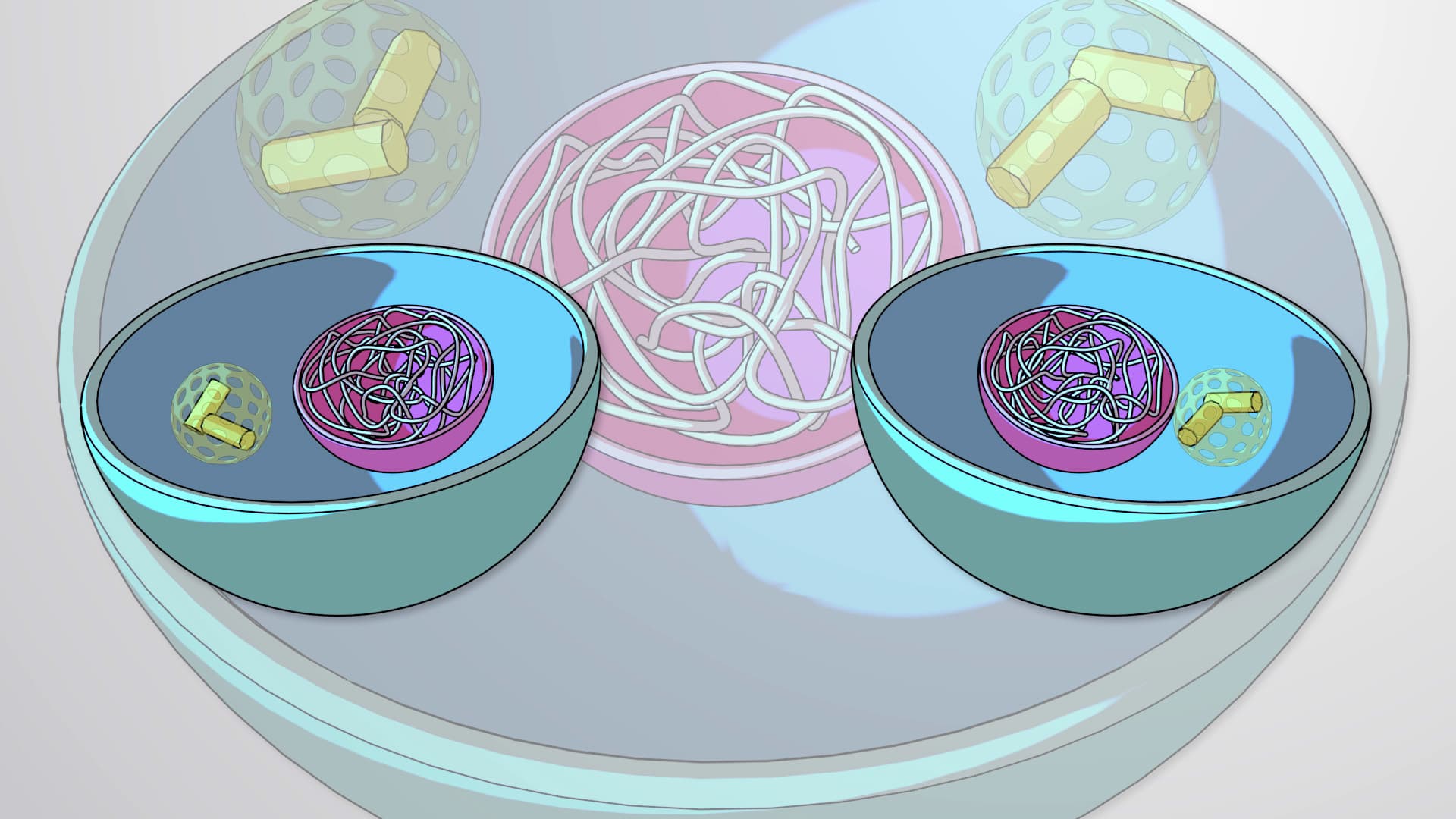
The phragmoplast represents one of plant biology's most elegant solutions to a fundamental challenge. While animal cells can pinch inward using contractile proteins to separate daughter cells, plant cells face a unique obstacle: their rigid cell walls prevent external constriction. Instead, plants evolved the phragmoplast system to build new walls from the inside out.
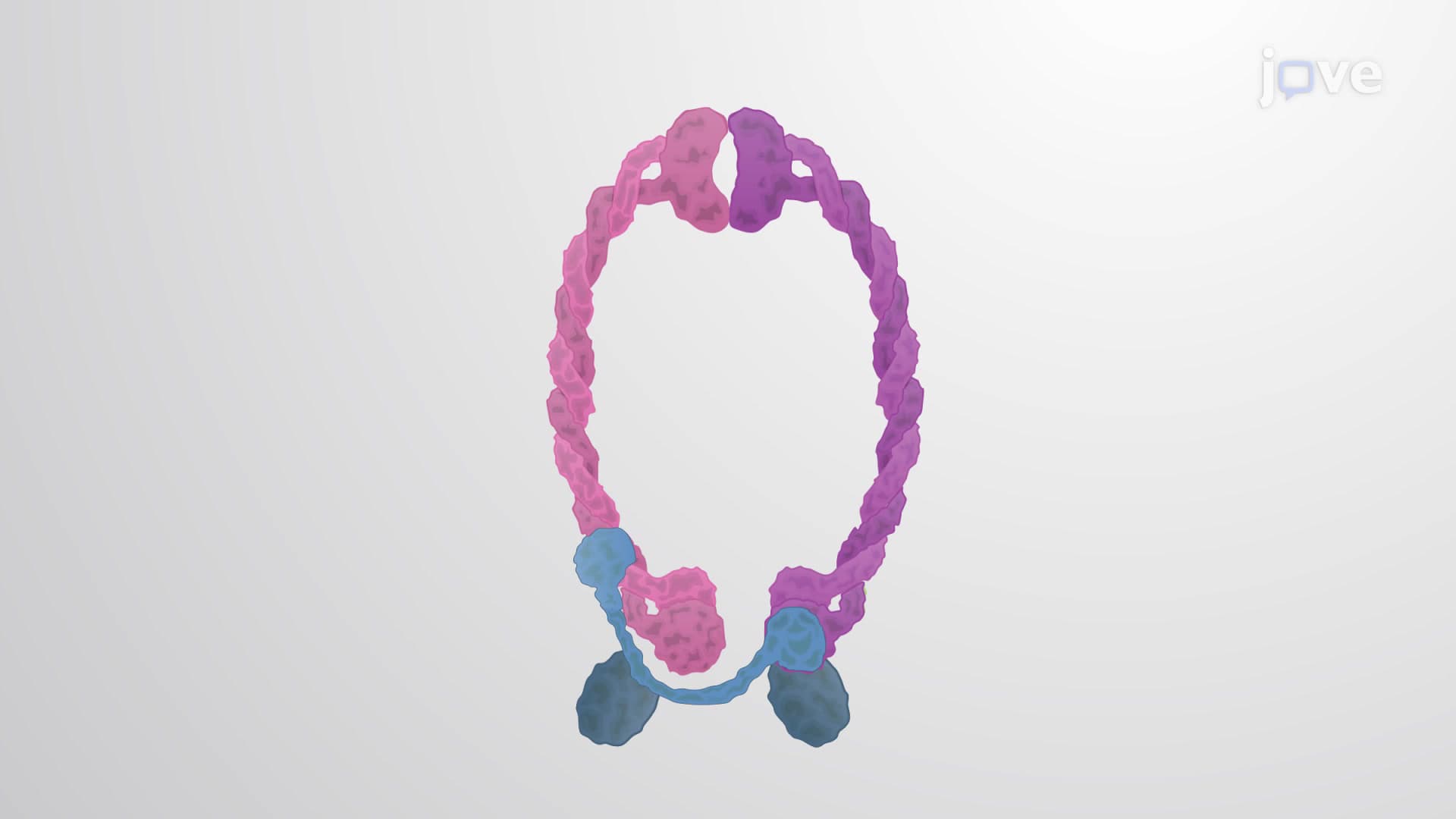
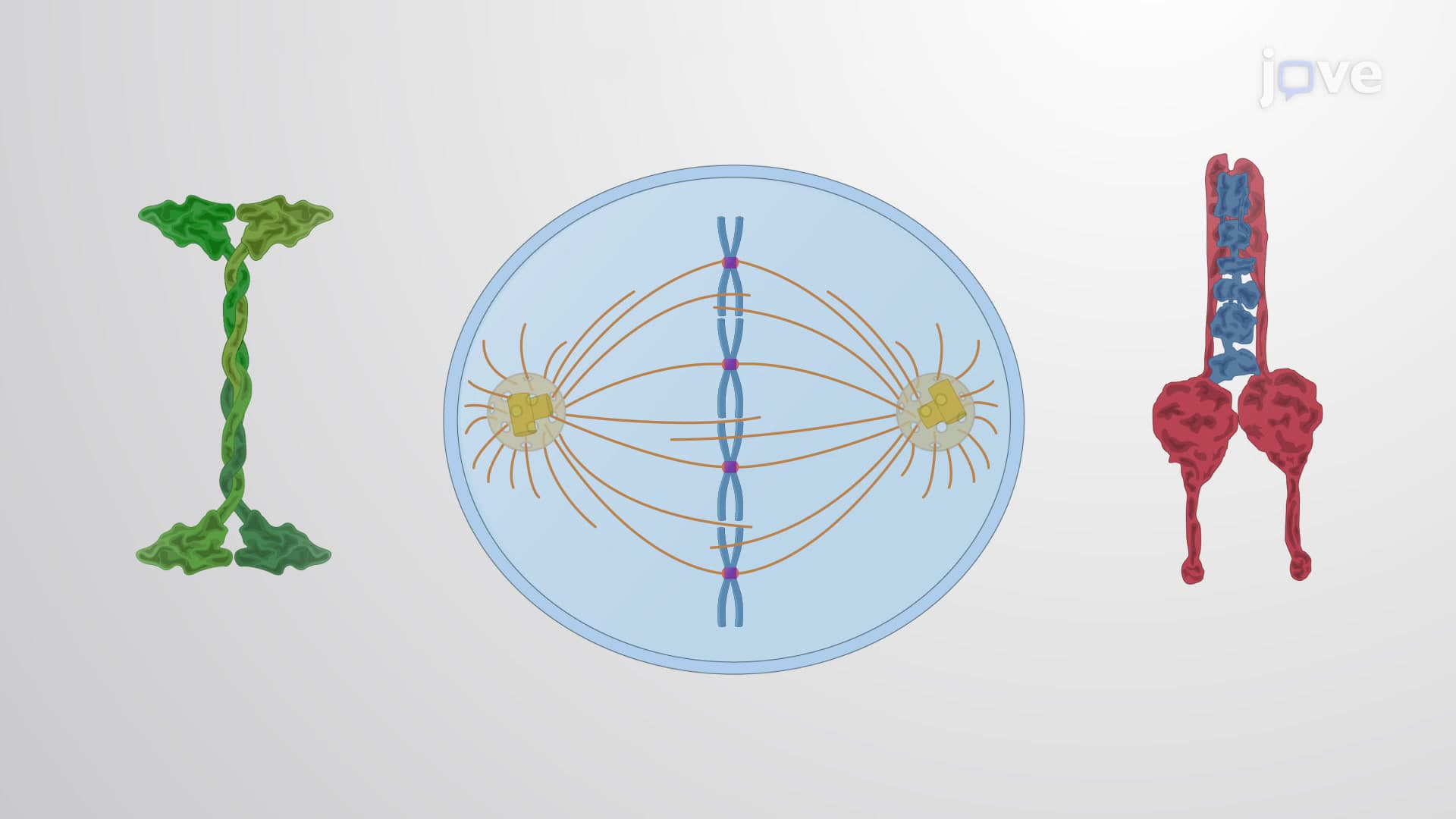
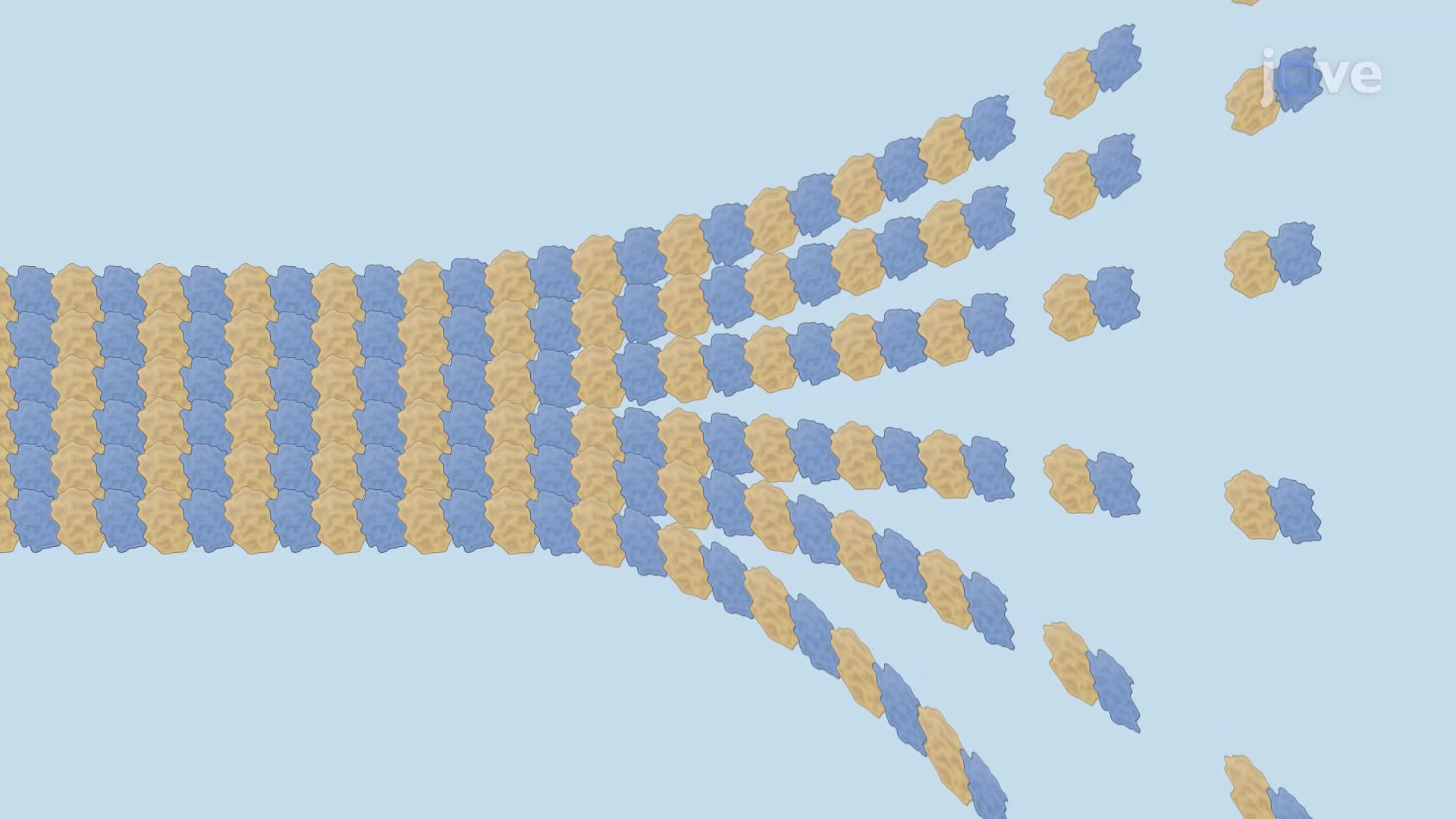
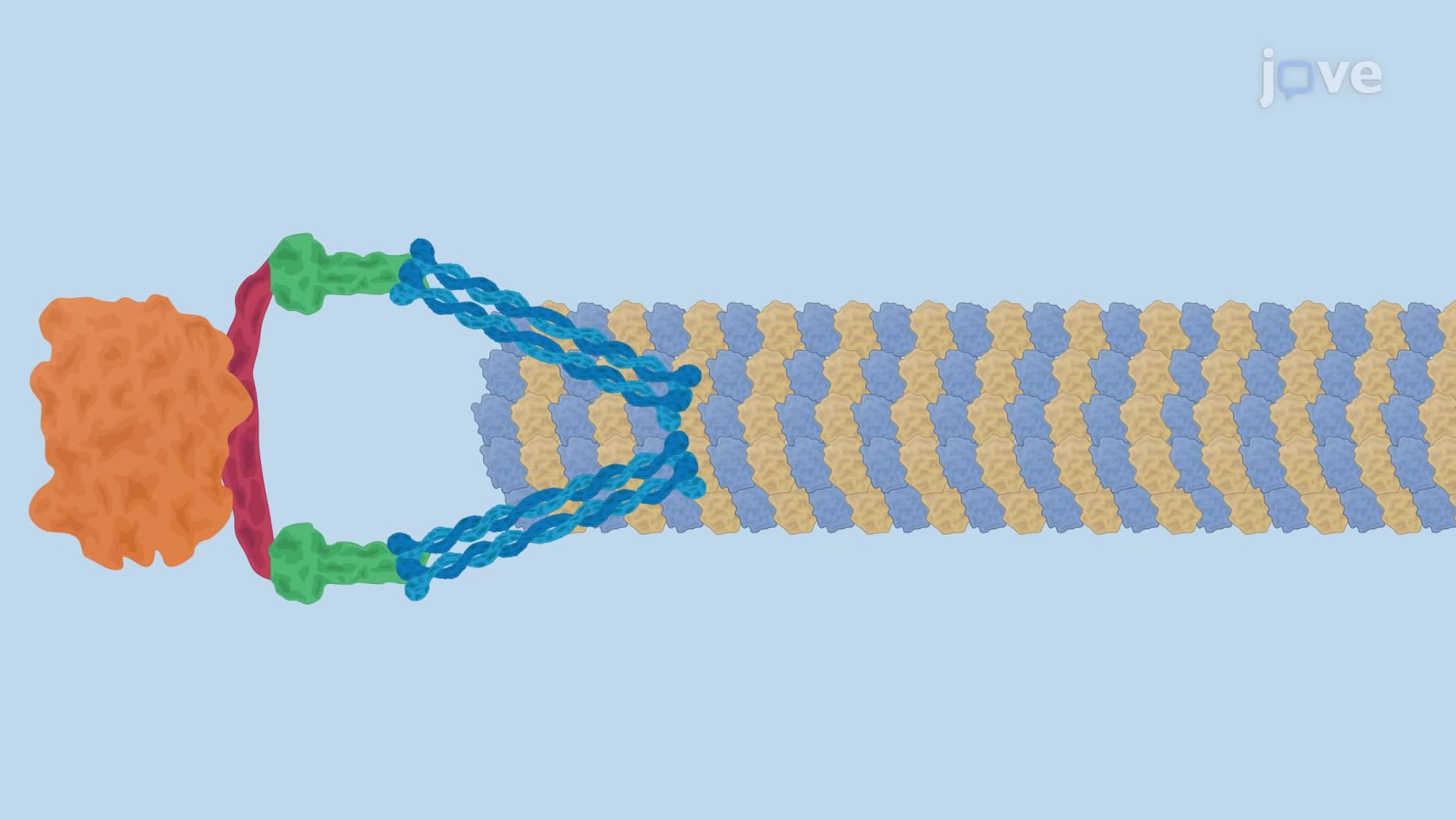
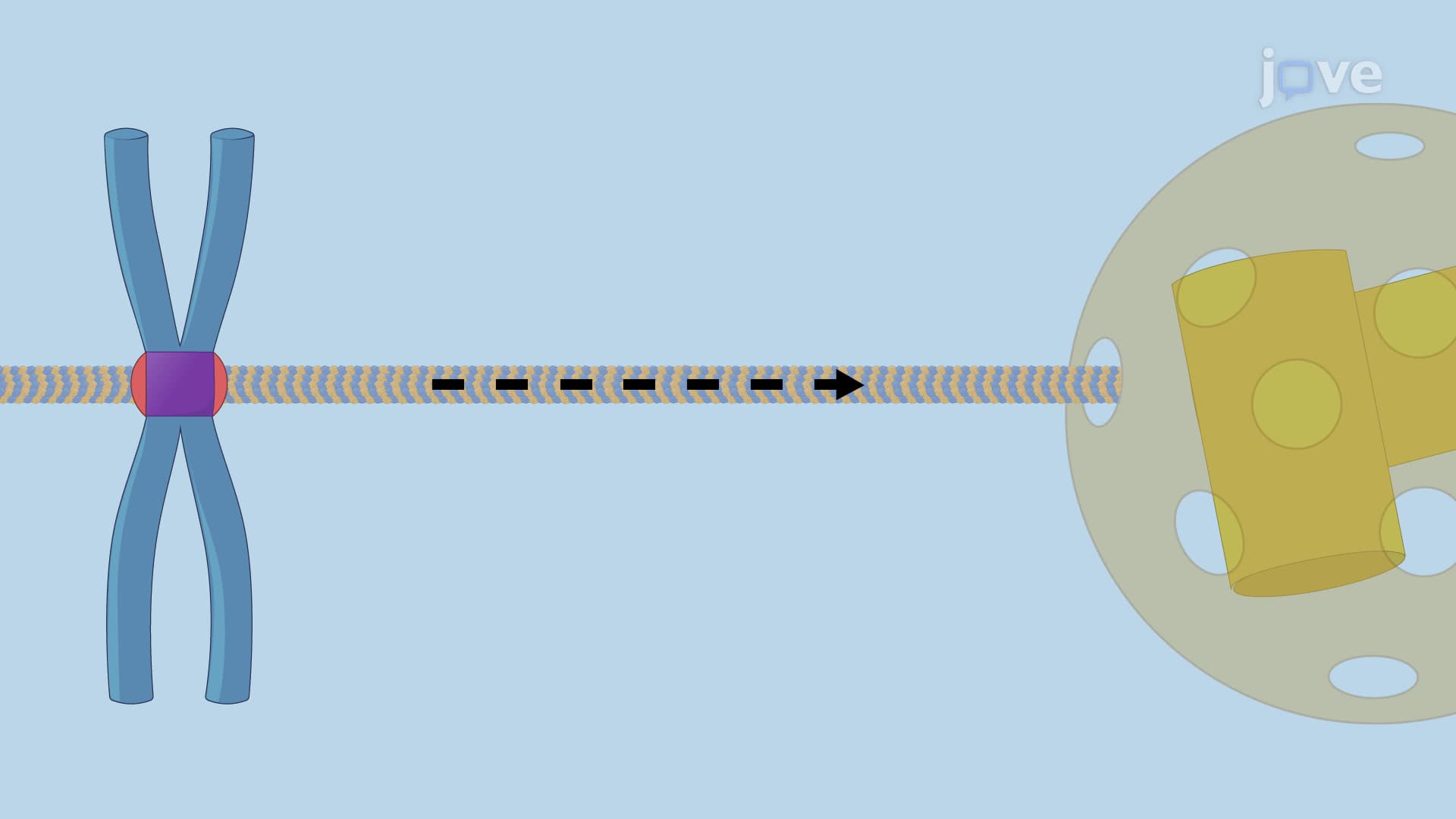
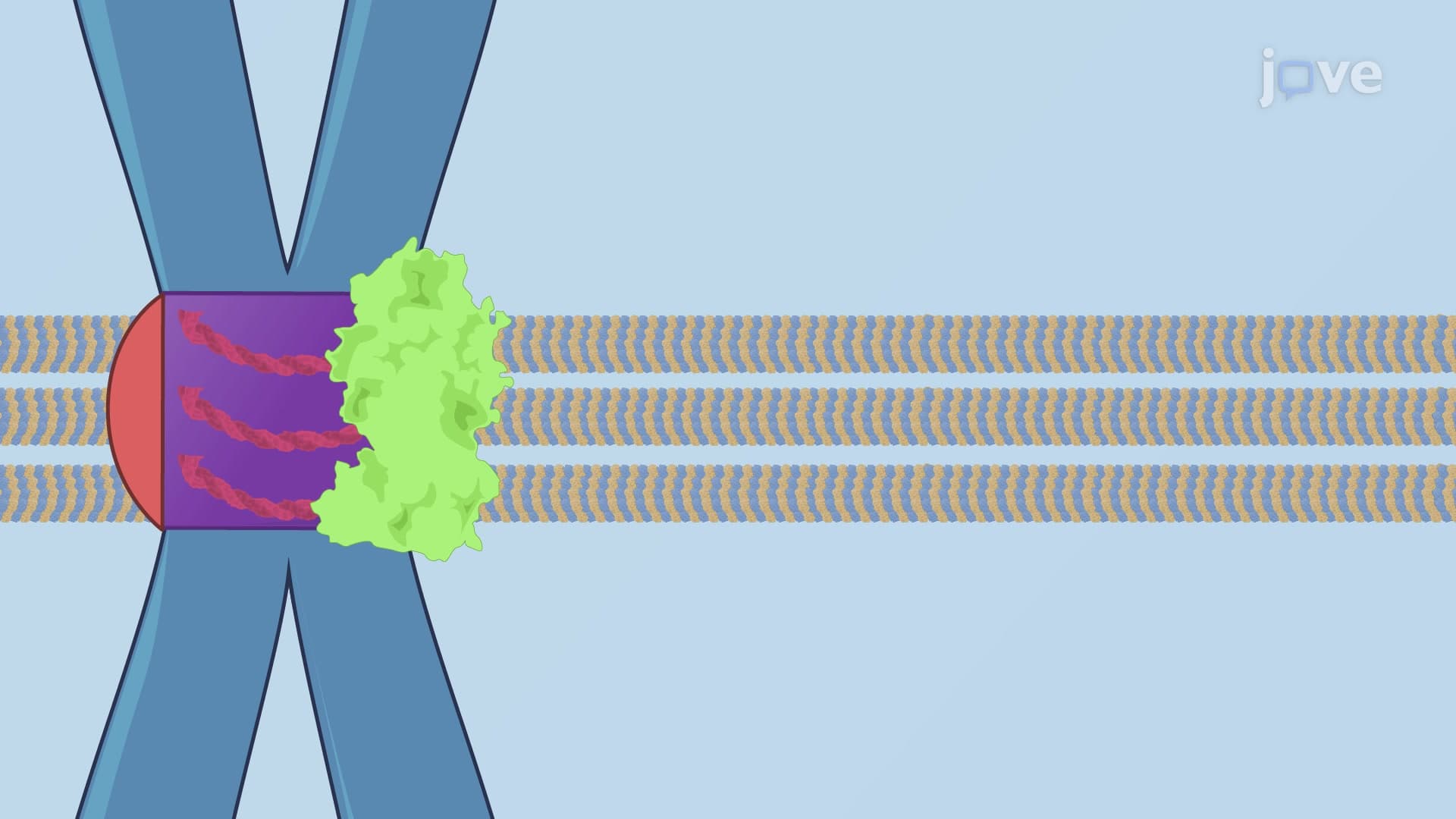
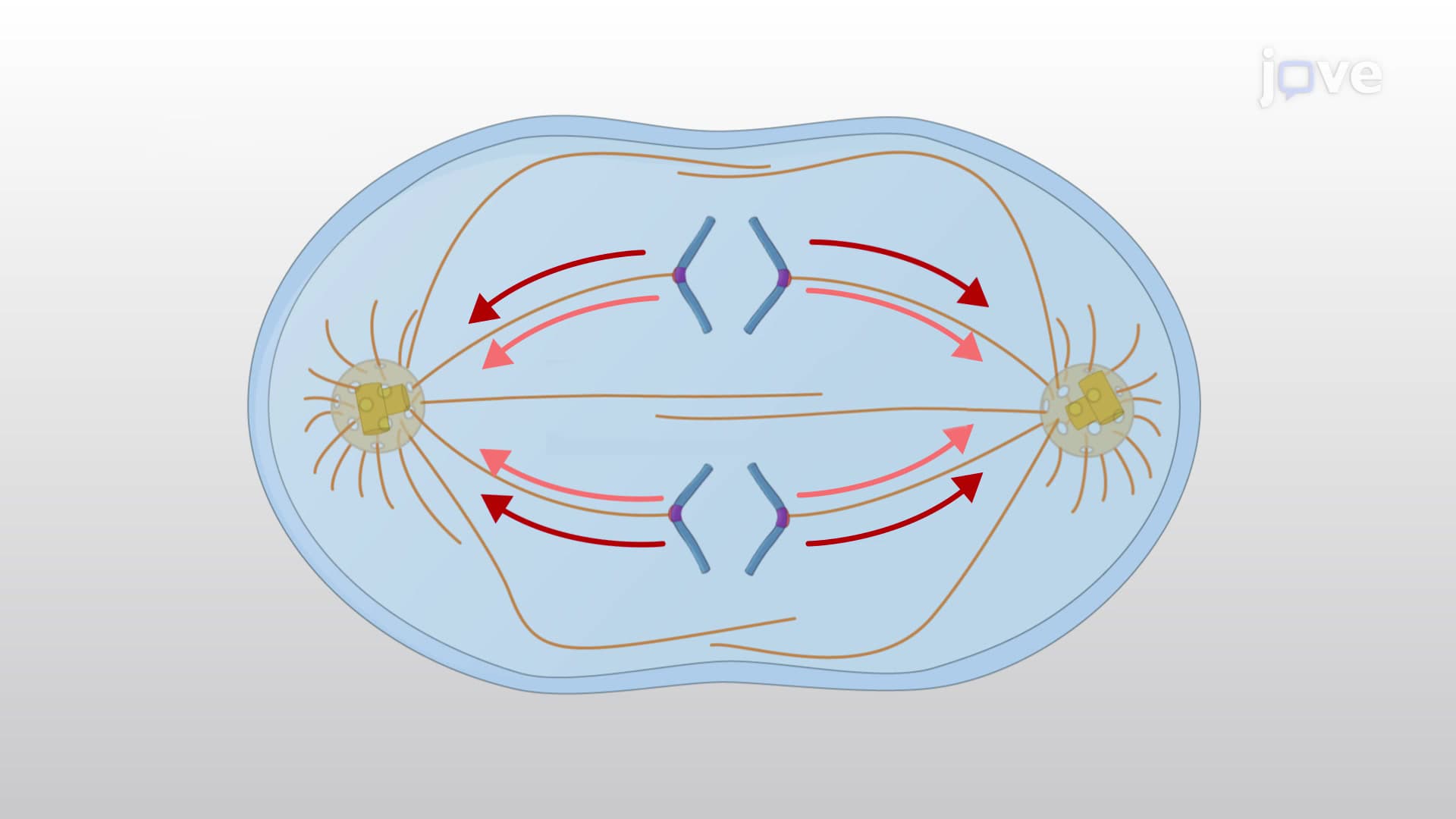
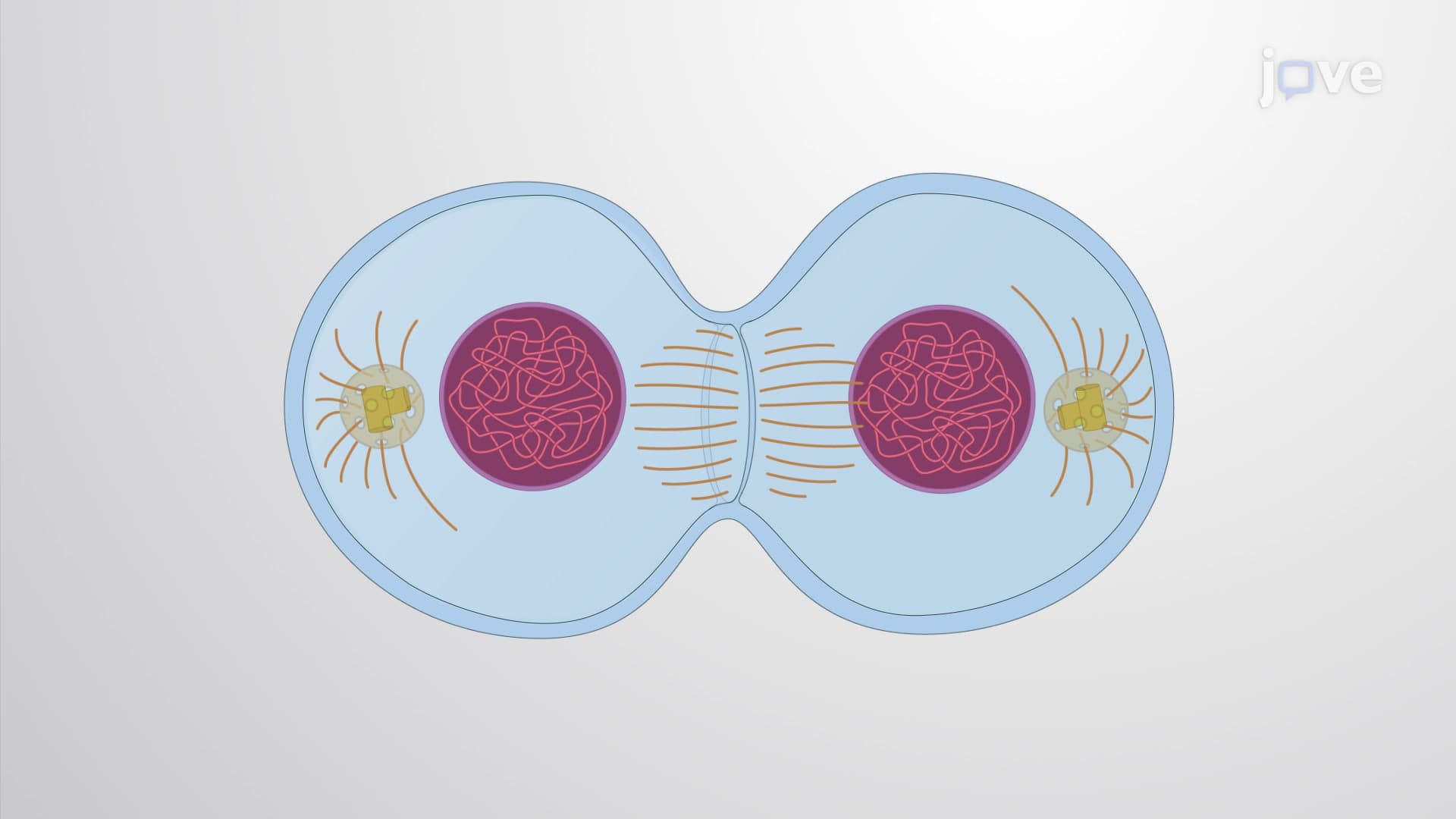
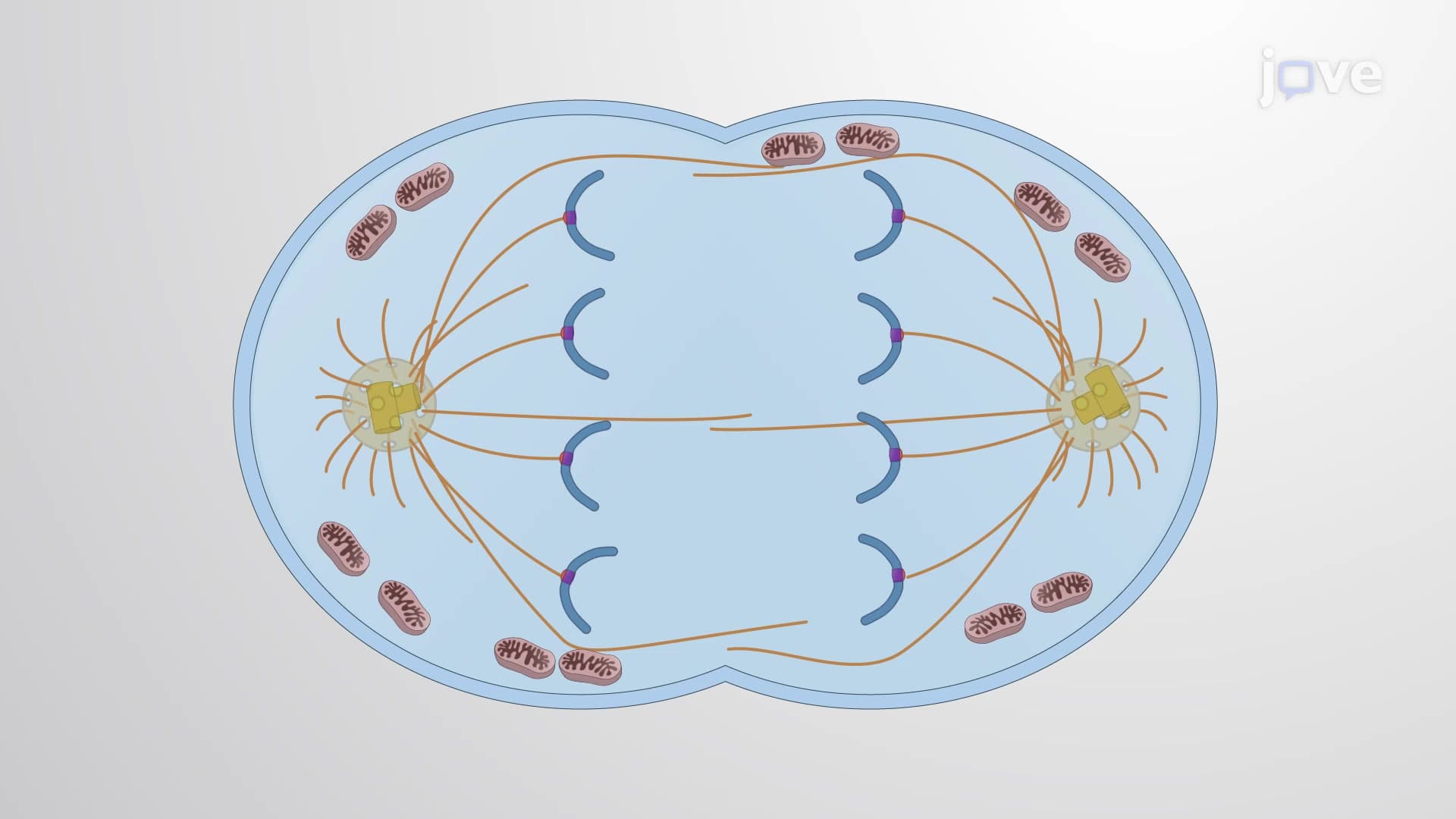
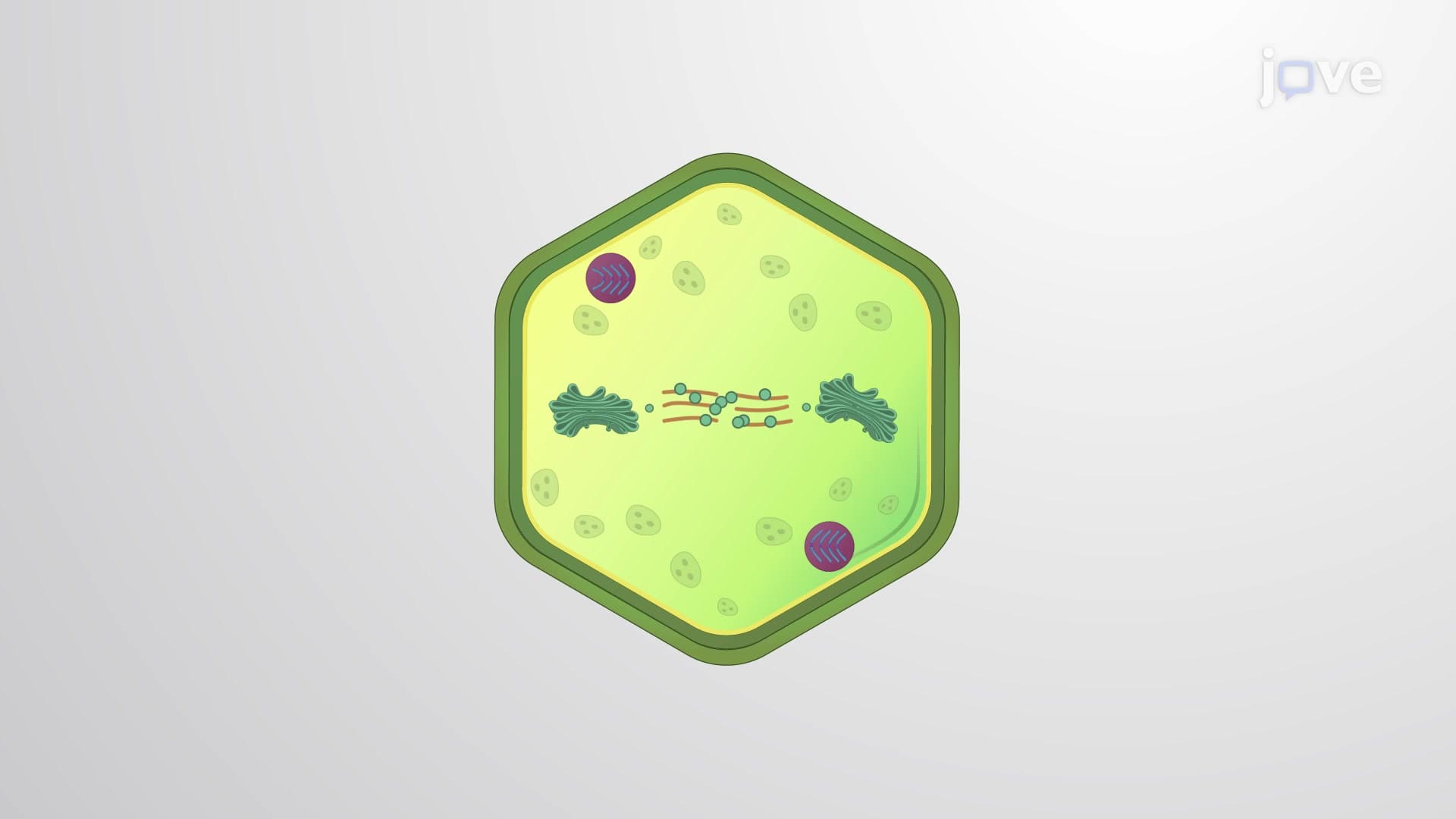
This specialized structure emerges from the remnants of the mitotic spindle apparatus. As chromosomes complete their journey to opposite cell poles during late anaphase, most spindle microtubules disassemble. However, a subset persists and reorganizes into the phragmoplast-a barrel-shaped framework of polar microtubules with their plus ends oriented toward the cell's center and minus ends anchored near the poles.
The Preprophase Band: Setting the Stage
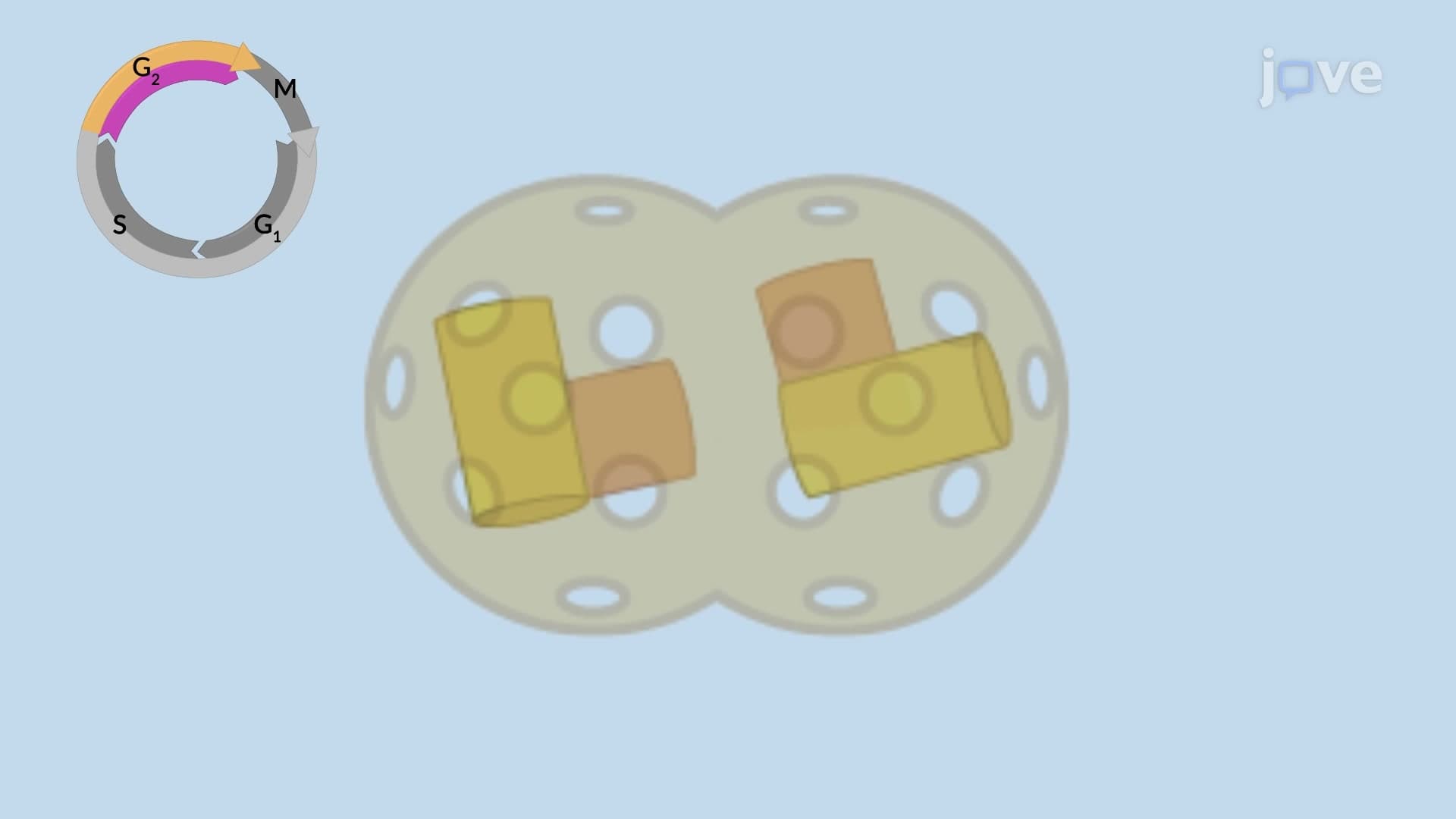
Before mitosis even begins, plant cells demonstrate remarkable foresight by establishing the preprophase band during G1 phase. This cortical ring of microtubules and actin filaments marks exactly where the future cell wall will connect to existing walls. Students preparing for AP Biology exams should remember this as a key distinction from animal cell division, where no such predictive marking occurs.
The preprophase band disappears as mitosis begins, but its legacy persists. This "cellular memory" ensures that the final cell plate connects precisely to the predetermined cortical site, maintaining proper cell geometry and tissue organization.
Cell Plate Formation and Expansion
The phragmoplast's primary function involves orchestrating cell plate construction through vesicle trafficking. Golgi apparatus-derived vesicles, loaded with polysaccharides and glycoproteins essential for cell wall synthesis, travel along phragmoplast microtubules via motor proteins like kinesin. These vesicles fuse at the cell's equatorial plane, forming an initial disc-like cell plate.
What makes this process truly remarkable is its self-perpetuating nature. As the cell plate expands laterally, new microtubules continuously regenerate at the plate's growing edges, ensuring the phragmoplast framework extends alongside the developing wall. This coordinated expansion continues until the cell plate reaches the cortical attachment sites originally marked by the preprophase band.
Clinical and Research Applications
Understanding phragmoplast function has practical implications for agricultural biotechnology and plant breeding programs across American universities like UC Davis and Cornell. Disruptions in phragmoplast assembly can lead to multinucleated cells or incomplete cytokinesis, affecting crop yield and plant development. MCAT students should also note how studying plant cell division mechanisms contributes to broader cell biology principles applicable to medical research.
Frequently Asked Questions
The phragmoplast is a specialized microtubule structure that guides cell wall formation in dividing plant cells. Unlike animal cells that use contractile rings to pinch inward, plant cells must build new walls from the inside out due to their rigid cell wall constraints. The phragmoplast coordinates this process by organizing vesicle delivery and cell plate expansion.
The phragmoplast consists of polar microtubules arranged in a barrel-like configuration, with plus ends near the equatorial plane and minus ends at the poles. It also includes motor proteins that transport Golgi-derived vesicles, actin filaments that assist in organization, and various regulatory proteins that control microtubule dynamics during cell plate formation.
AP Biology commonly tests phragmoplast concepts through multiple choice questions about plant versus animal cytokinesis, and free response questions requiring diagrams of cell division stages. Students should be able to sequence events from preprophase band formation through cell plate completion, and explain why plant cells require this unique division mechanism.
MCAT Biological and Biochemical Foundations sections may include phragmoplast function within cell division passages. Understanding this concept reinforces broader themes about cytoskeletal organization, membrane trafficking, and evolutionary adaptations that appear throughout the biological sciences portion of the exam.
Phragmoplast disruption can cause incomplete cytokinesis, leading to multinucleated cells that affect normal plant development and potentially reduce crop yields. Research at agricultural institutions like Iowa State University studies these mechanisms to develop more resilient crop varieties and understand plant responses to environmental stressors.
No advanced prerequisites are required beyond basic high school biology covering cell division and plant cell structure. Understanding mitosis, the cell cycle, and fundamental organelle functions provides sufficient background to grasp phragmoplast mechanisms and their importance in plant biology.
Focus on drawing and labeling the temporal sequence from preprophase band formation through cell plate completion. Practice comparing plant versus animal cytokinesis mechanisms, and memorize key terms like "polar microtubules," "cell plate," and "vesicle fusion." Create flowcharts showing the step-by-step process for quick review.
Advanced studies include investigating phragmoplast regulation during plant development, exploring how environmental factors affect cell division orientation, and examining evolutionary relationships between different plant cell division mechanisms. These topics appear in upper-level botany and developmental biology courses at universities nationwide.
Related Micro-courses