Loading subject page…

- Molecular Biology
- Cell Proliferation
- Positive Regulator Molecules
Micro-course: Cell Proliferation
72,601 views
Learn key concepts and earn your certificate.

Positive Regulator Molecules

00:00
02:39
Video Summary: What are Positive Regulator Molecules
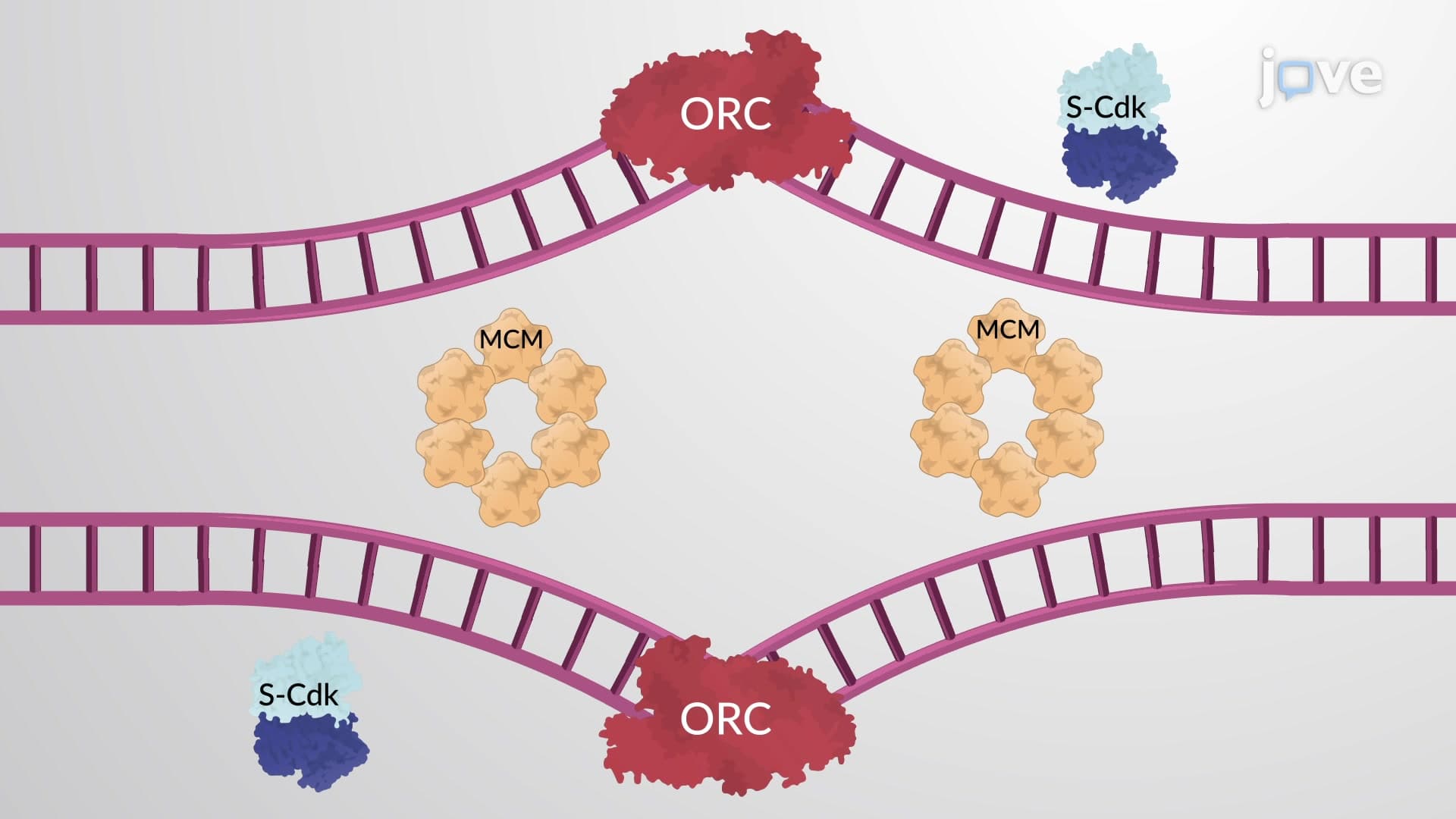
Ever wonder how your body ensures that your skin cells divide at precisely the right moment to heal a cut? Positive regulator molecules act as the cell's internal timekeepers, orchestrating when cells should progress through division stages. These molecular switches, including cyclins and cyclin-dependent kinases (Cdks), work together like a sophisticated relay race to control cell cycle progression. For example, when you scrape your knee, positive regulator molecules ensure skin cells divide in an orderly fashion to repair the wound. Watch the full video on JoVE Coach to master this concept with expert-led visuals and step-by-step explanations.
- Understand what are positive regulator molecules and their essential role in controlling cell cycle progression through cyclin-Cdk interactions
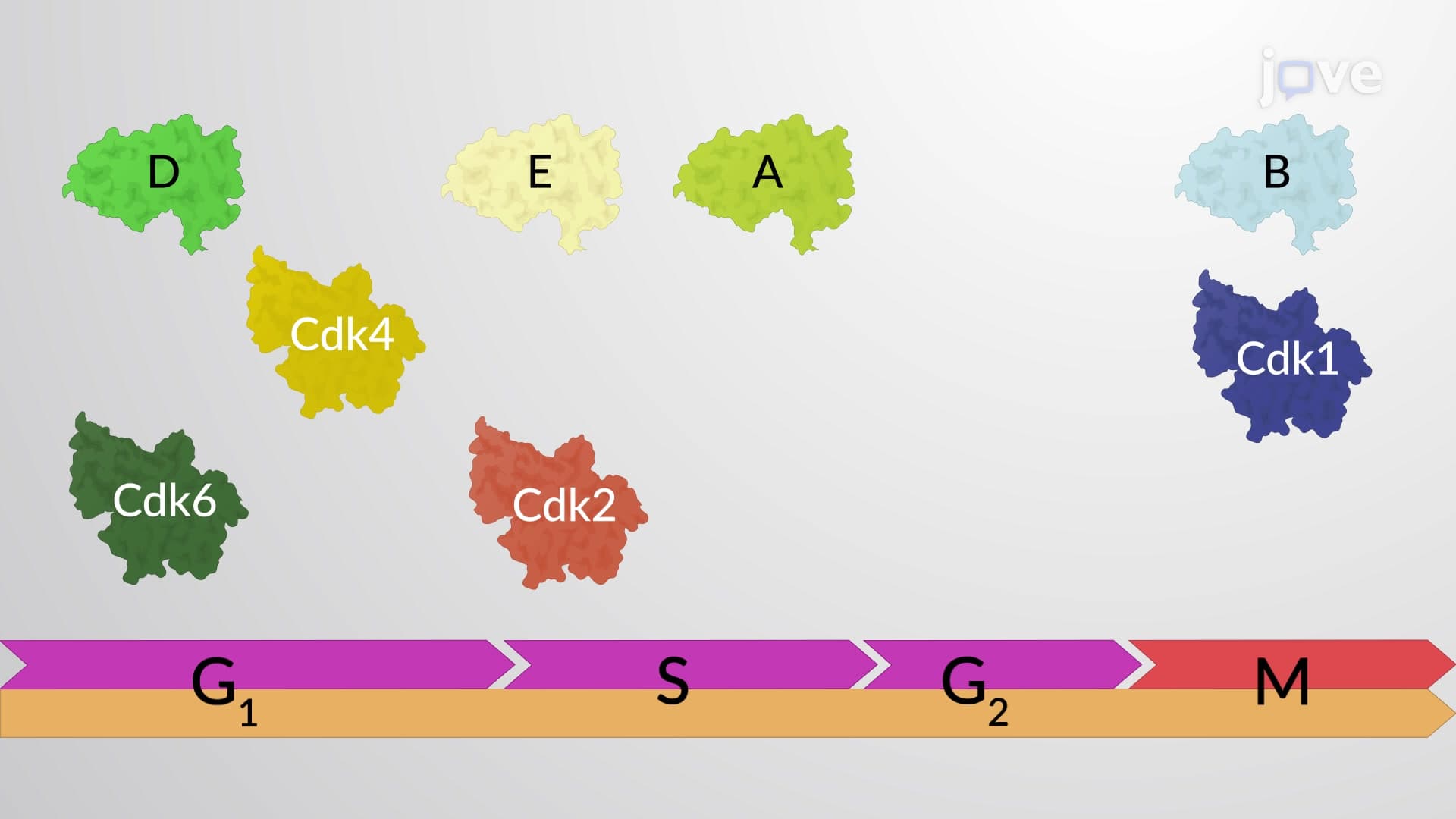
- Identify the four major cyclins (D, E, A, B) and their corresponding Cdk partners that drive specific cell cycle phases
- Analyze how cyclin D-Cdk4/6 complexes promote G1 phase progression and prepare cells for DNA synthesis
- Compare the functions of cyclin E-Cdk2 and cyclin A-Cdk2 complexes during S phase DNA replication
- Evaluate the mechanism by which cyclin B-Cdk1 complexes trigger mitosis and chromosome separation
- Apply knowledge of CAK (Cdk activating kinase) phosphorylation in complete Cdk-cyclin complex activation
- Recognize the sequential rise and fall of cyclin levels as the molecular basis for cell cycle timing
- Explore how conformational changes in Cdk proteins enable substrate access and enzymatic activity
Understanding Positive Regulator Molecules in Cell Division
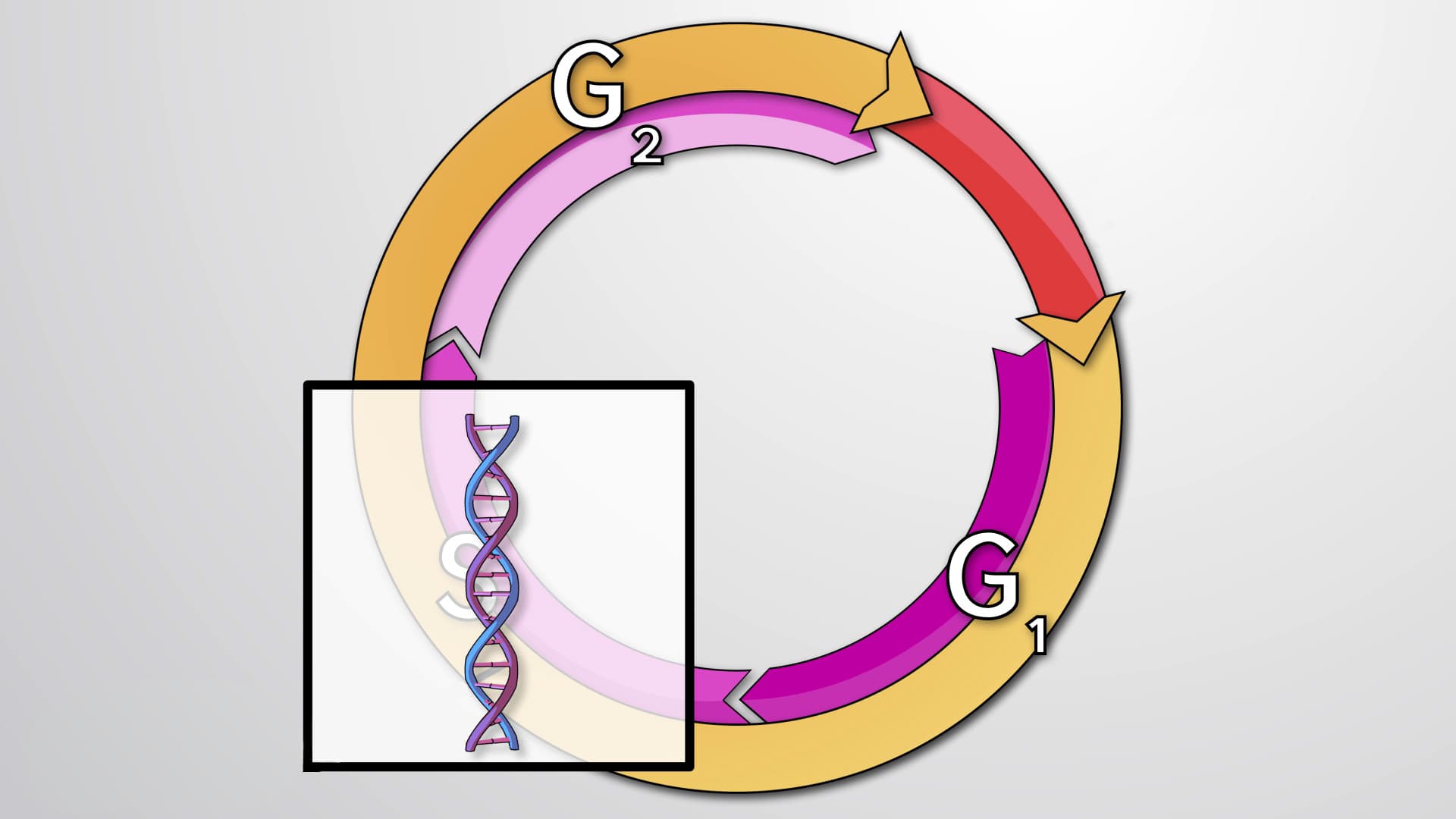
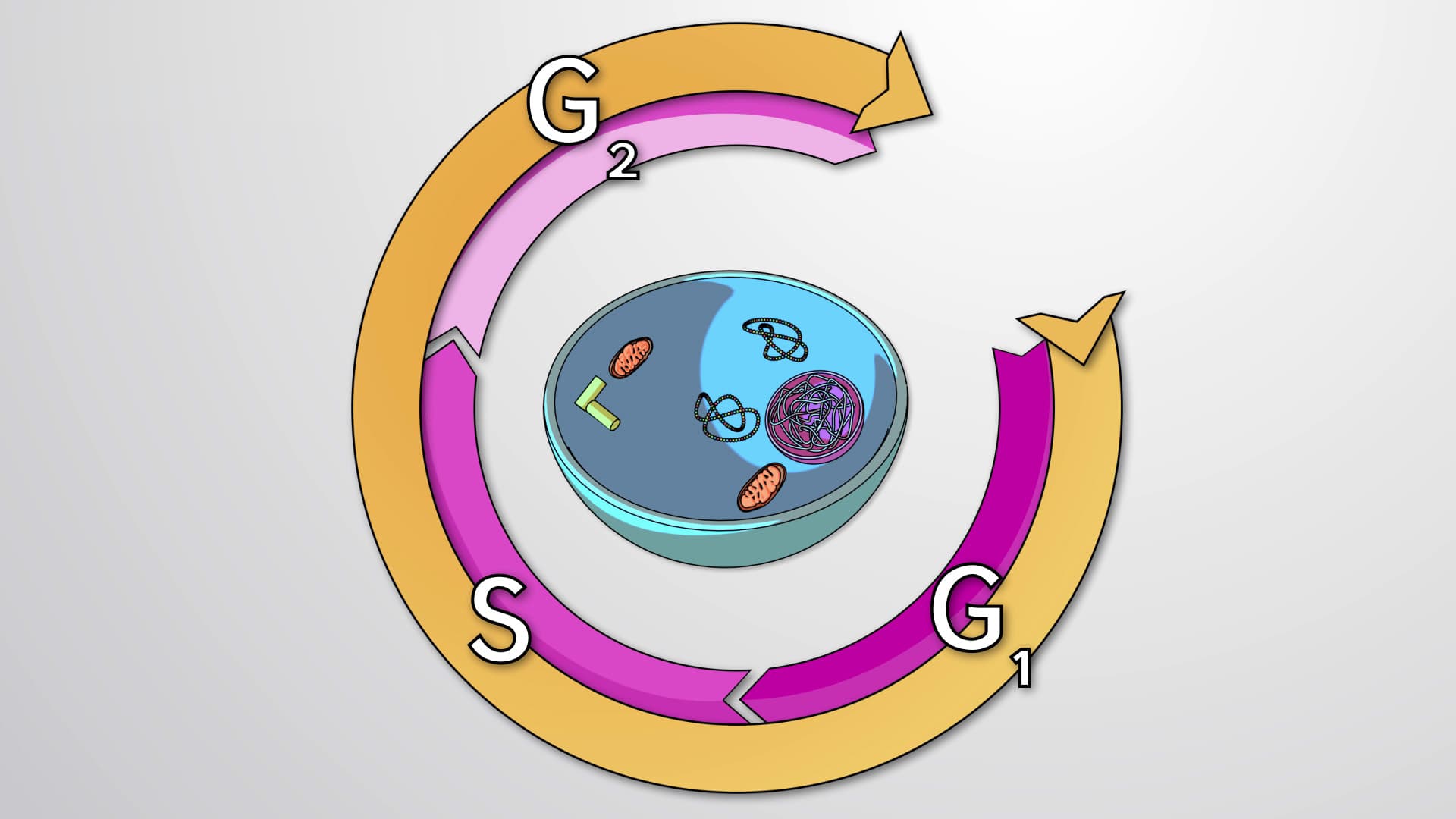
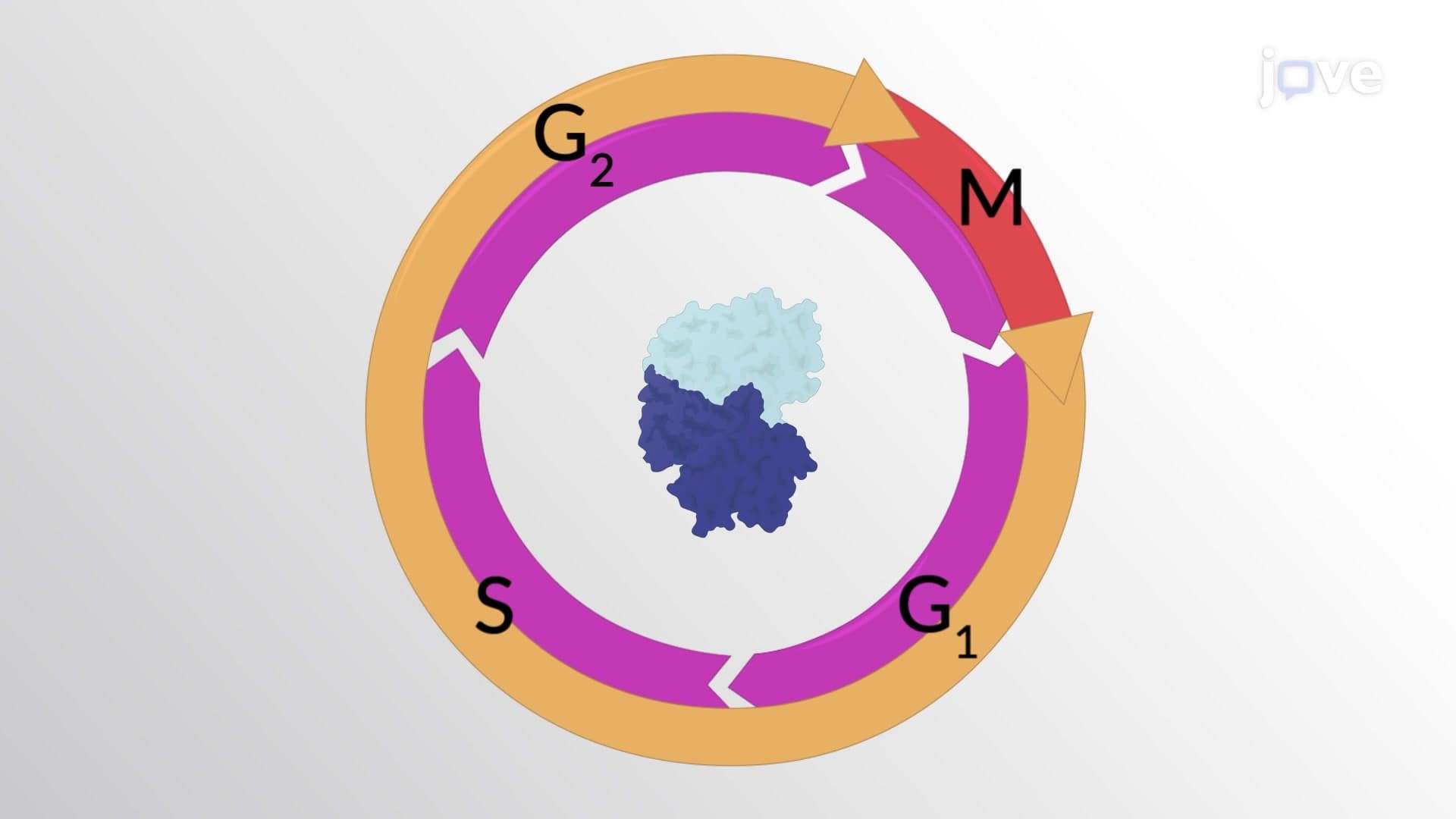
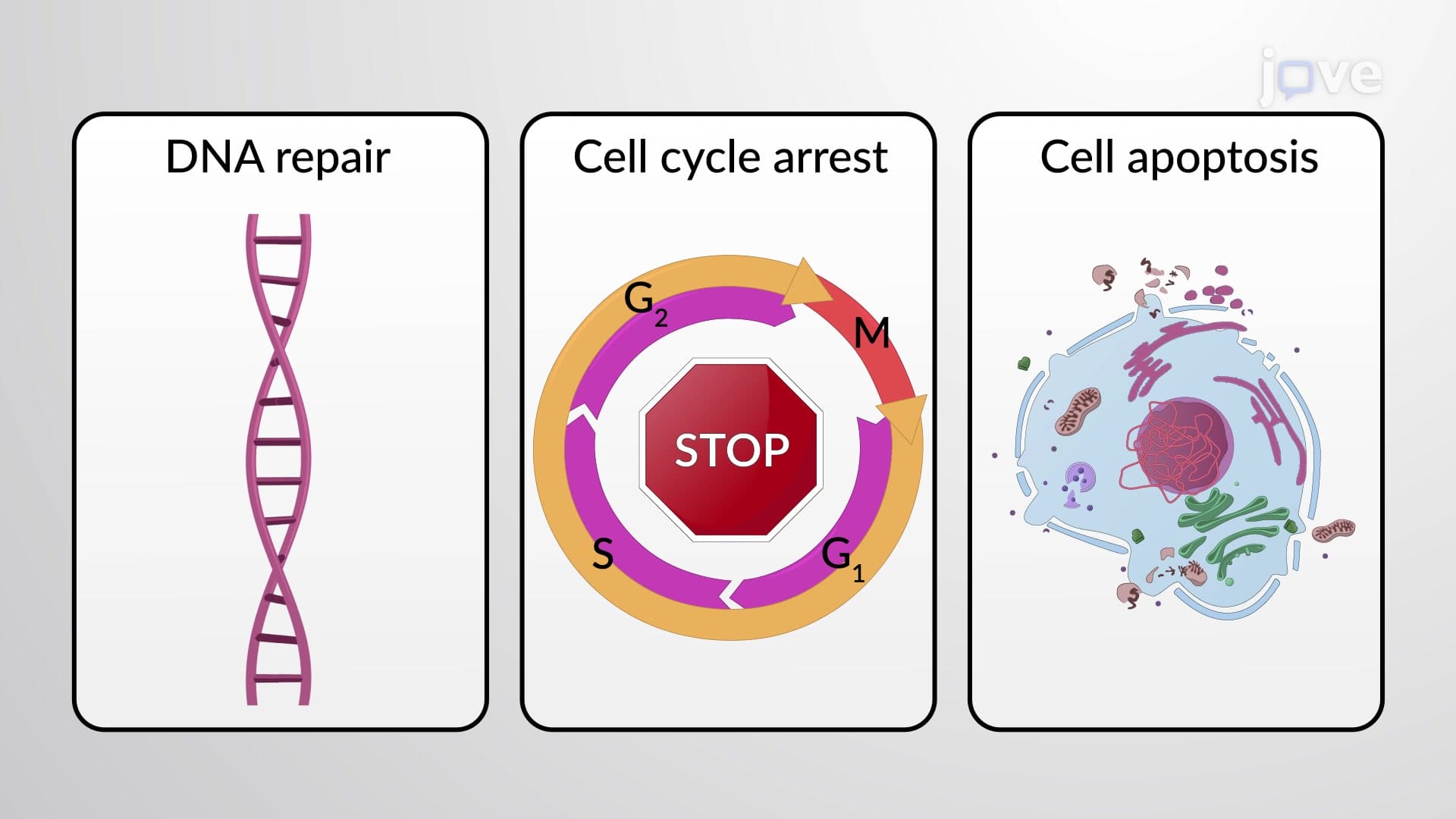
Positive regulator molecules function as the cell's accelerator pedal, driving progression through the cell cycle's four distinct phases: G1, S, G2, and M. Unlike negative regulators that act as brakes, these molecules actively promote cellular division when conditions are favorable. This regulatory system is crucial for normal growth, tissue repair, and development-from healing a papercut to enabling a teenager's growth spurt.
The Cyclin-Cdk Partnership: A Molecular Dance
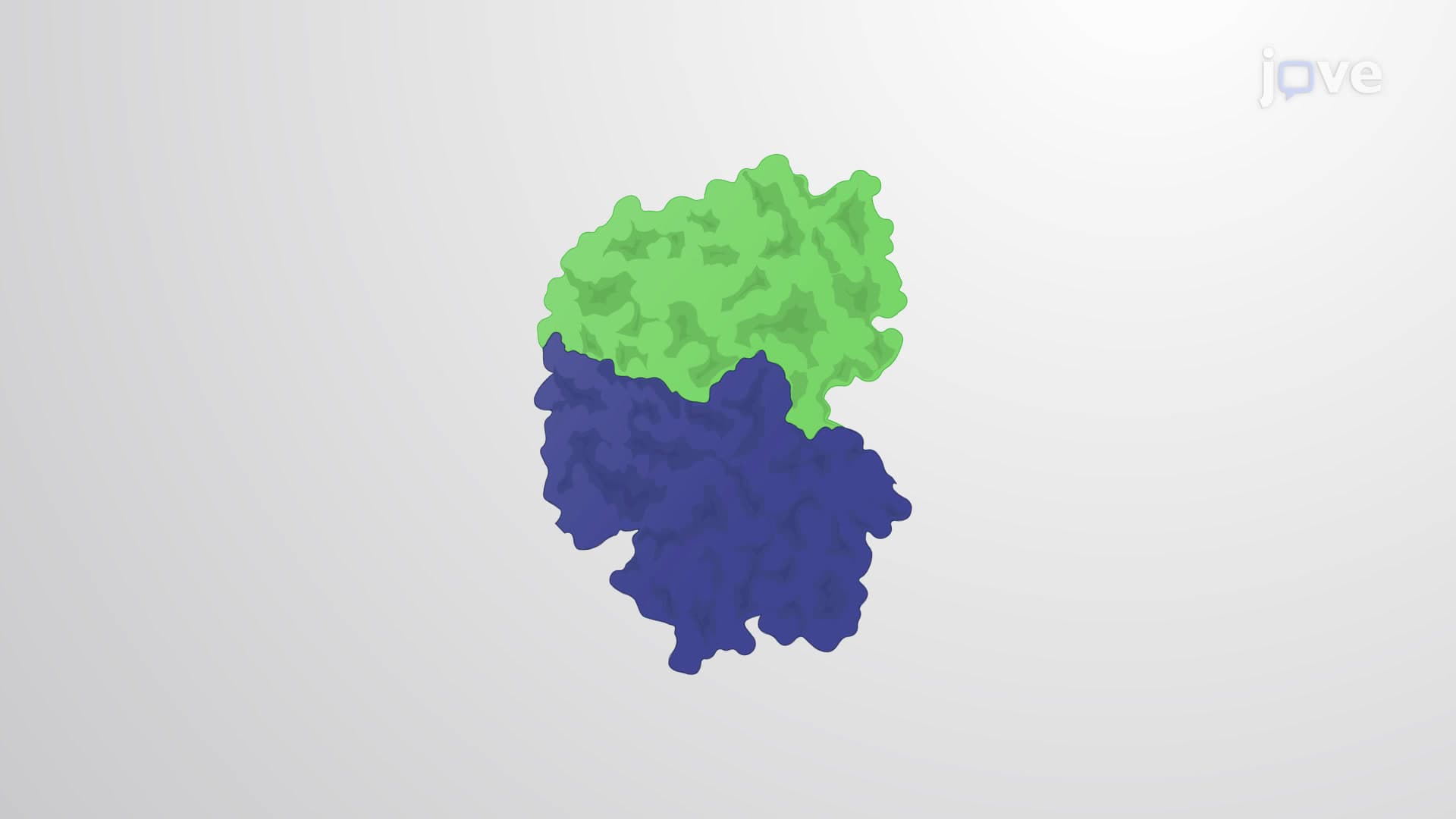
The heart of positive regulation lies in the partnership between cyclins and cyclin-dependent kinases (Cdks). Think of this relationship like a lock-and-key system where cyclins are the keys that unlock Cdk activity. Mammalian cells contain approximately nine different Cdks, but only four-Cdk1, Cdk2, Cdk4, and Cdk6-directly control cell cycle progression. Without their cyclin partners, Cdks remain inactive, much like a car engine without a key.
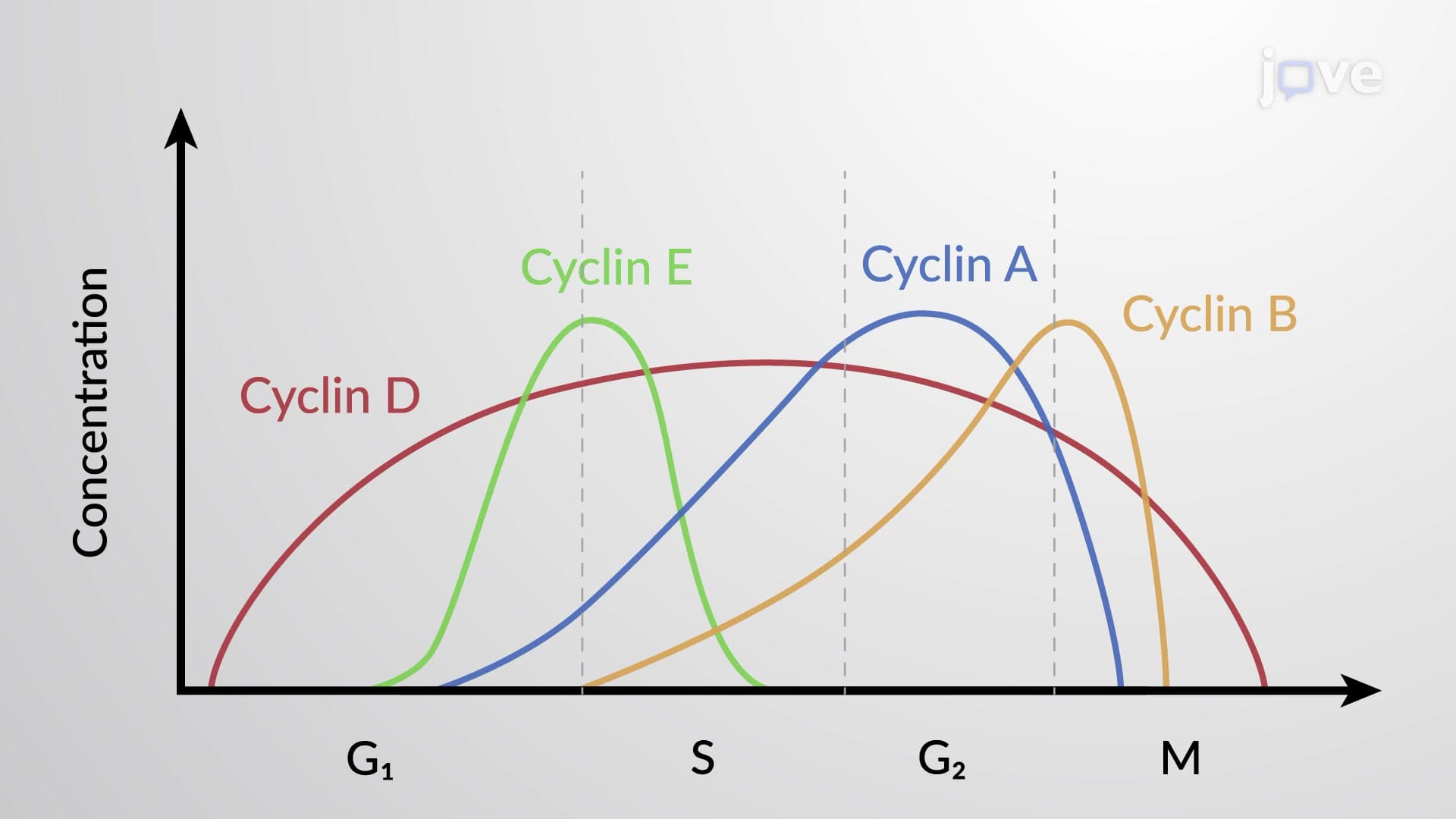
Students preparing for the AP Biology exam should understand that this system demonstrates both specificity and temporal control. Each cyclin type (G1, G1/S, S, or M phase cyclins) appears and disappears at precise times, ensuring that cellular events occur in the correct sequence. For instance, attempting DNA replication during G1 phase would be catastrophic, so cyclin E only accumulates when the cell is ready for S phase.
Phase-Specific Regulation: Timing is Everything
During G1 phase, cyclin D partners with Cdk4 and Cdk6 to assess whether conditions favor cell division. This checkpoint is particularly important in cancer research-many oncology studies at institutions like MD Anderson Cancer Center focus on how cyclin D dysregulation contributes to tumor formation.
The G1-to-S transition represents a critical commitment point where cells irreversibly enter the division process. Here, cyclin E accumulates and forms complexes with Cdk2, working alongside cyclin D-Cdk4/6 to trigger DNA synthesis initiation. This concept frequently appears on MCAT Cell Biology sections, where students must identify which cyclin-Cdk pairs drive specific transitions.
Complete Activation: The CAK Connection
The final piece of this regulatory puzzle involves Cdk activating kinase (CAK). Even when cyclins bind to Cdks, the complex remains only partially active until CAK phosphorylates a specific amino acid near the Cdk active site. This phosphorylation event causes conformational changes that fully activate the complex, enabling it to phosphorylate target proteins and advance the cell cycle. This multi-step activation process ensures tight control over cell division-a safeguard that prevents uncontrolled proliferation.
Frequently Asked Questions
Positive regulator molecules are cellular proteins that promote and drive cell division forward through the cell cycle. They consist primarily of cyclins and cyclin-dependent kinases (Cdks) that work together like molecular switches to ensure cells divide at the right time and under appropriate conditions.
While positive regulators accelerate cell cycle progression, negative regulators act as brakes to halt division when problems are detected. Positive regulators include cyclins and Cdks that promote phase transitions, whereas negative regulators include proteins like p53 and Rb that can stop the cycle to prevent damaged cells from dividing.
This topic directly relates to AP Bio Unit 5 (Cell Communication and Cell Cycle) where students analyze cell cycle control mechanisms. You'll encounter questions about cyclin-Cdk complexes, checkpoint regulation, and how these molecules prevent cancer by controlling cell division timing and frequency.
The MCAT Biological and Biochemical Foundations section frequently tests cyclin-Cdk regulation, particularly in passages about cancer biology, cell signaling, and developmental processes. Understanding how these molecules control G1/S and G2/M transitions is essential for high-scoring responses.
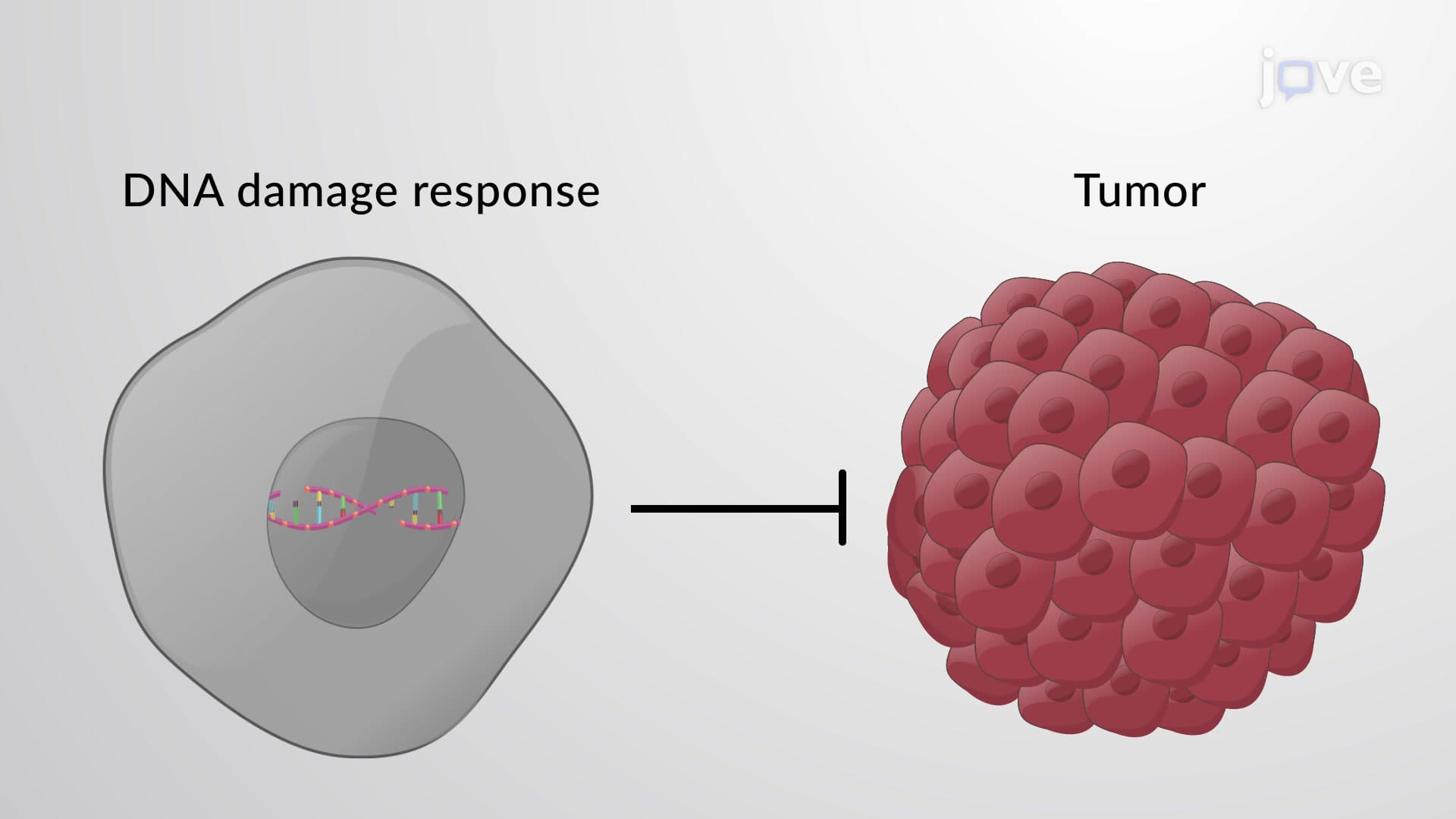
Many cancer drugs target cyclin-Cdk complexes to halt tumor cell division. For example, CDK4/6 inhibitors like palbociclib (used in breast cancer treatment) block cyclin D-Cdk4/6 complexes, preventing cancer cells from progressing through G1 phase and reducing tumor growth rates.
Not at all! While these molecules involve protein interactions, the concepts focus on biological function rather than complex chemistry. Understanding basic protein structure and enzyme activity (typically covered in introductory biology) provides sufficient background for mastering positive regulator mechanisms.
Create a timeline connecting each cyclin to its cell cycle phase and biological outcome. For example: "Cyclin D + Cdk4/6 = G1 progression," "Cyclin E + Cdk2 = S phase entry," "Cyclin A + Cdk2 = DNA replication," and "Cyclin B + Cdk1 = Mitosis start." Practice drawing this sequence repeatedly.
Consider studying negative cell cycle regulators (p53, Rb pathways), apoptosis mechanisms, and how cell cycle dysregulation contributes to cancer development. These topics build naturally on positive regulator knowledge and appear frequently in upper-level biology courses and medical school curricula.
Related Micro-courses


