Loading subject page…

- Molecular Biology
- Cell Signaling Pathways
- What is Cell Signaling?
Micro-course: Cell Signaling Pathways
112,226 views
Learn key concepts and earn your certificate.
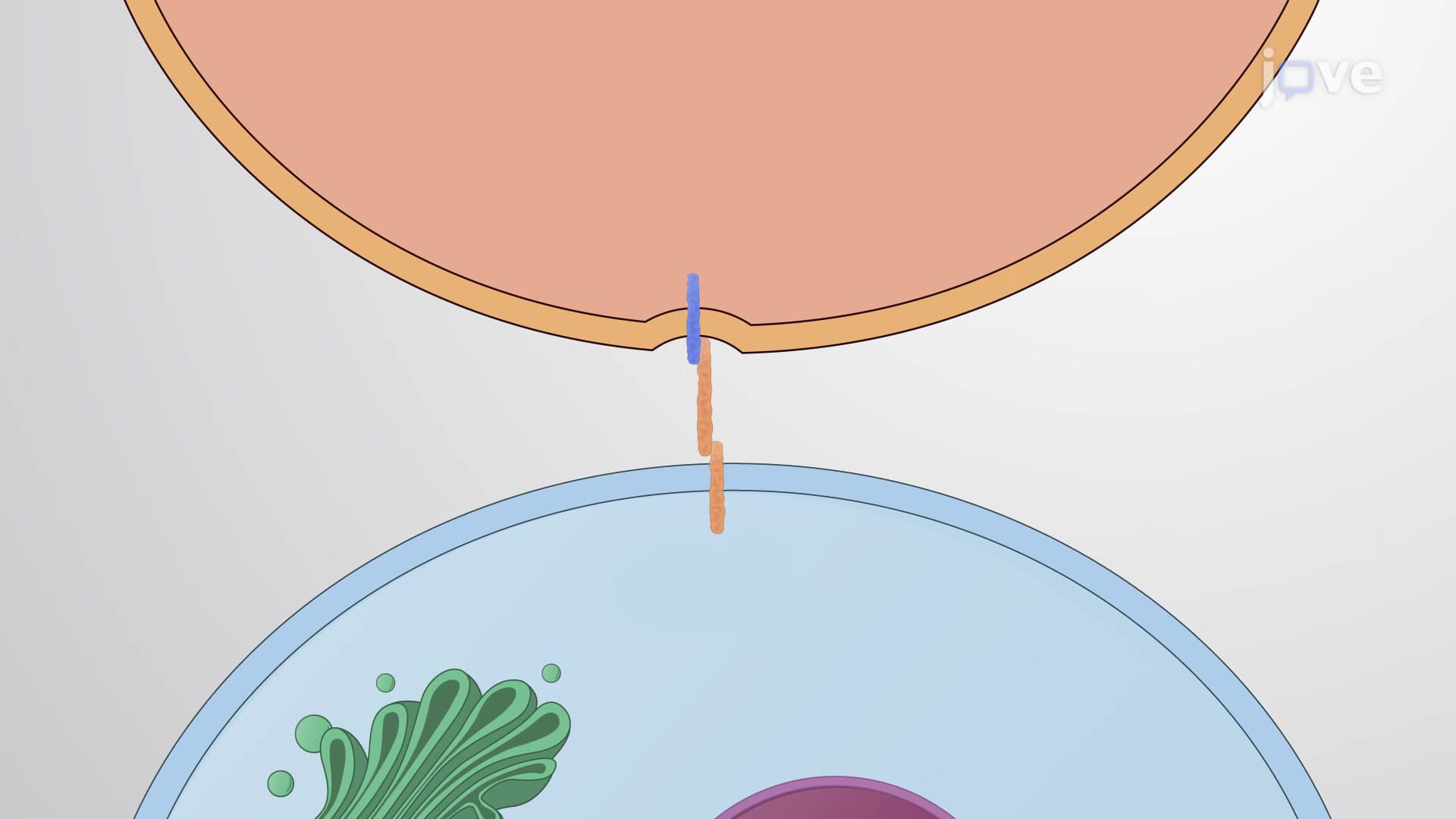

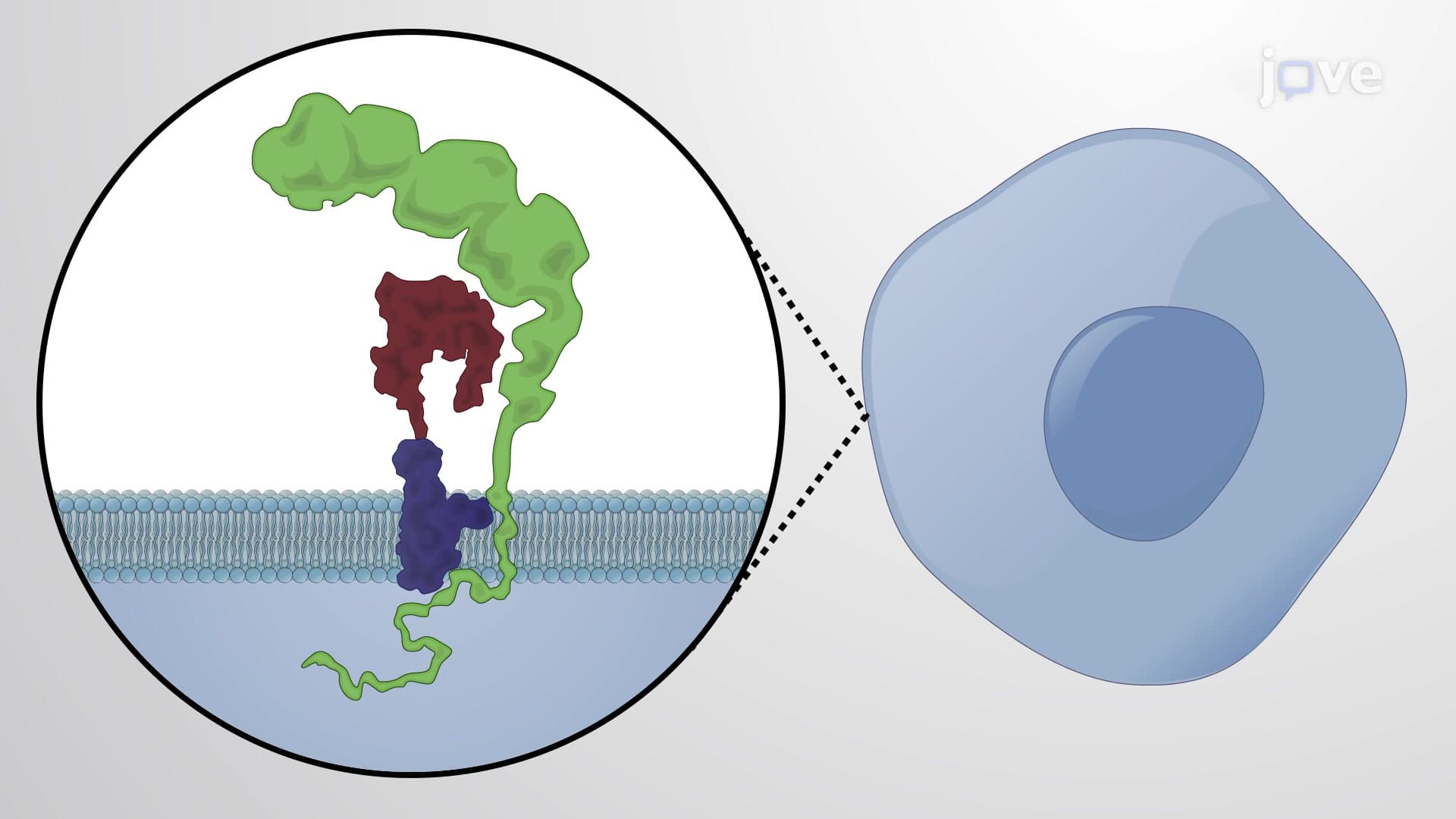
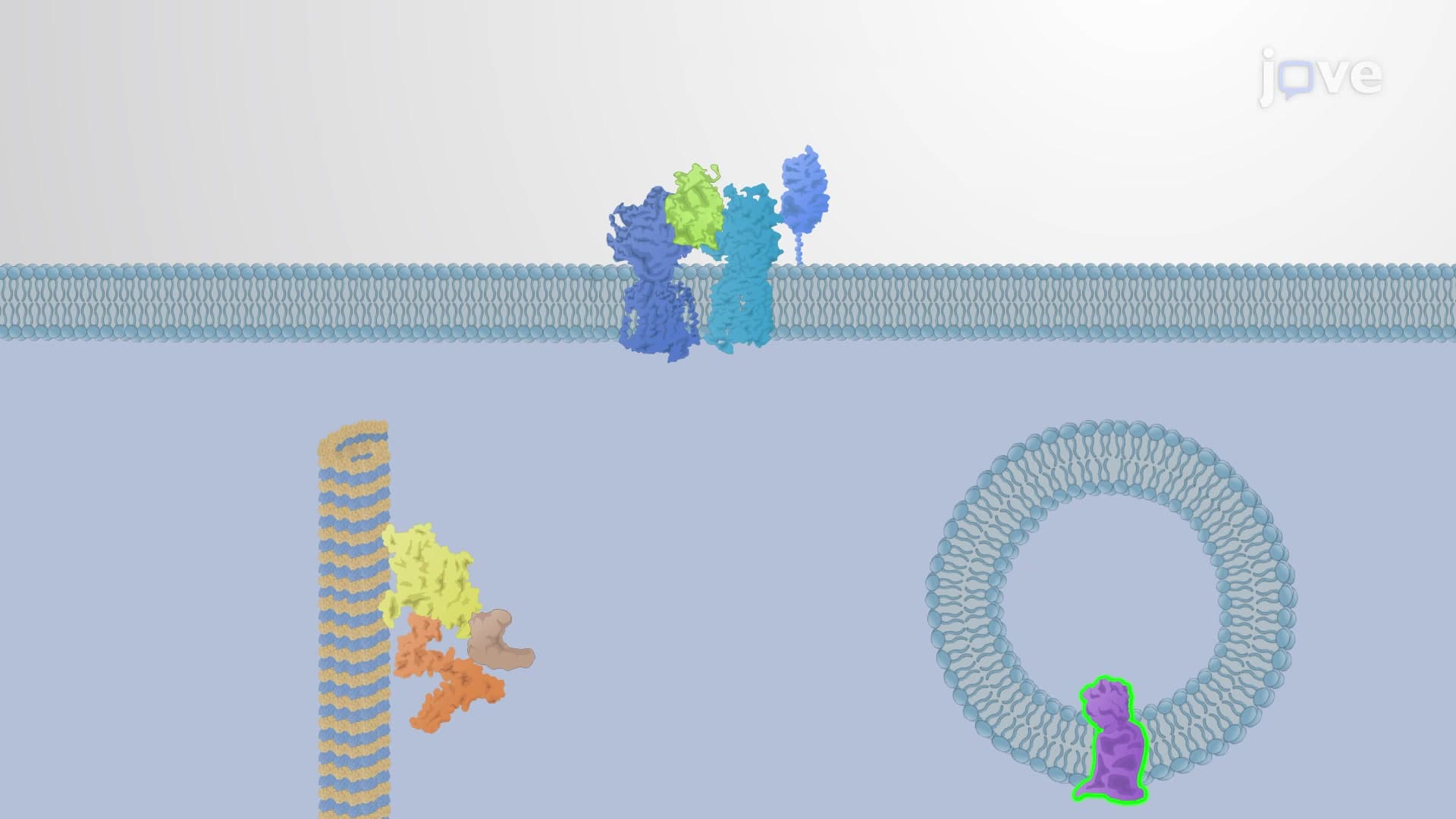
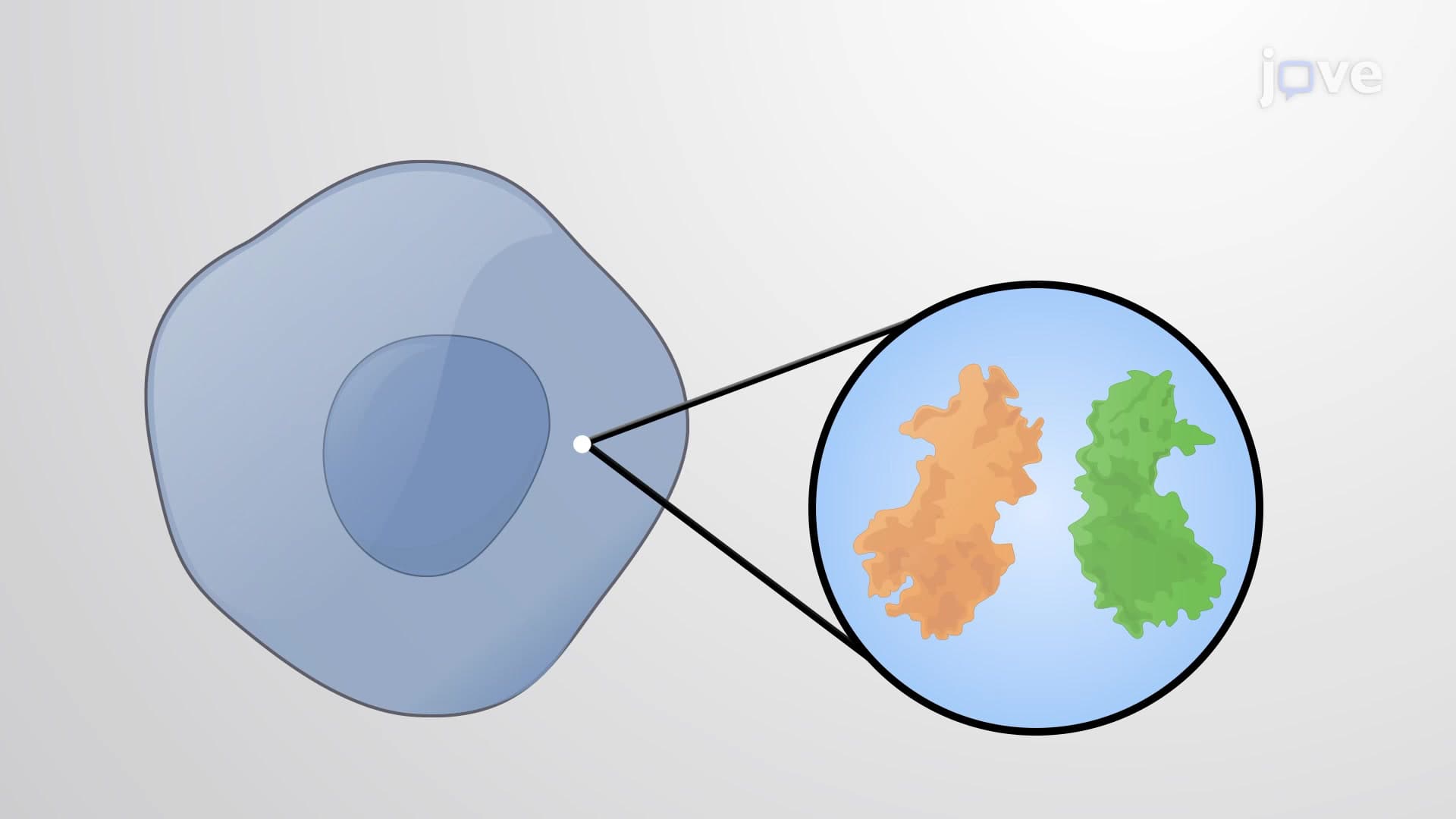

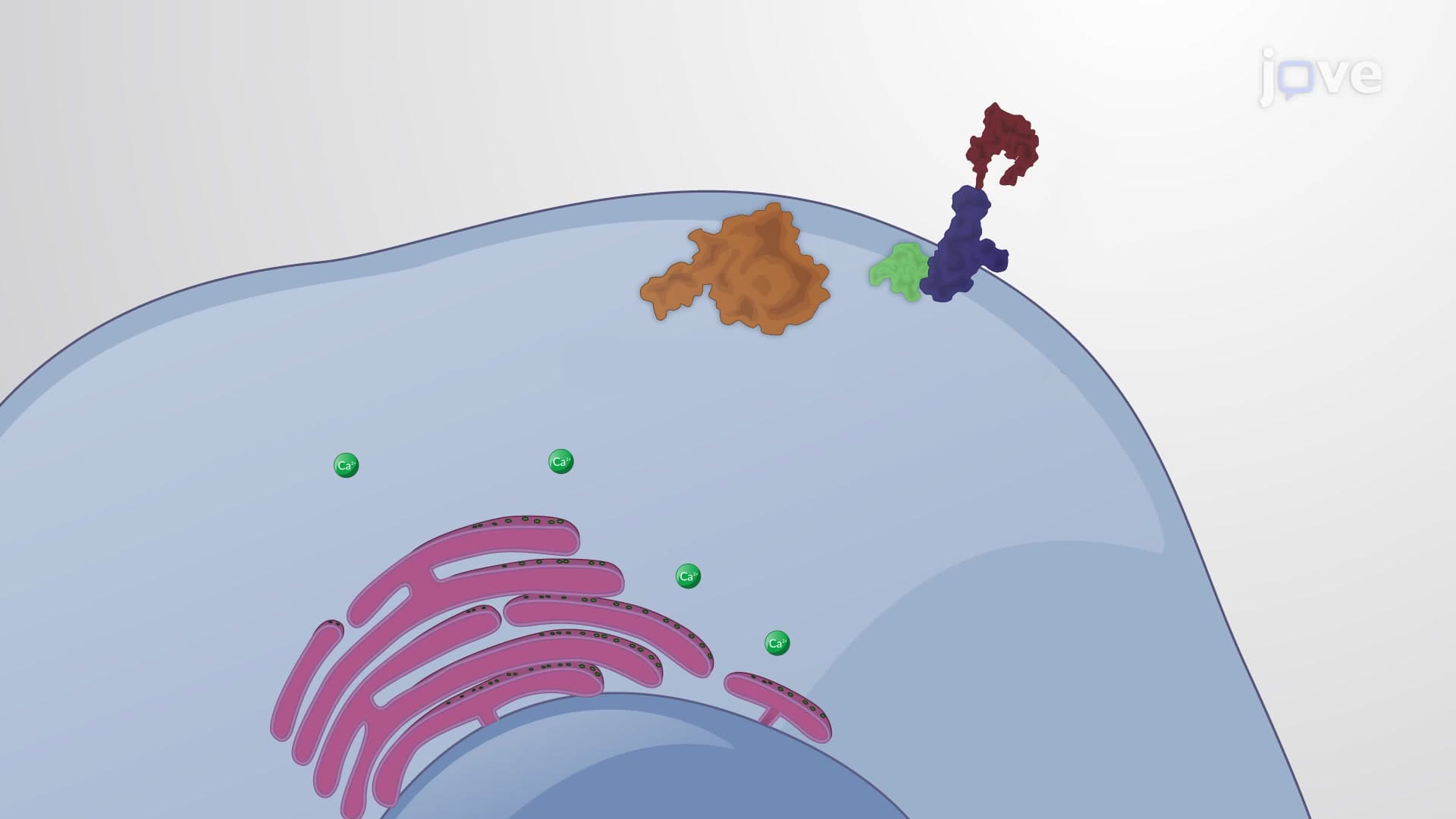
What is Cell Signaling?


00:00
02:03
Video Summary: Cell Signaling Definition
Every second, your insulin responds to blood sugar changes through cell signaling, the same molecular conversation that helps cancer treatments target specific tumors. Cell signaling biology explained reveals how cells communicate through chemical messages, enabling everything from hormone responses in diabetic patients at the Mayo Clinic to immune system activation. This cell signaling definition covers signal reception, transduction, and cellular responses that coordinate life processes. Watch the full video on JoVE Coach to master this concept with expert-led visuals and step-by-step explanations.
- Understand the cell signaling definition as a complex communication system governing cellular activities and coordinating responses to environmental stimuli
- Identify the three main stages of cell signaling: signal reception, signal transduction, and cellular response
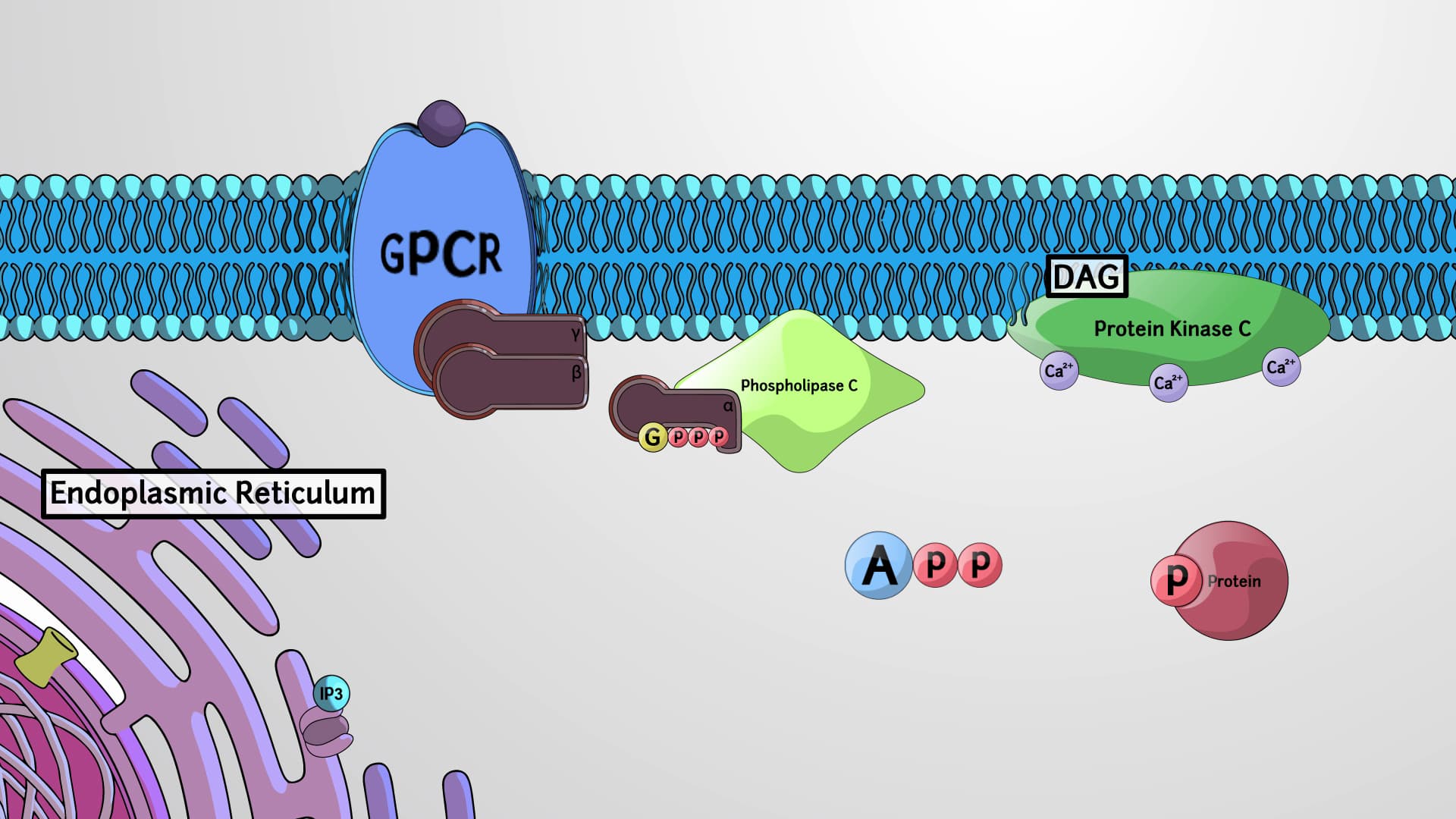
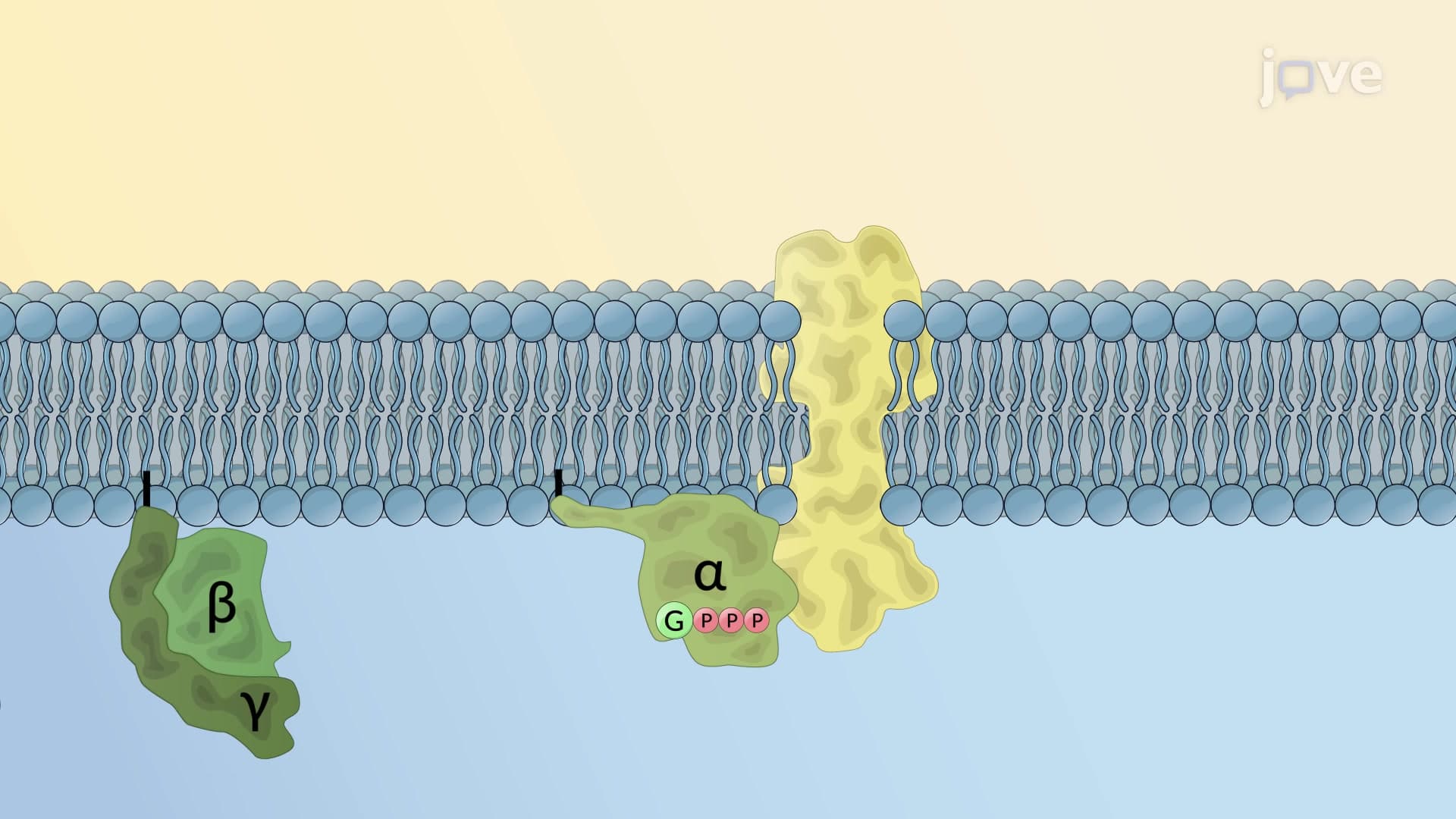
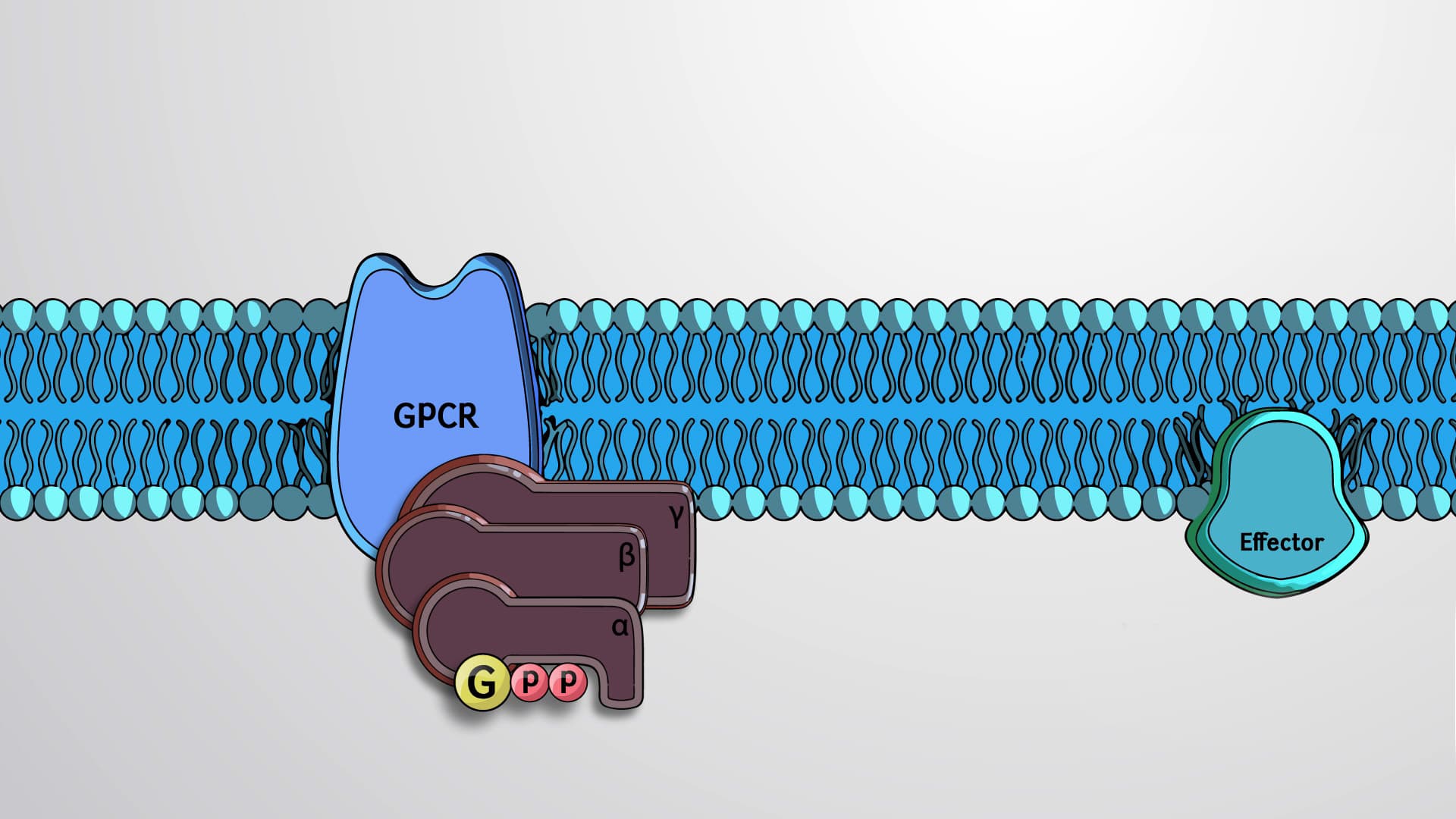
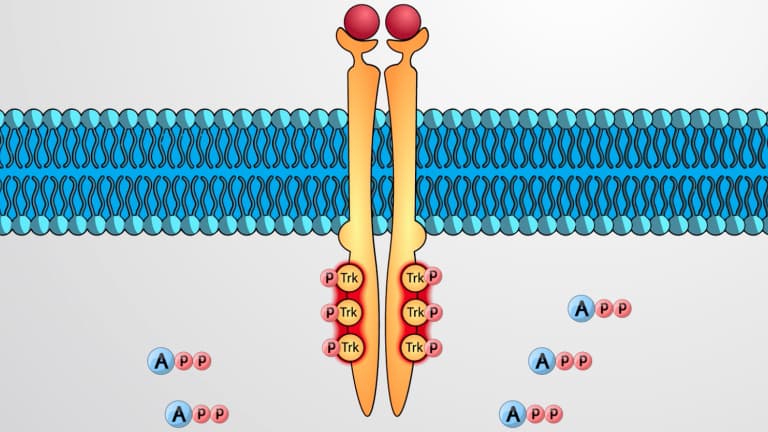
- Analyze how different receptor types (G-protein coupled receptors, receptor tyrosine kinases) initiate specific signaling cascades
- Compare signal amplification mechanisms that allow single molecules to trigger large-scale cellular responses
- Evaluate the role of second messengers like cAMP and calcium ions in transmitting signals within cells
- Apply knowledge of feedback mechanisms to explain how cells maintain homeostasis and prevent overstimulation
- Recognize the medical significance of signaling pathways in developing treatments for cancer, diabetes, and neurological disorders
- Explore how disrupted cell signaling contributes to disease states and therapeutic intervention strategies
Cell Signaling Definition: The Molecular Language of Life
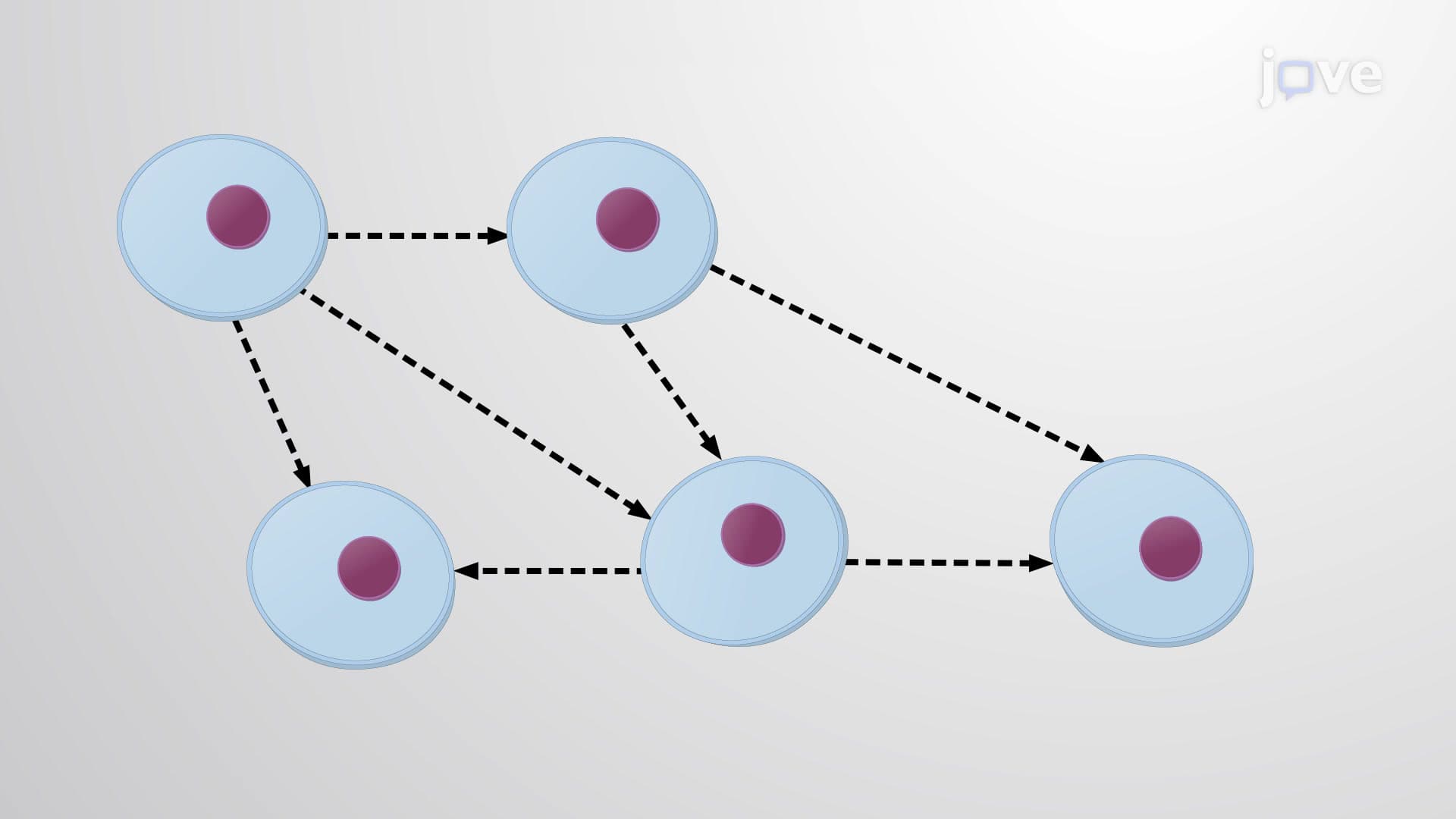
Cell signaling represents one of biology's most elegant systems, a sophisticated network where cells communicate through chemical messages to coordinate complex biological processes. Think of it as cellular text messaging, where hormones, growth factors, and neurotransmitters serve as molecular messengers carrying critical information between cells.
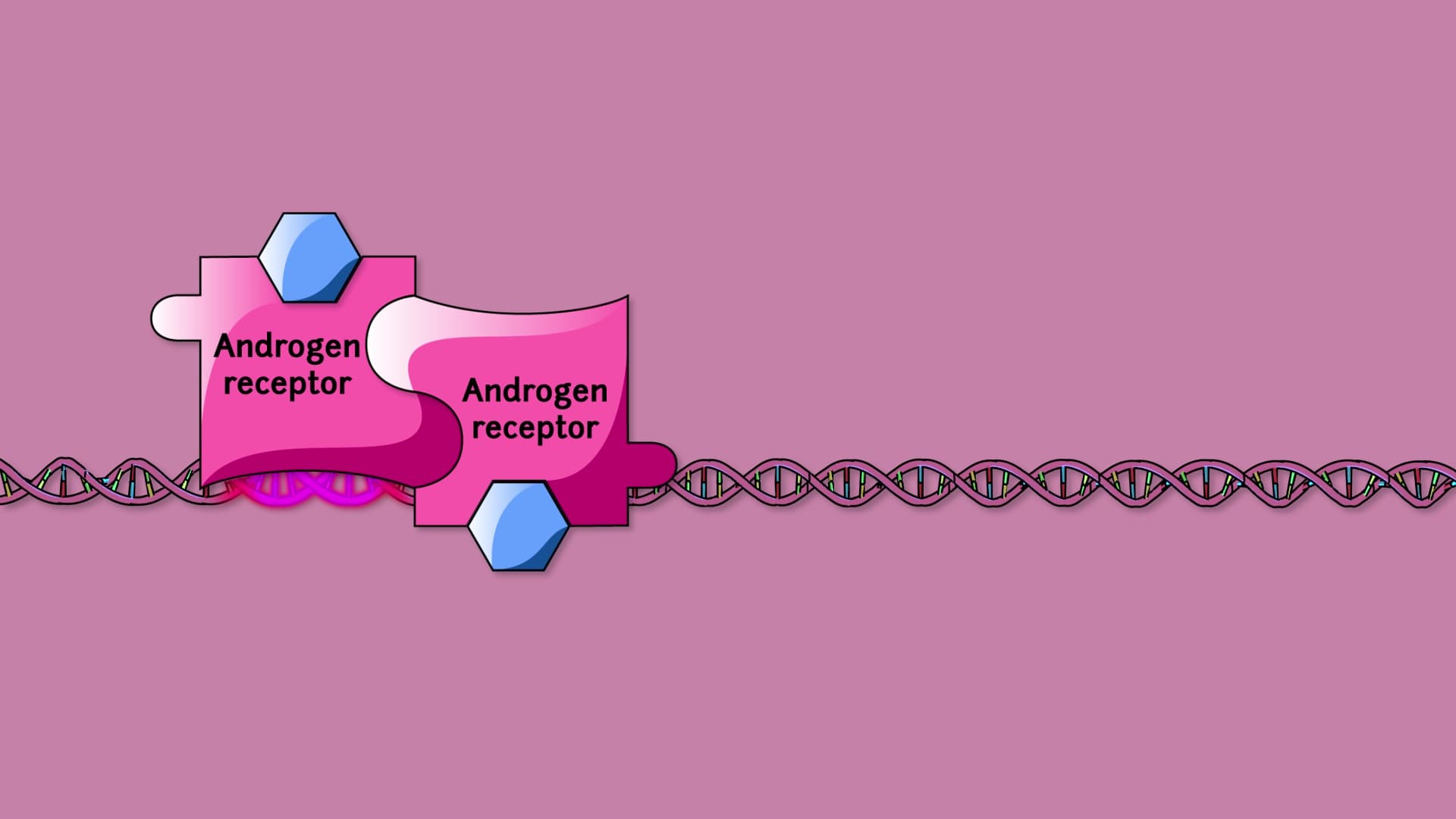
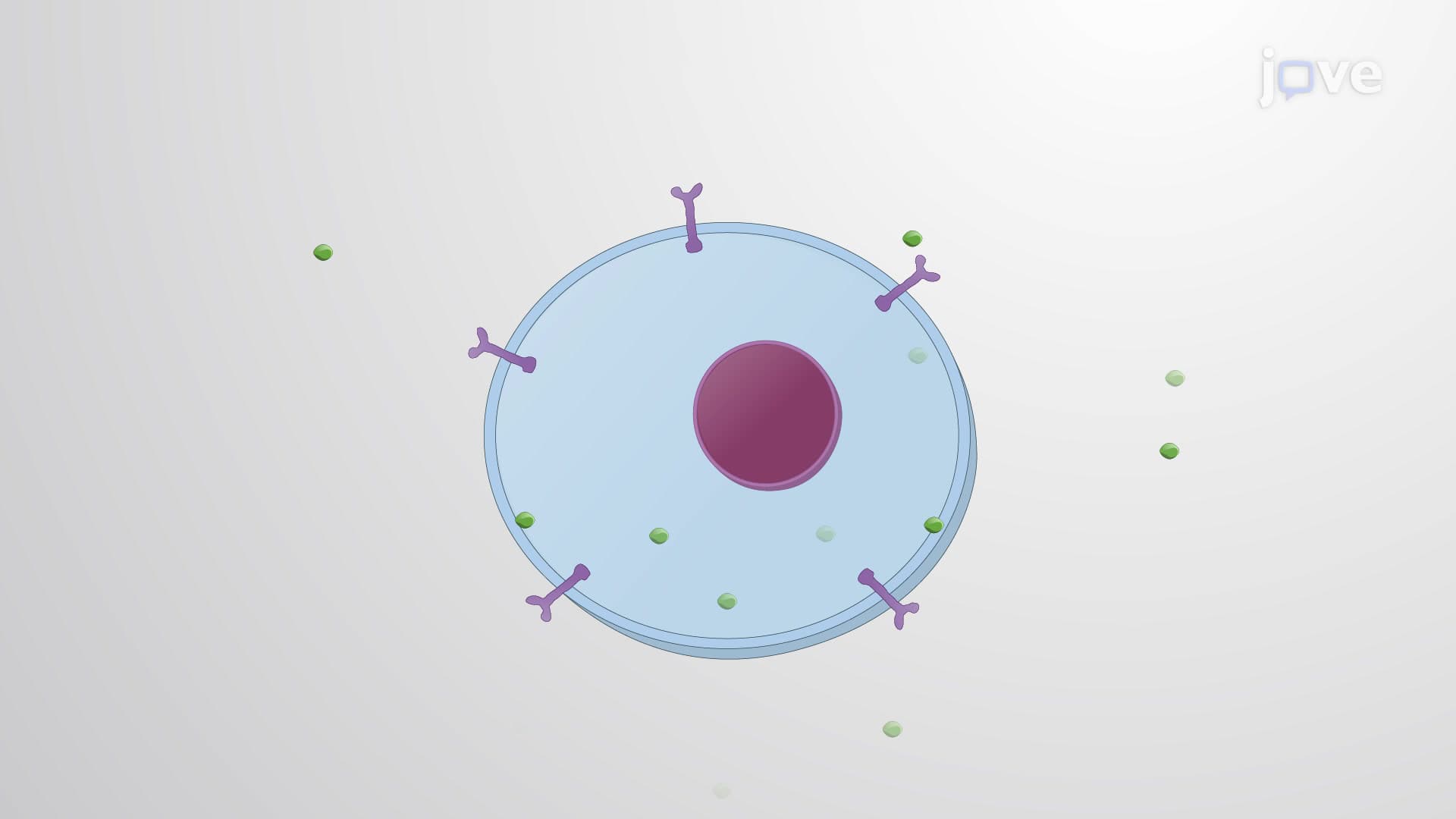
This communication system operates through three fundamental steps. First, signal reception occurs when signaling molecules bind to specific receptor proteins, much like insulin binding to insulin receptors in muscle cells of Type 1 diabetic patients receiving treatment at Johns Hopkins Hospital. Second, signal transduction transforms the initial signal into a form the cell can interpret, often involving cascades of protein modifications that amplify the original message. Finally, cellular response represents the ultimate outcome, changes in gene expression, enzyme activity, or cell behavior.
Signal Reception and Receptor Types
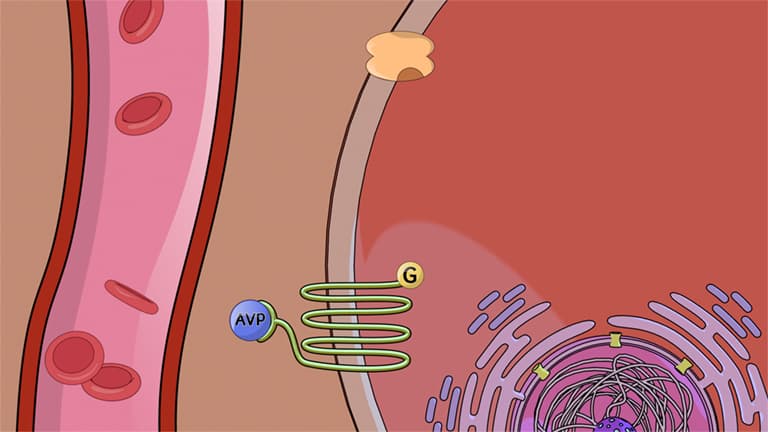
Understanding receptor diversity proves crucial for AP Biology students and pre-med students preparing for the MCAT. G-protein coupled receptors (GPCRs) represent the largest family, responding to everything from light in your retina to adrenaline during stress responses. These seven-transmembrane proteins trigger intracellular cascades when activated, explaining how epinephrine from your adrenal glands can simultaneously increase heart rate and blood glucose levels.
Receptor tyrosine kinases (RTKs) offer another critical category, particularly relevant for students studying cancer biology. When growth factors bind these receptors, they trigger cell division pathways. Oncogenes often encode mutated versions of these receptors, leading to uncontrolled proliferation in cancers treated at institutions like MD Anderson Cancer Center.
Signal Amplification and Second Messengers
The beauty of cell signaling lies in amplification, one hormone molecule can trigger thousands of cellular responses. This occurs through second messenger systems, where molecules like cyclic adenosine monophosphate (cAMP) and calcium ions relay and amplify signals within cells. Consider how glucagon binding to liver cells triggers a cascade producing millions of glucose molecules, demonstrating the exponential amplification that makes hormonal control so efficient.
Clinical Applications and Disease Connections
Cell signaling knowledge directly impacts medical practice and pharmaceutical development. Understanding how insulin signaling fails in diabetes has led to innovative treatments, while identifying oncogenic signaling pathways has revolutionized cancer therapy through targeted drugs like Herceptin for breast cancer patients. For students planning healthcare careers, mastering these concepts provides the foundation for understanding drug mechanisms, disease pathogenesis, and therapeutic interventions commonly encountered on the USMLE and NCLEX examinations.
Frequently Asked Questions
Cell signaling is the complex communication system that allows cells to detect, process, and respond to environmental changes and coordinate their activities. It's essential because it enables multicellular organisms to function as unified systems, controlling everything from blood sugar regulation to immune responses. Without cell signaling, your body couldn't respond to insulin, fight infections, or coordinate tissue repair after injuries.
AP Biology frequently tests cell signaling through FRQs involving hormone pathways, feedback mechanisms, and signal transduction cascades. Students typically analyze scenarios like insulin/glucagon regulation, plant hormone responses, or cancer-related signaling disruptions. The exam emphasizes understanding molecular mechanisms, predicting outcomes when pathways are disrupted, and connecting signaling to broader biological processes like homeostasis and gene regulation.
MCAT success requires mastering G-protein coupled receptors, receptor tyrosine kinases, second messenger systems (cAMP, IP3/DAG, calcium), and feedback loops. Focus on connecting signaling pathways to physiology, like how epinephrine signaling affects metabolism and cardiovascular function. Understanding cancer-related signaling defects and drug mechanisms targeting specific pathways frequently appears in biological sciences passages.
In Type 1 diabetes, autoimmune destruction of pancreatic beta cells eliminates insulin production, breaking the signaling pathway that allows cells to uptake glucose. Type 2 diabetes involves insulin resistance, where target cells become less responsive to insulin signals despite adequate hormone levels. Both conditions demonstrate how signaling pathway failures create disease states requiring therapeutic intervention to restore normal cellular communication.
Basic organic chemistry and biochemistry provide sufficient background for understanding cell signaling mechanisms. Focus on protein structure-function relationships, enzyme kinetics, and simple molecular interactions rather than complex synthetic pathways. Most high school and introductory college courses emphasize conceptual understanding over detailed chemical mechanisms, making cell signaling accessible to students with foundational science knowledge.
Create visual pathway maps showing signal molecule → receptor → intracellular cascade → cellular response for major pathways like insulin, growth factors, and neurotransmitters. Practice predicting outcomes when specific pathway components are blocked or overactive. Use clinical examples to connect molecular mechanisms to real-world applications, and focus on understanding principles rather than memorizing every detail.
Explore epigenetic regulation of gene expression, developmental signaling pathways (Wnt, Hedgehog, Notch), and pharmacology of signaling-targeted drugs. Cancer biology courses delve deeper into oncogenic signaling, while neuroscience programs emphasize synaptic signaling and neural plasticity. These advanced topics build directly on foundational cell signaling principles while preparing students for specialized healthcare or research careers.
Related Micro-courses

17 Concepts
19 Concepts

11 Concepts