Loading subject page…

- Molecular Biology
- Cell Signaling Pathways
- NF-κB-dependent Signaling Pathway
Micro-course: Cell Signaling Pathways
112,226 views
Learn key concepts and earn your certificate.



NF-κB-dependent Signaling Pathway

00:00
02:26
Video Summary: Nf B Dependent Signaling Pathway Explained
Did you know that your immune system relies on a molecular "security guard" that can activate hundreds of genes in response to threats? The NF-κB dependent signaling pathway acts as this cellular guardian, controlling everything from fighting infections to regulating inflammation. When patients at Johns Hopkins receive treatment for autoimmune diseases like rheumatoid arthritis, doctors often target this very pathway. Watch the full video on JoVE Coach to master this concept with expert-led visuals and step-by-step explanations.
- Understand the NF-κB Dependent Signaling Pathway Explained as a master regulator of immune responses and inflammation
- Identify the key components including NF-κB transcription factors, IκB inhibitory proteins, and IκB kinase complex
- Analyze how ligand-receptor binding triggers the phosphorylation and degradation of IκB proteins
- Compare the inactive state (NF-κB bound to IκB) versus the active state (free NF-κB in nucleus)
- Evaluate the negative feedback loop mechanism involving IκB protein synthesis
- Apply knowledge of pathway dysregulation to understand cancer and inflammatory disease development
- Recognize specific triggers like TNF-α, interleukin-1, and pathogen-associated molecular patterns
- Explore the connection between this pathway and clinical conditions such as asthma, arthritis, and various cancers
Understanding the NF-κB Dependent Signaling Pathway Structure
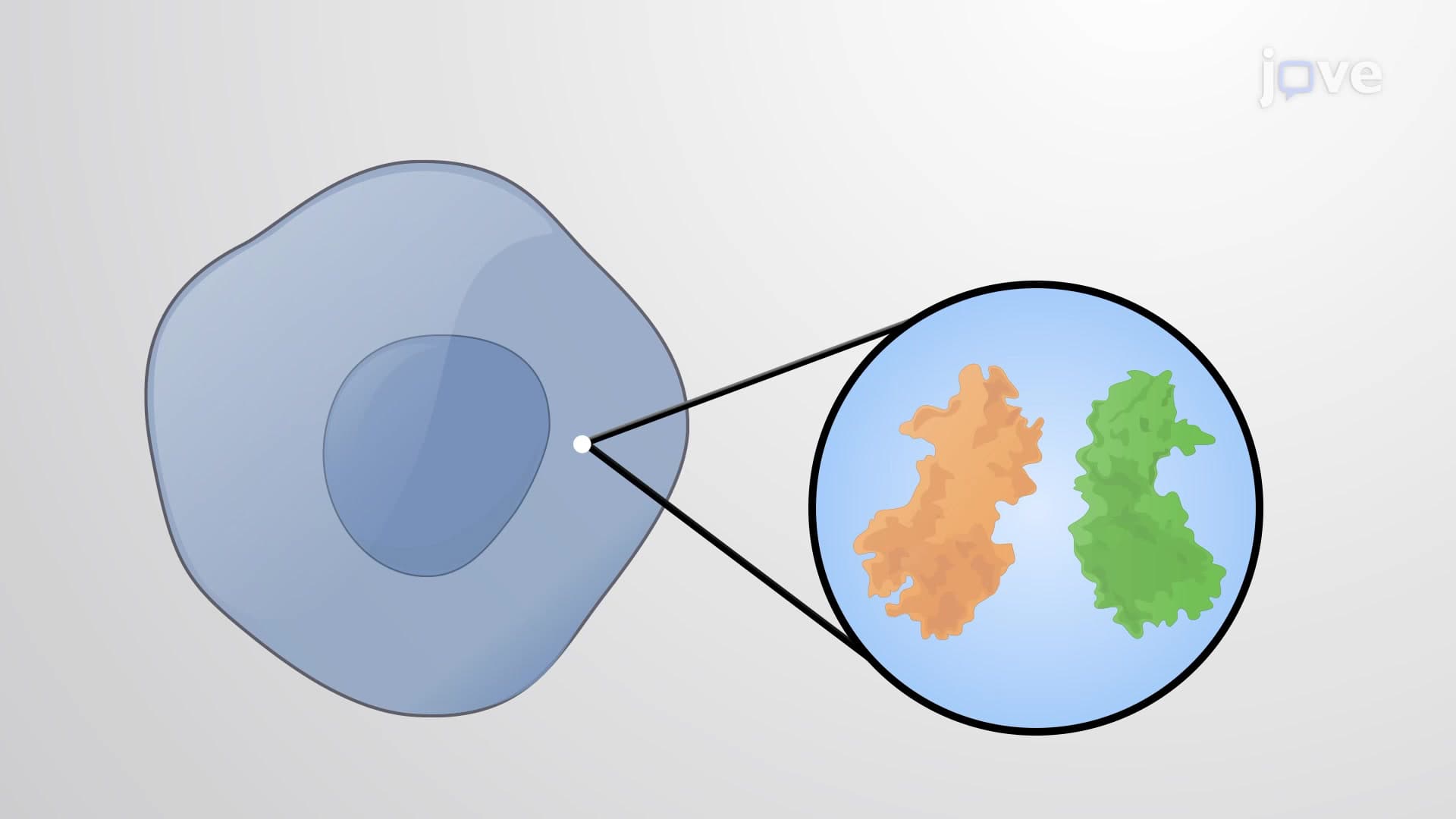
The NF-κB dependent signaling pathway represents one of biology's most sophisticated cellular communication systems. At its core lies the NF-κB protein complex, a heterodimeric transcription factor that remains inactive in healthy cells through its association with inhibitory IκB proteins. This inactive complex resides in the cytoplasm, essentially "locked down" until the cell receives appropriate activation signals.
The pathway's elegance lies in its simplicity: when cells encounter threats or stress signals, a carefully orchestrated molecular cascade releases NF-κB from its inhibitory restraints, allowing it to migrate to the nucleus and activate gene transcription. This mechanism has been extensively studied at institutions like Harvard Medical School and Stanford University, where researchers have mapped its role in over 150 different genes.
Activation Mechanisms and Cellular Triggers
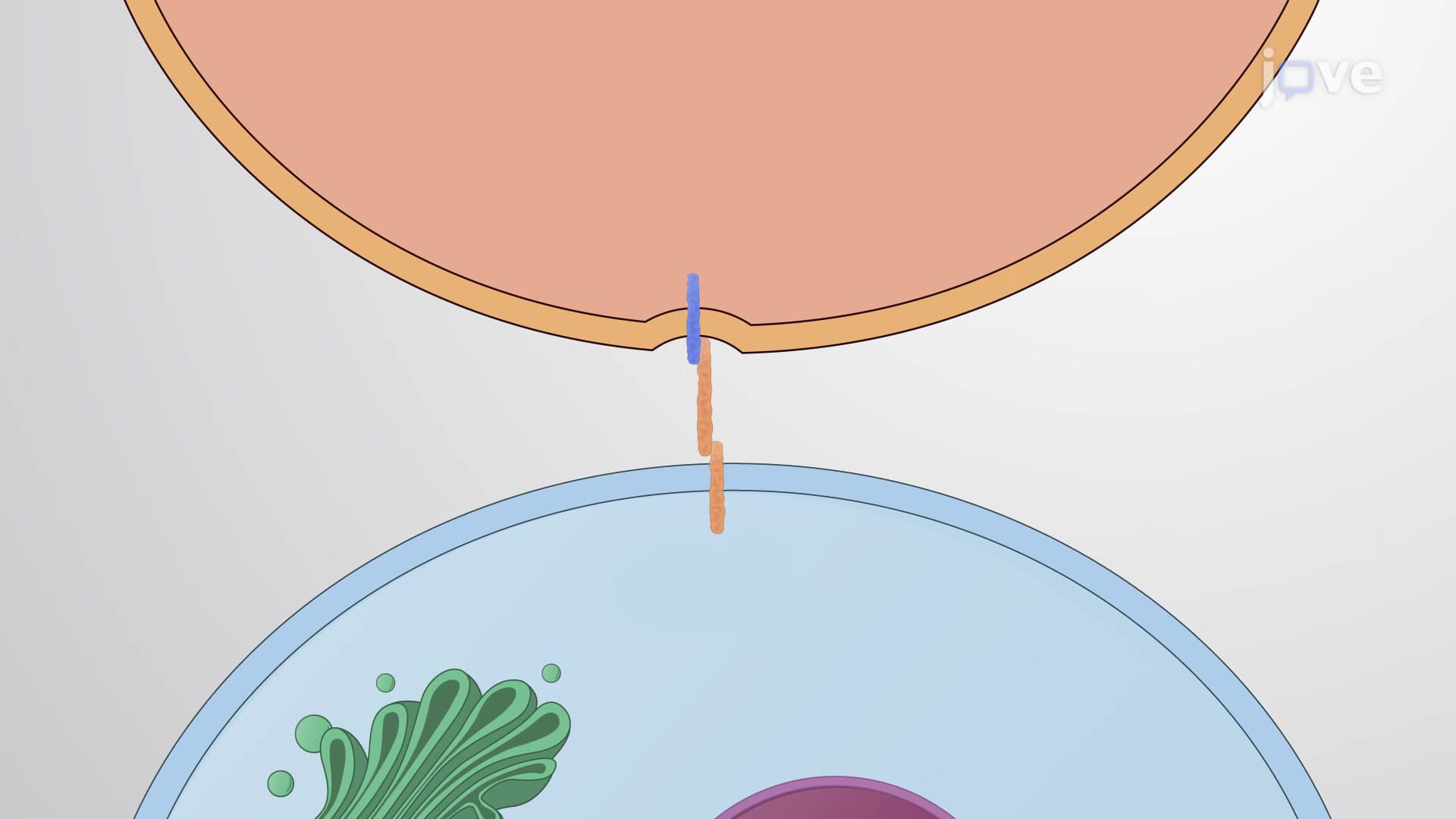
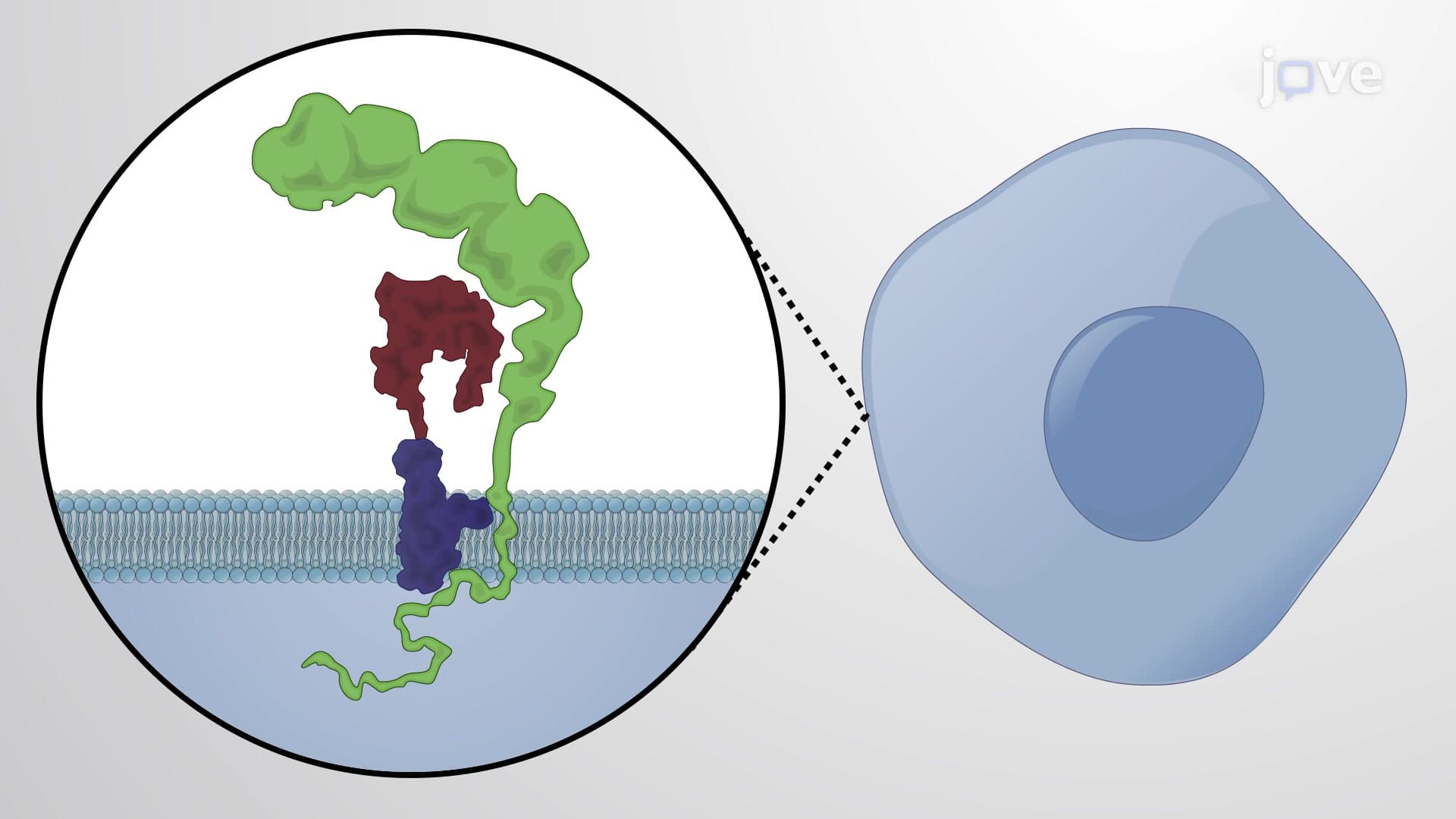
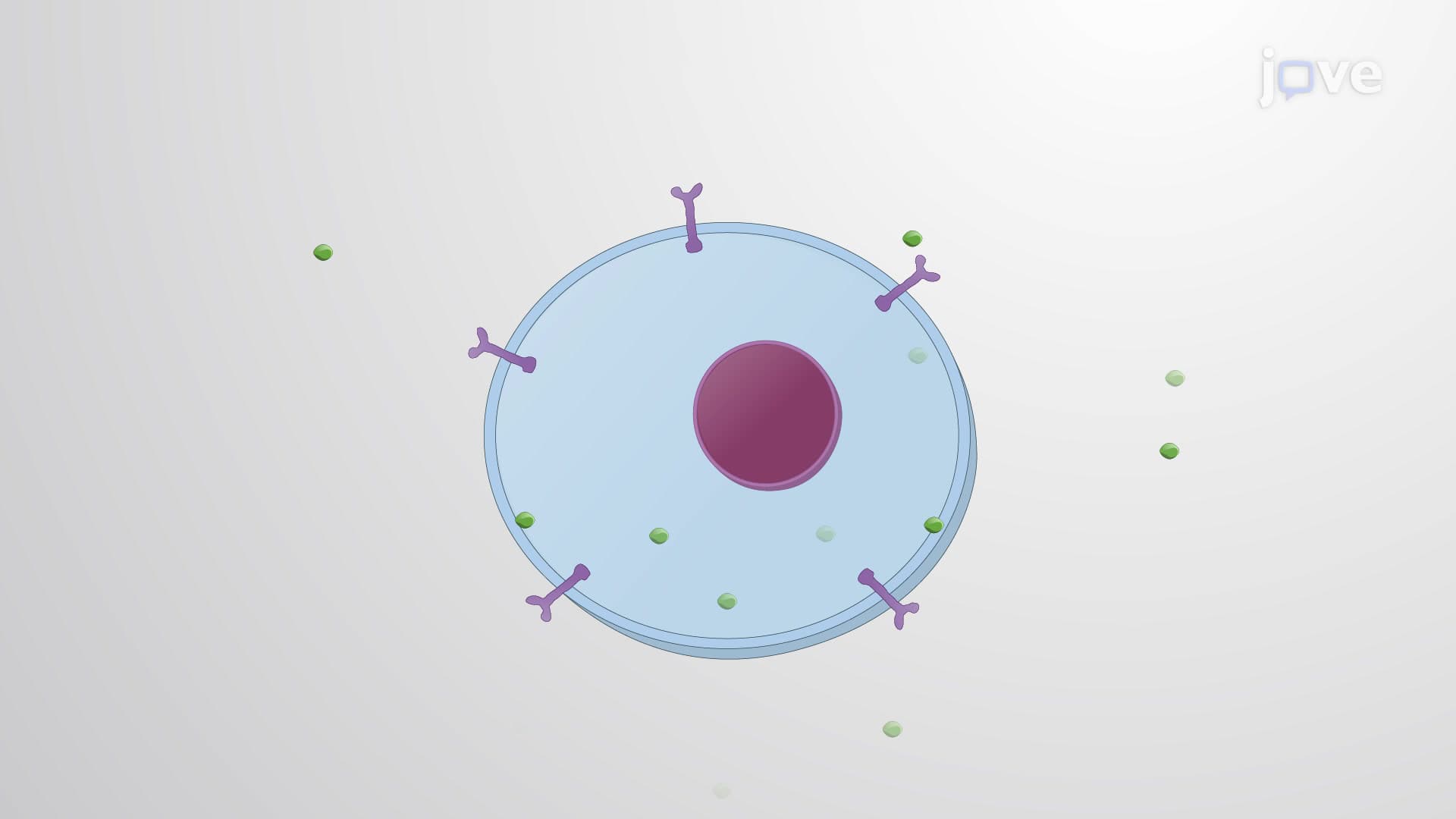
Pathway activation begins when specific ligands bind to their corresponding cell surface receptors. Three major trigger categories dominate: inflammatory cytokines (such as TNF-α binding to TNF receptors), pathogen recognition (through Toll-like receptors detecting bacterial components), and stress signals (including UV radiation or oxidative stress).
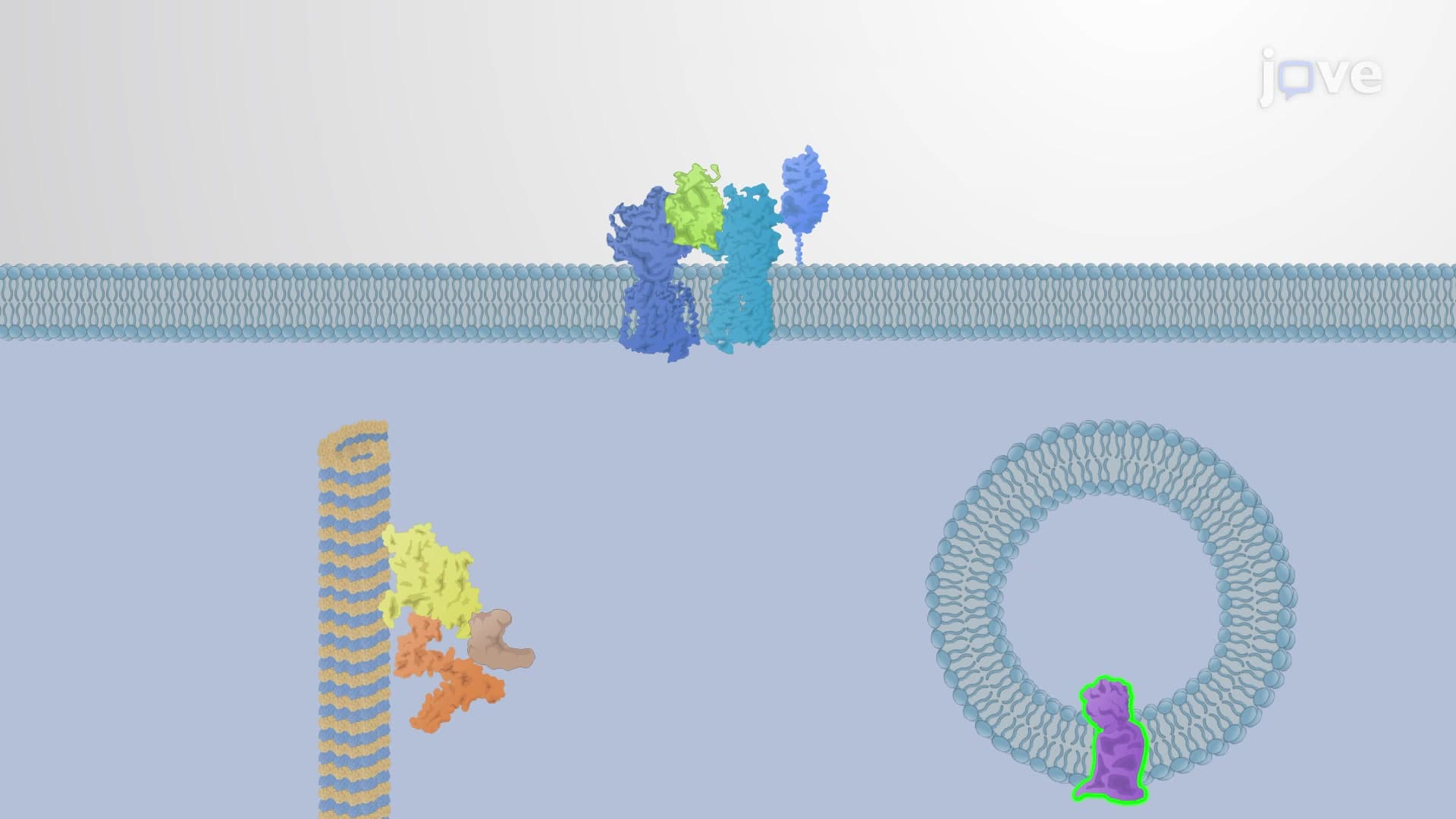
Once triggered, the IκB kinase (IKK) complex becomes the pathway's central executor. This three-subunit complex (IKKα, IKKβ, and NEMO) phosphorylates IκB proteins at specific serine residues, marking them for ubiquitination and subsequent proteasomal degradation. Students preparing for the MCAT often focus on this phosphorylation-ubiquitination-degradation sequence, as it represents a classic example of post-translational protein regulation.
Nuclear Translocation and Gene Activation
Following IκB degradation, free NF-κB dimers rapidly translocate to the nucleus, where they bind to specific DNA sequences called κB sites in gene promoter regions. The speed of this process-often occurring within minutes of initial stimulation-makes it particularly important for immediate cellular responses to threats.
Target genes activated by NF-κB include inflammatory mediators, immune cell activation factors, and survival proteins. Notably, one crucial target gene encodes IκB itself, creating an elegant negative feedback loop that prevents excessive pathway activation. This autoregulatory mechanism is frequently tested on AP Biology exams and college biochemistry courses.
Clinical Significance and Disease Connections
Dysregulation of this pathway underlies numerous human diseases, making it a prime therapeutic target. At the Mayo Clinic and other leading medical centers, researchers have identified NF-κB overactivation in cancers including lymphomas, breast cancer, and colon cancer. Conversely, inflammatory diseases like rheumatoid arthritis and inflammatory bowel disease often involve chronic NF-κB activation, leading to persistent tissue damage and symptom progression.
Frequently Asked Questions
The NF-κB dependent signaling pathway is a cellular communication system that controls immune responses and inflammation by regulating gene expression. It's crucial because it acts as a master switch for hundreds of genes involved in cell survival, immune function, and stress responses. This pathway is essential for fighting infections but can cause disease when dysregulated.
MCAT questions often focus on the molecular mechanisms, particularly the phosphorylation cascade and protein-protein interactions. AP Biology exams typically test the pathway's role in immune responses and gene regulation. Students should understand the step-by-step activation process, feedback mechanisms, and connections to human disease for both exams.
Cell biology, molecular biology, immunology, and biochemistry courses extensively cover NF-κB signaling. It's particularly emphasized in advanced undergraduate courses and is a staple topic in medical school curricula. Many genetics courses also discuss its role in cancer development and therapeutic targeting.
In US hospitals, NF-κB dysregulation is linked to major health conditions including rheumatoid arthritis affecting 1.3 million Americans, asthma impacting 25 million people, and various cancers. Drug companies like Pfizer and Johnson & Johnson have developed medications targeting this pathway, including some TNF-α inhibitors used in arthritis treatment.
Not at all-the pathway follows logical cause-and-effect relationships that build on basic biology concepts. Students who understand protein structure, gene expression, and cellular organization can master this topic. Breaking it into discrete steps (signal → activation → nuclear entry → gene expression) makes it very manageable for grades 9-12.
Create a visual flowchart showing the pathway from stimulus to gene activation, then practice drawing it from memory. Focus on the three key transitions: inactive complex → kinase activation → IκB degradation → nuclear translocation. Use mnemonics for the protein names and always connect each step to its biological purpose.
Explore other major signaling pathways like p53 (tumor suppression), Wnt (development), and MAPK (cell growth) to understand how cells integrate multiple signals. Cancer biology and immunology courses provide excellent contexts for applying NF-κB knowledge to complex physiological systems.
Scientists use techniques like immunofluorescence microscopy to track NF-κB nuclear translocation, Western blotting to measure protein levels, and gene expression assays to monitor target gene activation. Many undergraduate research programs at universities like UC Berkeley and MIT offer hands-on experience with these methods.
Related Micro-courses

17 Concepts
19 Concepts

11 Concepts