Loading subject page…

- Molecular Biology
- Cell Signaling Pathways
- Non-Canonical Wnt Signaling Pathways
Micro-course: Cell Signaling Pathways
112,227 views
Learn key concepts and earn your certificate.



Non-Canonical Wnt Signaling Pathways

00:00
01:41
Video Summary: Non Canonical Wnt Signaling Pathways Explained
Did you know that disrupted calcium signaling during pregnancy can cause congenital heart defects in 1 out of every 100 US births? Non canonical wnt signaling pathways control critical cellular processes like calcium release and cell movement, operating independently of the well-known beta-catenin pathway. These pathways guide everything from embryonic heart development to tissue repair in adults. Watch the full video on JoVE Coach to master this concept with expert-led visuals and step-by-step explanations.
- Understand the fundamental mechanisms of non canonical wnt signaling pathways and how they differ from canonical Wnt signaling
- Identify the two main types of non-canonical pathways: planar cell polarity and Wnt-calcium signaling
- Analyze the role of Frizzled receptors and disheveled proteins in initiating non-canonical Wnt responses
- Compare the downstream effectors in each pathway, including Rho/Rac GTPases and phospholipase C
- Evaluate the biological significance of calcium homeostasis in cellular function and development
- Apply knowledge of these pathways to understand embryonic development and tissue patterning
- Recognize the clinical implications of pathway disruption in human disease
- Explore the molecular interactions that coordinate cell polarity and migration during development
Understanding Non Canonical Wnt Signaling Pathways
Non canonical wnt signaling pathways represent two distinct cellular communication systems that operate without relying on beta-catenin stabilization, unlike their canonical counterpart. These pathways are essential for proper embryonic development and adult tissue maintenance, making them frequent topics on the MCAT and in undergraduate cell biology courses. Understanding these mechanisms helps explain how cells coordinate complex behaviors like migration and calcium signaling.
The Planar Cell Polarity Pathway: Coordinating Cellular Organization
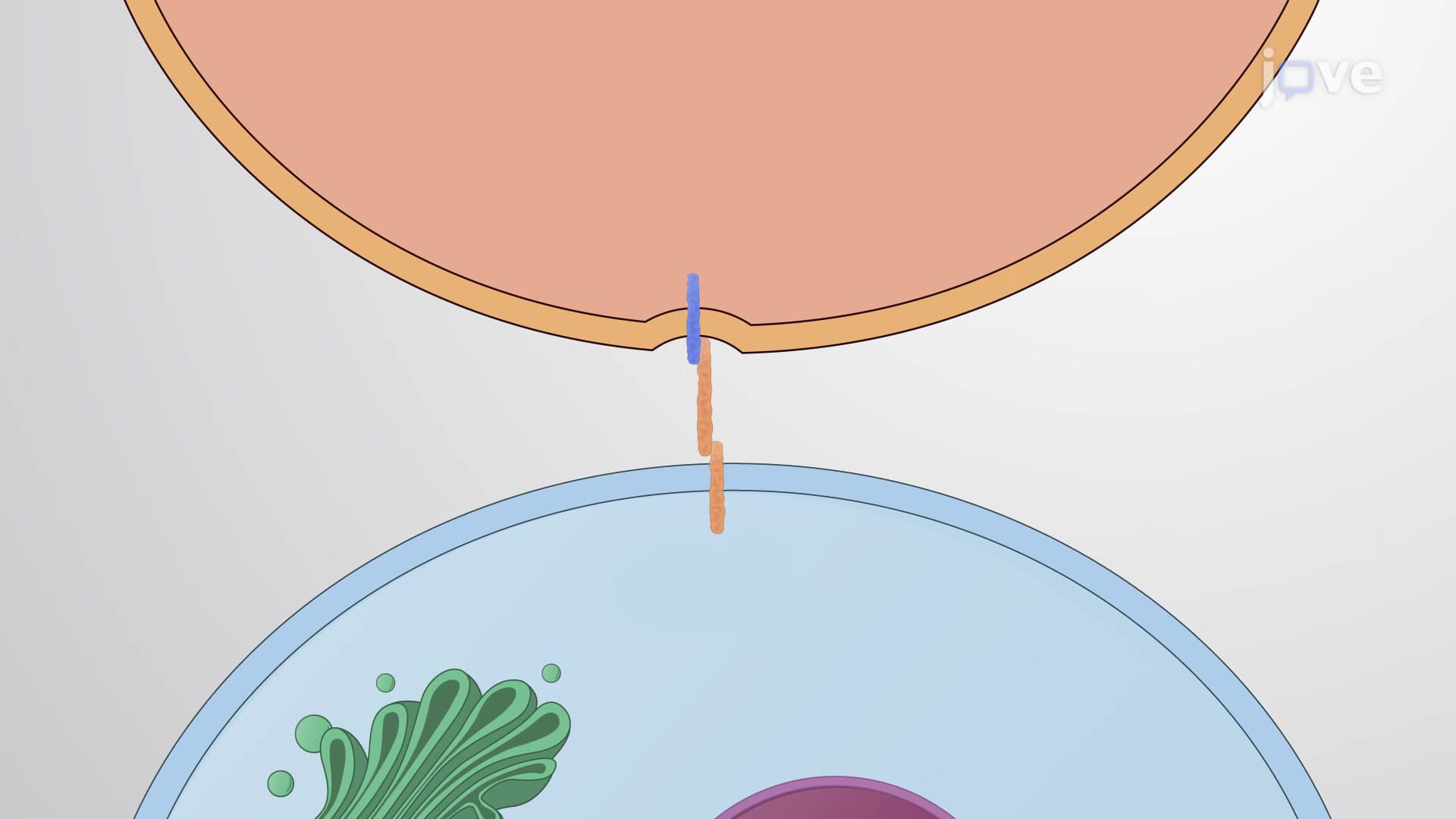
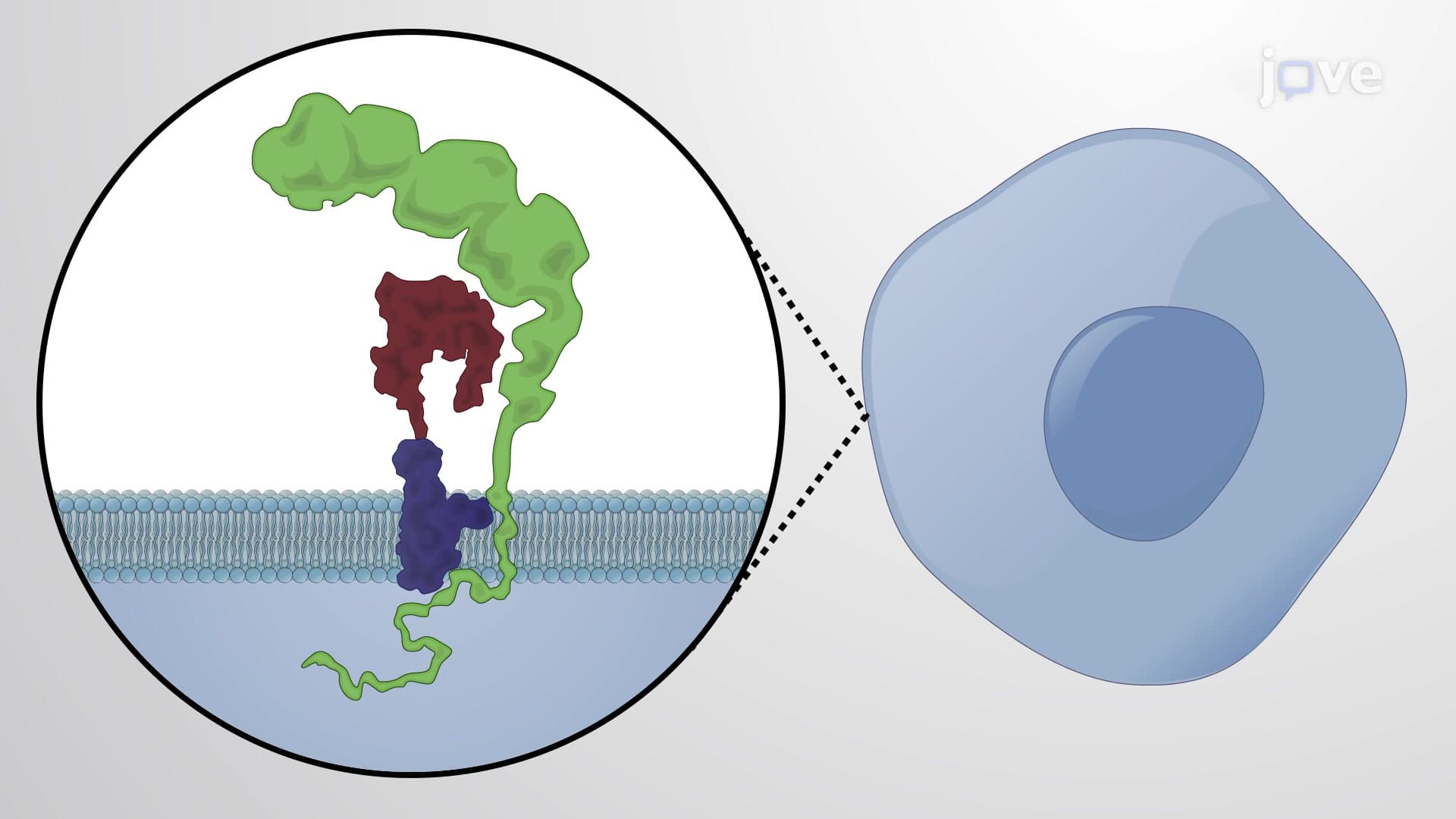
The planar cell polarity (PCP) pathway orchestrates how cells align and move within tissues. When Wnt proteins bind to Frizzled receptors, the resulting complex activates disheveled proteins, which then regulate Rho and Rac family GTPases. These molecular switches control actin cytoskeleton dynamics and activate JNK (c-Jun N-terminal kinase) signaling. This pathway is crucial during neural tube closure in human embryos-disruptions can lead to spina bifida, affecting approximately 1,500 pregnancies annually in the United States. Students preparing for AP Biology exams should remember that this pathway controls tissue patterning without gene transcription changes.
The Wnt-Calcium Pathway: Regulating Intracellular Signaling
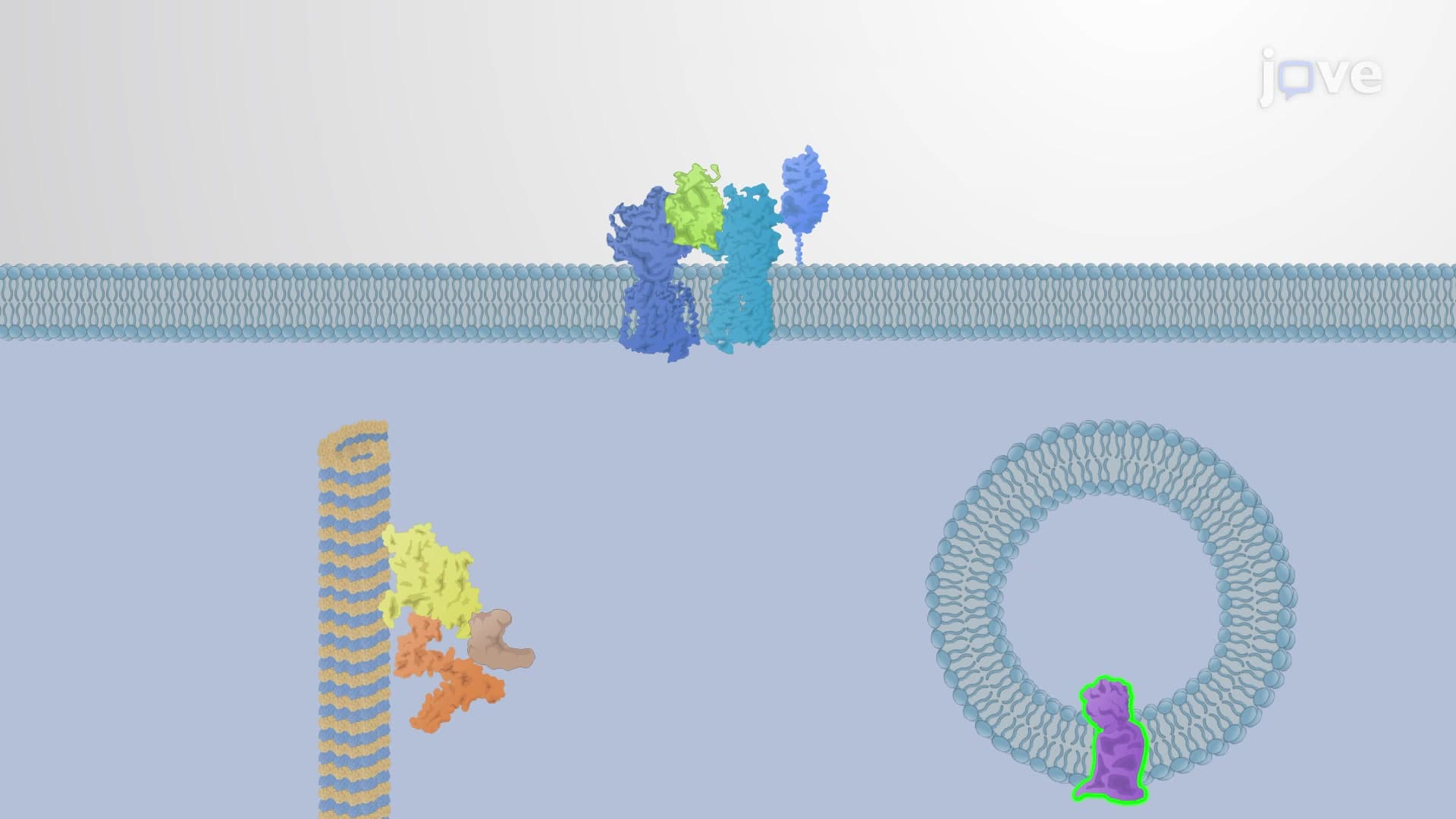
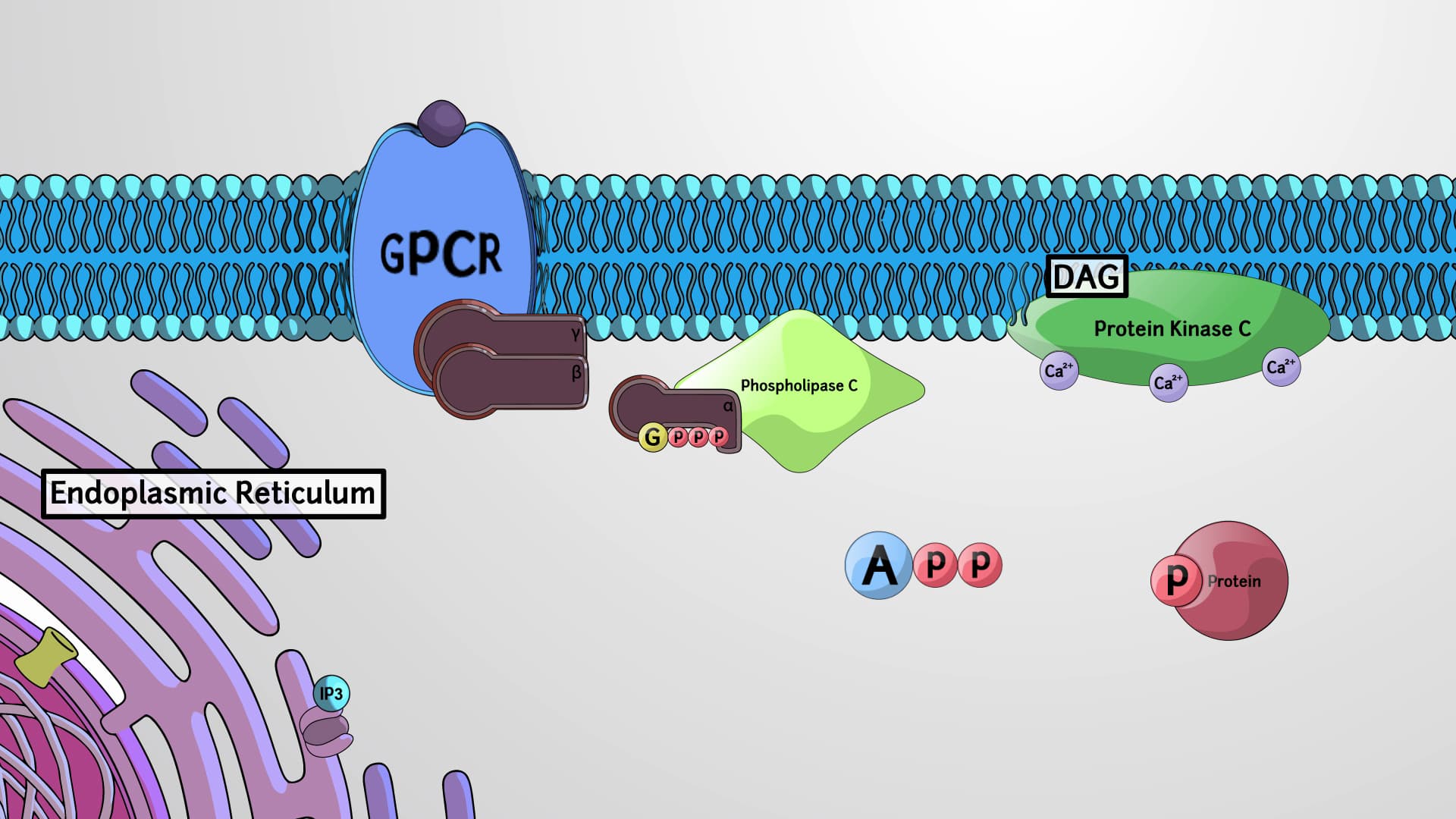
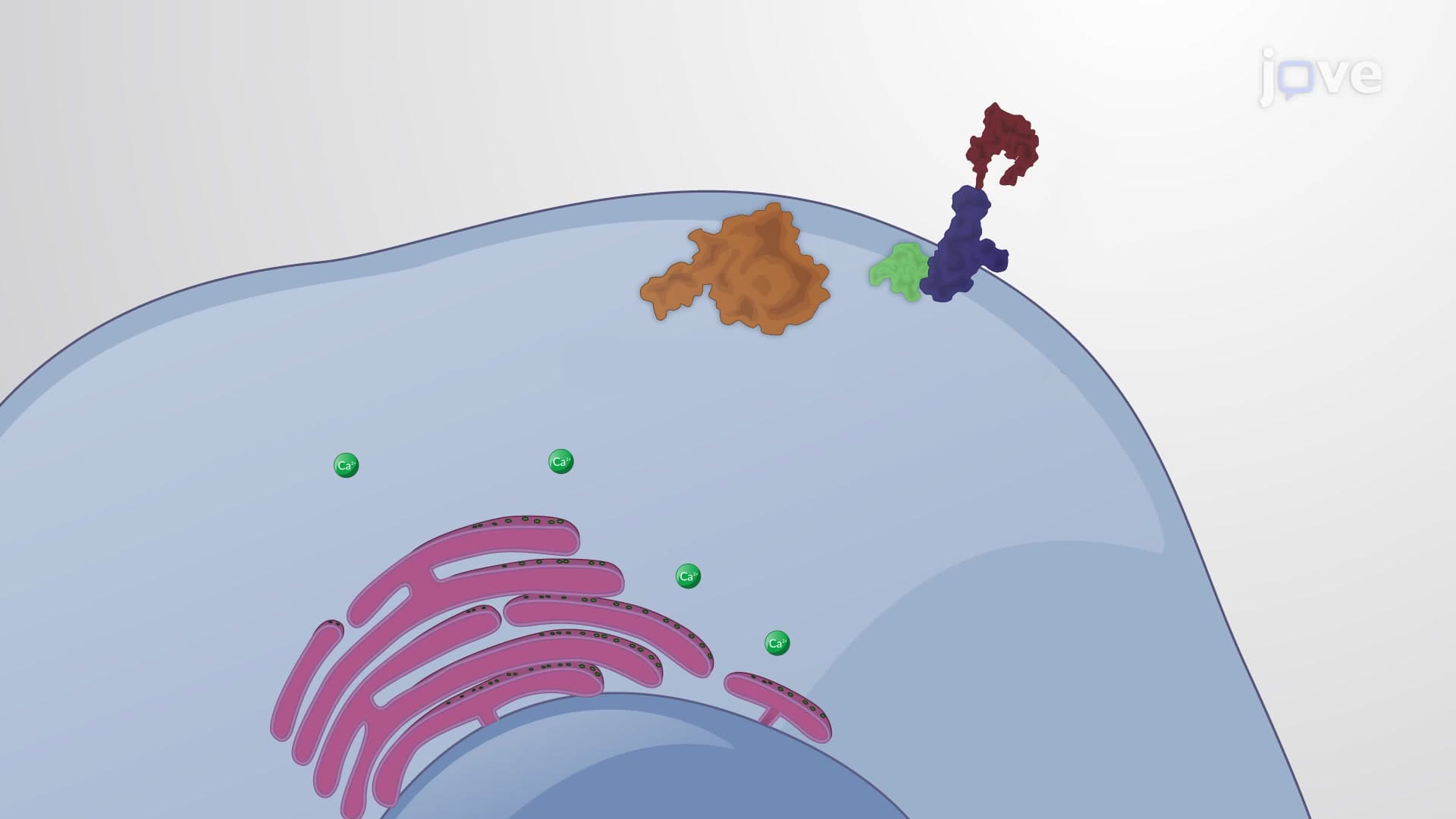
The Wnt-calcium pathway demonstrates how extracellular signals can rapidly alter intracellular conditions. Following Wnt-Frizzled complex formation, disheveled proteins activate phospholipase C (PLC), which cleaves PIP2 to generate IP3. This second messenger triggers calcium release from endoplasmic reticulum stores, creating localized calcium gradients that influence numerous cellular processes. Calcium signaling is particularly critical in cardiac muscle development-mutations affecting this pathway contribute to congenital heart diseases seen in pediatric cardiology units across major US medical centers like Boston Children's Hospital and Children's Hospital of Philadelphia.
Clinical Significance and Research Applications
These non-canonical pathways have emerged as important therapeutic targets in regenerative medicine and cancer research. Unlike canonical Wnt signaling, which primarily affects gene expression, non-canonical pathways provide rapid, localized cellular responses. This distinction is crucial for MCAT test-takers, who must differentiate between immediate cytoplasmic effects and longer-term transcriptional changes. Research at institutions like Stanford University and Johns Hopkins has shown that manipulating these pathways could enhance wound healing and tissue regeneration, making this an active area of biomedical investigation.
Frequently Asked Questions
Non canonical wnt signaling pathways are cellular communication systems that function independently of beta-catenin to control cell behavior. They include the planar cell polarity pathway (regulating cell alignment and movement) and the Wnt-calcium pathway (controlling intracellular calcium levels). Both pathways start with Wnt proteins binding to Frizzled receptors but diverge to activate different downstream effectors like Rho GTPases or phospholipase C.
Yes, these pathways frequently appear on standardized exams, particularly in cell biology and developmental biology sections. The MCAT often tests the distinction between canonical and non-canonical pathways, while AP Biology may focus on their role in embryonic development. Focus on understanding the key differences: canonical uses beta-catenin for gene regulation, while non-canonical pathways control immediate cellular responses like calcium signaling and cytoskeleton reorganization.
Use this memory trick: "PCP = Polarity and Position" (planar cell polarity controls how cells align) and "Calcium = Compartment Communication" (Wnt-calcium controls internal signaling). The PCP pathway uses Rho/Rac GTPases to organize tissues, while the calcium pathway uses phospholipase C to release stored calcium. Practice drawing both pathways to reinforce the molecular differences for exam success.
Disrupted non-canonical Wnt signaling contributes to several human diseases treated in US hospitals. Planar cell polarity defects can cause neural tube defects like spina bifida, affecting about 1,500 pregnancies annually nationwide. Calcium pathway disruptions contribute to congenital heart defects, the most common birth defects in America. Understanding these connections helps explain why these pathways are crucial research targets at medical centers like Mayo Clinic and Cleveland Clinic.
Not at all-these concepts build naturally on basic cell biology knowledge you already have. If you understand how receptors bind ligands and how proteins interact inside cells, you can master non-canonical Wnt signaling. Start with the big picture: cells need to communicate and coordinate their behavior. These pathways are simply sophisticated molecular conversations that control important cellular decisions.
Create comparison charts showing canonical versus non-canonical pathways side-by-side, focusing on key differences in molecular components and outcomes. Practice drawing pathway diagrams from memory, starting with Wnt binding and following each branch to its endpoint. Use active recall by explaining each pathway out loud without notes-this technique helps identify knowledge gaps before exam day.
Explore other developmental signaling pathways like Hedgehog, Notch, and TGF-beta signaling, which work alongside Wnt pathways during embryogenesis. Study calcium signaling in more detail, including its roles in muscle contraction and neurotransmitter release. These interconnected pathways form the foundation of developmental biology and are essential for advanced coursework in genetics, developmental biology, and medical school preparation.
Related Micro-courses

17 Concepts
19 Concepts

11 Concepts