Loading subject page…


112,227 views

Video Summary: What are Enzyme Linked Receptors
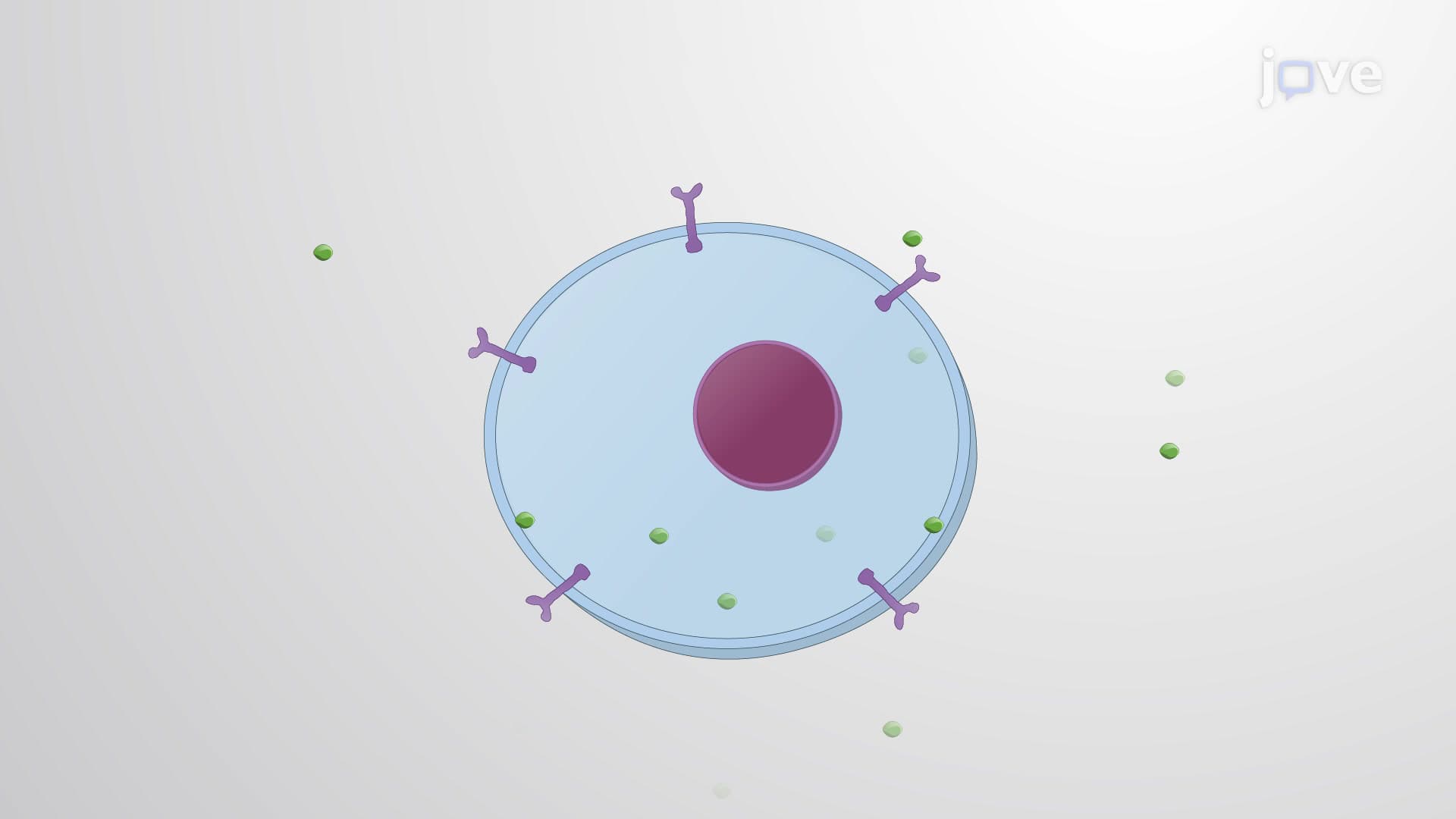
Did you know that when you eat food and your blood sugar rises, specialized receptors on your cells spring into action like molecular switches? Enzyme linked receptors are cellular gatekeepers that detect external signals and trigger internal responses through their built-in enzymatic activity. These receptor tyrosine kinases (RTKs) are crucial for processes from wound healing to cancer development-in fact, the HER2 receptor targeted by breast cancer drug Herceptin is a prime example of how understanding what are enzyme linked receptors can save lives. Watch the full video on JoVE Coach to master this concept with expert-led visuals and step-by-step explanations.
Enzyme linked receptors represent one of the most sophisticated cellular communication systems, functioning as both signal detectors and signal processors. Unlike simple binding proteins, these receptors possess intrinsic enzymatic activity-primarily tyrosine kinase activity-that becomes activated upon ligand binding. This dual functionality makes them essential for converting extracellular signals into intracellular responses that govern cell fate decisions.
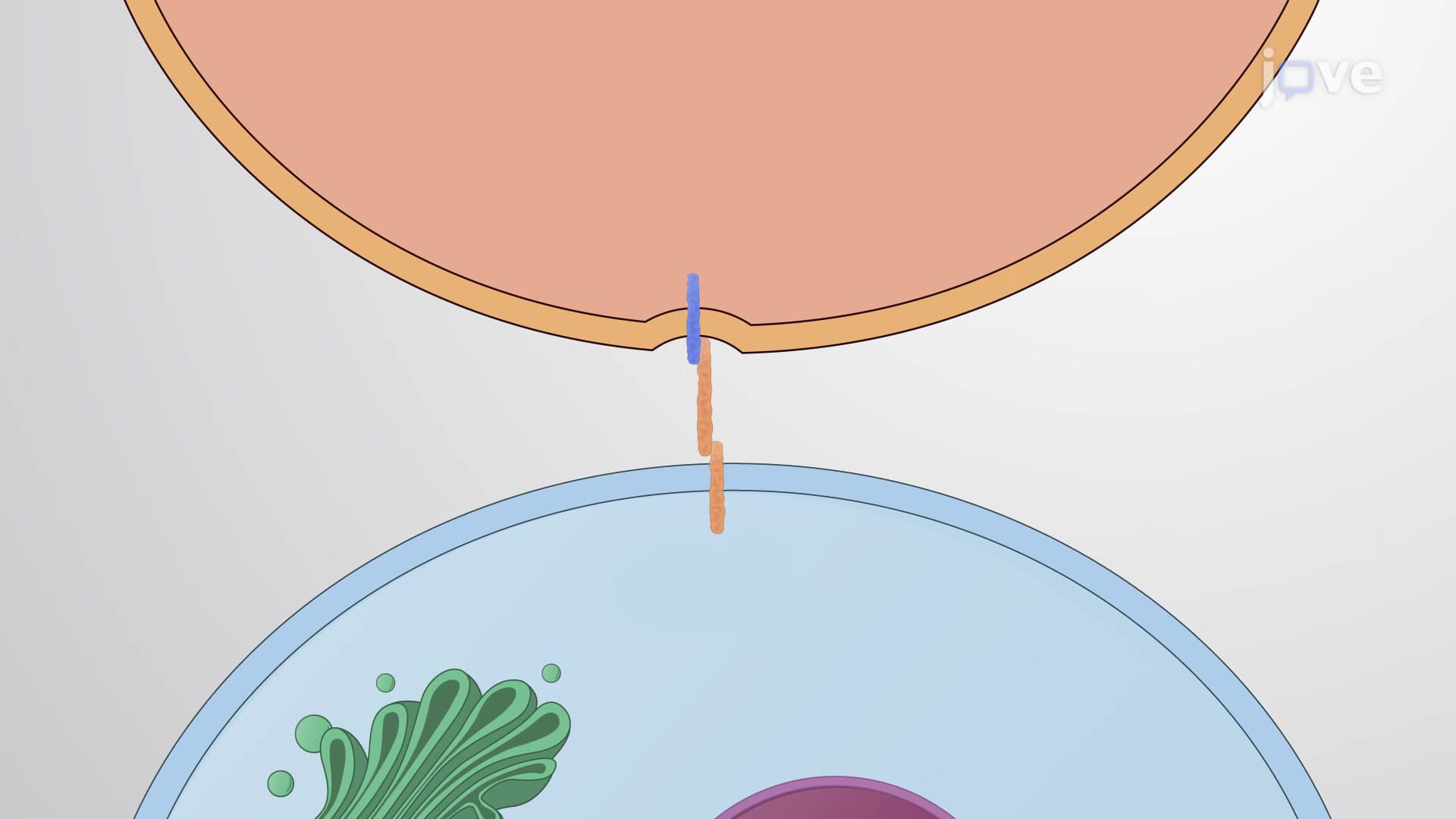
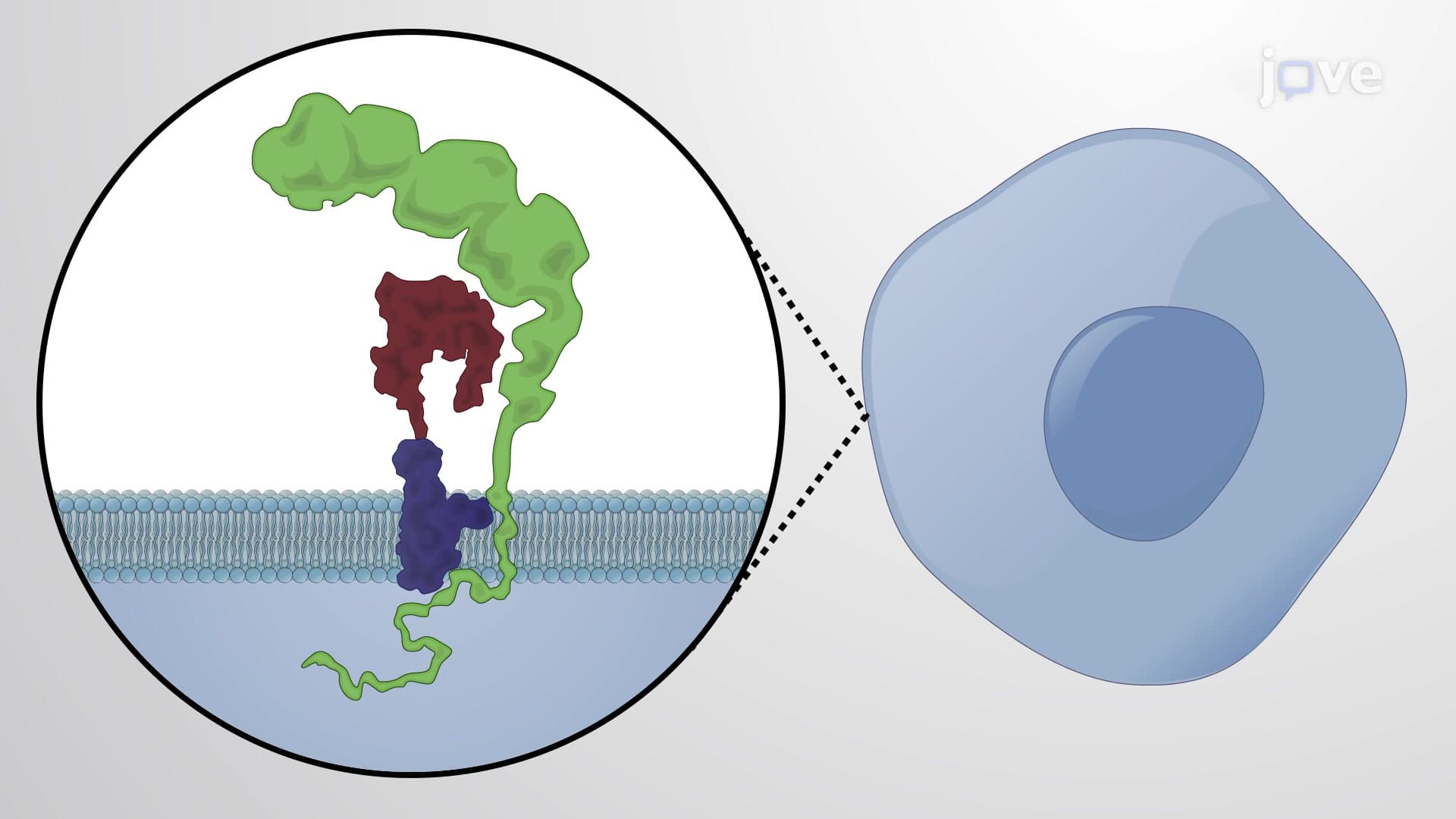
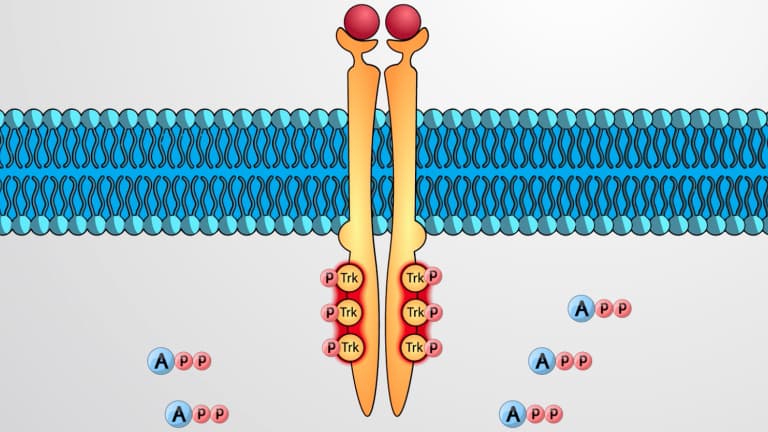
The elegant design of enzyme linked receptors consists of three key domains working in concert. The extracellular domain acts as a highly specific molecular antenna, recognizing and binding particular growth factors like epidermal growth factor (EGF) or platelet-derived growth factor (PDGF). The single transmembrane helix serves as an anchor and conformational relay system. Most critically, the intracellular domain houses the tyrosine kinase activity that drives signal propagation.
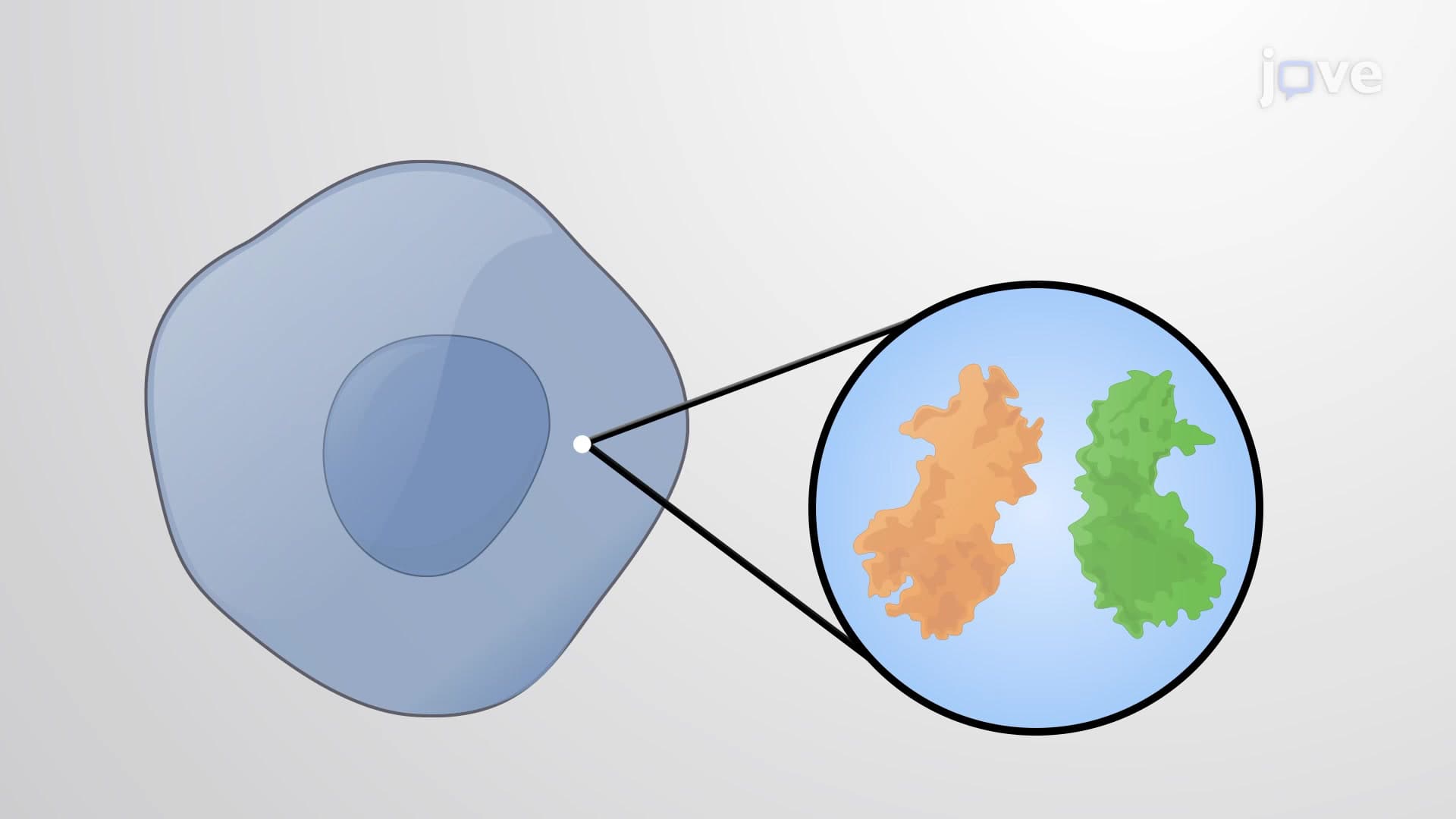
Upon ligand binding, these receptors undergo dimerization-two receptor molecules come together to form an active complex. This dimerization event triggers autophosphorylation, where the kinase domains phosphorylate specific tyrosine residues on each other. These phosphorylated tyrosines then serve as docking sites for adaptor proteins and downstream enzymes, creating a molecular platform for signal amplification.
The medical importance of enzyme linked receptors cannot be overstated, particularly in cancer biology. The HER2 receptor, overexpressed in approximately 20% of breast cancers, exemplifies how receptor dysfunction drives disease. Trastuzumab (Herceptin), developed by Genentech, specifically targets HER2-positive tumors by blocking receptor signaling. Similarly, the EGFR receptor is targeted by drugs like cetuximab for colorectal cancer treatment.
Students preparing for advanced courses or standardized tests like the MCAT should understand that enzyme linked receptors are frequently tested concepts. AP Biology students encounter these receptors when studying cell communication, while college biochemistry courses delve deeper into kinase mechanisms and drug interactions. The concept bridges multiple disciplines, connecting molecular biology to pharmacology and clinical medicine.
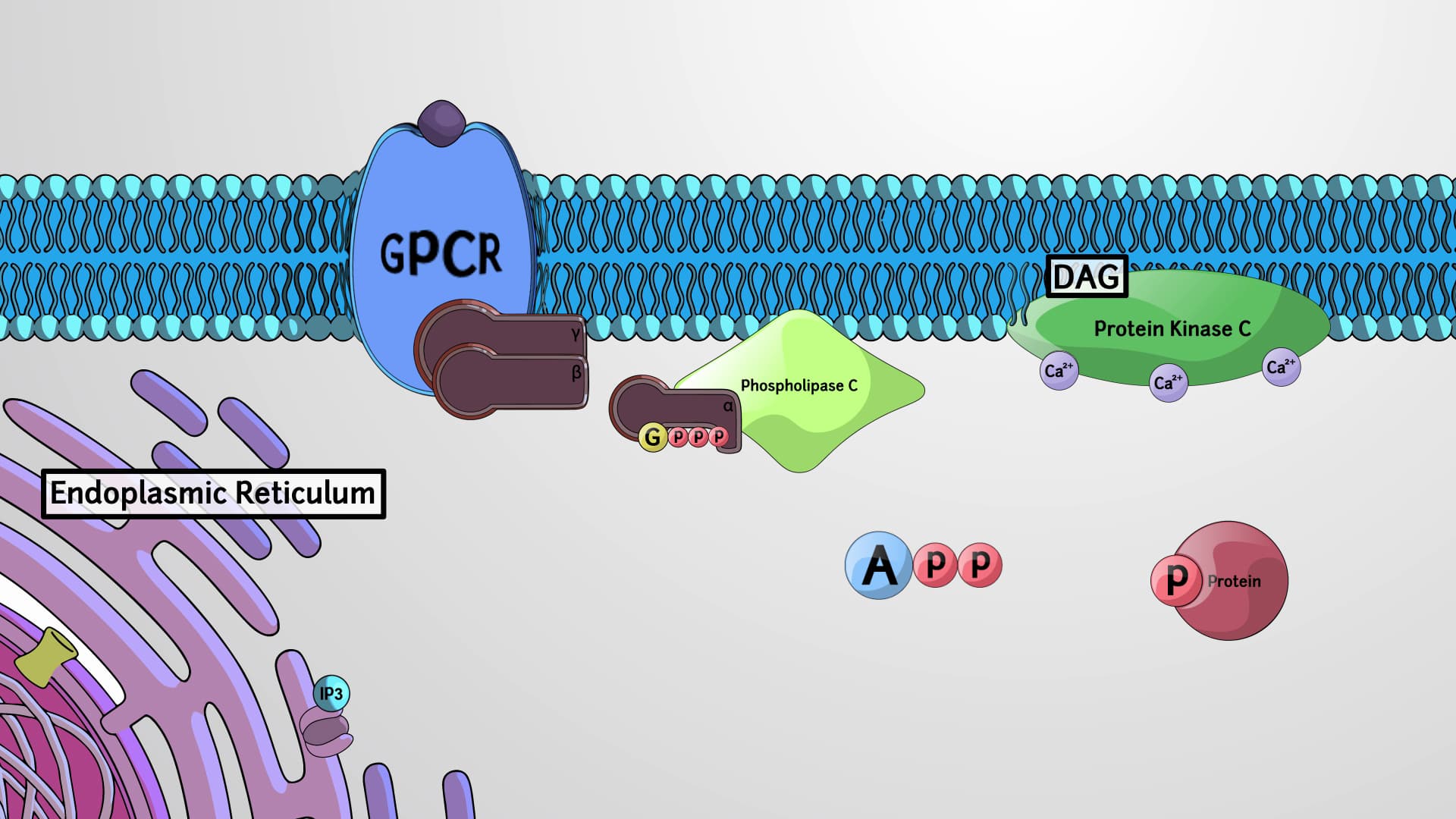
The phosphorylation events initiated by enzyme linked receptors trigger complex signaling cascades, most notably the mitogen-activated protein kinase (MAPK) pathway. This cascade amplifies the initial signal through a series of protein kinases: Ras → Raf → MEK → ERK. Each step represents a point of signal amplification and regulation, ultimately leading to changes in gene expression and cellular behavior. Understanding these pathways is crucial for students studying signal transduction in advanced biology courses and provides the foundation for understanding targeted cancer therapies currently used in US hospitals.
Related Micro-courses