Loading subject page…


112,227 views

Video Summary: What are G Protein Coupled Receptors
Did you know that your ability to smell fresh coffee or see a sunset depends on the same molecular machinery? G protein coupled receptors are the cellular "switches" that detect everything from light and odors to hormones like adrenaline during a fight-or-flight response. These seven-transmembrane proteins are so crucial that nearly 40% of all FDA-approved medications-including heart drugs like propranolol-target them directly. Watch the full video on JoVE Coach to master this concept with expert-led visuals and step-by-step explanations.
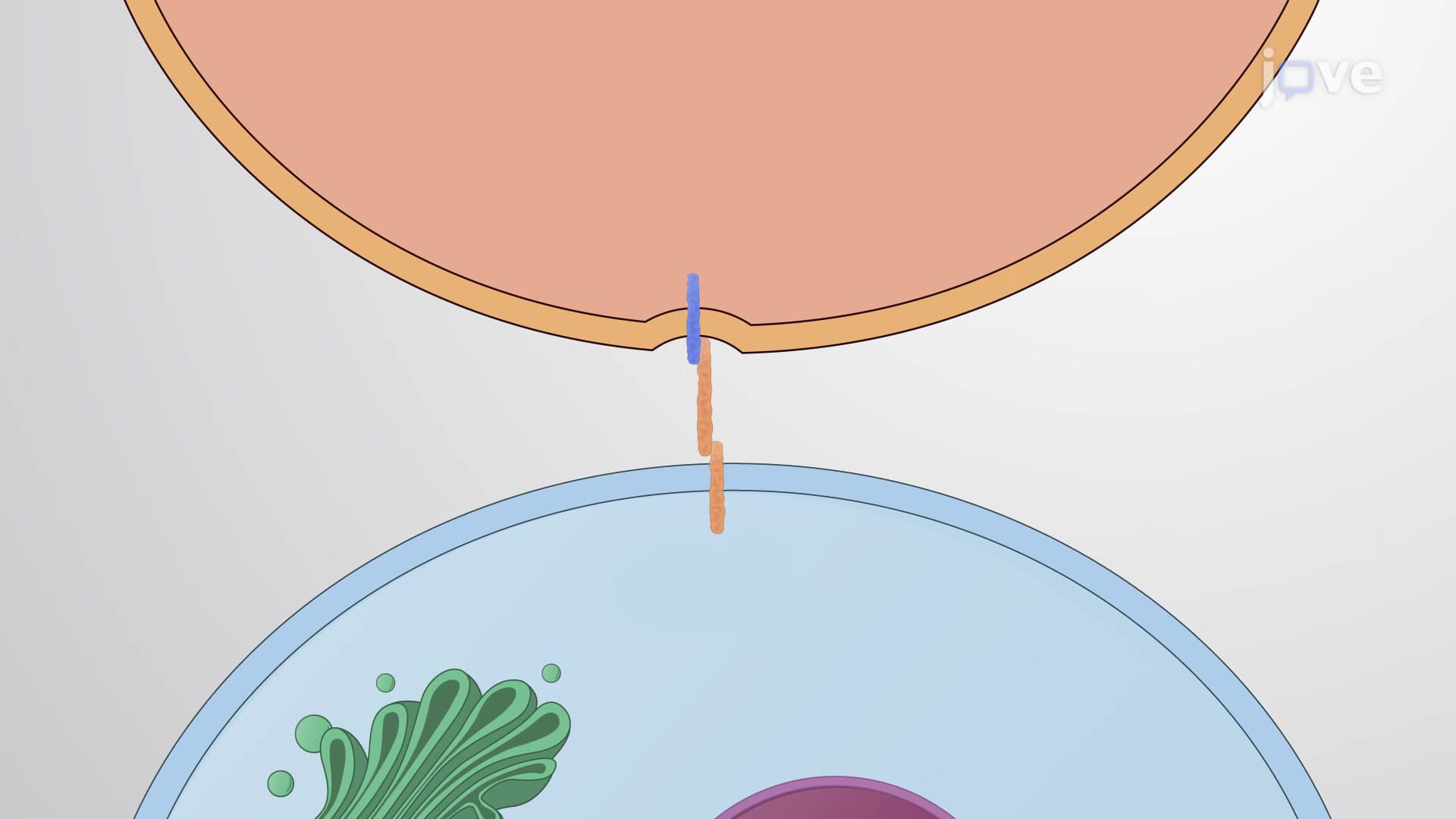
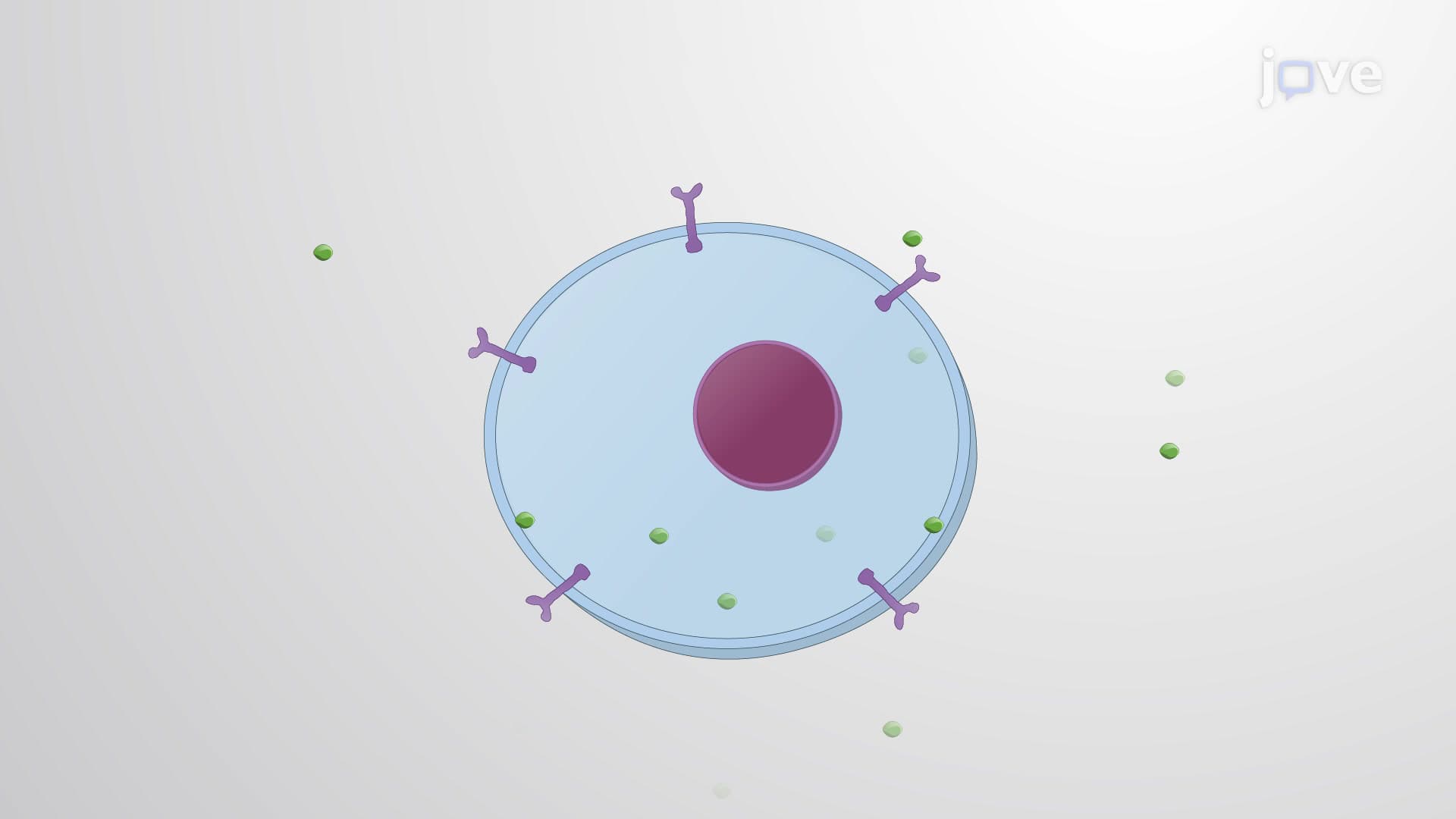
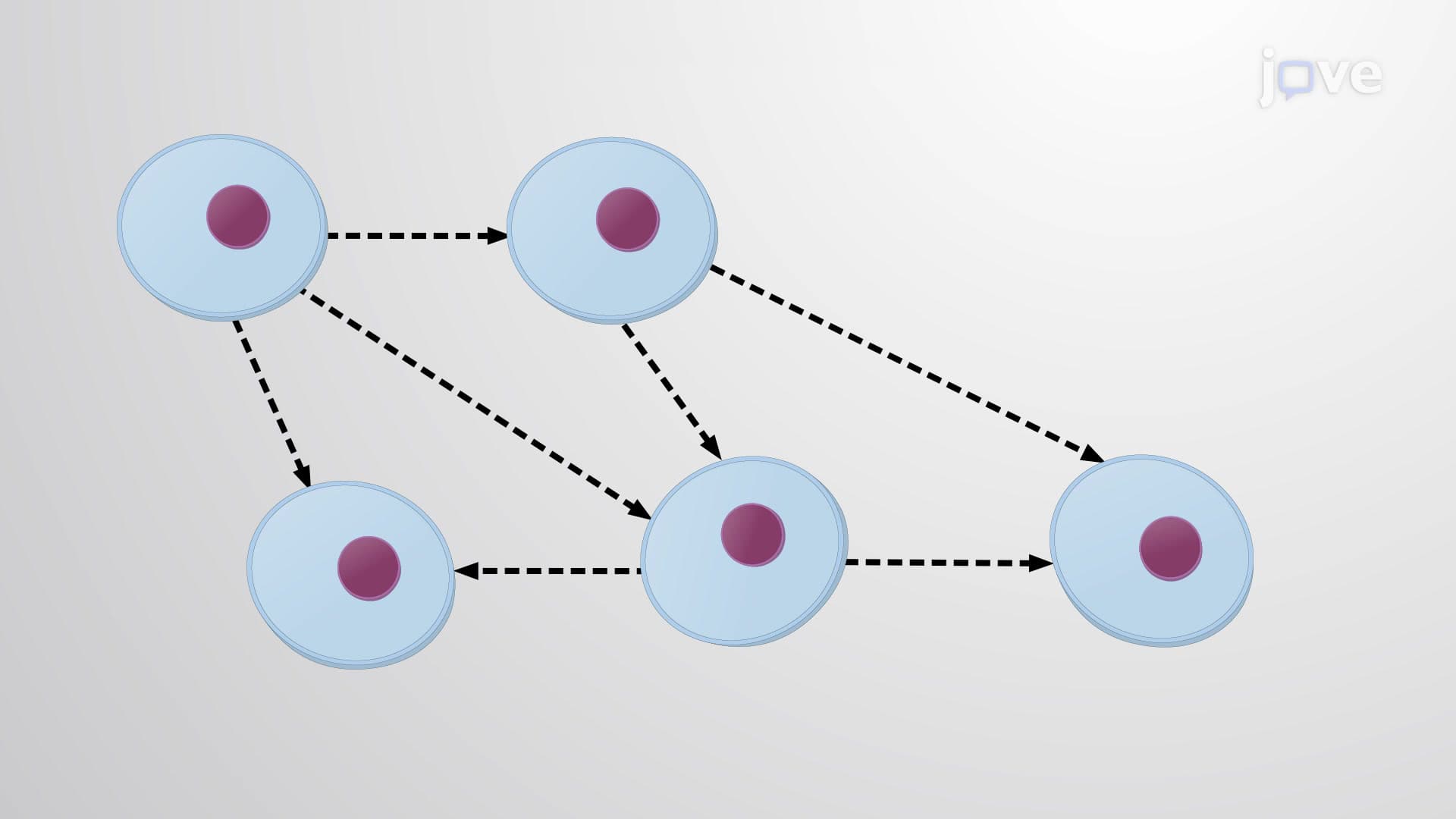
G protein coupled receptors represent one of biology's most elegant solutions to cellular communication. These membrane-spanning proteins act as molecular translators, converting diverse external signals-from a whiff of pizza to a surge of stress hormones-into specific cellular responses that keep our bodies functioning.
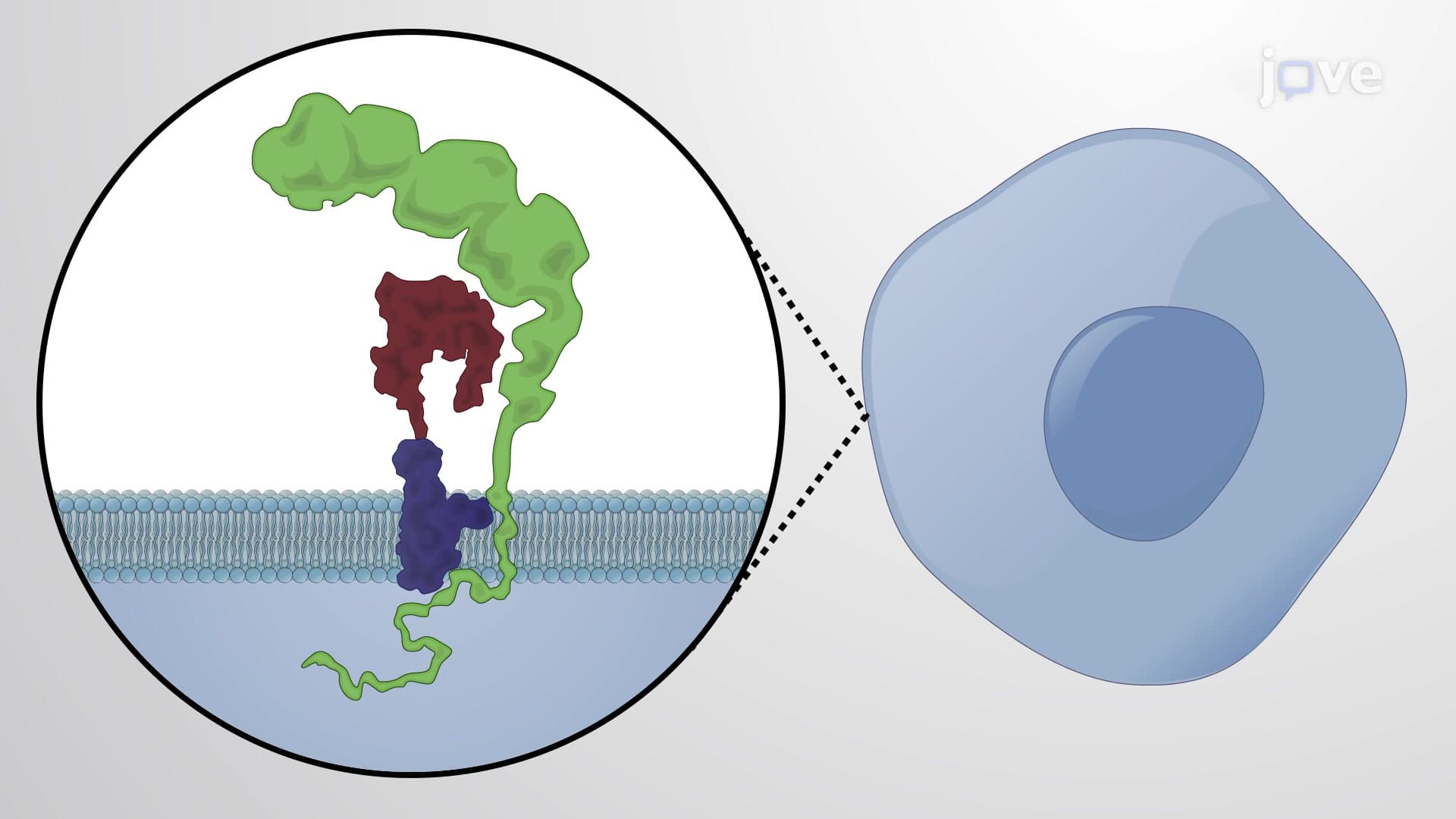
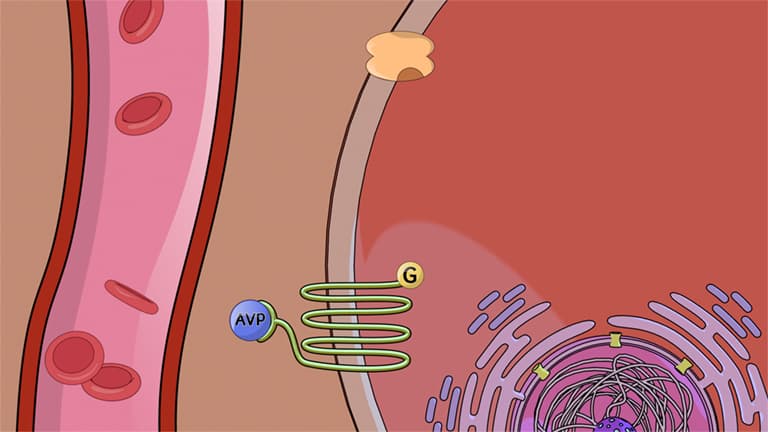
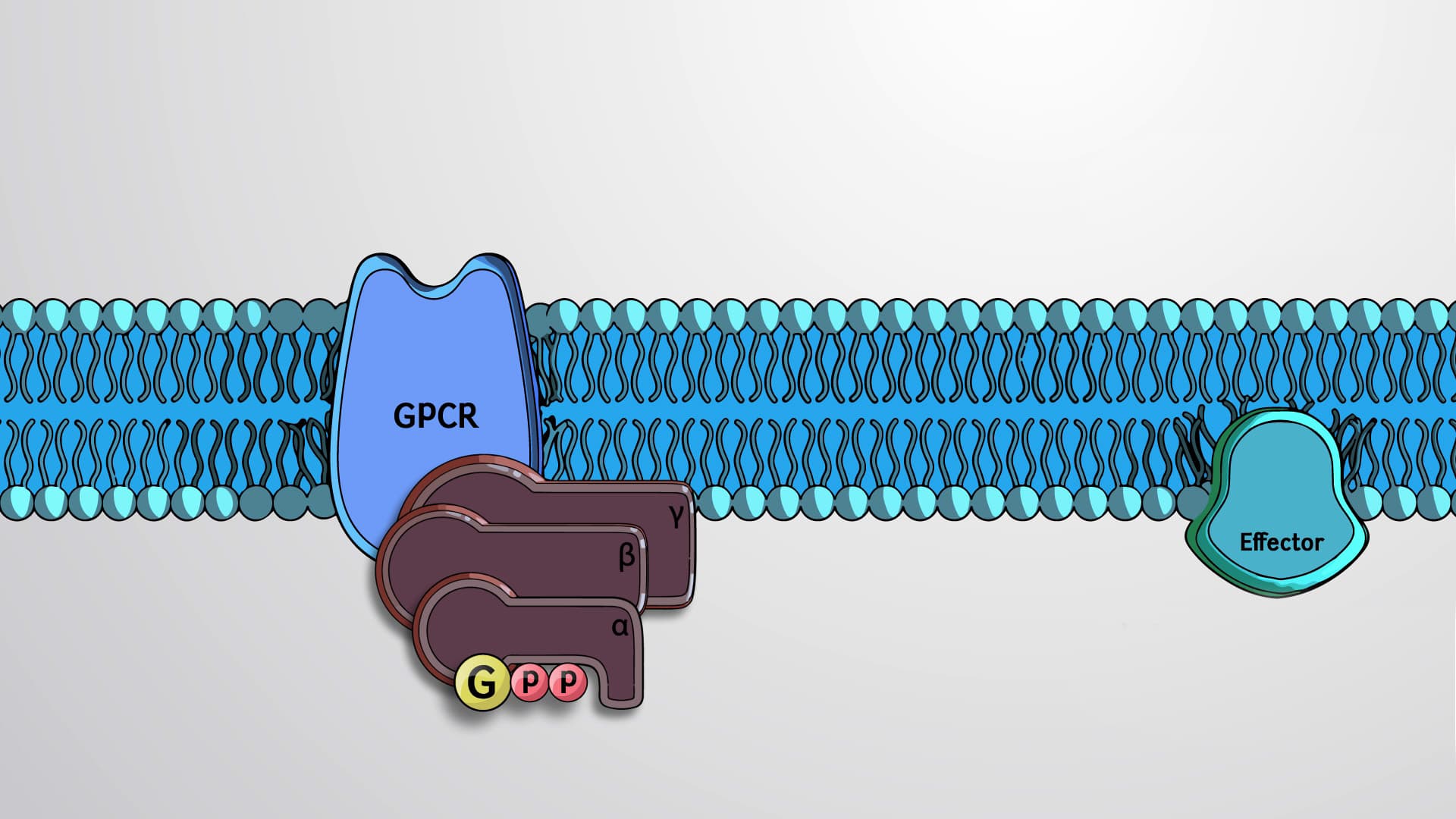
The defining feature of GPCR structure and function lies in their seven transmembrane alpha-helices, which snake through the cell membrane like a molecular accordion. This unique architecture creates binding pockets that can accommodate an incredible variety of ligands, from tiny neurotransmitters like dopamine to large protein hormones like glucagon. When a ligand binds to the extracellular portion, it triggers a domino effect that changes the receptor's shape on the intracellular side.
This structural flexibility is why GPCRs are so therapeutically valuable. Consider beta-blockers like metoprolol, commonly prescribed for high blood pressure. These medications work by blocking adrenaline from binding to beta-adrenergic GPCRs in heart muscle, preventing the "racing heart" response during stress.
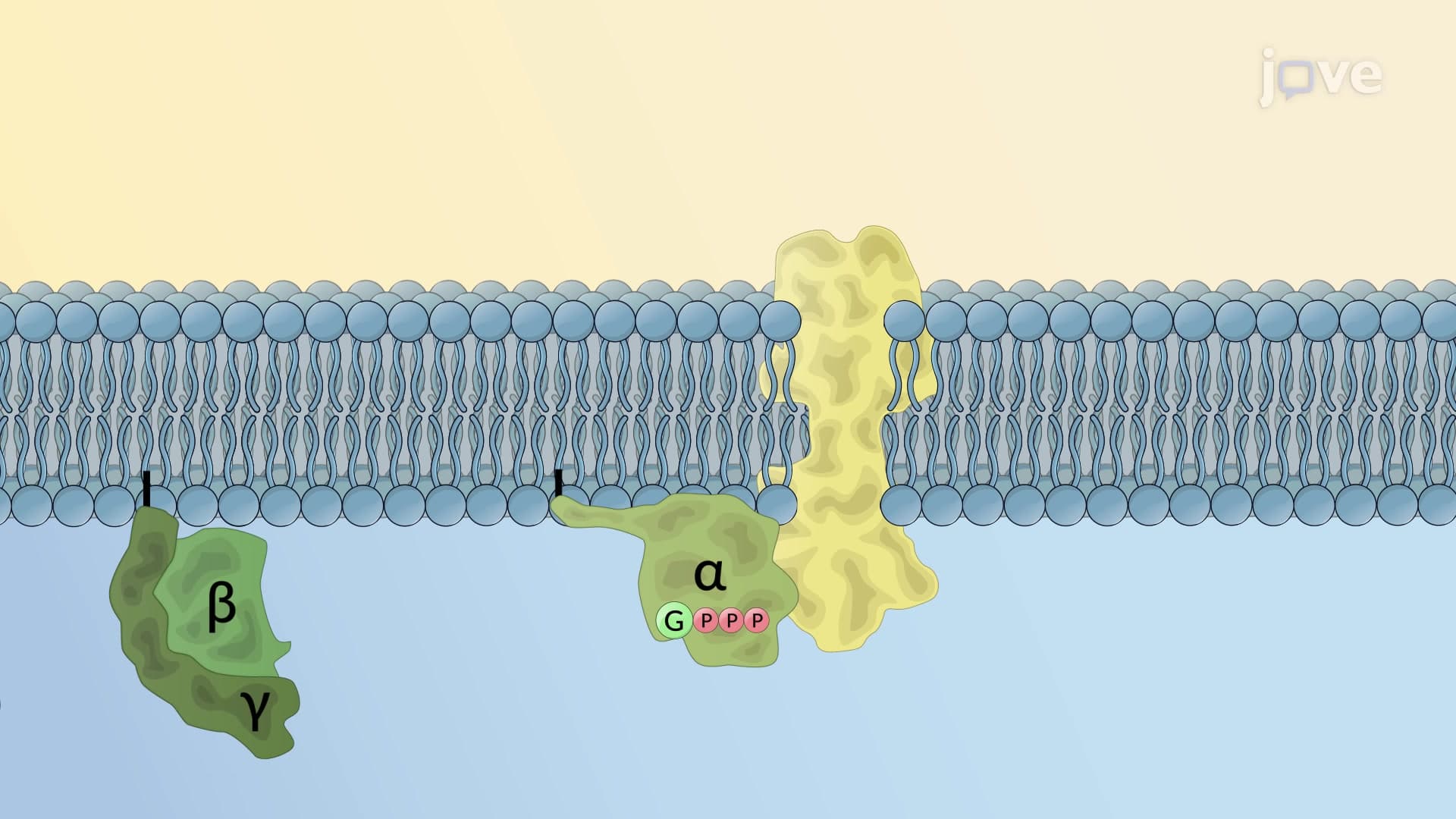
The magic of how G protein coupled receptors work in signaling begins when ligand binding causes the receptor to act as a guanine nucleotide exchange factor. The receptor facilitates swapping GDP for GTP on the G protein alpha subunit, essentially "turning on" the molecular switch. This activated G protein alpha subunit then separates from its beta-gamma partners and seeks out specific target proteins.
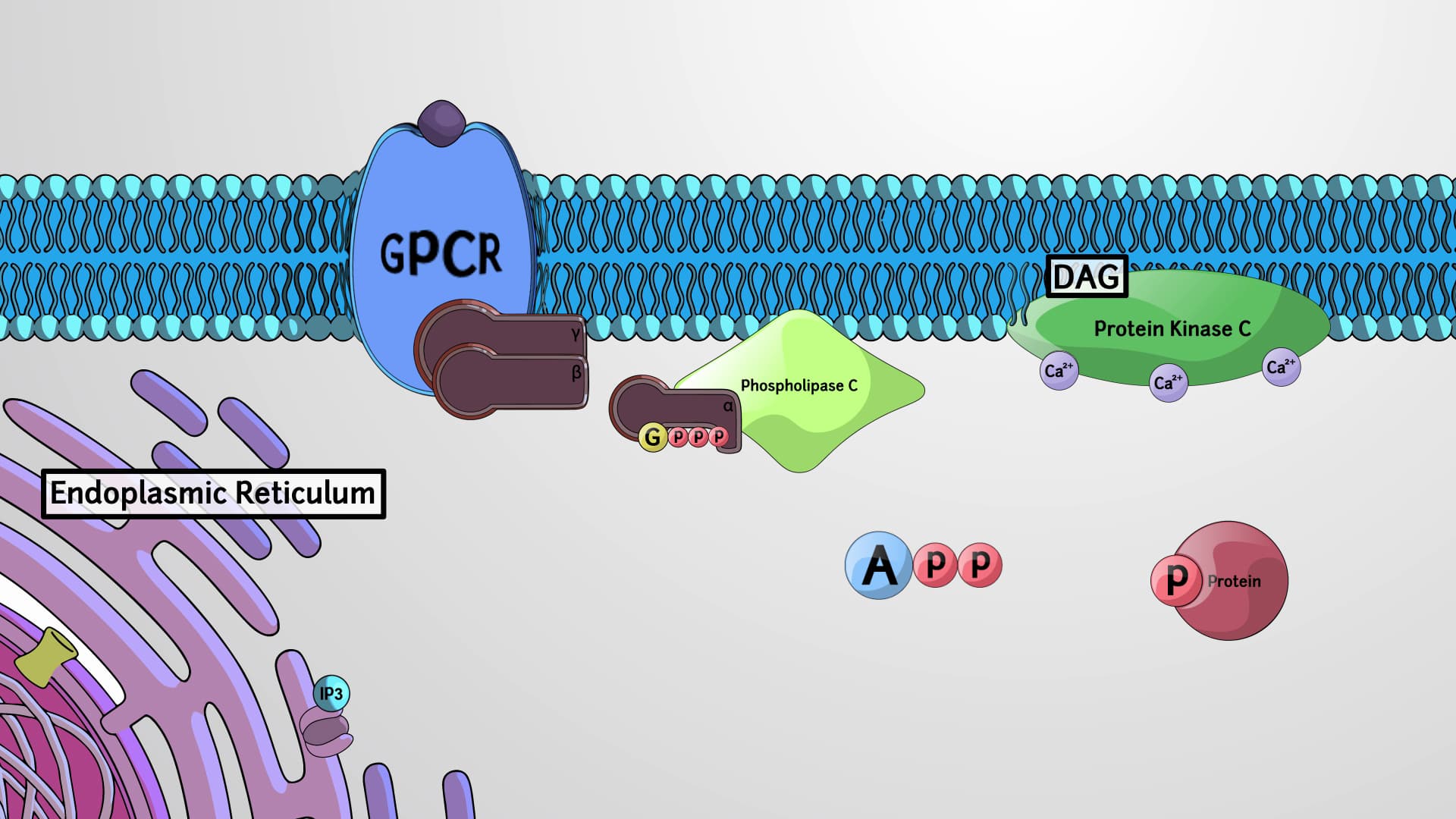
Different types of G proteins create distinct cellular outcomes. G_s proteins activate adenylyl cyclase, flooding the cell with cAMP-the same pathway that makes your heart race when you're scared. G_q proteins activate phospholipase C, generating IP3 and DAG that mobilize calcium stores. This diversity explains how one receptor family can mediate everything from vision in your retina to digestion in your stomach.
The beauty of the GPCR second messenger pathway lies in its amplification power. A single activated receptor can activate multiple G proteins, each of which can activate multiple effector enzymes. For example, one molecule of adrenaline binding to a cardiac beta-receptor can ultimately generate thousands of cAMP molecules, explaining why tiny amounts of hormones can produce dramatic physiological effects.
This concept frequently appears on AP Biology exams and MCAT questions, where students must trace signal amplification cascades or explain how disrupted GPCR signaling leads to diseases like cholera (which locks G_s proteins in the "on" position, causing massive fluid loss).
Related Micro-courses