Loading subject page…


112,227 views

Video Summary: What are Internal Receptors
Ever wondered how cortisol helps your body handle stress during finals week? Internal receptors are specialized proteins inside cells that bind to fat-soluble hormones like cortisol and testosterone, directly controlling which genes get activated. Unlike receptors on cell surfaces, these molecular switches work inside the cell's nucleus, turning specific genes on or off in response to hormonal signals from your endocrine system. For instance, when cortisol binds to glucocorticoid receptors during stress, it activates genes that increase blood sugar to fuel your brain. Watch the full video on JoVE Coach to master this concept with expert-led visuals and step-by-step explanations.
Internal receptors represent a sophisticated cellular communication system that allows hormones to directly influence gene expression. These protein molecules reside within the cytoplasm or nucleus, waiting to bind with lipophilic (fat-loving) signaling molecules that can easily cross cell membranes. Unlike their membrane-bound counterparts, internal receptors function as direct genetic regulators, making them crucial players in long-term cellular responses.
Internal receptors share a common architectural blueprint consisting of three main functional domains. The ligand-binding domain acts like a molecular lock, specifically recognizing and binding to particular hormones. The DNA-binding domain contains zinc finger motifs that allow precise recognition of specific DNA sequences called hormone response elements. The activation domain recruits co-regulator proteins that either enhance or suppress gene transcription.
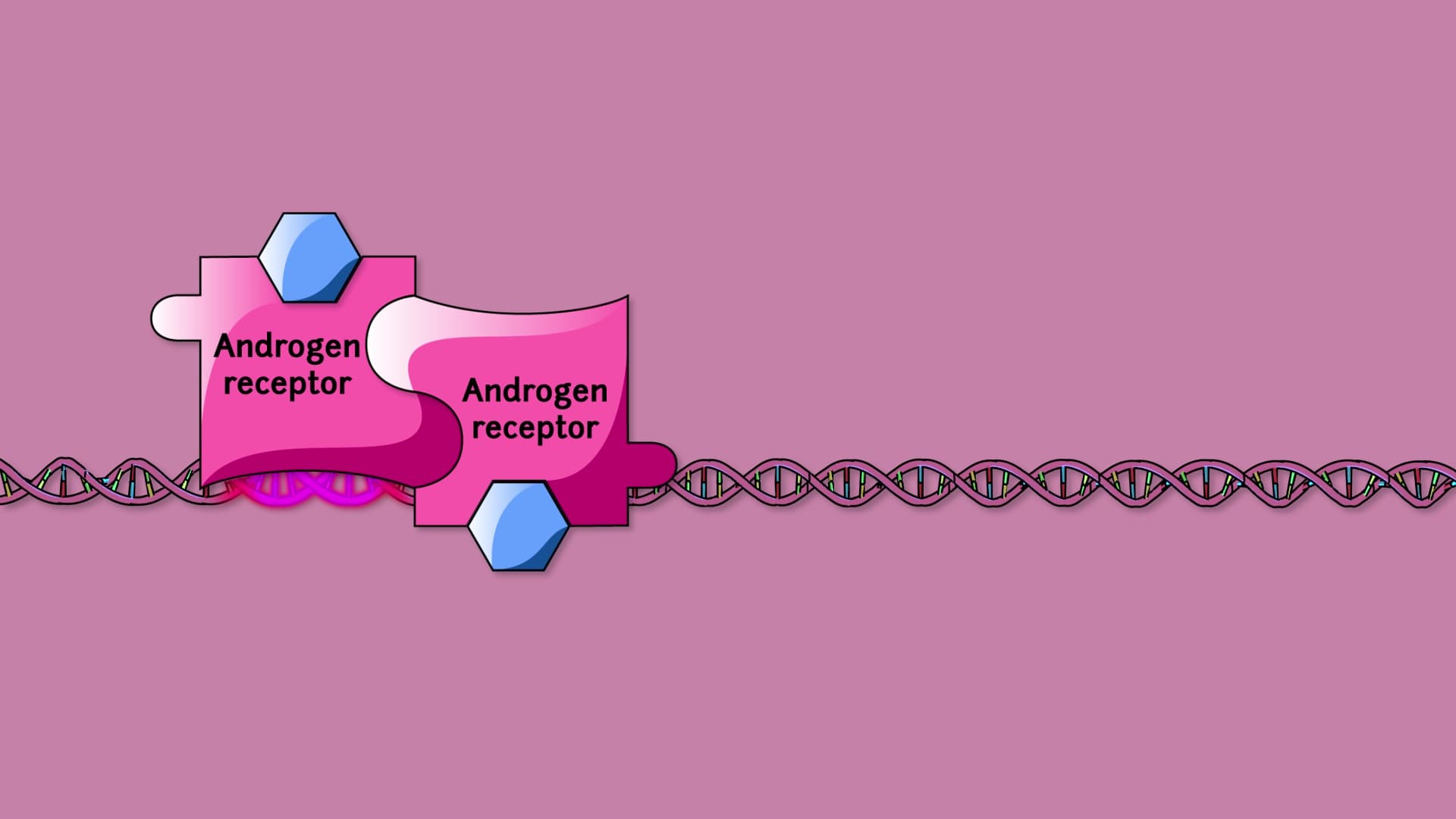
When a hormone like testosterone enters a muscle cell, it binds to the androgen receptor in the cytoplasm. This binding triggers a conformational change that exposes the DNA-binding domain and causes the receptor-hormone complex to translocate into the nucleus. Once there, it binds to androgen response elements in the promoter regions of target genes, recruiting co-activators that initiate transcription of proteins involved in muscle growth and development.
Internal receptors play pivotal roles in human health and disease. The estrogen receptor, when activated by estradiol, regulates genes involved in reproductive development and bone density maintenance. This understanding has led to the development of selective estrogen receptor modulators (SERMs) like tamoxifen, used in breast cancer treatment at major medical centers including Johns Hopkins and Mayo Clinic.
Students preparing for the MCAT or AP Biology exams should focus on understanding how receptor mutations can lead to hormone resistance syndromes. For example, androgen insensitivity syndrome results from mutations in the androgen receptor gene, causing individuals with XY chromosomes to develop female external characteristics despite producing testosterone.
For college-level molecular biology courses, understanding internal receptor pharmacology becomes increasingly important. The concept appears frequently in biochemistry exams, particularly when discussing drug mechanisms. Corticosteroids used to treat inflammation work by activating glucocorticoid receptors, which then suppress inflammatory gene expression. This principle underlies treatments for conditions ranging from asthma to autoimmune disorders, making it relevant for pre-med students preparing for the MCAT.
Related Micro-courses