Loading subject page…


112,227 views

Video Summary: What are Intracellular Signaling Cascades
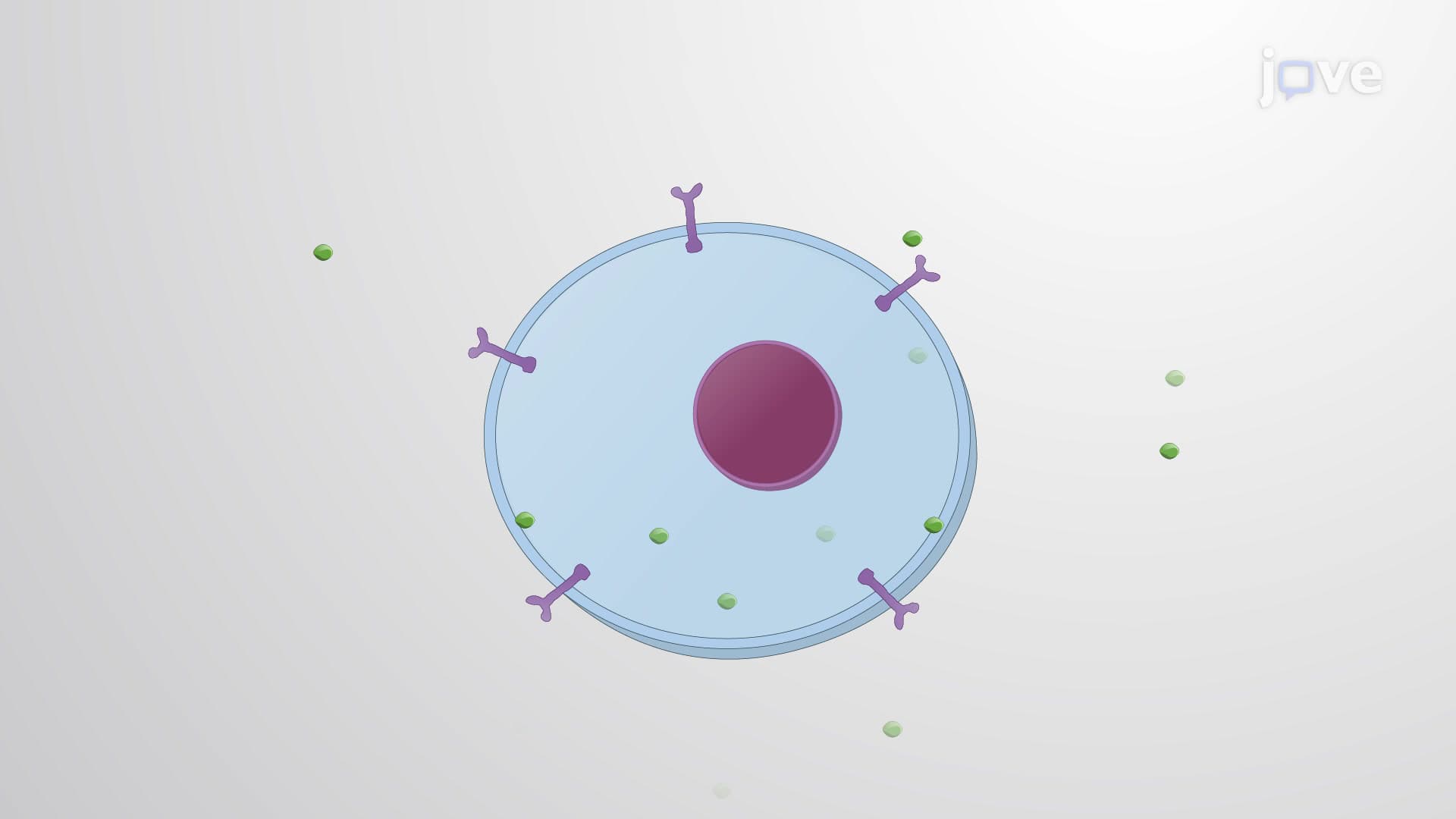
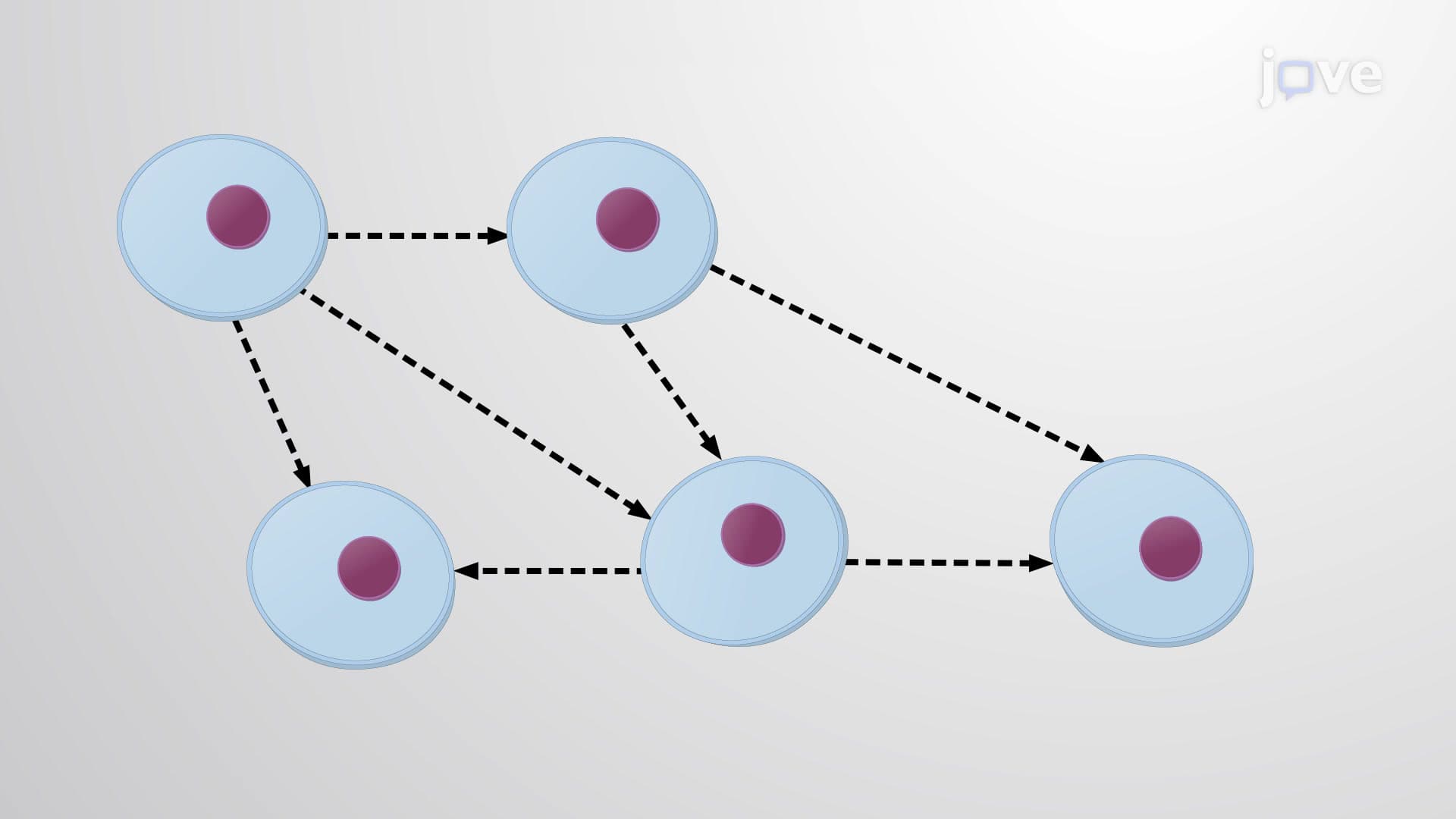
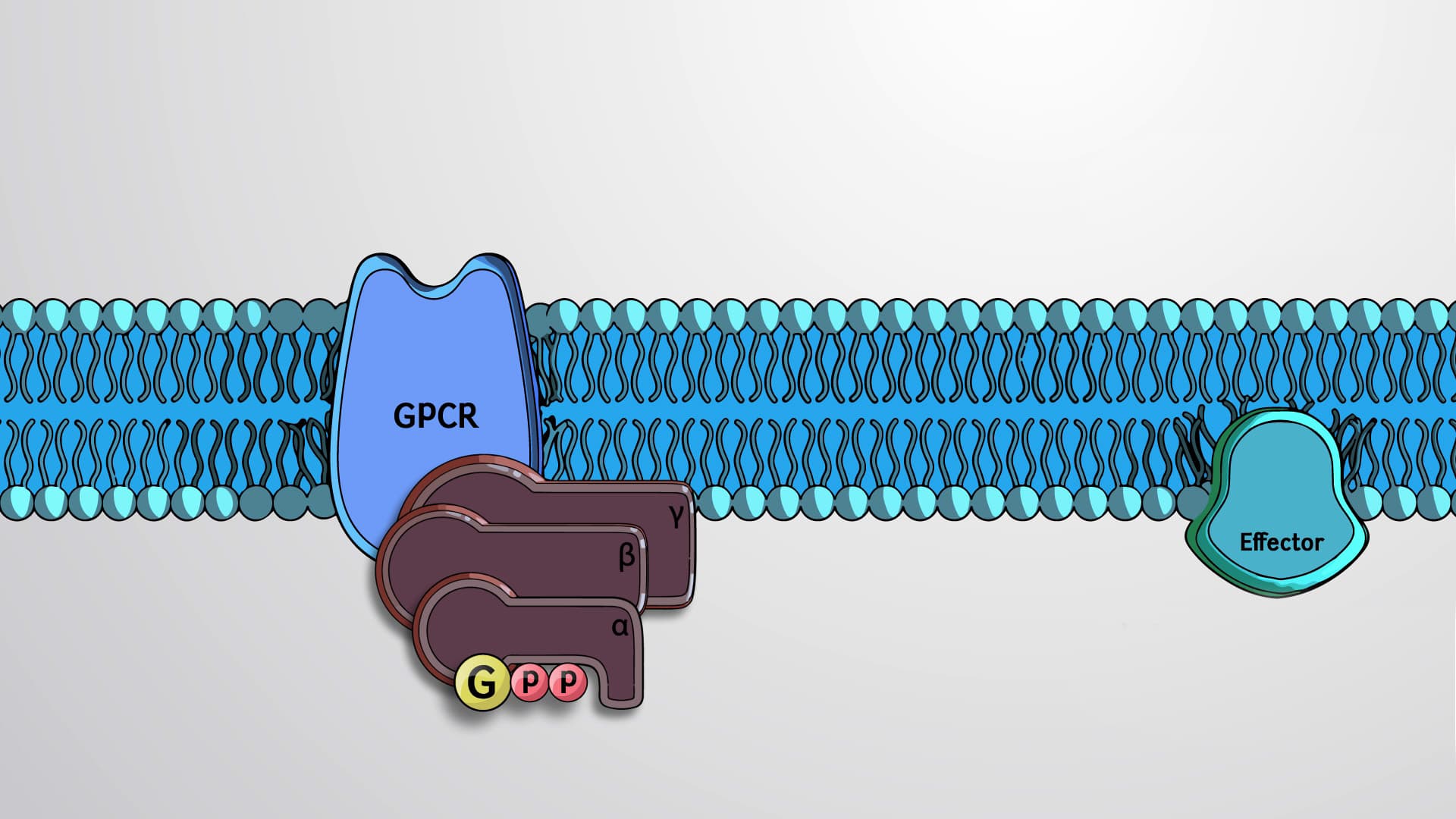
Did you know that a single molecule hitting a cell can trigger thousands of reactions in milliseconds? Intracellular signaling cascades are the cellular equivalent of a domino effect, where one signal creates a chain reaction inside cells. These biochemical pathways help explain how insulin regulates blood sugar in diabetic patients across America. Understanding what are intracellular signaling cascades reveals how cells amplify signals, coordinate responses, and maintain cellular communication through protein activation and second messengers. Watch the full video on JoVE Coach to master this concept with expert-led visuals and step-by-step explanations.
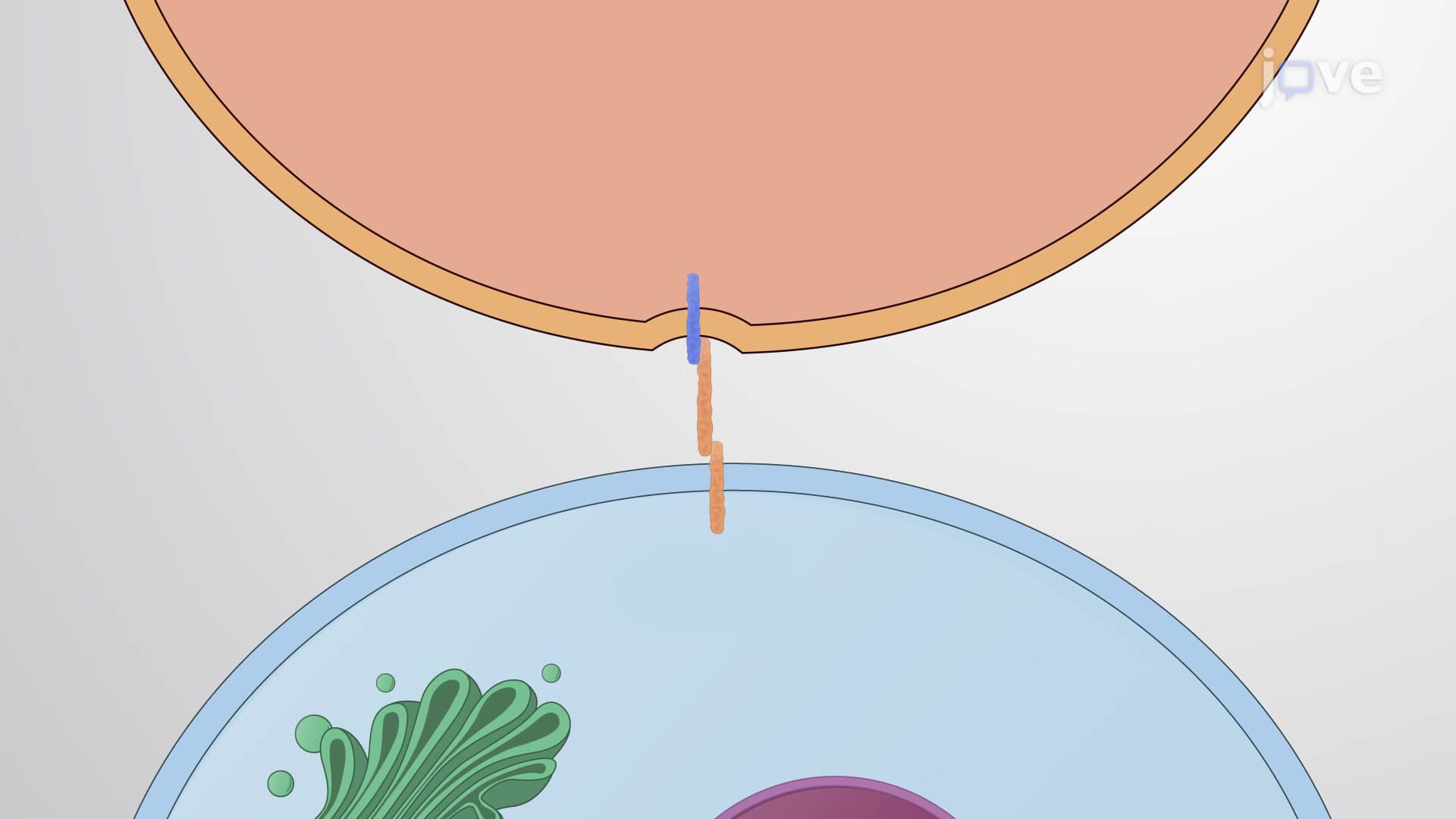
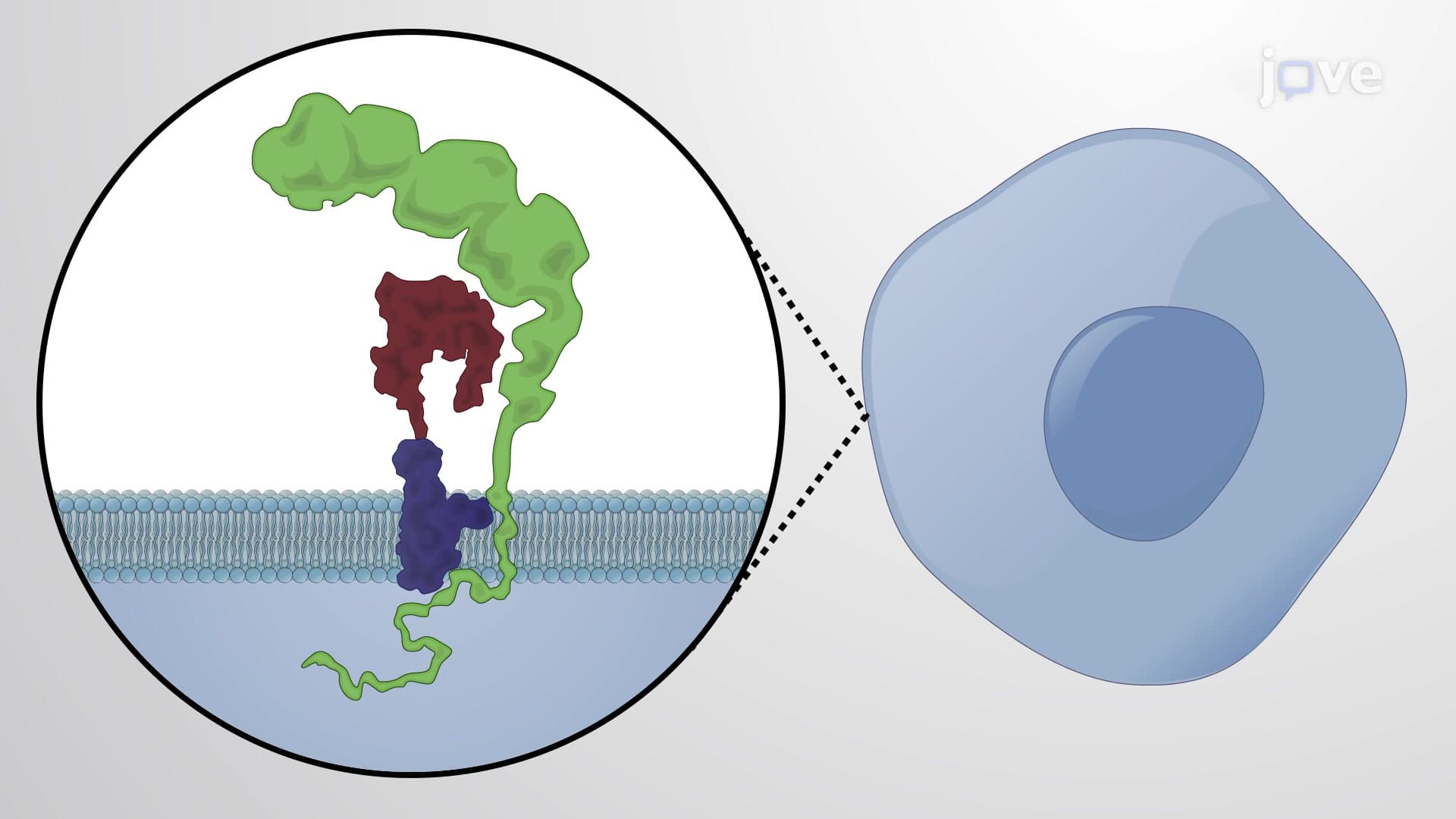
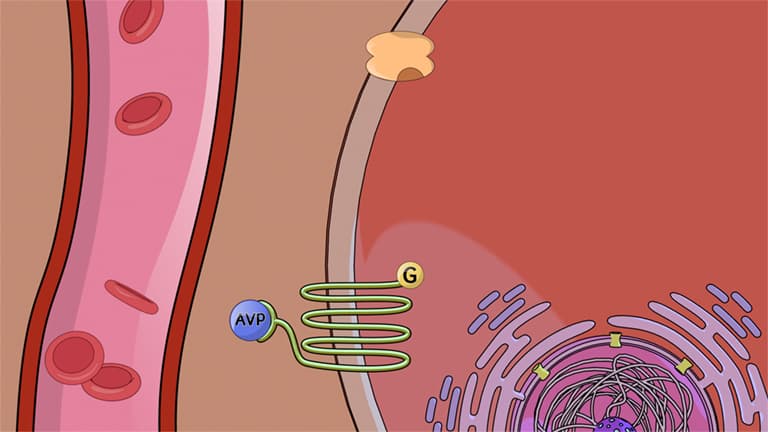
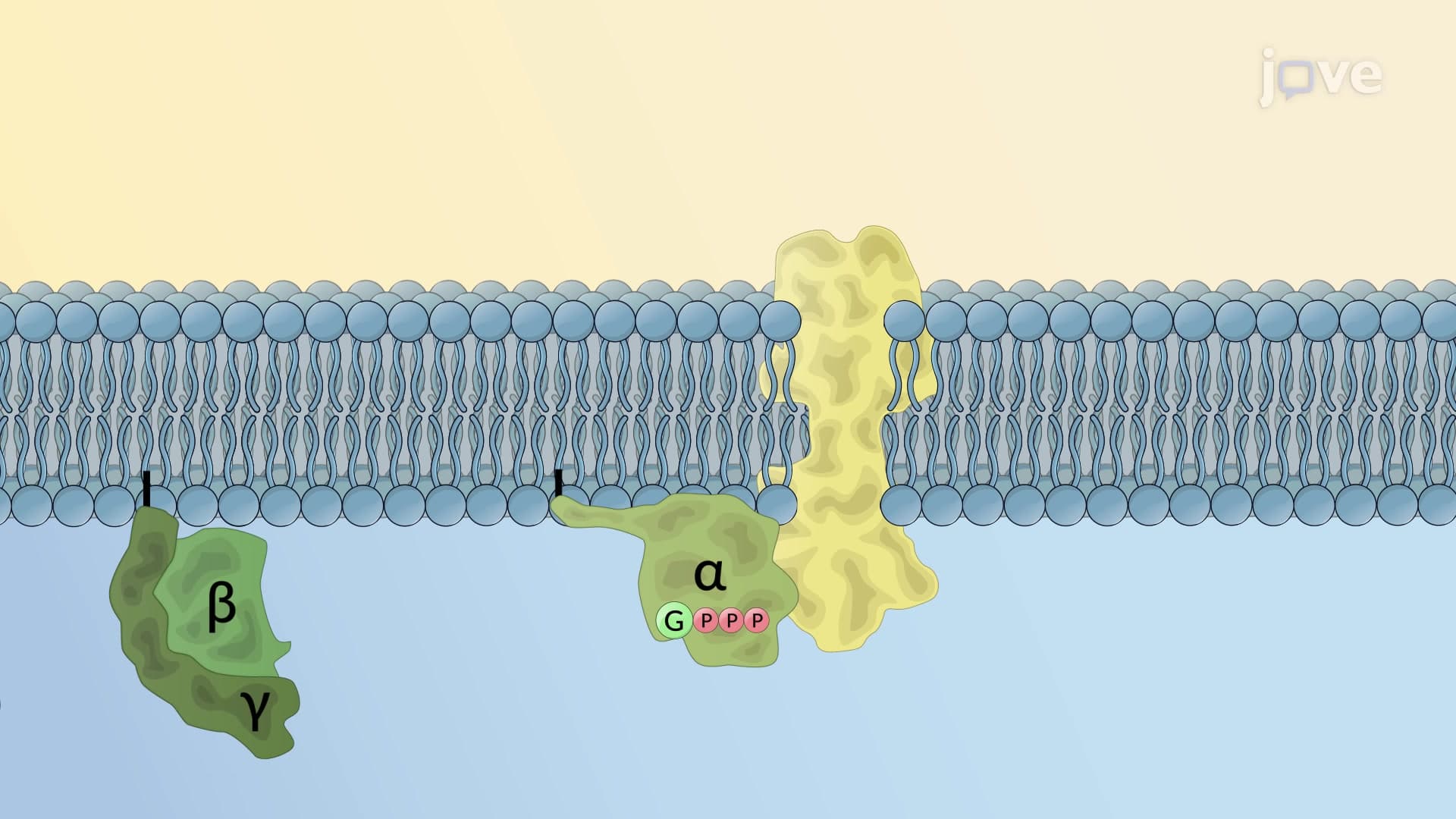
Intracellular signaling cascades represent one of biology's most elegant communication systems. When a hormone like epinephrine binds to a receptor on an American runner's muscle cell, it doesn't just flip a single switch-it initiates a carefully orchestrated sequence of molecular events that can amplify the original signal millions of times. This amplification allows a tiny amount of hormone to produce massive cellular changes, like rapidly breaking down glycogen for energy during exercise.
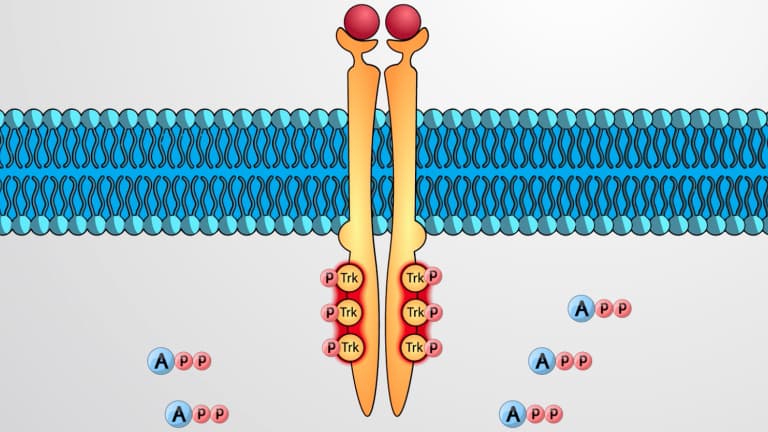
The intracellular signaling cascades definition encompasses three fundamental components: signal reception, signal transduction, and cellular response. Think of these cascades as cellular relay races where molecular "batons" pass from protein to protein. The MAPK (Mitogen-Activated Protein Kinase) pathway exemplifies this perfectly-when growth factors stimulate cell division in healing tissue, the signal travels through MAPKKK to MAPKK to MAPK, with each step amplifying the message. This three-tiered system ensures that cells receive clear, amplified instructions about when to divide, differentiate, or die.
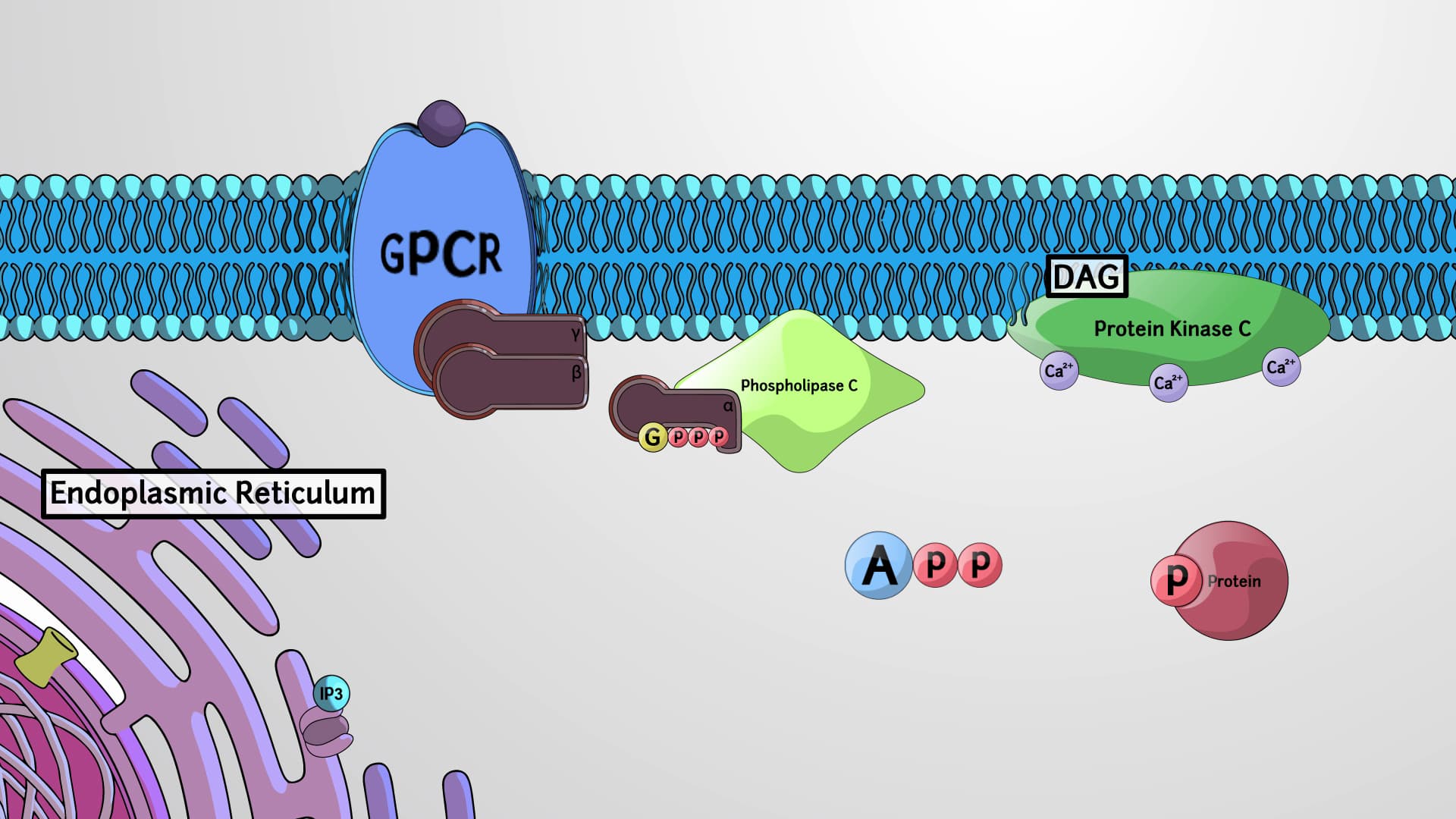
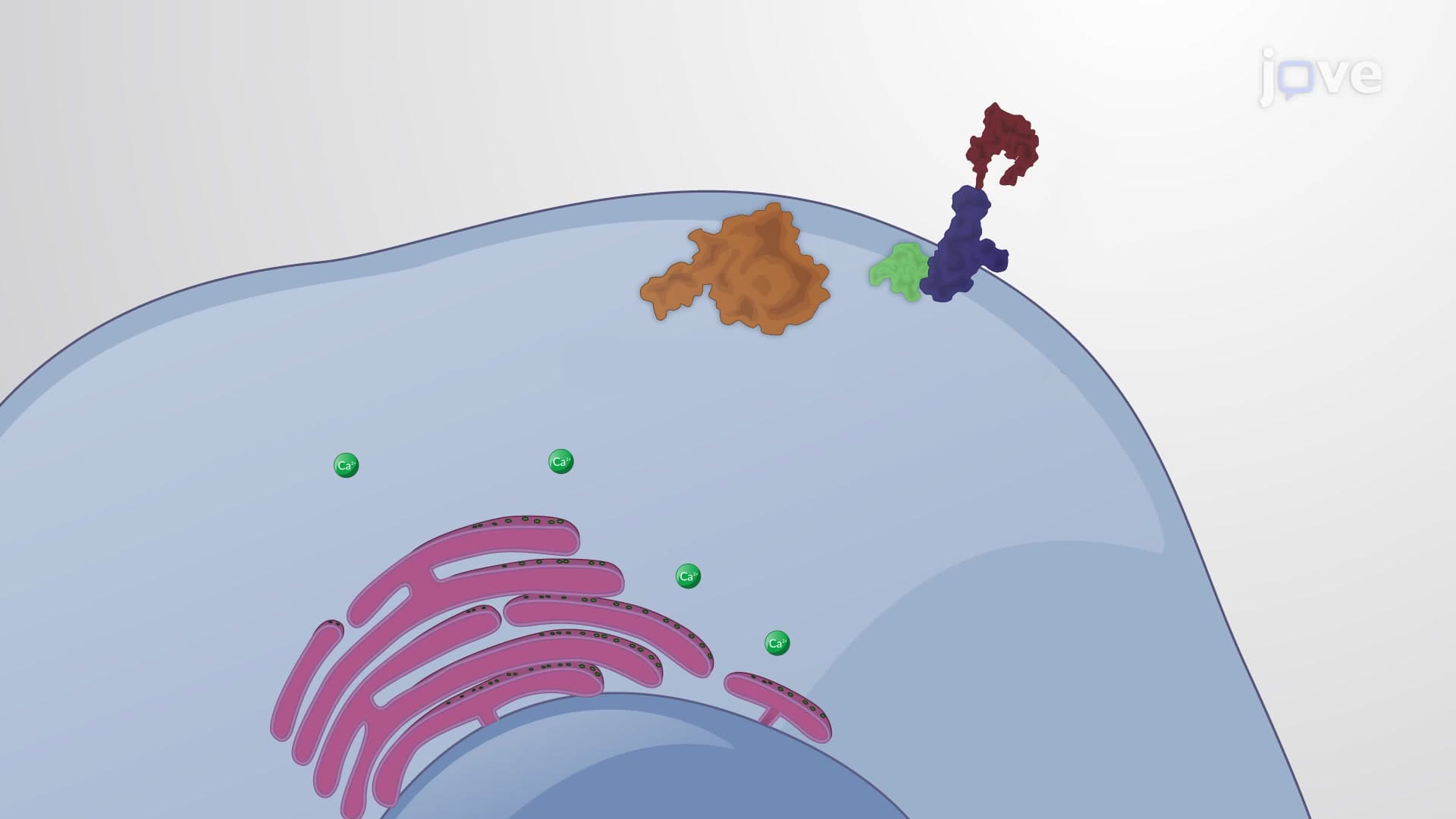
Second messengers like cyclic AMP (cAMP) and calcium ions serve as the cellular equivalent of emergency broadcast systems. When glucagon signals liver cells during fasting, it doesn't directly activate every enzyme-instead, it triggers cAMP production, which then activates protein kinase A, which phosphorylates and activates dozens of enzymes simultaneously. This creates the signal amplification that makes intracellular signaling cascades so powerful. A single glucagon molecule can ultimately lead to the release of millions of glucose molecules.
Understanding these pathways proves crucial for American healthcare. Diabetes medications like metformin work by modifying the AMPK signaling cascade, while cancer treatments often target overactive growth factor pathways. For students preparing for the MCAT or AP Biology exams, recognizing how cascade disruption causes disease helps connect molecular mechanisms to clinical outcomes. The PI3K-Akt pathway, frequently mutated in cancers, normally regulates cell survival-when it malfunctions, cells may grow uncontrollably or resist chemotherapy.
Related Micro-courses