Loading subject page…


112,227 views

Video Summary: What Is Endocrine Signaling
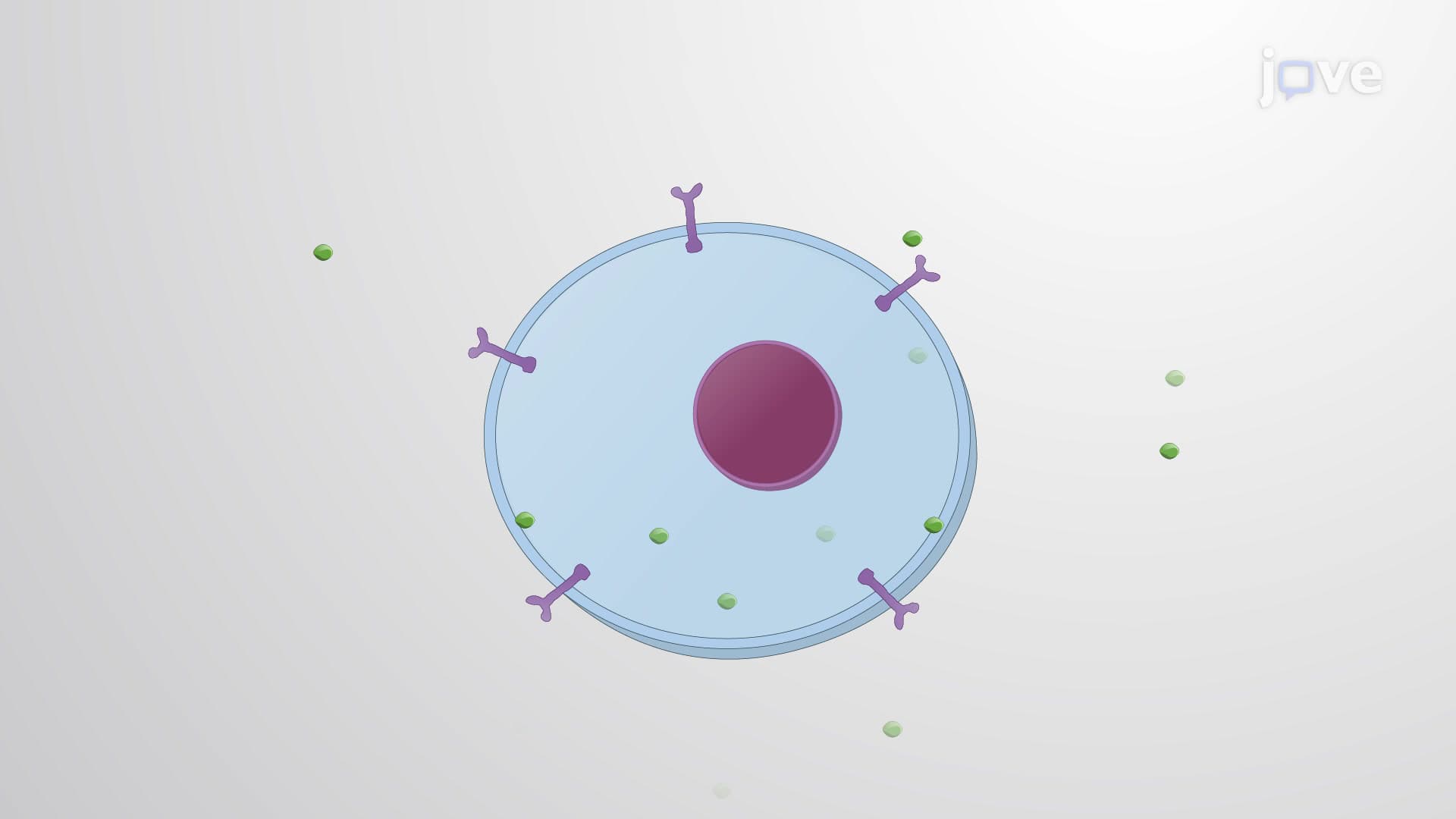
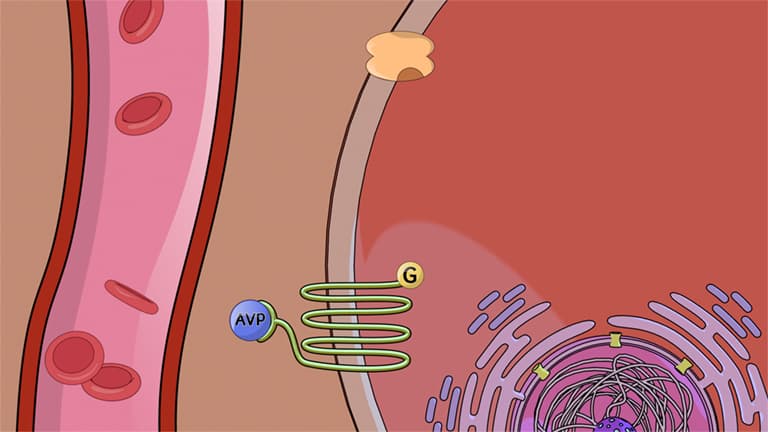
Ever wonder how your body knows when to release insulin after eating a slice of pizza? Endocrine signaling makes this possible through a sophisticated communication network where hormones travel through your bloodstream to reach distant target cells. This system controls everything from your metabolism to growth, with the pancreas releasing insulin to help cells absorb glucose from that pizza you just ate. Watch the full video on JoVE Coach to master this concept with expert-led visuals and step-by-step explanations.
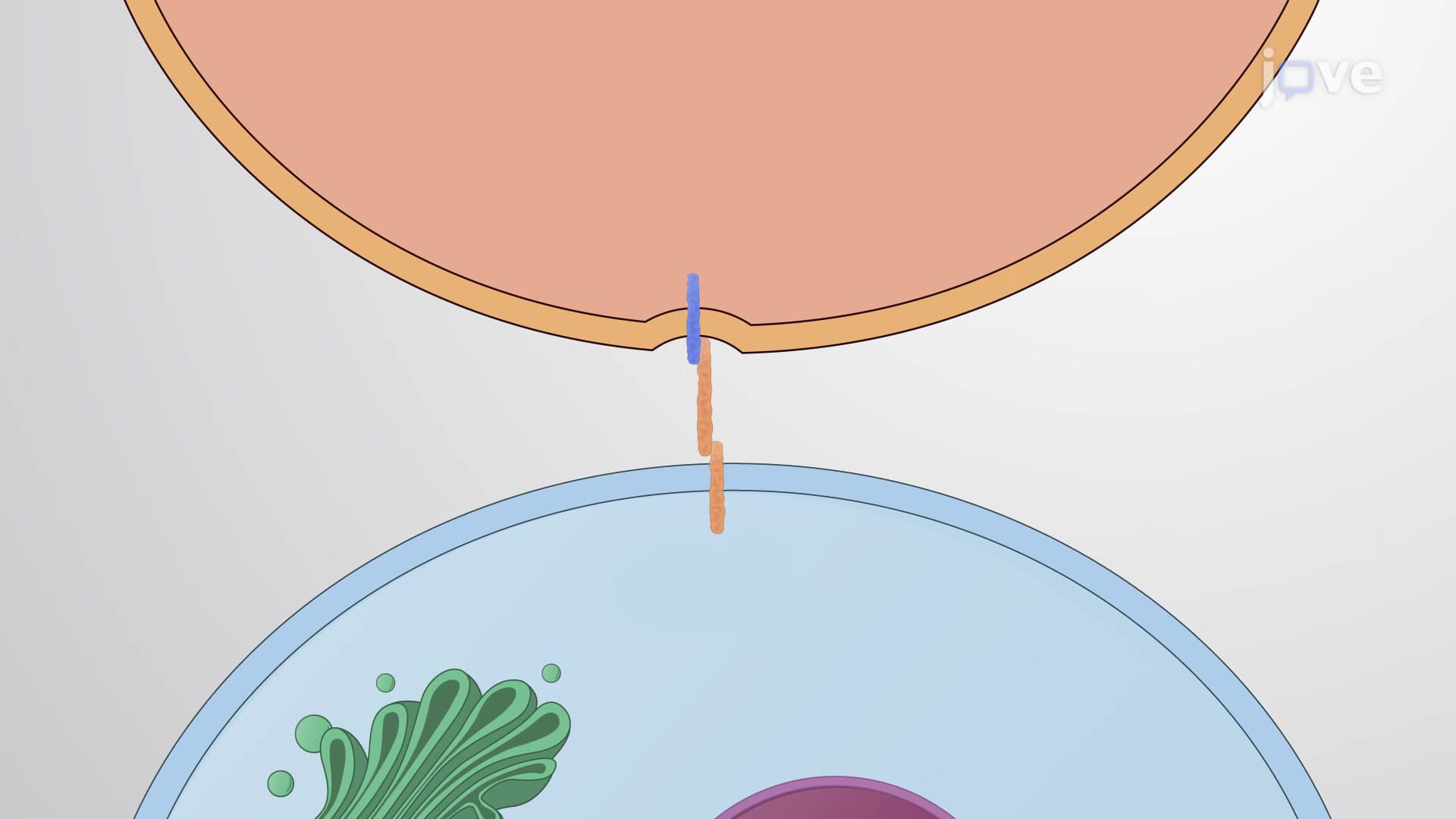
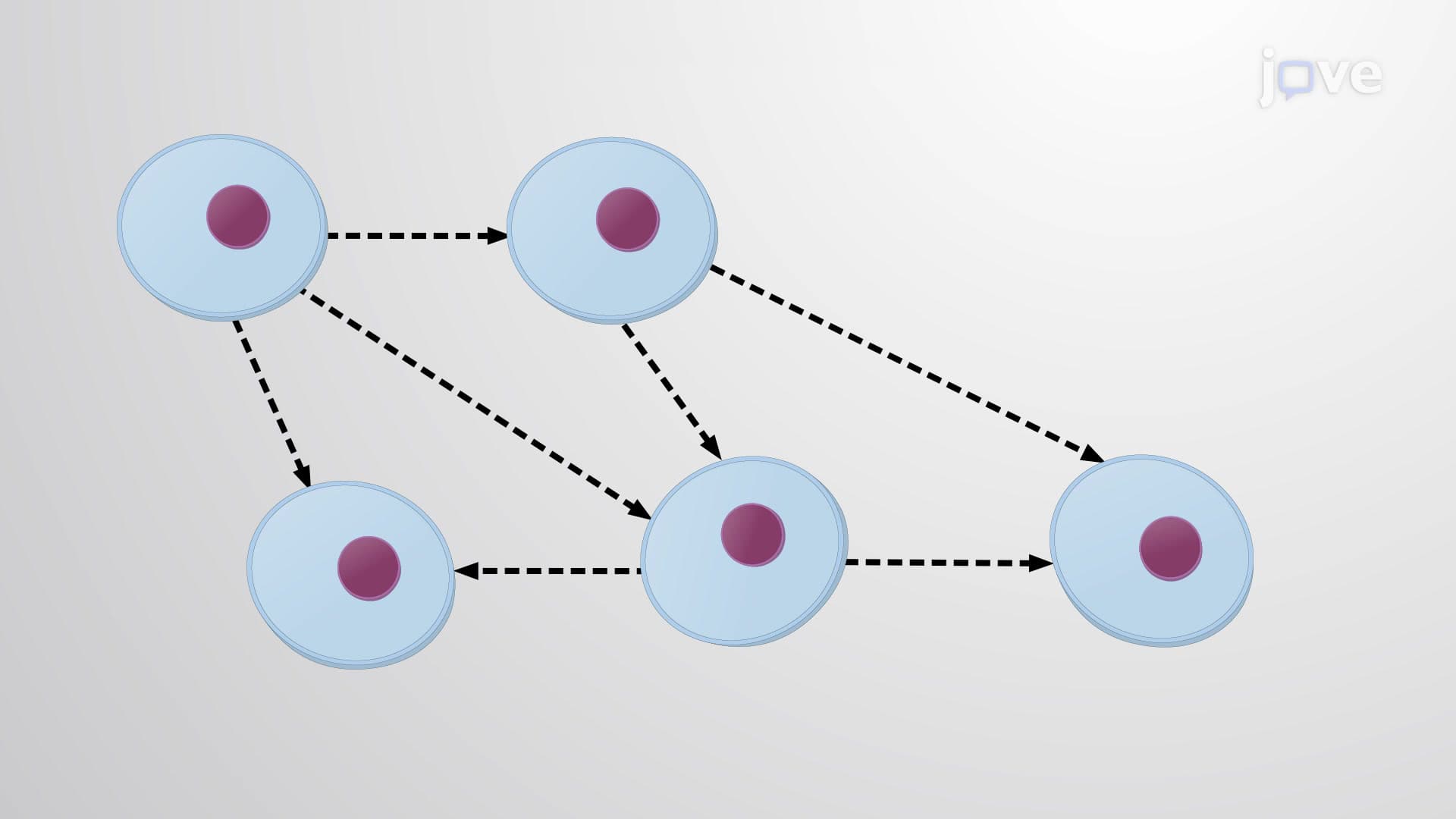
Endocrine signaling represents one of the body's most sophisticated communication systems, enabling cells separated by great distances to coordinate their activities. Unlike paracrine signaling, which affects nearby cells, or autocrine signaling, which targets the same cell, endocrine signaling uses the circulatory system as a highway for chemical messengers called hormones. This system evolved to solve a fundamental biological challenge: how can a multicellular organism coordinate the activities of trillions of cells across different organs and tissues?
The endocrine system includes major glands such as the pituitary, thyroid, adrenal glands, pancreas, and gonads. Each produces specific hormones that regulate distinct physiological processes. For instance, the thyroid gland produces thyroxine (T4) and triiodothyronine (T3), which control metabolic rate throughout the body. Meanwhile, the adrenal glands release cortisol during stress responses, affecting immune function, blood pressure, and glucose metabolism.
Hormones fall into three main chemical categories: peptide hormones (like insulin and growth hormone), steroid hormones (such as testosterone and cortisol), and amino acid derivatives (including thyroid hormones and adrenaline). Each type interacts with specific receptors using distinct mechanisms.
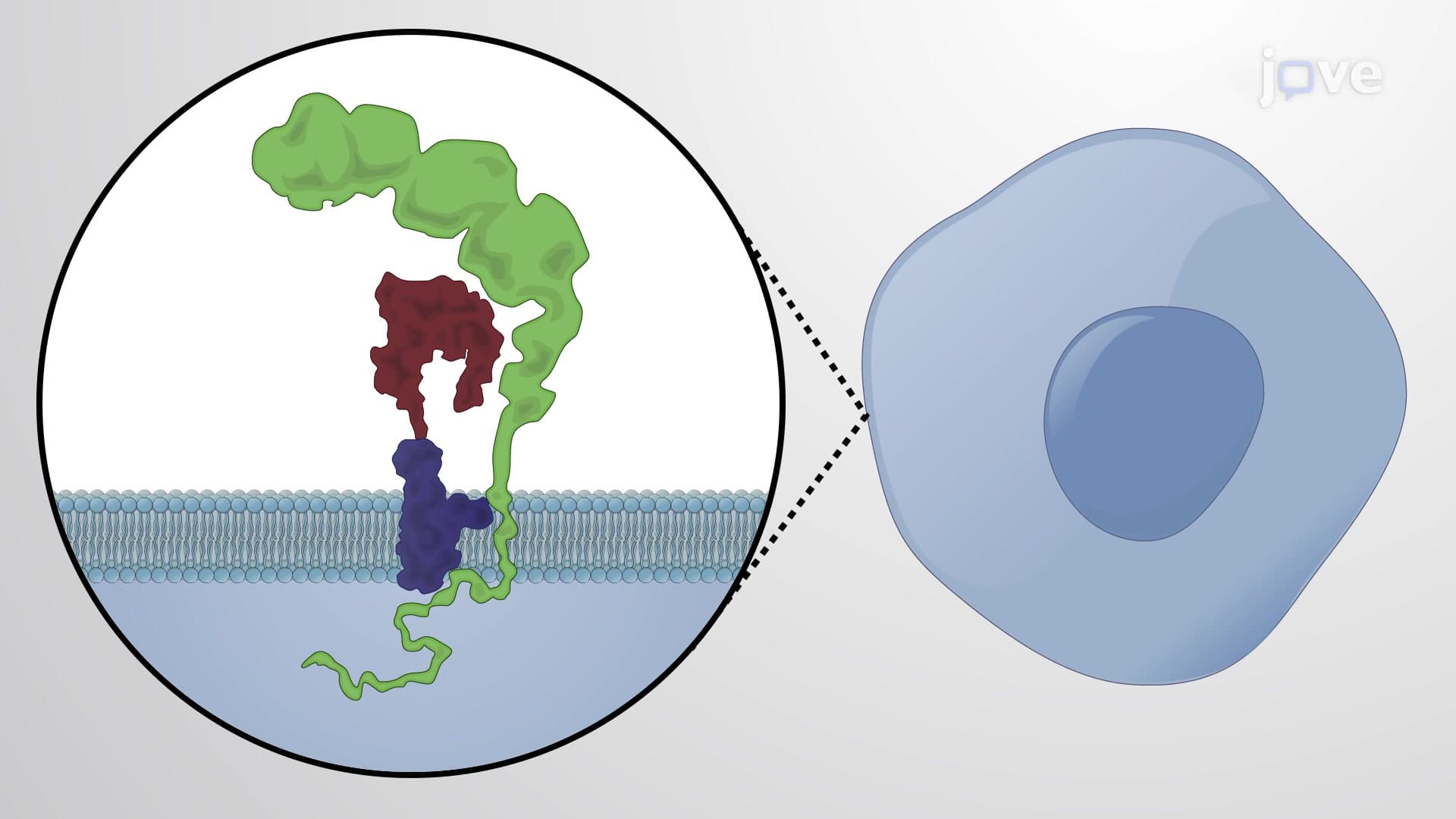
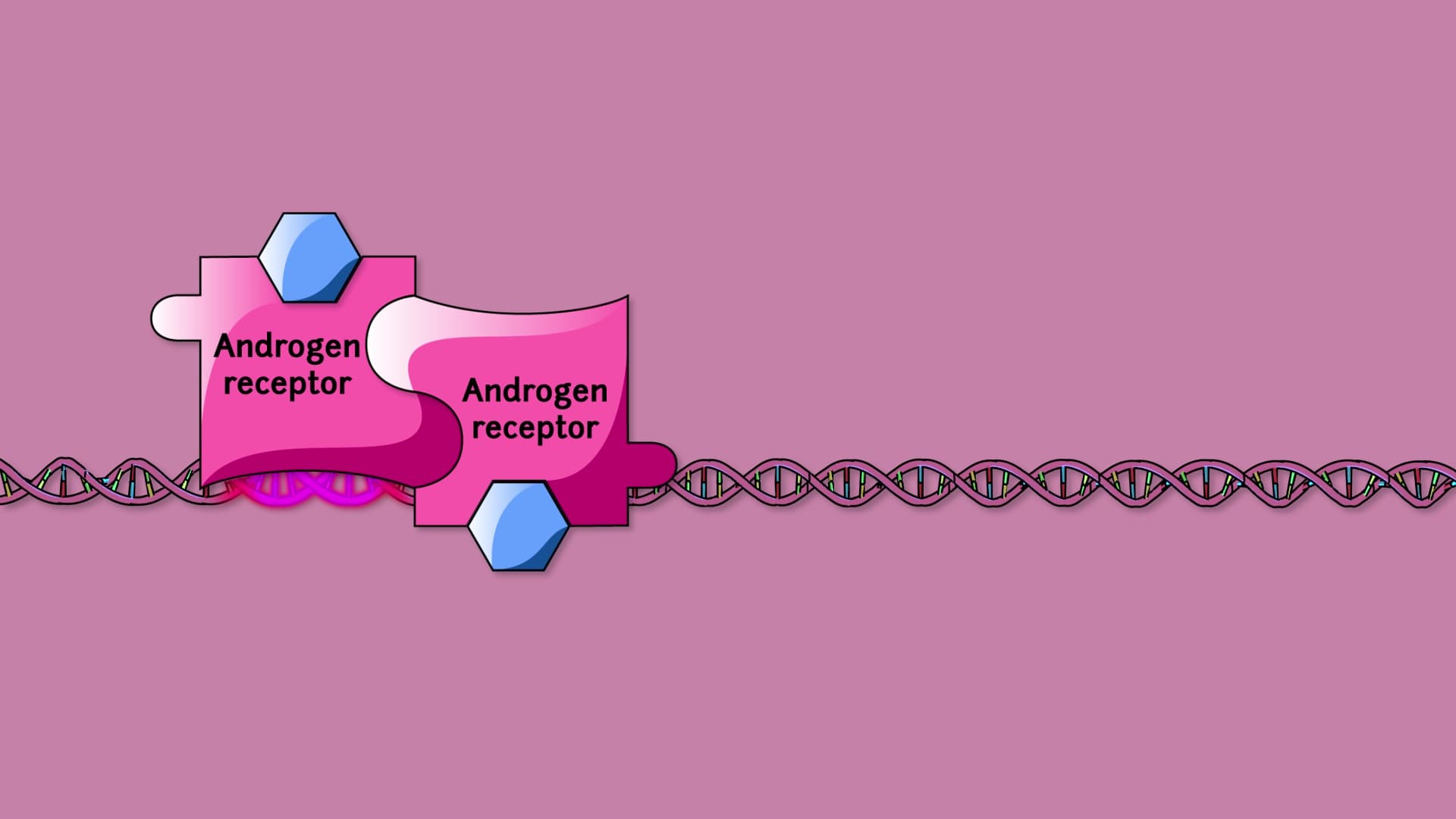
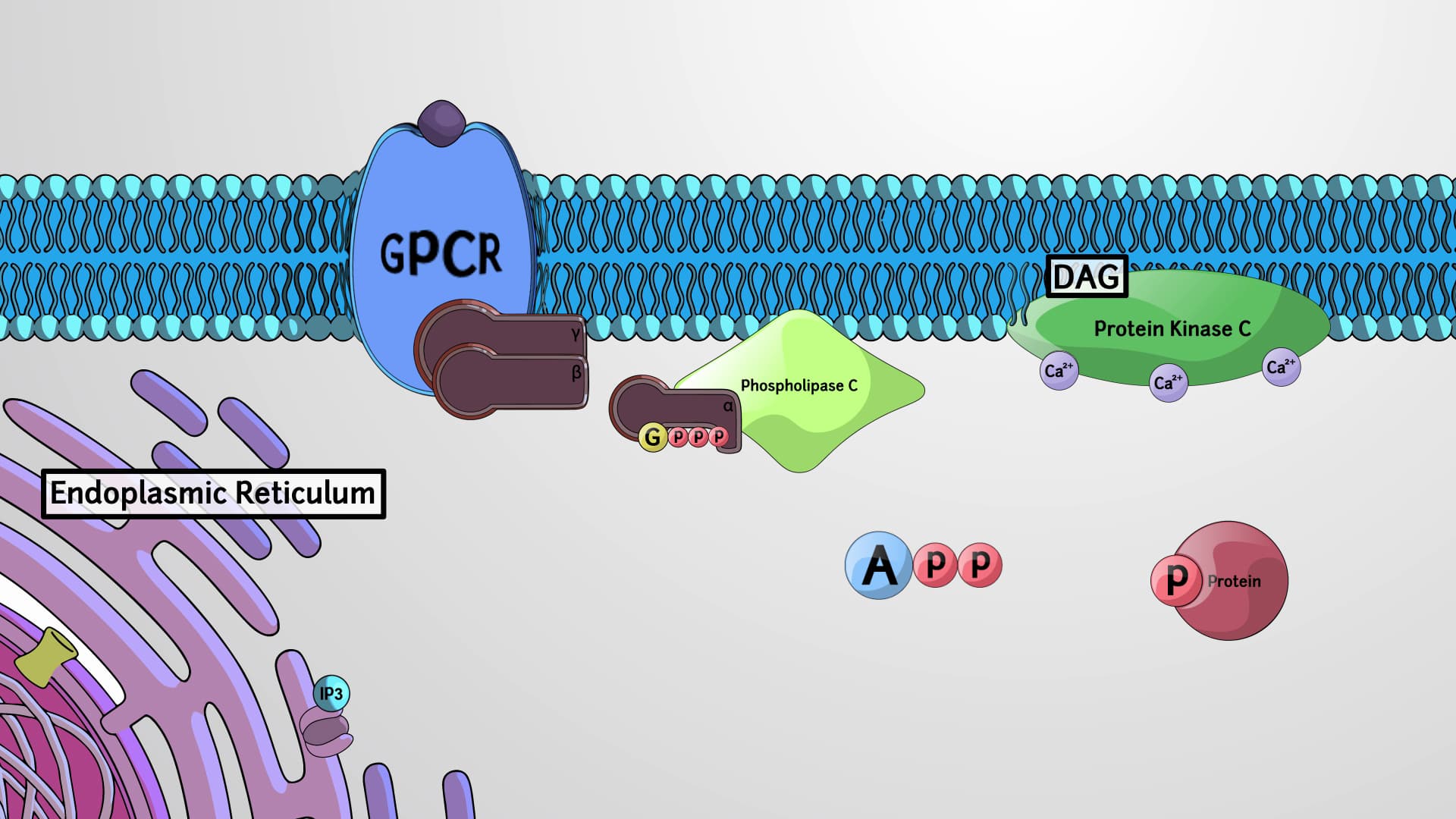
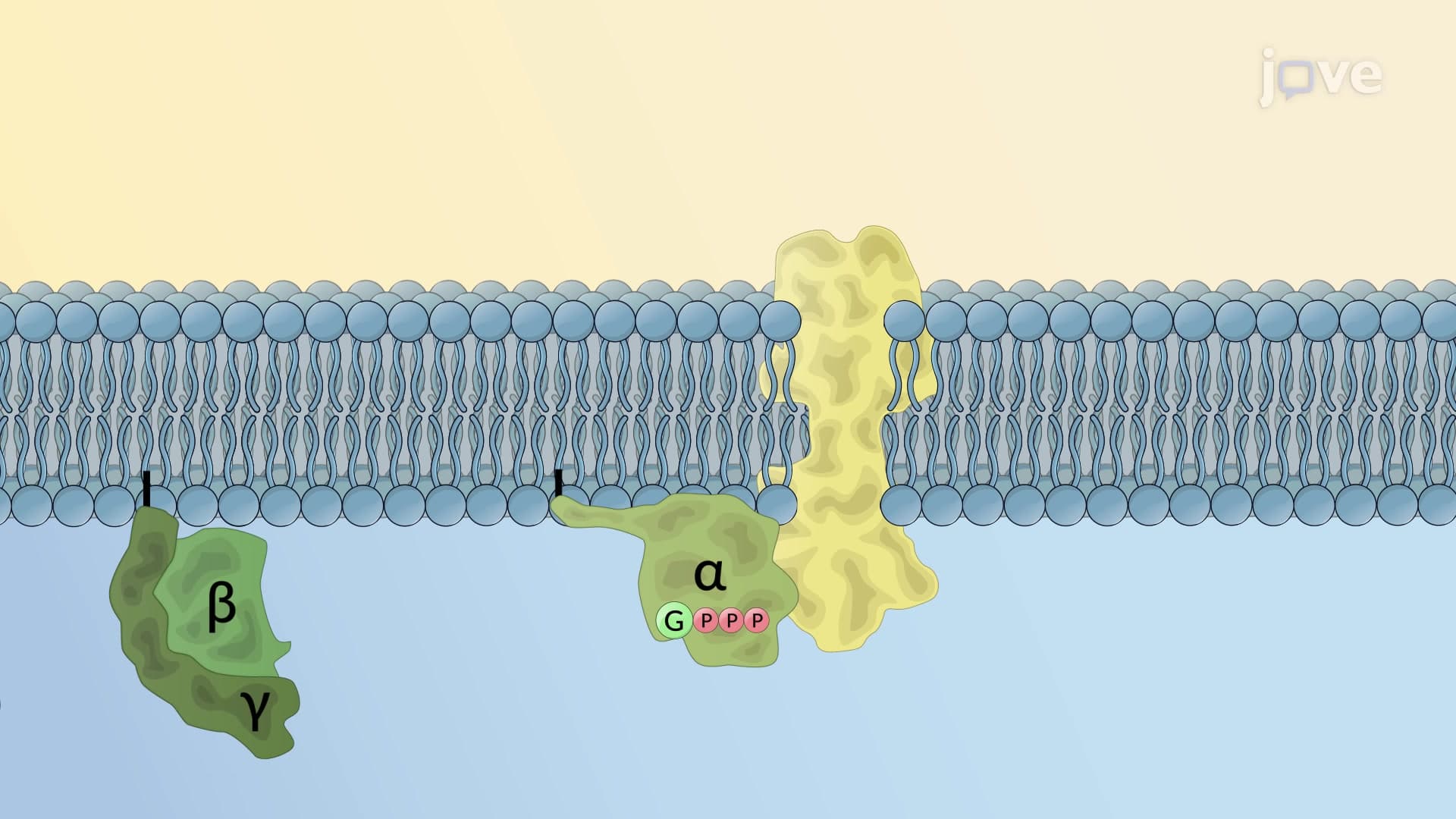
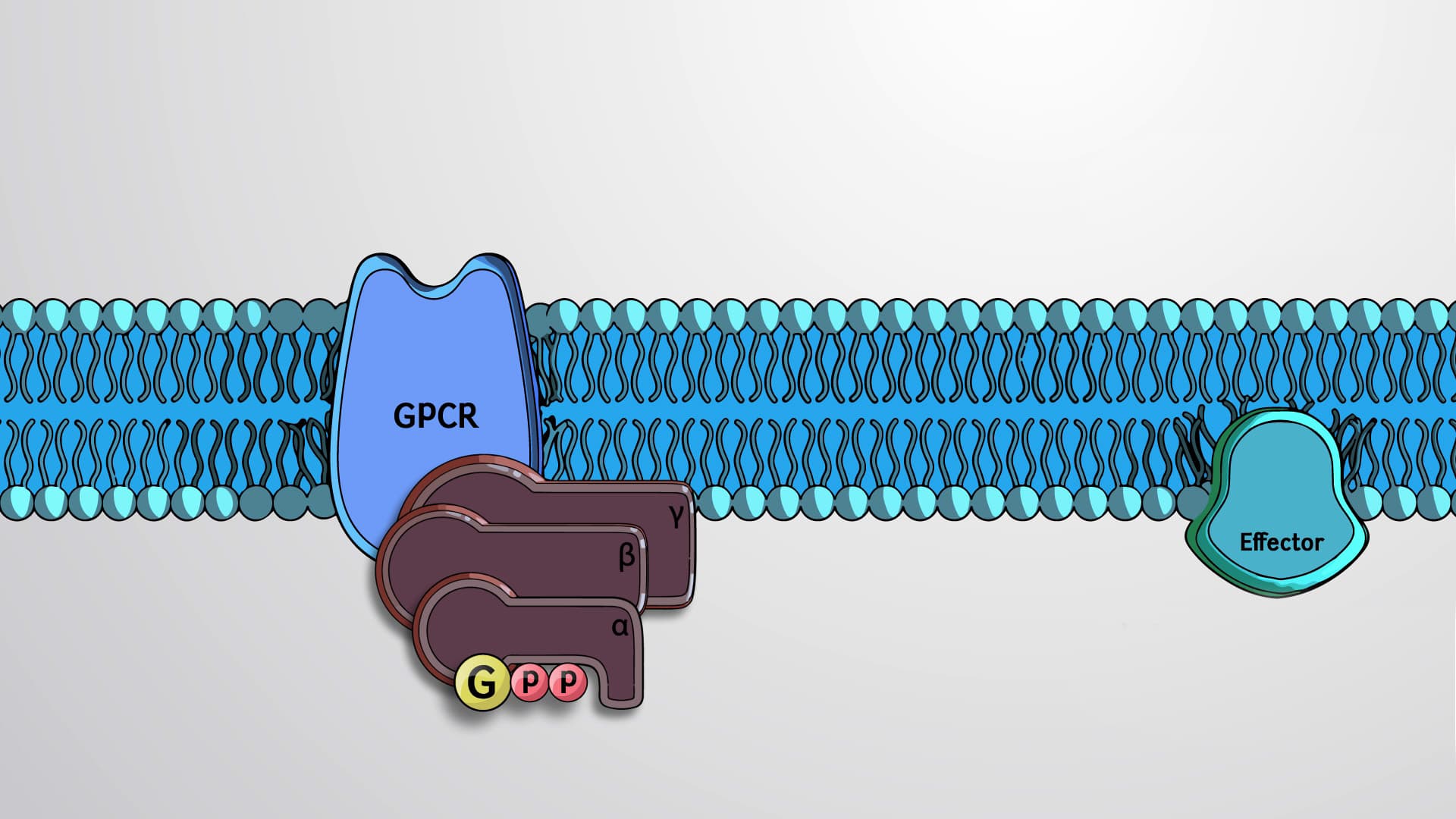
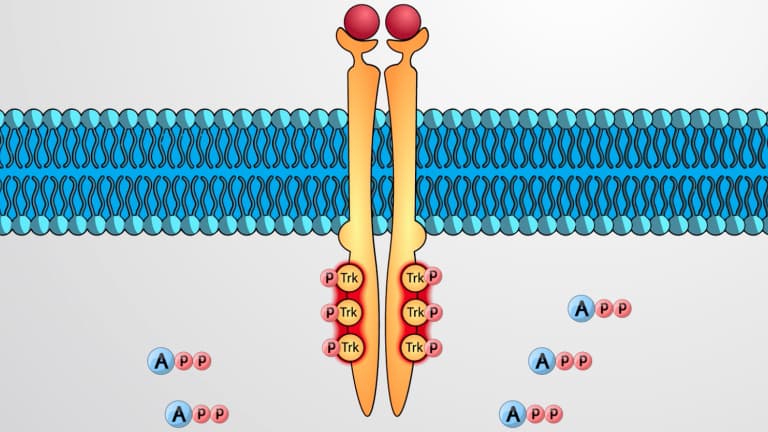
Peptide hormones cannot cross cell membranes, so they bind to membrane-bound receptors and trigger intracellular signaling cascades. When insulin binds to its receptor on muscle cells, it activates a series of phosphorylation events that ultimately allow glucose transporters to move to the cell surface. Steroid hormones, being lipid-soluble, can pass through cell membranes and bind to nuclear receptors, directly influencing gene transcription.
Understanding endocrine signaling is crucial for success on exams like the AP Biology test, MCAT, and college-level physiology courses. Common exam questions focus on hormone-receptor specificity, feedback mechanisms, and disease pathophysiology. For example, Type 1 diabetes results from autoimmune destruction of pancreatic beta cells, eliminating insulin production, while Type 2 diabetes involves insulin resistance at target tissues.
The concept also appears in clinical scenarios on exams like the USMLE. Students might encounter questions about Graves' disease (hyperthyroidism caused by antibodies mimicking TSH) or Addison's disease (adrenal insufficiency leading to cortisol deficiency). Understanding these conditions requires grasping how endocrine signaling normally maintains homeostasis.
Environmental endocrine disruptors present another important application. Chemicals like bisphenol A (BPA) in plastics can interfere with estrogen signaling, potentially affecting reproductive health and development. The Environmental Protection Agency (EPA) actively monitors such compounds due to their potential impact on public health through endocrine system disruption.
Related Micro-courses