Loading subject page…


112,227 views
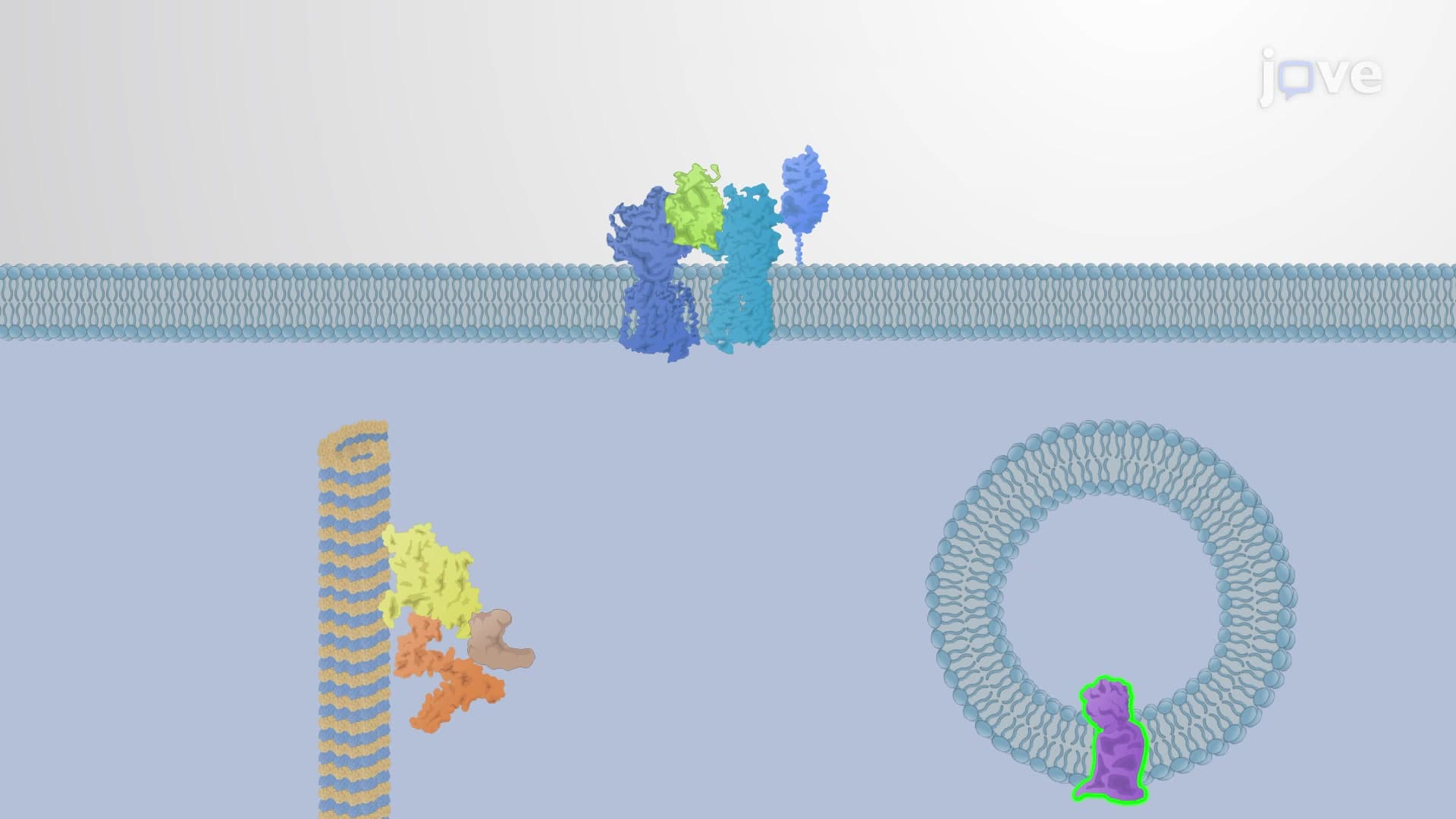

Video Summary: What Is Hedgehog Signaling Pathway
Did you know that birth defects like holoprosencephaly, affecting 1 in 16,000 US births, result from disrupted hedgehog signaling pathway activity during brain development? The hedgehog signaling pathway controls how cells grow and differentiate throughout embryonic development and adult tissue maintenance. This critical cellular communication system involves three main players: the Hedgehog ligand, Patched receptor, and Cubitus Interruptus transcription factor, working together to regulate gene expression in response to developmental signals. Watch the full video on JoVE Coach to master this concept with expert-led visuals and step-by-step explanations.
The hedgehog signaling pathway represents one of biology's most elegant cellular communication systems, orchestrating precise developmental programs from fruit flies to humans. This evolutionarily conserved pathway earned its name from Drosophila mutants that developed spiky, hedgehog-like projections when the pathway malfunctioned. In humans, this same pathway controls everything from limb formation to brain development, making it essential knowledge for students preparing for AP Biology exams or pursuing pre-med coursework.
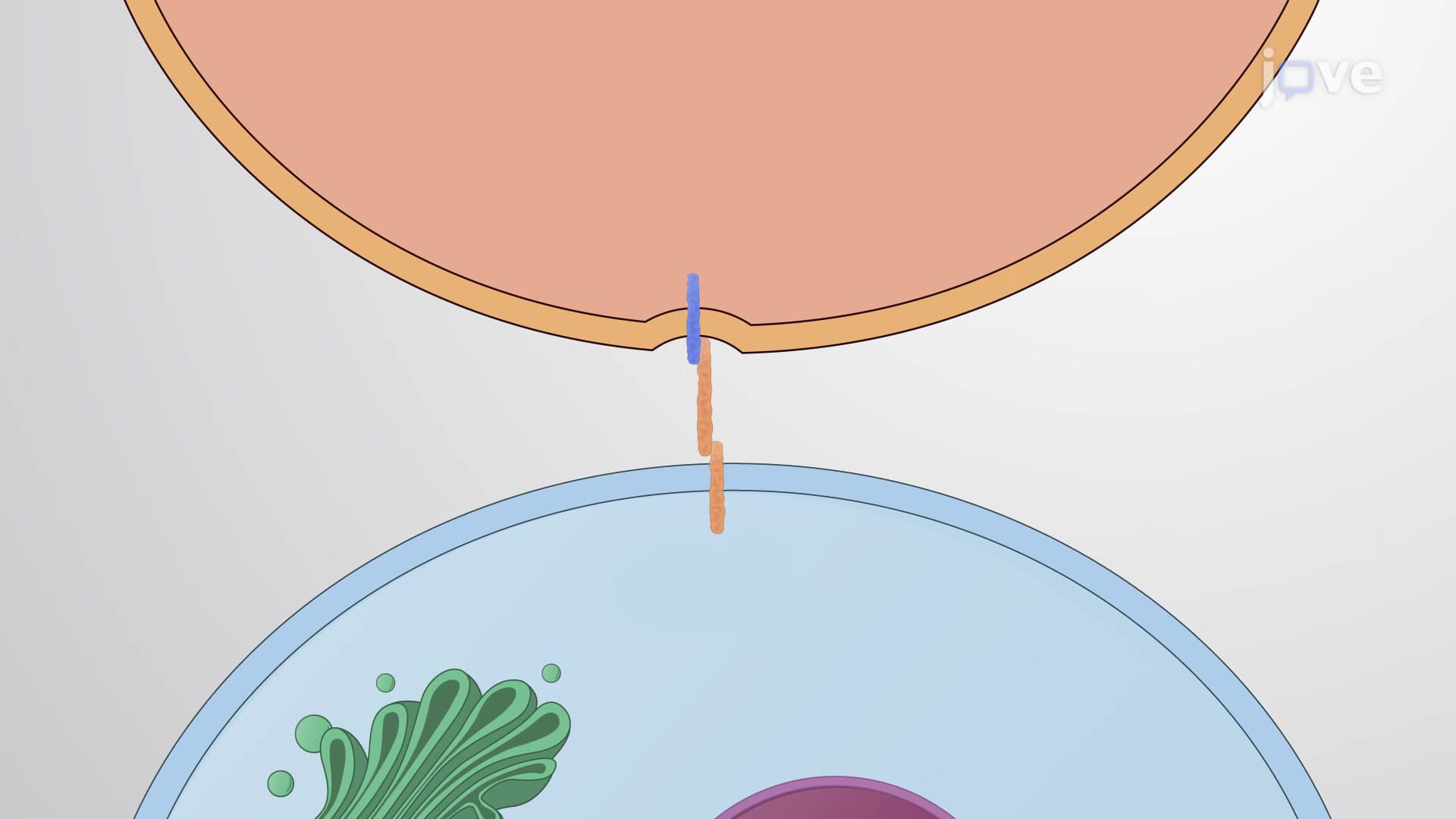
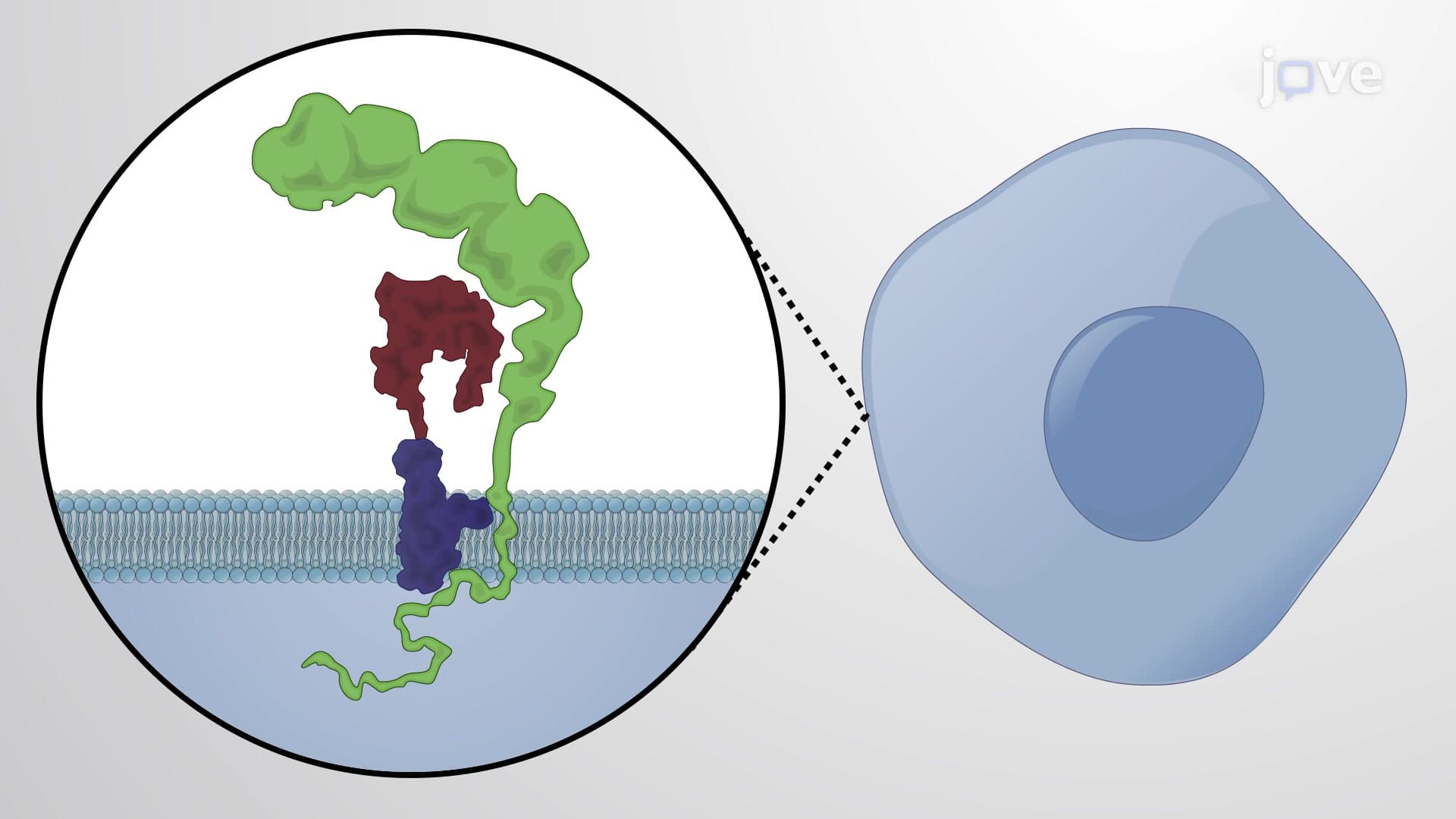
At its core, the pathway operates through three primary molecular actors. The Hedgehog ligand serves as the signal molecule, undergoing lipid modifications that anchor it near its site of production for localized signaling. The Patched receptor acts as the pathway's gatekeeper, continuously suppressing downstream signals until Hedgehog binding relieves this inhibition. Most critically, Cubitus Interruptus functions as the pathway's transcriptional switch, existing in two forms: full-length activator protein or truncated Ci75 repressor fragment.
This dual nature of Cubitus Interruptus creates a sophisticated regulatory mechanism. Without Hedgehog signaling, protein kinases PKA, GSK3, and CK1 phosphorylate the full-length protein, marking it for proteasomal cleavage into the repressive Ci75 form. Students often encounter this phosphorylation cascade concept in MCAT biochemistry sections, where understanding kinase cascades proves crucial.
Hedgehog pathway dysfunction underlies numerous human pathologies studied in US medical schools. Sonic hedgehog mutations cause holoprosencephaly, where the brain fails to divide properly into left and right hemispheres, affecting families nationwide. Conversely, overactive hedgehog signaling drives basal cell carcinoma development, the most common skin cancer in the United States, with over 4 million cases diagnosed annually.
The FDA has approved hedgehog pathway inhibitors like vismodegib for treating advanced basal cell carcinomas, demonstrating how fundamental developmental biology translates directly into therapeutic interventions. This connection between basic science and clinical application frequently appears in USMLE Step 1 questions, emphasizing the pathway's medical relevance.
The hedgehog signaling pathway doesn't operate in isolation but integrates with other developmental programs including Wnt and Notch signaling. This crosstalk creates robust developmental networks that ensure proper tissue formation while preventing cancer-promoting mutations. Understanding these pathway interactions proves essential for students tackling complex developmental biology questions on college-level exams and standardized tests.
Related Micro-courses