Loading subject page…


112,227 views
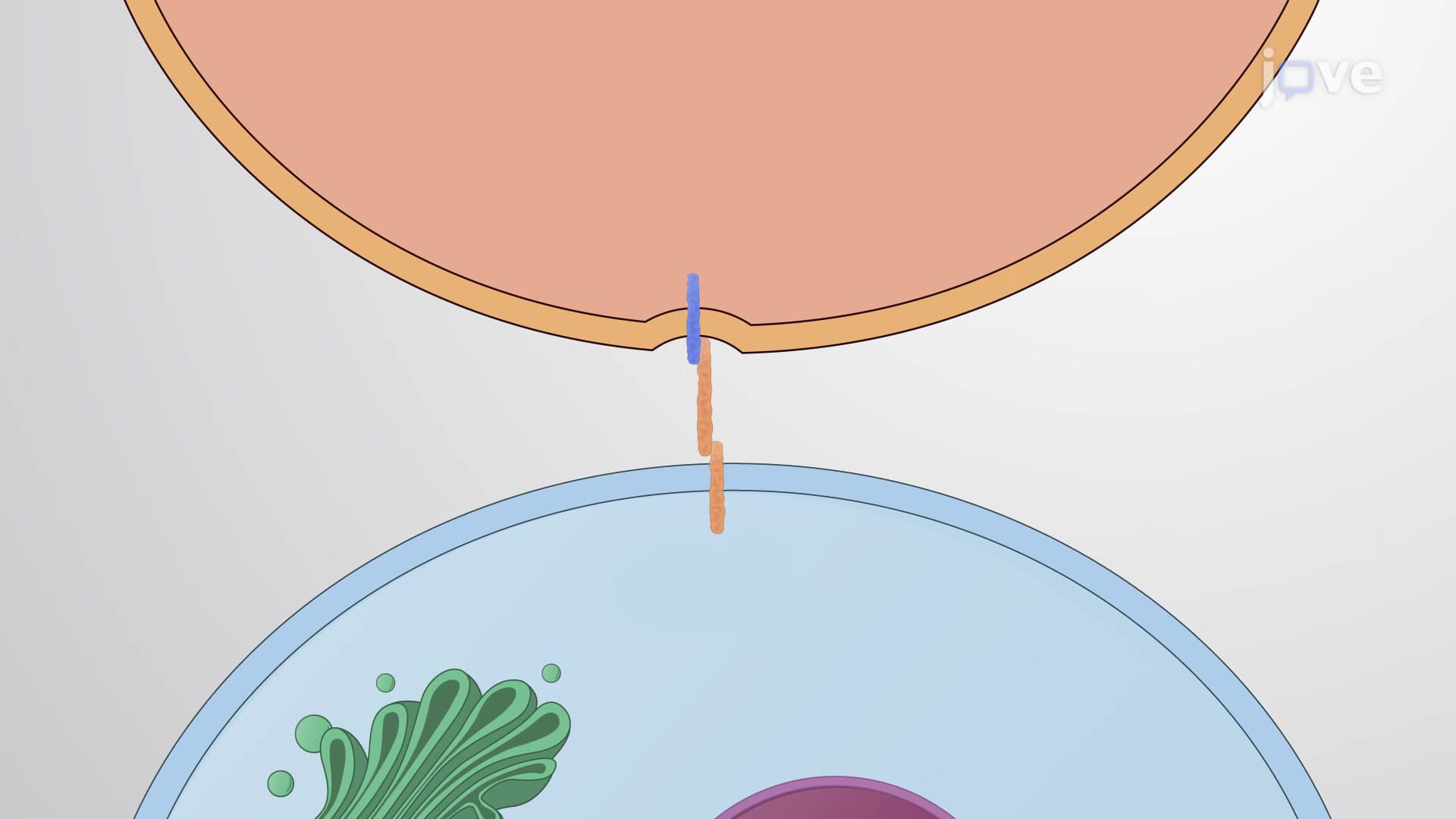

Video Summary: What Is Notch Signaling Pathway
Did you know that the same cellular communication system that shapes your brain during embryonic development also plays a role in certain cancers? The notch signaling pathway is a highly conserved cellular communication mechanism that controls whether cells divide, differentiate, or die through direct cell-to-cell contact. This critical pathway involves three sequential protein cleavages that ultimately release signaling molecules into the cell nucleus, where they activate genes controlling cell fate decisions. For instance, mutations in notch signaling components have been linked to T-cell acute lymphoblastic leukemia, a cancer affecting thousands of Americans annually. Watch the full video on JoVE Coach to master this concept with expert-led visuals and step-by-step explanations.
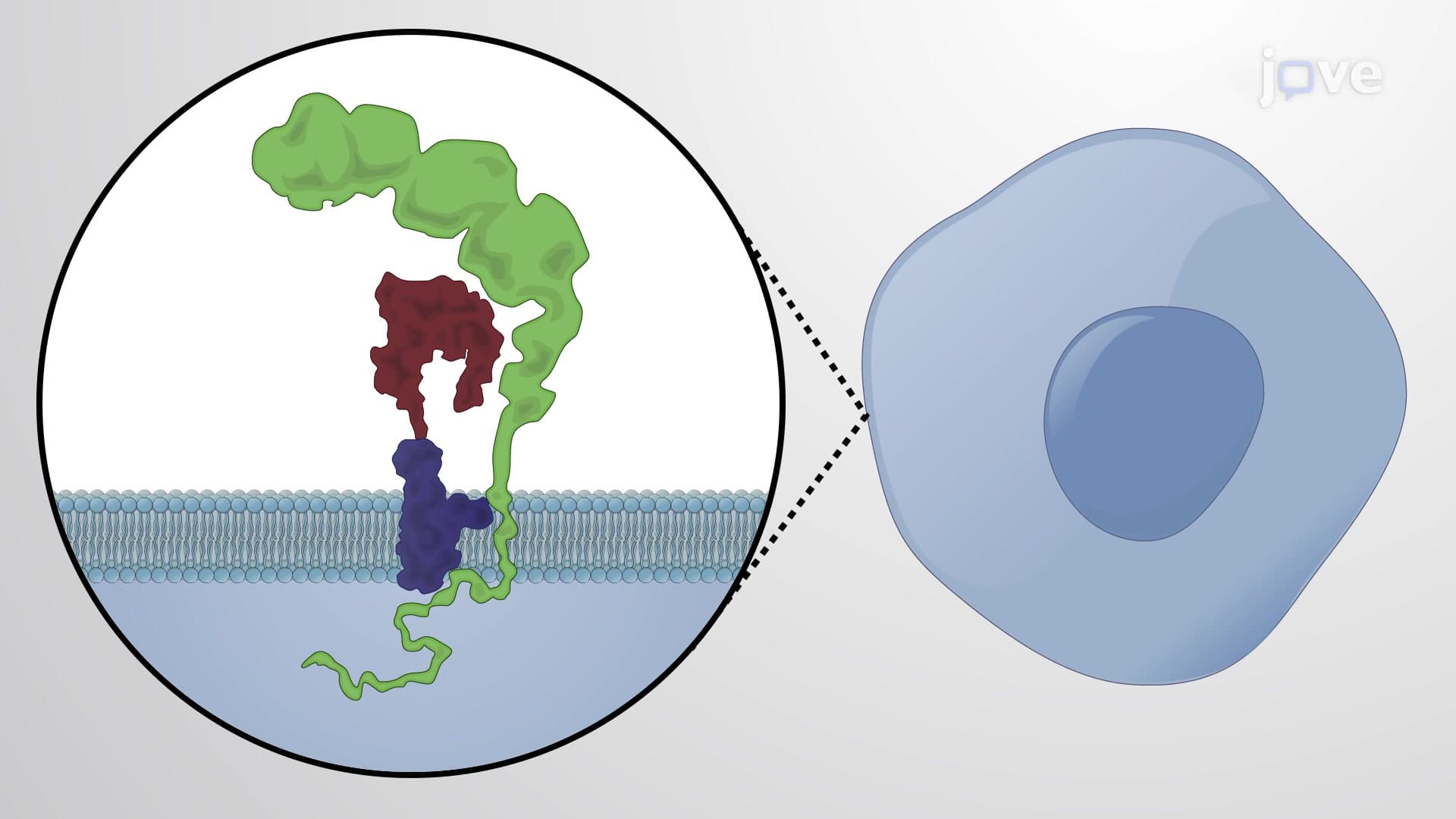
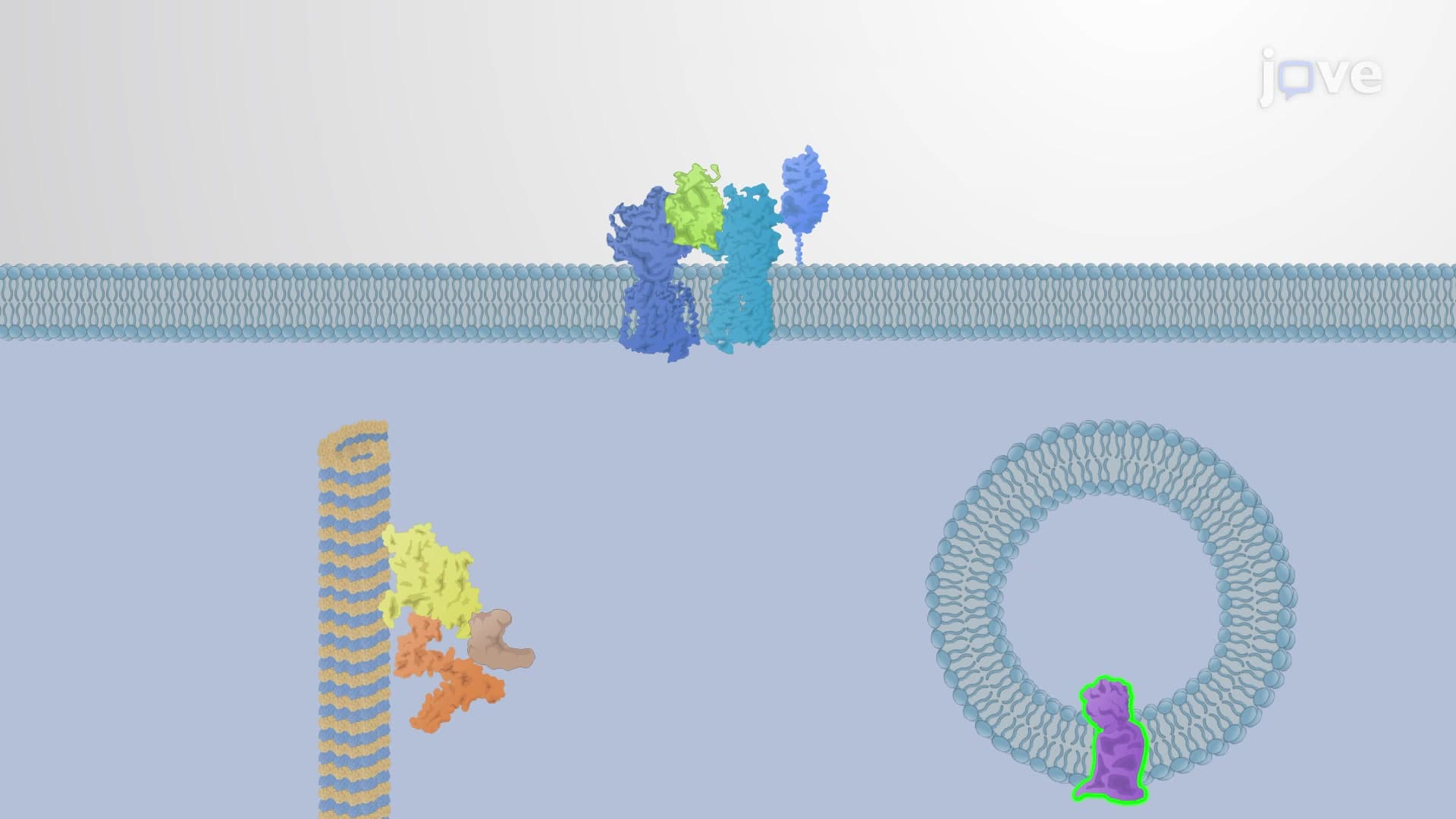
The notch signaling pathway represents one of biology's most elegant cell communication systems, functioning like a molecular handshake between neighboring cells. Unlike hormone-based signaling that works over long distances, notch signaling requires direct physical contact between cells, making it essential for precise developmental decisions. The pathway centers around Notch receptors-large transmembrane proteins that span cell membranes and detect signals from adjacent cells through specific ligand interactions.
The activation of notch signaling follows a carefully orchestrated three-step process. First, within the cell's Golgi apparatus, initial cleavage creates a mature heterodimeric receptor ready for surface presentation. Second, when Delta or Serrate ligands from neighboring cells bind to the receptor's extracellular domain, mechanical tension triggers metalloproteinase-mediated cleavage. Finally, the gamma-secretase complex performs the critical intramembrane cleavage, liberating the Notch Intracellular Domain (NICD). This process resembles a molecular relay race, where each cleavage event passes the signal closer to its nuclear destination.
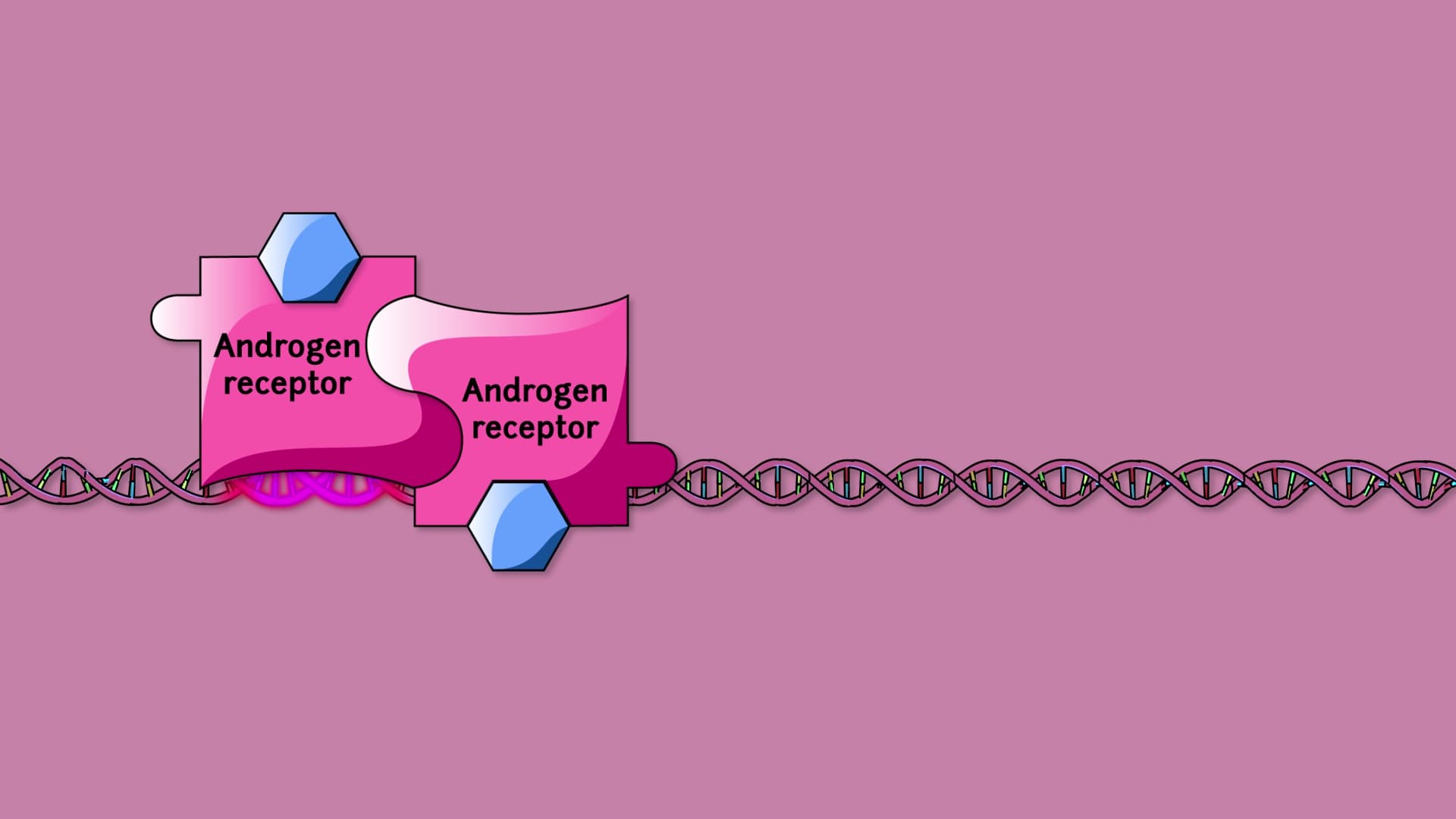
Once released, NICD translocates to the nucleus where it partners with CSL family transcription factors and co-activators to form an active transcriptional complex. This complex primarily activates Hes family genes, which encode transcriptional repressors that control cell fate decisions. The pathway's elegance lies in its simplicity-direct signal transduction from membrane to nucleus without complex secondary messenger cascades, ensuring rapid and precise cellular responses.
Understanding notch signaling proves crucial for students pursuing medical careers, as pathway dysfunction underlies numerous human diseases. For example, gain-of-function mutations cause T-cell acute lymphoblastic leukemia, while loss-of-function mutations lead to Alagille syndrome, affecting liver and heart development. On standardized exams like the MCAT and AP Biology, students frequently encounter questions about notch signaling's role in development and cancer. The pathway's conservation across species-from fruit flies used in research at institutions like Harvard and Stanford to human clinical applications-demonstrates its fundamental importance in biology education and medical practice.
Related Micro-courses